How computer games help cope with anxiety and stress
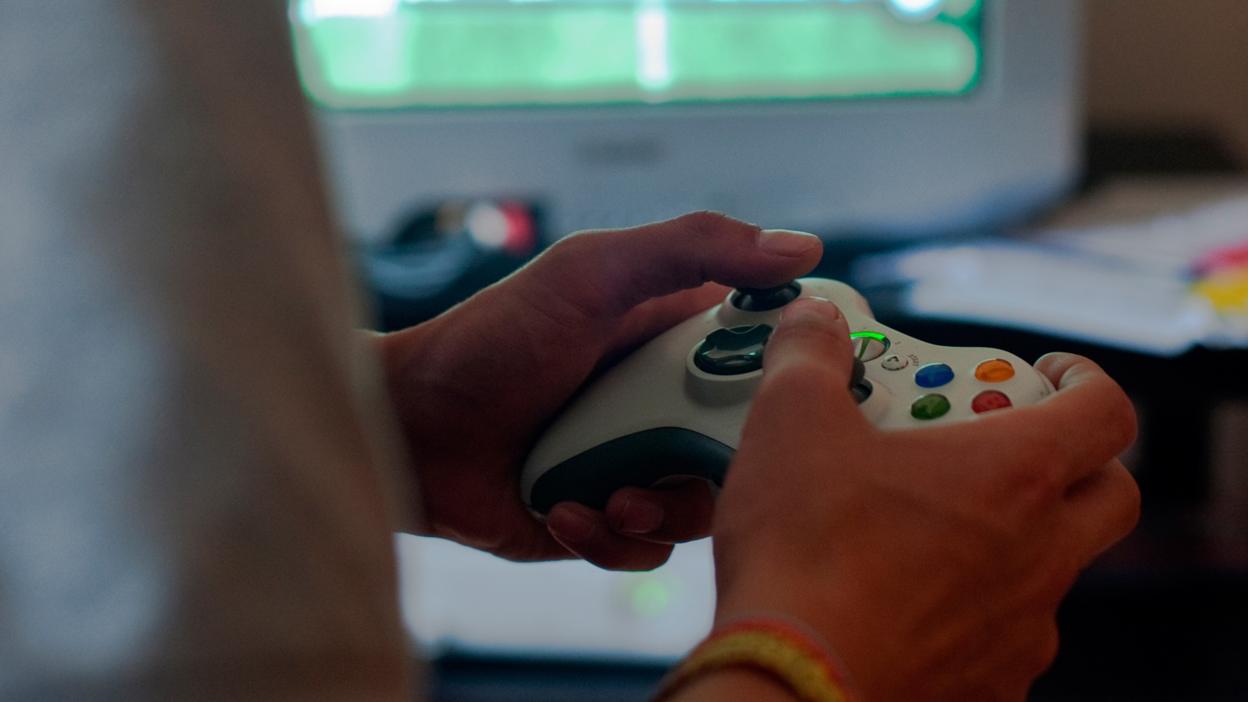
Sometimes I try to understand why games have so confidently become part of my daily routine and turned into a way to stabilize my state when tension starts to build up. Unlike familiar relaxation methods, games provide a much clearer shift of focus. I don’t need to dive into deep analysis to feel relief, I just need to choose a genre that matches my mood. At the same time, I don’t treat games as therapy, but rather as a tool that helps me manage excessive informational noise. And the more I observe my own reactions, the clearer it becomes that the effect of games is quite measurable and easy to explain.
Games as a Way to Safely Unload the Mind
When I’m overwhelmed with thoughts, fast paced games help by shifting my attention from internal worries to simple mechanics: movement, reaction, and situational control. In these moments, I see a game as a short workout for the brain, where there’s no space for long reflections. Thanks to the high density of actions, anxious thoughts seem to retreat, leaving room only for the current process.
It’s worth highlighting fast paced shooters separately. Even training modes in Counter-Strike create a pin-point focus effect: I concentrate on the target rather than on my emotional background. Examples include aim maps or Deathmatch, where rounds switch too quickly to think about anything unrelated. It was in these situations that I came across materials on counter strike news, and I saw how many players use such short sessions not for results, but purely for mental switching. The same approach works in Doom Eternal and Ultrakill, where the game’s speed forces the brain to build instant decisions.
There’s also an additional aspect: dynamic games create a sense of controlled chaos. You enter an environment that is fast and loud, yet fully governed by clear mechanics. This creates a rare combination of intensity and predictability. Because of that, a feeling of stability appears, something that can be lacking in real life when events shift unpredictably.
How Calm Games Help With Recovery
There is an opposite approach, where slow, rhythmic games are better suited for reducing anxiety. They create a soft, even environment where you don’t need to make rapid decisions. These projects function more like a quiet flow of actions you can sink into without obligations or final goals. That’s their value: they don’t demand effort and allow you to align yourself with a more peaceful internal rhythm.
When I want to stabilize my emotional state, I turn to games like Stardew Valley, Spiritfarer, or certain visual novels, where interactions unfold gradually and predictably. In these games, progress itself matters far less than the sense of safety and stability that comes from repetitive actions. I’ve seen discussions of val news specifically in the context of searching for games with a gentle atmosphere, suitable for recovery after mental overload. Such projects create a quiet pause, letting you shift away from intrusive thoughts without pressure or sharp stimuli.
Beyond atmosphere, structure also plays a big role. Slow games offer space for reflection without forcing you to dig too deeply. You can process your own thoughts alongside gameplay: harvesting crops, decorating a home, or exploring peaceful locations. It feels like a soft form of meditation, where each action brings a small dose of calm on its own.
Games as a Form of Structured Control
When stress is linked to uncertainty, genres built on strict logic and predictable rules are especially helpful. In such games, there are no chaotic events that throw you off balance: every situation can be calculated, every mistake is understandable and explainable. This creates a rare sense of order, something that is often missing in real life, where many things can’t be controlled. Strategy games become a kind of stable model of the world, where decisions lead to expected outcomes.
Tactical games like XCOM, Into the Breach, or even calmer turn based RPGs allow you to plan your approach in advance and follow it step by step. The turn based format gives you the luxury of thinking at your own pace: you can pause, evaluate the situation, consider options, and choose the best move. No time pressure, no sudden demands for instant reactions. Everything is structured in a way that makes the brain naturally shift into confident planning mode.
This predictability is exactly what reduces tension. In real life, many processes can’t be calculated, but in a game it’s different: the rules are stable, the mechanics transparent, and mistakes reversible. When you can see the results of your decisions and control how events unfold, even a short gaming session brings a sense of order and clarity that often carries into the rest of the day.
Social Effect and Support Through In-Game Interaction
Online games can also reduce anxiety, but they do it in a very specific way. Here, it’s not the mechanics that matter most, but the social context, the atmosphere, and the feeling of other people being present. Not every online game provides this effect: an overly competitive environment, intrusive communication, or the need for constant interaction can actually increase tension. That’s why so much depends on the group you end up with and how comfortable the overall pace of the game feels.
When the environment is calm, shared sessions in games like Genshin Impact, Final Fantasy XIV, or Destiny 2 feel like quiet companionship that doesn’t demand effort. It’s pleasant to do daily tasks, run dungeons, or simply explore locations alongside someone you feel comfortable with. It’s not about intense conversations, but about the very fact of being present together, knowing that someone is nearby, keeping the same pace without pushing you into activity.
This format creates a rare sense of gentle social support. No obligations, no need to be the center of attention, no pressure for results. There’s only a shared space where you can move at the same pace and feel like a natural part of the process. Because of this, anxiety decreases: you feel that you’re not alone, even when conversations are minimal and the interaction comes down to playing together and quietly accompanying each other.
Conclusion
I don’t see games as a universal method for dealing with stress, but for me they’ve become a steady tool that helps regulate my state. They don’t solve the root cause of anxiety, but they create a space where it’s easier to restore balance and regain control over my inner background. Sometimes a short session in a fast paced game is enough, and sometimes it’s better to choose something calm and rhythmic to gradually settle your breathing and thoughts.
The key point is that games allow you to pick a format that matches your mood without requiring much effort. When this choice aligns with your internal state, the effect becomes especially noticeable: tension decreases, concentration returns, and emotional noise quietly fades.