The Reality of Coastal Ownership vs. Beach Vacations
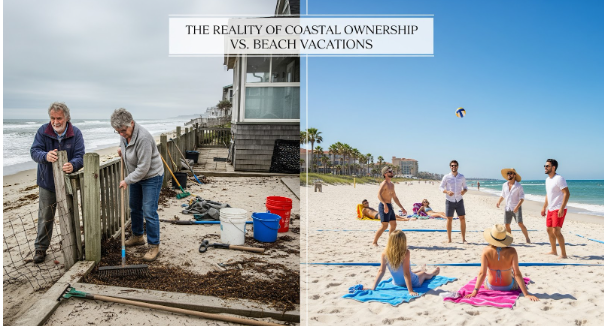
You can live the dream of both worlds here; however, you might find yourself in your own apartment on the Sunshine Coast—situated in a beautiful coastal area—yet still wanting to reward yourself with an “occasional proper holiday” by staying right on the beach when you feel like it. However, as the dreamy Instagram image of coastline life goes far back, a more realistic question would be:
This guide simplifies the math into easily understandable language. I will take you through the usual expenses of owning an apartment on the Sunshine Coast, display the extras that many people forget, and tell you how to budget for beach holidays without feeling like you are paying double to enjoy the same lifestyle.
The big three: mortgage, deposit, and the exact cost of borrowing.
Most visible is the amount you repay on the mortgage, but this is not the entire financing story. These are the large pieces to consider:
- Other deposit and loan costs: Deposit fees, loan valuation fees, and mortgage registration fees are possible even before you purchase.
- Interest rate at a given time: Two loans of equal purchase value may attract vastly different costs based on the interest rate and the type of loan (fixed, variable, offset account, redraw, etc.).
- Lenders Mortgage Insurance (LMI): In case of a lower deposit compared to the lender’s requirement, LMI may be a big initial expense.
Hack: When you are trying to run the “what-ifs,” do it on an annual basis. Calculate all repayments made in the year, and then divide the total repayments by the amounts repaid on interest versus principal. The real cost of borrowing is the interest portion; the principal is simply you borrowing back to yourself (into your equity).
Initial purchase expenditures people often underestimate.
Purchasing is not simply the purchase price + a moving van. Depending on your situation, you might encounter:
- Stamp duty and government fees (depends on eligibility and state regulations).
- Conveyancing/solicitor fees.
- Construction and pest inspections (yes, apartments need them, too).
- Strata records inspection (to verify meeting minutes, sinking fund health, planned works, and defects history).
- Connection and setup expenses (utilities, internet, change of address administration, etc.).
One way to manage this is to keep an “upfront buffer” aside on top of your deposit. Individuals tend to spend a lot of money on the deposit and then get strained by the remaining costs.
The annual maintenance expenses: what you are really going to pay in a month.
This is where owning an apartment is not exactly the same as owning an independent house, and this is also where most first-time buyers get caught off guard.
Strata (body corporate) fees
The strata fees normally include building insurance, common area renovation, cleaning, gardening, administration, and deposits into the sinking fund (long-term maintenance fund). They vary depending on lifts, pools, gyms, the size of the complex, and the proactiveness of the committee.
What to look for:
- Is the sinking fund healthy?
- Are there any large jobs planned (roofing, repainting, concrete jobs, waterproofing)?
- Have there been defect problems in the building?
Having a low strata fee is not necessarily a win if it means maintenance is being deferred.
Council rates and utilities
Although you might be accustomed to utility payments, it is worth mentioning that living on the coast may alter your usage patterns: more air-conditioning in humid seasons, more dehumidifying, and higher water consumption depending on your lifestyle.
Insurance (not what you think is covered)
Strata may cover your building; however, you could still require contents insurance. If you decide to rent the house out later, landlord insurance will come into play.
Coastal environmental maintenance
Salt is good for the mood, but not necessarily for metal, paint, seals, and appliances. Coastal erosion and degradation may appear as:
- Increased rate of corrosion on railings and fixtures on the balcony.
- Window and door seal issues.
- Enhanced cleaning requirements to stop the accumulation of grime.
There is no need to panic; just budget realistically. Minor and regular repairs are usually less expensive than emergency repairs.
Add-ons: parking, furnishing, and making it yours.
This is the category that one can easily dismiss as optional until you are living there. Common costs include:
- Furniture and appliances (particularly when upgrading your current rental to a bigger one).
- Curtains/blinds, shelving, and storage solutions.
- Parking (some apartments have few visitor spots; some have paid secure parking in the neighborhood).
- Lighting, fans, balcony shade solutions, and minor improvements.
You can actually make furnishing a budget line item if you are purchasing with the notion of entertaining friends. The positive side is that this is somewhat manageable—you can make purchases in stages.
Do not forget about the “life happens” buffer.
Even with a well-maintained building, you desire a buffer for:
- Extra charges (unforeseen construction activities).
- Temporary income changes.
- Changes in interest rates (when variable).
- Travel emergencies, health bills, or vehicle maintenance.
A simple guideline is to have a target cash buffer that covers a few months of your total housing expenses (not just your mortgage). This transforms unexpected stressors into mere inconveniences.
And that is the escape bit: why you can still book beach accommodations despite having your own nearby.
Here is where most people get uncomfortable: “Why would I pay for accommodation when I own an apartment on the Sunshine Coast?”
This is due to the fact that a getaway is not necessarily a distance event, but rather an experience. You may live in one suburb due to convenience, cost, or commuting factors but still desire to:
- Wake up at the beach without anything to do.
- Have a “walk-out-the-door” coffee-and-swim weekend.
- Experience a special stay with more of a holiday atmosphere than your usual home.
These weekends can be a great time to explore the area and not feel like you are trying to make your house a resort 365 days a year. In case you feel like doing it every now and then, plan that budgetary expenditure instead of considering it a guilty splurge.
The first step is to set up a “mini holiday fund” which includes a few weekends each year in Sunshine Beach accommodation, particularly during low seasons when prices are cheaper and the atmosphere is distinct.
Comparison: Develop a simple yearly all-in cost picture.
In order to get the actual cost of reality, prepare an annual estimate in three columns:
- Unchangeable ownership expenses (mostly predictable).
- Variable ownership expenditure (maintenance, utility swings, periodic repairs).
- Getaway costs (number of weekends, average rate per night, meals/activities).
Then stress-test it:
- How does a 1% increase in interest rates affect it?
- What would be the case of a special levy?
- What happens if you do two more getaway weekends a year?
This makes the decision empowering rather than emotional. You need not guess—you can map out the range.
One sharp thing to keep in mind just in case you are still at the window shopping stage.
When you are just starting on the journey, it is better to search with a “cost-first” mentality as opposed to a “photo-first” mentality. When comparing apartments for sale on the Sunshine Coast, use the listing as your starting point and, in the same breath, enquire about the strata fees, the sinking fund, and the probable maintenance profile that the building will experience.
This one habit will save you more cash (and stress) than the majority of negotiation strategies.
Living in an apartment on the Sunshine Coast and still having occasional beach retreats can certainly make sense—both economically and lifestyle-wise—in case you are economical with your money. Calculate what is really “all-in” per year, maintain a realistic safety stock for coastal repair and strata, and put aside a small savings fund of your own so you are on holiday, not regretting it.