The Ultimate Guide to Polyethylene Pits: Enhancing Cable Management
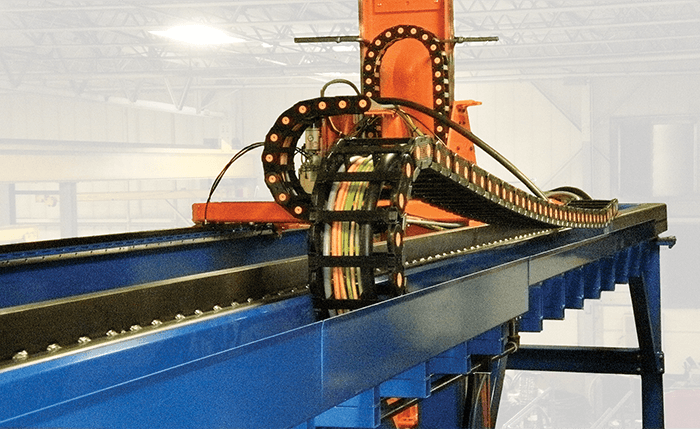
Polyethylene pits are an integral component in modern cable management systems, offering a range of benefits over traditional materials. Designed to accommodate various requirements, these pits have revolutionised how cables are housed and managed. The evolution of cable management has seen the replacement of older, less efficient systems with advanced solutions, like pits made from polyethylene.
What Are Polyethylene Pits?
Polyethylene pits are underground chambers used to manage and protect electrical and communication cables. These pits are made from polyethylene, a type of plastic known for its high durability and flexibility, making it ideal for outdoor and underground applications. Their design varies to accommodate different sizes and types of cables, ensuring a tailored fit for specific needs.
Advantages of Using Polyethylene
The use of polyethylene in cable management pits presents several advantages. Firstly, polyethylene is resistant to moisture and most chemicals, which extends the lifespan of the pits and provides robust protection for the cables contained within. Secondly, polyethylene pits are lightweight, facilitating easier handling and installation compared to concrete pits.
Durability and Longevity
Polyethylene is known for its resilience, making it an excellent choice for applications requiring long-term durability. The material’s resistance to environmental and chemical wear ensures that the pits maintain structural integrity over time, reducing the need for frequent replacements or repairs.
Cost-Effectiveness
Despite the initial investment, polyethylene pits are cost-effective in the long run. Their durability minimizes maintenance costs, while their lightweight nature reduces transportation and labour expenses during installation.
Applications of Polyethylene Pits
Polyethylene pits are utilised extensively in various industries, including telecommunications, electricity distribution, and infrastructure projects. The pits provide a secure and organised space for housing cables used in different applications, from fibre optics to power distribution.
Telecommunications
In the telecommunications sector, polyethylene pits play a crucial role in protecting fibre optic cables and other critical communication lines. The secure housing ensures reliable data transmission, crucial for maintaining uninterrupted communication services.
Electricity Distribution
For electricity distribution, polyethylene pits offer a safe and reliable solution for accommodating power cables. The pits ensure that cables are protected from external forces, preventing electrical hazards and service interruptions.
Environmental Impact
Polyethylene pits are designed with environmental considerations in mind. Polyethylene is a recyclable material, contributing to sustainability efforts by reducing the environmental footprint associated with cable management infrastructure.
Recyclability
The ability to recycle polyethylene means that once the pits reach the end of their service life, they can be repurposed into new products, reducing the need for new materials and conserving resources.
Installation and Maintenance
The installation of polyethylene pits is relatively straightforward, thanks to their lightweight nature. This feature allows for more flexible and adaptable placement, reducing the need for heavy machinery and complex equipment, thus lowering installation costs.
Maintenance Benefits
Maintenance of polyethylene pits is minimal, as the material’s durability eliminates common issues found with traditional pit materials such as cracking or erosion. Regular inspections ensure the pits remain in optimal condition, but extensive maintenance is rarely required.
Future Trends in Cable Management
As technology advances, the need for efficient and effective cable management will continue to grow. Polyethylene pits are likely to remain at the forefront, evolving with new technological requirements and environmental standards. Continuous improvements in manufacturing and material science promise to enhance the performance and application scope of these essential infrastructure components.
In conclusion, polyethylene pits are a critical component in enhancing cable management across various industries. Their advantages in terms of durability, cost-effectiveness, and environmental impact make them a preferred choice for modern infrastructure development. As the demand for efficient cable management solutions increases, polyethylene pits will continue to be an integral part of the industry standard.