Understanding the Causes of Dark Under-Eyes Before Treating Them
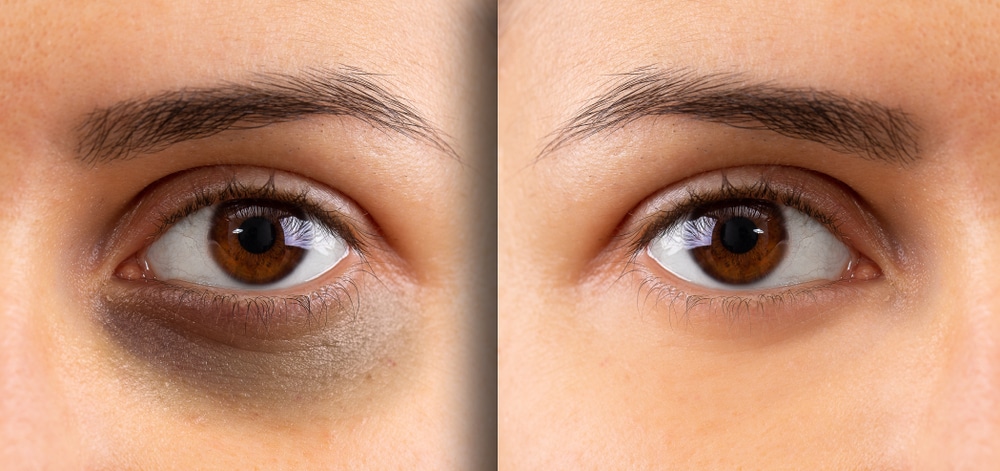
Everyone has had that moment in the mirror where the eyes look more tired than they feel. Those shadows under the eyes can make someone seem unwell, sad, or older than they really are, even on a good day. For many people, it starts as a small concern and slowly becomes something they cannot unsee.
Before rushing into any dark eye circle treatment in Singapore clinics are known for, it helps to pause and understand what is really going on. Dark under-eyes are not just about late nights or bad habits. They often reflect a mix of genetics, skin structure, lifestyle, and sometimes underlying health issues.
When a person understands the cause of their dark circles, the whole journey becomes less frustrating. Instead of jumping from cream to cream, they can choose care and treatments that actually match their skin and their story.
When Genetics Sets the Tone
Some people are simply born more prone to dark circles. Periorbital hyperpigmentation, the medical name for dark under-eyes, often runs in families and can appear even in childhood. The skin under the eyes is already thin, and when there is inherited extra pigment or naturally darker skin, any darkness shows up more strongly.
Over time, this inherited tendency can become more obvious. As the face changes with age, natural fat loss and bone structure can make the under-eye area look more hollow, which makes existing darkness stand out. Someone may feel they look more tired every year, even if nothing in their lifestyle has changed.
Pigment That Lives Deeper
In some people, the darkness is mainly from increased melanin, the pigment that gives skin its color. This can affect the upper or deeper layers of the skin, which is why some dark circles look brownish and are more noticeable in certain lighting.
Conditions like melasma or post inflammatory hyperpigmentation can also settle under the eyes, especially in those with medium to darker skin tones. Even after rashes or irritation, leftover pigment can linger and create the impression of constant tiredness.
Family Traits and Facial Shape
Genetics does not just affect skin color. It also shapes the structure around the eyes. Some people naturally have deeper tear troughs or a slight hollow between the lower eyelid and the cheek. This hollow can catch shadows, making the area look darker even when the skin itself is not heavily pigmented.
As collagen and fat change with age, these structural features become more visible. Combined with thin under-eye skin, the result can be a permanent shadow that no amount of concealer fully hides. It can feel unfair, but knowing that structure plays a role helps explain why surface products alone sometimes fall short.
When Thin Skin Shows What Is Beneath
The skin under the eyes is some of the thinnest on the body. As people get older, collagen levels drop and the skin can become even thinner and more fragile. When that happens, the tiny blood vessels and natural hollows under the skin start to show through more easily, giving a bluish or purplish tint.
Fluid retention and mild swelling can also add to this effect. A bit of puffiness can cast a shadow right under the lower lid, combining with visible vessels to give the appearance of darker circles, especially first thing in the morning.
Lifestyle, Health, and Everyday Habits
Not all dark circles come from family traits. Everyday habits and health issues can quietly shape the way the under-eye area looks. Fatigue, dehydration, allergies, and even certain medications can all add up to darker, more tired looking eyes.
Sometimes, dark circles are one of the first noticeable signs that something in a person’s routine or health needs attention. That does not mean there is always something serious going on, but it does mean the skin is reacting to what happens inside and around the body.
Sleep, Stress, and Daily Rhythm
Lack of sleep does not always directly “create” dark circles, but it can make them much more visible. When someone is very tired, the skin can look paler and more dull, making the blood vessels and shadows under the eyes stand out. Swelling or fluid accumulation around the eyes after a long night can also deepen shadows and highlight any existing pigmentation.
Chronic stress, irregular schedules, and screen heavy days can also play a part. Rubbing tired, itchy eyes from digital strain or allergies can trigger irritation and post inflammatory darkening of the skin over time. It becomes a cycle: the more the area is rubbed, the more fragile and pigmented it can become.
Allergies, Skin Conditions, and Health
Allergies are a surprisingly common cause of dark circles. Constant nasal congestion and rubbing can lead to what some call “allergic shiners,” where pooled blood under the eyes creates a dark, shadowed look. Atopic dermatitis and contact dermatitis around the eyes can also leave behind lingering pigmentation after the redness and itching calm down.
In some cases, health issues like anemia, poor circulation, or kidney and liver problems may contribute to darker under-eyes, although this is less common. When dark circles appear suddenly, worsen quickly, or come with other worrying symptoms, it can be a sign to seek medical advice rather than just reaching for another cream.
Sun, Smoking, and Everyday Exposure
Sun exposure is another quiet but powerful factor. Ultraviolet light stimulates melanin production, and over time this can deepen pigmentation under the eyes, especially in those already prone to darker skin in that area. Because the under-eye skin is thin and often not protected enough with sunscreen, it is particularly vulnerable.
Lifestyle choices like smoking and heavy alcohol use can also worsen dark circles. Smoking affects blood vessels and collagen, while alcohol can cause dehydration and swelling, both of which add to under-eye darkness and puffiness. Small adjustments, like using sun protection, limiting alcohol, and avoiding smoking, can support any future treatment and help results last longer.
Bringing It All Together Before Treating
Before anyone commits to dark eye circle treatment or elsewhere, understanding the cause is one of the most important steps. Periorbital hyperpigmentation can come from pigment, blood vessels, bone structure, lifestyle, or a blend of all of these, which is why no single product works for everyone. A careful assessment that looks at family history, skin type, daily habits, and possible health factors gives a clearer picture of what is really driving the darkness.
Once the root causes are clearer, it becomes easier to choose the right mix of skincare, lifestyle changes, and, when appropriate, professional treatments such as topical brightening agents, peels, energy based devices, fillers, or other aesthetic options. Instead of chasing quick fixes, a more thoughtful approach helps someone treat their under eyes with patience and care, and to seek expert guidance when needed, so that any improvement is not only visible but also sustainable over time.