Why Is the Roof of My Mouth Sore When I Swallow? (2026 Guide)
The roof of my mouth is sore when I swallow — and if that sentence sounds familiar, you are not alone. Millions of people experience palate pain every year, and it ranges from a mild annoyance to a sign of something that needs treatment. The good news is that most causes are easy to identify and manage at home. This guide breaks down every major reason your palate hurts during swallowing, what the symptoms look like, how to treat each cause, and exactly when to call a doctor.
Why Is the Roof of My Mouth Sore
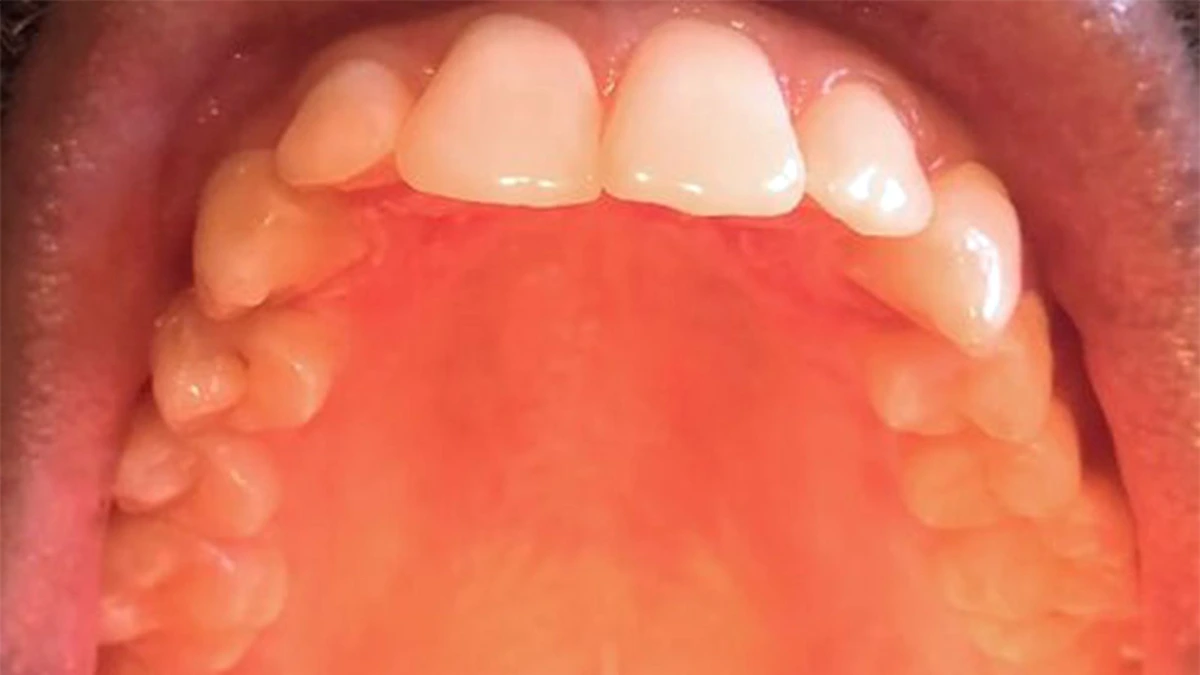
Your mouth’s roof is divided into two distinct sections that serve different functions.
The hard palate is the firm, bony front section. It helps you chew food and separates the mouth cavity from the nasal passages. Burns, cuts, and canker sores most often affect this area.
The soft palate is the flexible, fleshy section at the back. It moves actively every time you swallow, which is why soft palate inflammation directly causes pain during swallowing. Infections, strep throat, and tonsillitis most commonly inflame this region.
| Part of Palate | Location | Common Triggers |
|---|---|---|
| Hard Palate | Front, bony section | Burns, cuts, canker sores, trauma |
| Soft Palate | Back, flexible section | Strep, tonsillitis, viral infections |
Why the Soft Palate Hurts Specifically When Swallowing
Pain that flares only during swallowing is the biggest clue that your soft palate is involved.
Every time you swallow, the soft palate lifts and moves to close off the nasal passage. When the tissue is inflamed or infected, that movement causes a sharp jab of pain. This is why conditions like strep throat and tonsillitis feel so sharp at the back of the roof of the mouth.
If the pain is one-sided or severe, it should be evaluated the same day — it may point to an abscess.
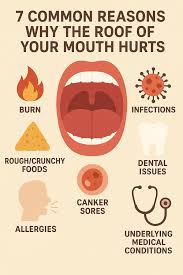
12 Common Causes of a Sore Roof of Mouth When Swallowing
1. Burns From Hot Food and Drinks
Hot pizza, freshly brewed coffee, and steaming soups are the most frequent culprits. The palate tissue is thin and delicate, so it burns faster than most areas of the body.
Mild burns cause tenderness and raw soreness that lasts 3–7 days. In some cases, a blister may form and then burst, leaving a tender raw patch.
How long it lasts: 3 to 7 days with proper care.
2. Canker Sores (Aphthous Ulcers)
Canker sores are small, round ulcers with a white or yellow center and a red border. They appear on the soft tissue inside the mouth, including the hard and soft palate.
They are not contagious. Common triggers include stress, hormonal changes, minor injury, certain foods (acidic or spicy), and immune system changes. Most heal on their own in 7–14 days.
How long it lasts: 1 to 2 weeks without treatment.
3. Strep Throat
Strep throat is a bacterial infection caused by Streptococcus pyogenes. One of its hallmark signs is tiny red spots on the soft or hard palate, called petechiae. These appear along with a rapidly developing sore throat, painful swallowing, and swollen tonsils.
If left untreated, strep throat can lead to serious complications including rheumatic fever. A throat swab and antibiotic course are needed for proper treatment.
Key sign: Rapid onset of throat pain + red spots on the palate.
4. Tonsillitis
Tonsillitis causes swollen, inflamed tonsils that sit right next to the soft palate. Because the tonsils and soft palate share tissue and nerve pathways, inflammation in the tonsils almost always spreads soreness to the back roof of the mouth.
Chronic tonsillitis may flare without fever. People often notice swallowing pain that comes and goes, especially in those with allergies.
Key sign: Swallowing pain + visible pits or swelling in the tonsil area.
5. Oral Thrush (Fungal Infection)
Oral thrush is an overgrowth of Candida albicans yeast. It creates raised white or pale yellow patches on the tongue, palate, and inner cheeks. These patches can bleed when scraped, and they cause soreness and a burning sensation, especially during swallowing.
It is more common in people who wear dentures, use inhaled corticosteroids, have diabetes, or have a weakened immune system. Prescription antifungal medications clear it up effectively.
Key sign: White, creamy patches + soreness + altered taste.
6. Cold Sores (Herpes Simplex Virus)
Cold sores are usually associated with the lips, but the herpes simplex virus can form painful blisters on the hard palate too. These cause tingling, burning, and sharp pain that is especially noticeable when eating or swallowing.
Flare-ups are triggered by stress, fatigue, sun exposure, or a weakened immune system. Antiviral medications like acyclovir can reduce the duration and severity.
Key sign: Tingling sensation followed by fluid-filled blisters.
7. Sinus Infections (Sinusitis)
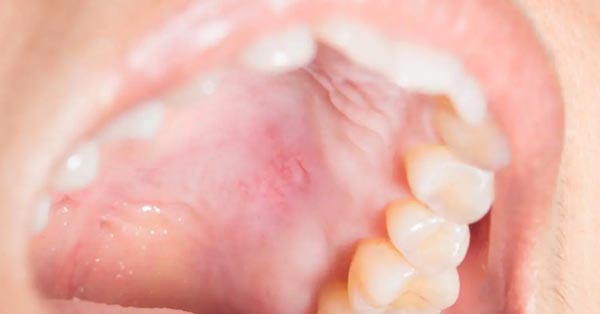
The sinuses sit directly above the hard palate. When infected or blocked, they create downward pressure that causes referred pain in the roof of the mouth. Postnasal drip also irritates the soft palate, causing swallowing discomfort.
Seasonal allergies can trigger similar symptoms through chronic nasal inflammation. Pain usually clears once the sinus infection resolves.
Key sign: Facial pressure + blocked nose + roof-of-mouth pain together.
8. Dental Abscess or Gum Disease
A dental abscess is a pocket of infection near a tooth root or in the surrounding gum tissue. The pain from an upper tooth abscess can radiate upward, making the roof of the mouth feel tender and sore.
Advanced gum disease causes inflammation that can spread beyond the gumline into the palate tissues. Both conditions require prompt dental treatment and should not be ignored.
Key sign: Pain near a specific upper tooth + throbbing ache.
9. Dry Mouth (Xerostomia)
Saliva keeps palate tissues moist and helps fight bacterial buildup. When saliva production drops — from dehydration, medication side effects, or breathing through the mouth — the delicate tissues become irritated, raw, and more vulnerable to sores.
Dry mouth slows down healing of any existing injury and amplifies the sensation of pain. Staying hydrated and managing the underlying cause is the primary fix.
Key sign: Persistent dry, sticky feeling + general palate tenderness.
10. Physical Trauma or Injury
Sharp foods like chips, crackers, and hard bread can scratch or cut the roof of the mouth. Dental appliances like ill-fitting dentures, retainers, or braces can create pressure sores and abrasions on the palate with repeated contact.
These are usually minor injuries that heal in a few days. Avoiding the irritating food or appliance and rinsing with salt water speeds up healing.
Key sign: Pain started after eating something hard or crunchy.
11. Acid Reflux (GERD)
Stomach acid that creeps up into the throat can irritate the soft palate and the back of the mouth. This creates a burning sensation, especially noticeable during swallowing. People with GERD often also notice a sour taste, hoarseness, or a lump-in-throat feeling.
Managing reflux with dietary changes and medication reduces the palate irritation over time.
Key sign: Burning sensation + sour taste + worse after eating.
12. Burning Mouth Syndrome
Burning mouth syndrome causes a constant burning or scalding sensation with no visible sores, blisters, or redness. The tissue looks completely normal. It is more common in women after menopause and in people with low B12 levels or chronic dry mouth.
This condition does not go away without identifying and addressing the root cause. A dentist or doctor can help narrow down what is driving it.
Key sign: Burning feeling with no visible injury or sore.
Symptoms Comparison Table
| Cause | Main Symptom | Pain During Swallowing | Visible Signs |
|---|---|---|---|
| Burn | Raw tenderness | Mild to moderate | Redness, possible blister |
| Canker Sore | Sharp localized pain | Yes | White/yellow ulcer, red border |
| Strep Throat | Rapid sore throat | Severe | Red spots, white patches on tonsils |
| Tonsillitis | Throat soreness | Moderate to severe | Swollen tonsils |
| Oral Thrush | Burning soreness | Yes | White creamy patches |
| Cold Sores | Tingling and burning | Moderate | Fluid-filled blisters |
| Sinus Infection | Pressure + palate ache | Mild | Blocked nose, facial pressure |
| Dental Abscess | Throbbing pain | Yes | Swelling near a tooth |
| Dry Mouth | General irritation | Mild | Dry, sticky tissue |
| GERD | Burning sensation | Yes | None usually |
How to Treat a Sore Roof of Mouth at Home
For minor cases — burns, small canker sores, and mild cuts — several home remedies ease discomfort and speed healing.
Saltwater Rinse
Mix ½ teaspoon of salt in 1 cup of warm water. Swish gently for 15–30 seconds, then spit. Repeat 2–3 times per day, especially after meals. This reduces inflammation, keeps the area clean, and helps with pain.
Cool or Soft Foods
Switching to cool or lukewarm soft foods prevents additional irritation. Good options include yogurt, mashed potatoes, smoothies, oatmeal, and cold water. Avoid spicy, salty, acidic, crunchy, or very hot foods until the area heals.
Over-the-Counter Relief
OTC options like benzocaine oral gel, ibuprofen, or acetaminophen reduce pain and inflammation. Alcohol-free mouthwash helps keep the area clean without stinging.
Hydration
Drinking plenty of water supports saliva production and helps tissue heal faster. This is especially important if dry mouth is contributing to the soreness.
| Home Remedy | Best For | How to Use |
|---|---|---|
| Saltwater rinse | Burns, canker sores, minor cuts | ½ tsp salt in 1 cup warm water, 2–3x/day |
| Cold water / cool foods | Burns | Immediately after burn and during recovery |
| OTC oral gel (benzocaine) | Canker sores, painful sores | Apply directly to sore as directed |
| Ibuprofen / acetaminophen | General palate pain | Follow package dosing |
| Antifungal medication (Rx) | Oral thrush | Prescribed by doctor |
| Antibiotics (Rx) | Strep throat | Prescribed after throat swab |
When to See a Doctor or Dentist
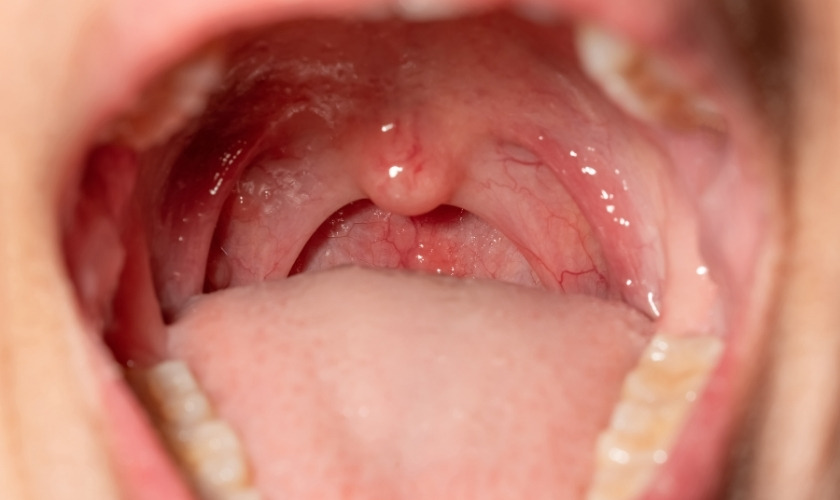
Most minor causes heal on their own within 1–2 weeks. But some symptoms need professional evaluation.
See a doctor or dentist if:
- Pain lasts more than 10–14 days without improvement
- Pain is severe, one-sided, or gets worse instead of better
- Difficulty swallowing liquids or eating at all
- Fever above 38°C (100.4°F)
- Visible swelling, pus, or spreading redness
- White patches that do not scrape off easily (possible thrush)
- Unexplained growths, lumps, or lesions that do not heal
- Pain is accompanied by swollen lymph nodes in the neck
Foods to Avoid and Foods That Help
Foods to Avoid
- Hot soups, coffee, tea, or any steaming beverages
- Chips, crackers, hard bread, or anything with sharp edges
- Spicy foods, hot sauce, and chili
- Acidic foods like citrus fruits, tomatoes, and vinegar-based dressings
- Salty snacks that sting raw tissue
Foods That Help
- Yogurt (cool, smooth, anti-inflammatory)
- Mashed potatoes or soft cooked vegetables
- Oatmeal cooled to lukewarm
- Smoothies and protein shakes
- Cold water and ice chips (not directly on a burn)
- Bananas and soft fruits
Healing Timeline by Cause
Understanding how long each condition takes to heal helps you know when to seek help.
| Condition | Typical Healing Time | Needs Medical Treatment? |
|---|---|---|
| Minor burn | 3–7 days | No (unless severe) |
| Canker sore | 7–14 days | No (unless persistent) |
| Cold sore on palate | 7–10 days | Antiviral can shorten |
| Strep throat | 7–10 days with antibiotics | Yes |
| Oral thrush | 7–14 days with antifungal | Yes |
| Dental abscess | Does not heal alone | Yes — urgent |
| Sinus infection | Varies | Sometimes |
| Burning mouth syndrome | Chronic unless treated | Yes |
Nutritional Deficiencies That Can Cause Palate Soreness
Deficiencies in certain vitamins and minerals make the oral tissues more vulnerable to soreness and slow down healing.
Low Vitamin B12 is linked to burning mouth syndrome and recurring canker sores. Low iron can cause mouth soreness and a burning tongue. Low folate (B9) is another trigger for canker sores and oral inflammation. Low zinc impairs wound healing throughout the body, including the mouth.
If you have recurring palate soreness with no obvious trigger, ask your doctor for a blood panel to check these levels.
Can Stress Cause Roof of Mouth Soreness?
Yes — stress is a well-established trigger for canker sores and can weaken the immune system, making viral infections like cold sores more likely to flare up.
Stress also reduces saliva production, contributing to dry mouth and its associated palate irritation. Managing stress through sleep, exercise, and relaxation techniques can reduce the frequency of stress-triggered mouth sores.
Can Allergies Cause Roof of Mouth Pain?
Oral allergy syndrome causes itching, tingling, and soreness in the mouth — including the palate — after eating certain raw fruits, vegetables, or nuts. This happens when proteins in those foods mimic pollen allergens.
Food sensitivities to ingredients in toothpaste or mouthwash (like sodium lauryl sulfate) can also cause palate irritation and recurring canker sores. Switching to a sensitive-formula dental product often resolves this.
Roof of Mouth Sore After Dental Work
Mild soreness in the palate after dental procedures is completely normal. Local anesthesia injections, dental impressions, or palate-touching procedures can leave the tissue tender for a few days.
This type of soreness resolves on its own within 3–5 days. Rinsing with warm salt water and eating soft foods speeds recovery. If soreness worsens after day 3 or comes with swelling or fever, contact your dentist.
Frequently Asked Questions (FAQs)
Why does the roof of my mouth hurt specifically when I swallow?
The soft palate moves every time you swallow. When it is inflamed from strep throat, tonsillitis, or a viral infection, that movement triggers pain. Severe or one-sided pain should be checked the same day.
How long does a sore roof of mouth usually last?
Minor burns and canker sores heal in 3–14 days. Infections like strep or thrush need treatment and improve within 7–10 days with the right medication. Pain lasting more than 2 weeks needs professional evaluation.
Can a sinus infection cause roof of mouth pain?
Yes. The sinuses sit directly above the palate. Infection or congestion creates downward pressure that is felt as referred pain in the roof of the mouth, often alongside a blocked nose and facial pressure.
Is roof of mouth pain a sign of something serious?
Usually not — most causes are minor and temporary. However, persistent pain, unexplained lumps, or sores that do not heal in 2 weeks should be examined by a doctor to rule out serious conditions.
What is the fastest home remedy for roof of mouth pain?
A warm saltwater rinse (½ tsp salt in 1 cup warm water, used 2–3 times per day) is the most effective and widely recommended home remedy. OTC oral numbing gels provide additional short-term relief.
Can stress cause a sore roof of mouth?
Yes. Stress is a common trigger for canker sores and weakens immune defenses, making viral flare-ups more likely. Managing stress can reduce the frequency of recurrent mouth sores.
Can dry mouth cause palate soreness?
Absolutely. Without adequate saliva, the palate tissues dry out, become irritated, and are more vulnerable to sores and infections. Staying hydrated and addressing the cause of dry mouth helps significantly.
What does oral thrush look like on the roof of the mouth?
Oral thrush appears as raised, creamy white or pale yellow patches on the palate, tongue, and inner cheeks. The patches may bleed when gently scraped and are accompanied by soreness and a changed sense of taste.
Should I go to a dentist or a doctor for roof of mouth pain?
For pain linked to teeth, gums, dental appliances, or visible sores, start with a dentist. For pain that comes with fever, swollen lymph nodes, difficulty swallowing, or widespread throat symptoms, see a doctor or urgent care.
Can acid reflux cause a sore palate?
Yes. Stomach acid that reaches the throat and back of the mouth irritates the soft palate tissues. People with GERD often feel a burning sensation in the back of the mouth, especially after eating or when lying down.
Conclusion
A sore roof of mouth when swallowing is one of the most common oral health complaints — and in most cases, the cause is completely manageable.
Whether it is a minor burn from hot coffee, a canker sore triggered by stress, an infection like strep throat or oral thrush, or a dental issue radiating upward, understanding what is behind the pain puts you in control of your recovery.
For minor causes, a few days of salt water rinses, soft foods, and OTC pain relief is usually all you need.
For infections, nutritional deficiencies, or conditions like burning mouth syndrome, professional treatment gets you better faster and prevents complications from building up.
The key rule is straightforward: if your palate pain lasts more than two weeks, comes with fever or swelling, or shows no signs of improving, do not wait. Schedule an appointment and get an accurate diagnosis.
Early treatment is always easier, faster, and more comfortable than waiting until things get worse.
Take care of your mouth — it works hard for you every single day.