Dry vs Wet Eye Degeneration: Why the Difference Matters
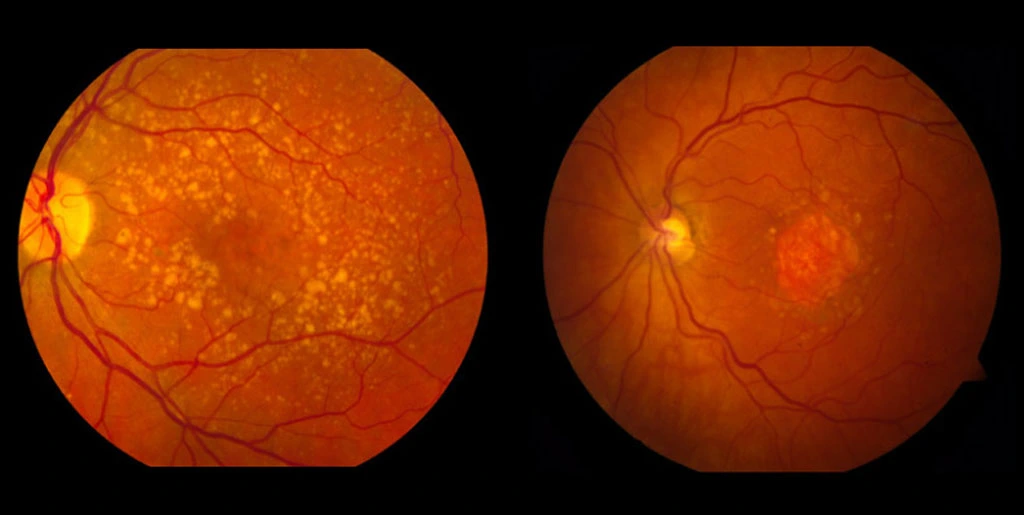
Vision is something many people take for granted until changes start to appear. For some, the first signs may be blurred central vision or difficulty recognising faces. These can be early symptoms of age related macular degeneration, also known as AMD. The condition is more common than many realise, and understanding the different types is important for managing its effects and slowing progression.
At first, the difference between dry and wet macular degeneration may seem like a medical detail. For those affected, however, it plays an important role in treatment decisions, future outlook, and daily life. Knowing which type is present helps guide how the condition is managed, how quickly it may progress, and what treatment options are available.
AMD does not just affect eyesight, it can change how people go about their daily lives. With the right information, early care, and guidance from a professional, it is often possible to maintain independence and functional vision for longer. Understanding the two main types of AMD is an important first step in managing the condition and exploring treatment options that suit each individual situation.
Understanding Dry Eye Degeneration
Dry age-related macular degeneration is by far the most common type, affecting nearly 80 to 90 percent of those diagnosed. It tends to progress slowly, making early changes easy to miss until vision problems become apparent. Yet behind its gradual onset, subtle changes within the retina reveal important information about disease progression.
The buildup beneath the retina
In dry AMD, tiny clumps of protein and waste called drusen begin to accumulate under the macula, the part of the retina responsible for sharp central vision. This disrupts the nourishment of retinal cells from underlying blood vessels. Over the years, these cells weaken and break down, leading to blurred or missing spots in central vision.
While drugs are a hallmark of aging eyes, their accumulation indicates that the eye’s support system is weakening. Doctors often monitor their size and number during eye exams to gauge whether the condition is stable or advancing. Detecting this early can help protect the remaining vision and delay further decline.
The slow loss of detail
One of the challenges of dry AMD is how gradually it develops. People may start to notice they need more light to read or that straight lines no longer look quite right. As it progresses, tasks like recognising faces or focusing on fine details can become harder. Peripheral vision usually remains, so vision does not disappear completely, but the central area that supports most daily tasks can slowly weaken.
Although there’s no cure yet for dry AMD, research focuses on ways to slow its development. Nutritional supplements rich in antioxidants and zinc have shown promise in supporting retinal health. Eye care professionals also recommend monitoring for changes that might indicate a transition to the more aggressive wet form.
A condition that demands patience
Living with dry AMD often means adapting to subtle but frustrating changes. Large-print materials, magnifying devices, and improved lighting at home make everyday tasks easier. Emotional support from family and patient communities also helps maintain confidence during adjustments. Because dry AMD advances slowly, consistent follow-up care can help preserve as much vision as possible.
Understanding Wet Eye Degeneration
Wet AMD, while less common, poses a much greater threat to central vision. It can develop suddenly, often as an advanced stage of dry AMD, and the effects can be swift and severe. The term “wet” refers to abnormal blood vessels growing beneath the retina, leaking fluid or blood that disrupts the macula’s structure.
When vessels break the barrier
The retina is designed to be stable and delicately balanced, but in wet AMD, new blood vessels form abnormally. These fragile vessels leak, causing swelling and scarring that rapidly blurs vision. People with wet AMD often notice straight lines appearing wavy or dark spots obstructing central vision.
This stage of degeneration needs urgent attention. Left untreated, the damage can progress quickly, often within weeks or months. Thankfully, early detection and medical advances have introduced treatments that can halt or partially reverse some vision loss.
Modern solutions offering hope
One of the most effective approaches for wet AMD involves medications known as anti VEGF injections. These treatments target the proteins that trigger abnormal vessel growth. By reducing leakage and swelling, they help the macula regain stability and maintain clarity. Although ongoing, the injections often save vision that would otherwise be lost.
Laser therapy and photodynamic treatments have also been used in some cases to seal leaky blood vessels, although they’re less common today. Regular monitoring and collaboration with an eye specialist ensure that changes in vision are detected early, allowing timely adjustment of therapy plans.
Understanding the urgency
Wet AMD can be particularly difficult because of how quickly it can affect everyday activities. Simple tasks like reading, driving, or pouring a drink may suddenly become harder. Early treatment plays an important role, as starting care sooner can help improve outcomes. Paying attention to sudden changes in vision and keeping up with regular eye checkups are important steps in protecting long term sight.
Why This Difference Truly Matters
Though dry and wet AMD share a name, their nature and pace set them apart in meaningful ways. Dry AMD slowly weakens the foundation of central vision, often over years, while wet AMD develops quickly and can cause sudden central vision loss. Recognizing which type is present shapes every medical decision, from monitoring routines to the best AMD treatment plan available.
Understanding these distinctions empowers people to act sooner, ask better questions, and trust the process of care. Whether someone faces the slow fade of dry degeneration or the urgent threat of wet AMD, modern medicine offers tools and strategies to safeguard vision longer than ever before.
In the end, understanding the difference matters because it affects how vision is protected and how daily life continues. Taking an informed approach, supported by regular eye exams, healthy habits, and timely treatment, helps replace uncertainty with clear steps and more manageable care.