Understanding Options When Hip Pain Stops You From Living Fully
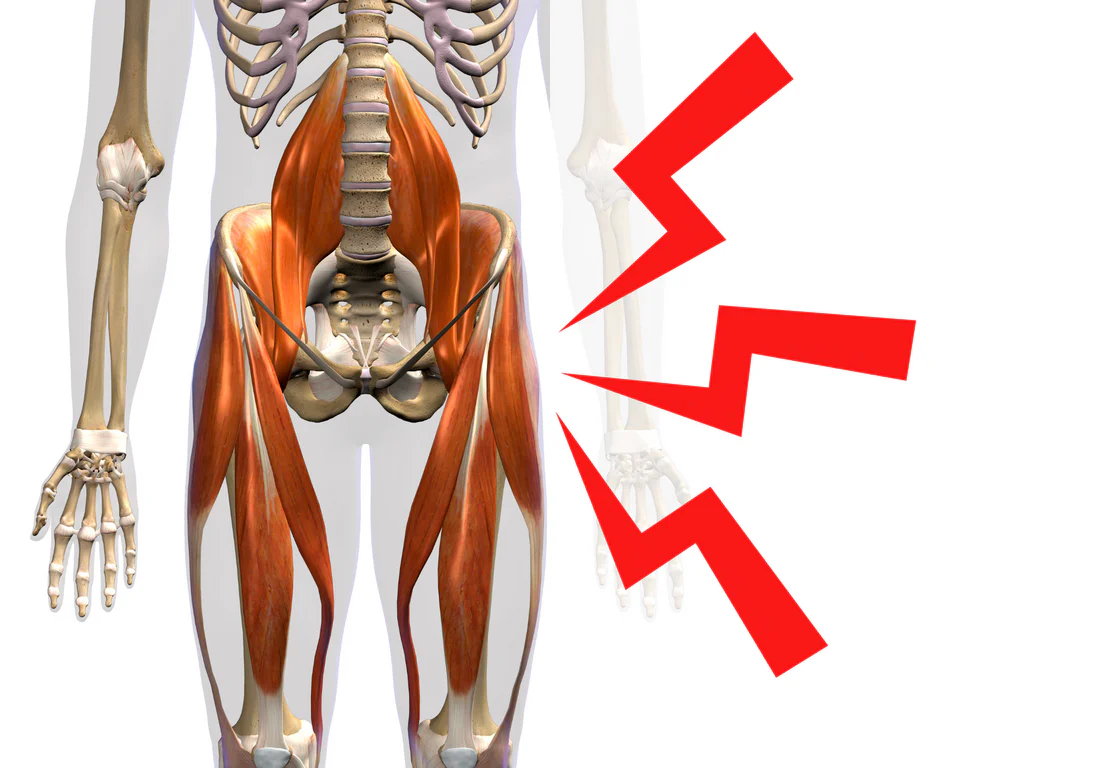
There are moments in life when simple movements, like getting out of bed or walking to the kitchen, start to feel different. What used to be effortless now comes with stiffness, discomfort, or pain. Over time, those twinges may grow stronger, turning daily tasks into quiet struggles.
For many people, hip pain affects more than movement alone. It can quietly change daily routines, make work more tiring, and turn exercise into something that feels out of reach. Over time, social plans may be put aside, and independence can feel limited, impacting overall enjoyment of daily life.
Understanding what causes hip pain and knowing the available treatment options can be an important first step toward feeling better in everyday life. Some people may consider treatments like total hip replacement surgery, while others improve with simpler, less invasive care. What matters is knowing that options exist and that daily movement and comfort can improve.
When Hip Pain Becomes Too Much
Hip pain doesn’t always arrive suddenly. It often builds quietly over time. It starts with mild discomfort after long walks, then grows into a dull ache that persists day and night. Sometimes, the pain seems to originate from the groin, thigh, or even the lower back, making it difficult to locate initially. When the pain becomes constant or begins to limit movement, it signals that an underlying issue may be affecting the joint.
The wear and tear of time
For many adults, the leading cause of hip pain is osteoarthritis, a condition where cartilage in the hip joint gradually degenerates. This natural cushion acts as a smooth layer that allows the bones to move easily. As it thins, the hip bones rub against each other, creating friction and inflammation. Each step can start to feel rough and abrasive. What used to be an easy stroll can turn into a careful, deliberate walk.
The effects of osteoarthritis reach beyond physical pain. People often notice changes in mood, energy, and sleep. The frustration of not being able to move freely can bring a sense of helplessness, especially for those who once lived active lives. Recognizing that this cartilage degeneration is a progressive process helps set realistic expectations about care and healing.
Past injuries that never healed right
Sometimes, hip pain stems from a previous injury that never fully recovered. A fall, a car accident, or even minor trauma from years ago can cause lasting damage. Scar tissue, small fractures, or misalignment in the hip joint can put ongoing pressure on supporting muscles and tendons. Over time, this imbalance leads to chronic discomfort.
Old injuries may not seem significant at first, but they can quietly affect the way a person walks or stands. Over time, sometimes across months or even years, these changes can place added strain on the hip, lower back, and knees. This is why many specialists take time to understand a person’s full medical history, as pain that feels new may actually be connected to an issue from long ago.
Hidden conditions that affect the hip
Some people experience hip pain because of conditions that don’t originate in the joint itself. Problems with blood flow, such as avascular necrosis, can damage bone tissue when part of the femur loses its supply of oxygen and nutrients. In other cases, inflammatory diseases like rheumatoid arthritis cause the immune system to attack the joint lining, leading to pain and stiffness.
Lifestyle factors can also play a role. Carrying extra weight, poor posture, and limited physical activity can place added strain on the hips. Understanding these underlying causes is important for effective treatment, as it allows doctors and patients to work together toward more lasting relief.
Finding Relief and Regaining Freedom
Once the source of pain is identified, there are many ways to relieve discomfort and support recovery. The path forward depends on the cause and the severity of the damage, but most treatment plans start with gradual steps and progress as needed.
Starting with conservative treatments
For many, early treatment focuses on reducing pain without surgery. Physical therapy plays a vital role in rebuilding strength and flexibility. A guided exercise plan helps restore hip balance and alignment, taking pressure off the joint. Heat therapy, anti-inflammatory medication, and gentle stretching can all ease discomfort.
Some patients also benefit from lifestyle changes. Simple adjustments like wearing supportive shoes, losing excess weight, or switching to low impact activities such as swimming or cycling, can reduce joint pressure. Even gradual improvements can make a noticeable difference in daily life. These conservative methods give the body a chance to heal naturally while enhancing mobility.
Exploring more advanced options
When pain persists despite months of therapy and medication, doctors may suggest more advanced treatments. Injections such as corticosteroids or newer regenerative methods, can reduce inflammation and support healing. These procedures often provide short term relief, helping patients return to normal activities more comfortably.
Still, if the joint is severely damaged and movement becomes limited despite all efforts, surgery may be the best path forward. This is where modern hip replacement surgery comes into consideration. It involves removing the damaged parts of the hip joint and replacing them with artificial components designed to replicate natural movement. For many, this procedure restores mobility, significantly reduces pain, and allows them to rediscover the freedom they thought was lost.
Life after treatment
Recovery takes patience, but success stories are common. With proper rehabilitation, many patients return to walking, swimming, and even light jogging. What matters most is maintaining regular routines and following medical advice closely. Physical therapy continues to play a crucial role, strengthening muscles and teaching the body how to move efficiently again.
Emotionally, the change can be just as powerful. The ability to move without fear of pain brings confidence, independence, and a better quality of life. For some, it feels like regaining a new lease on life after years of silent struggle.
Moving Forward with Hope
Hip pain can slowly affect daily life, but it does not have to take control of it. Understanding what is causing the discomfort helps make treatment decisions clearer, whether that involves managing symptoms through exercise and therapy or considering surgical options. With today’s treatment approaches being safer and more effective, many people are able to improve movement and return to a more comfortable, active life.
No one should have to live with constant pain or feel limited by their body. Seeking professional advice, learning about available treatment options, and taking small steps toward recovery can make a meaningful difference. With the right support, comfort can improve and daily activities can become easier to manage again.