Smart Financing for Heritage Home Renovations in Australia
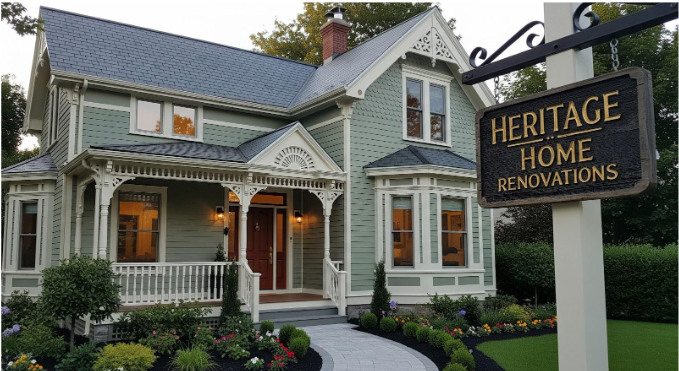
The purchase of a heritage home in Australia is a dream of many. It could be a sandstone cottage or a classic terrace but you are not just purchasing a house, you are purchasing history. Yet such history often comes with draughty windows, rising damp and a very costly to-do list.
The challenge is fixing these issues without destroying your finances. Most individuals get into the trap of spending too much or getting into bad debt.
The good news? You don’t have to decide between a beautiful house and a healthy bank account. This is the clever, stress free method to finance your heritage restoration.
Government Heritage Grants and Council Funding Opportunities
Seek government financing before you touch your savings or even speak to a bank. Australia is eager to preserve its history, and there are funds with the sole purpose of assisting you in it.
Check State Grants: The Victorian Heritage Restoration Fund (VHRF) is an excellent resource in Victoria.
Know What is Under It: These grants tend to be concerned with what the people can observe. Think of things like:
- Repairing a heritage fence.
- Fixing a crumbling verandah.
- Painting facade in original heritage colours.
Ask Your Council: Local councils usually have their small heritage funds. You may also add these to state grants to make twice as much.
A grant will not finance your new kitchen but may finance the structural work which nobody is really willing to finance.
Leveraging Home Equity and Construction Loans for Heritage Restoration
The majority of the population finances renovations by topping up their home loan. This is okay, however, it can be done more intelligently to save on the interest.
A construction loan or a split loan can be used instead of adding more to your enormous loan balance.
Construction Loan: You will not pay interest on the entire amount, but only on the amount you have actually paid to the builder.
The Offset Strategy: In case you have some cash savings for the renovation, deposit it in the mortgage offset account until the last moment when you have a bill to pay. The more days money is in your offset account, the less your interest bill is. It is a little trick which can help regulate the cash flow and ensures you pay the mortgage quicker during the course of your loan.
Understanding the True Cost of Heritage Restoration Specialists
Underestimation of costs is one of the greatest errors that renovators commit. A normal renovation calculator cannot be used on a heritage home.
Why? Since you cannot simply get a general handyman. You require craftsmen who understand how to deal with materials that are a century old.
Slate roofs restoration, tuckpointing of brickwork or repair of leadlight windows need special tradesmen. For large-scale projects like Victorian home renovations Melbourne, the costs can be particularly high due to strict city regulations and the premium for heritage specialists.
When you plan a typical renovation but you are charged heritage rates, you will soon run out of money. Adjust your budget on these heritage premiums always.
Phased Renovation Strategy to Protect Financial Freedom
In case you want to secure your financial freedom, do not attempt to do everything simultaneously. The reality TV approach to overhauling an entire house within 6 weeks is a formula that leads to more financial problems.
Rather, attempt a gradual process:
- Phase 1 (The Boring Stuff): Repair the roof, the stumps and the damp. These secure your investment.
- Phase 2 (The Living Areas): Renovate the kitchen or bathroom after one year.
- Phase 3 (The Pretty Stuff): Cosmetic additions and landscaping.
The next stage can be saved by waiting 12-24 months between phases, which saves up cash. This prevents you from sinking in a huge loan within a short time.
Tax Benefits and Long-Term ROI on Heritage Property Investments
Lastly, manage your house as an investment. Keep every single receipt.
- Capital Gains Tax (CGT): When you finally sell the house, the amount you have spent on the improvement will be included in the cost base of the house. This will save you thousands in taxation in the future.
- Depreciation: Once you choose to lease the property, a quantity surveyor can draw you a depreciation schedule of the renovations which is an excellent tax deduction.
Summary
The process of restoring a heritage home is an endeavoring process, however, it is not supposed to be a financial burden.
- Seek grants prior to borrowing.
- Use offset accounts in order to save on interest.
- Be realistic regarding high labour costs.
- Renovate at a slow pace.
These steps will help you to revive an old treasure without losing your future liberty.