What Should Families Know About Seniors Fall Alert Technology?
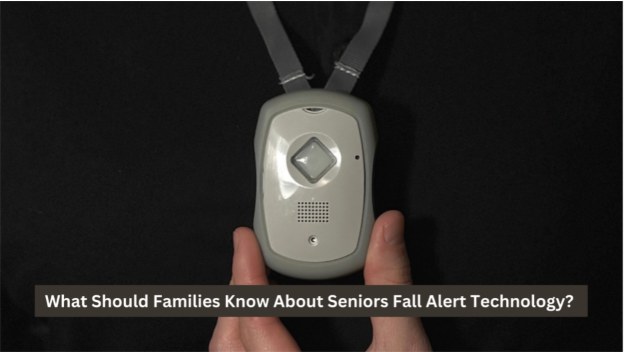
Falls tend to occur unexpectedly, but their consequences impact daily life for months. You might worry about an aging parent living alone, especially if a missed call or delayed answer causes concern. Meanwhile, consistent check-ins can not be a guarantee of safety for every moment, and the uncertainty results in ongoing stress for families.
Therefore, many households are now exploring senior fall alert technology to ensure that help is provided to loved ones quickly in case of accidents. However, knowing how these systems work and which features are actually important can be an overwhelming task at first.
This article explains what families should understand about fall alert technology and how it helps promote safer and more confident independent living.
1. How Fall Alert Systems Actually Work
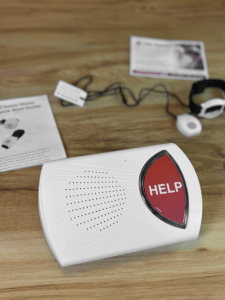
A modern seniors fall alert system utilizes wearable technology that is designed to detect sudden movement patterns, which are indicative of a fall. Generally worn as a pendant or even on the wrist, it will monitor motion continuously and also give an alert if it detects a hard impact or a rapid change in position.
Importantly, many systems connect the wearer to a 24*7 monitoring center. Once triggered, trained responders communicate through the device to ensure safety and call for emergency services or family members if necessary.
Additionally, most devices have a manual help button. Therefore, even if the fall detection is not activated, help is still one press away.
Families need to realize that these systems are designed to minimize response time. Faster assistance reduces medical risk, minimizes recovery delays, and improves the consequences of a fall.
2. In-Home vs Mobile Systems: Choosing the Right Coverage
Next, families must choose between in-home alert systems and mobile alert systems. Each caters to different lifestyle needs.
In-home systems work via a base system that is connected to a landline or cellular service. These devices work best for seniors who spend most of their time inside or near the home.
However, mobile systems provide the addition of GPS tracking and cellular communication, which enables protection outside the home. This option is appropriate for active seniors who walk, shop, travel, or participate in social activities regularly.
Therefore, the choice is based on lifestyle patterns rather than just age. If everyday routines involve outdoor activities, then having mobile coverage becomes a necessity.
Selecting the right coverage ensures safety without unnecessarily restricting independence.
3. Automatic Fall Detection vs Manual Alerts
The question that is frequently raised by families is whether they need automatic fall detection. The response varies depending on health conditions and the degree of mobility.
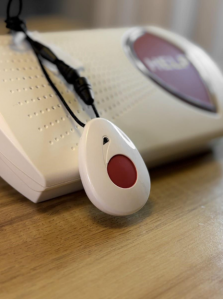
That said, the manual alert systems involve the use of a help button. Although they are dependable, they require the individual to be awake and physically fit to use the equipment once they fall.
On the other hand, automatic fall detection involves the use of sensors that can detect patterns of a fall and transmit alerts without the need for a user to act on them. This feature becomes crucial if the person is disoriented, injured, or unconscious.
However, families should understand that fall detection technology is highly advanced but not perfect. In some cases, an alert may be triggered by sudden or even movements.
Nevertheless, automatic detection accompanied by manual alerts is the most effective in terms of security and serenity.
4. Comfort, Wearability, and Daily Use Matter
Technology is only helpful if it is worn consistently. Therefore, comfort and convenience are as important as safety features.
Devices now are more lightweight and less noticeable than in the past. Pendants, wristbands, and clip-on options give seniors the opportunity to select based on what feels natural to wear during the course of a day.
In addition, water-resistant designs ensure that devices can be worn when showering, which is among the most frequent places for falls to occur.
The battery life also plays a major role. Systems with long battery life and automatic reminders cause less stress for seniors and caregivers in maintaining them.
5. Monitoring Support and Emergency Response Quality
Technology alone can not handle emergencies; human response completes the system. Therefore, it is important for families to know how monitoring services work.
When an alert is raised, monitoring staff communicate directly through the device to help assess the situation. If there is no response or help is requested, emergency services or family members are notified immediately.
In addition, many of the services enable families to personalize response plans. For example, responders can reach out to nearby relatives first or call the neighbors before calling emergency teams.
Response speed and professionalism have a major impact on outcomes following a fall. Quick communication tends to prevent minor injuries from developing into a serious medical complication.
Consequently, families should consider monitoring quality just as carefully as device features.
Conclusion
Falls remain one of the most common health risks for older adults, yet timely assistance can significantly reduce long-term consequences. Therefore, understanding how fall alert technology works helps families make proactive decisions instead of reacting after an emergency occurs.
By focusing on lifestyle needs, device comfort, monitoring quality, and response speed, you can choose solutions that truly support safety without restricting independence. At the same time, the right technology offers reassurance to families while allowing seniors to maintain control over their daily lives.
Ultimately, fall alert systems serve as a practical bridge between independence and protection, ensuring that help is always within reach while confidence and freedom remain part of everyday living.