Why Are Samoans So Strong? Cultural and Genetic Factors 2026
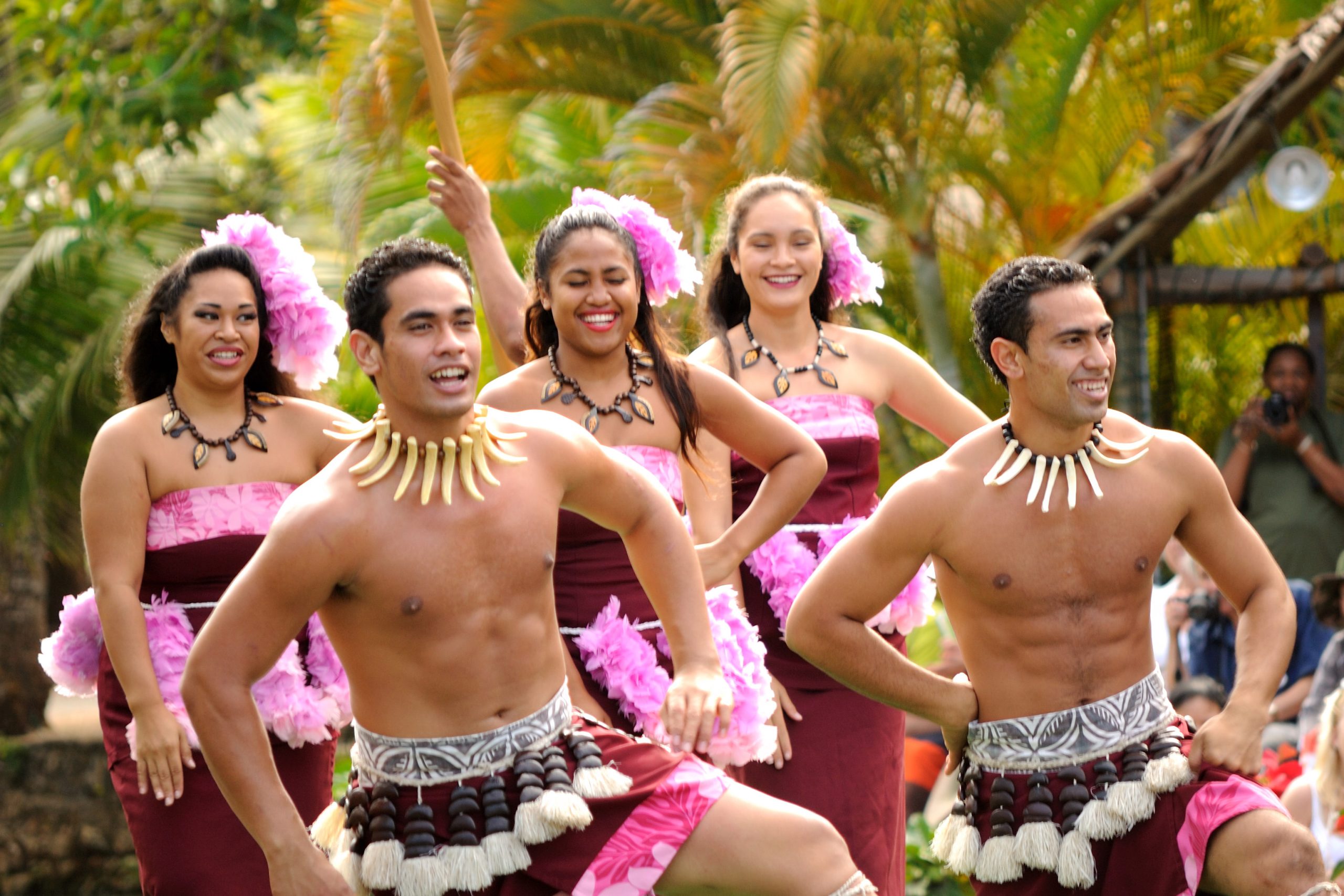
Why are Samoans so strong is one of the most searched questions about Pacific Islander peoples — and the answer goes far deeper than muscle alone. Samoan strength is not a coincidence, a stereotype, or a single biological quirk.
It is the product of thousands of years of evolutionary pressure, a culture built on physical service, a traditional diet engineered for sustained output, and a sporting identity that channels all of the above into elite performance.
The Big Picture: Three Pillars of Samoan Strength

Samoan strength comes from three forces working together, not one alone.
The first is genetics — a biological inheritance shaped by 3,500 years of Pacific ocean voyaging that selected for larger frames, efficient energy storage, natural muscle mass, and denser bones.
The second is culture — a way of life called Fa’a Samoa that has always treated physical strength not as vanity but as a moral requirement, through the value of tautua (service) to family and community.
The third is nutrition — a traditional diet built on complex carbohydrates, high-quality protein, and healthy fats that fueled sustained physical work across generations.
Remove any one of these pillars and the story is incomplete. Together, they explain why Samoans are so strong in a way that no single-factor explanation ever can.
Genetic Factors: The Science of Samoan Strength
The Polynesian Ancestors and Evolutionary Pressure
The ancestors of Samoan people were among the greatest maritime navigators in human history. Beginning approximately 3,500 years ago, the Lapita maritime culture spread across the Pacific in outrigger canoes, covering thousands of kilometers across the world’s largest ocean.
These voyages were among the most physically and metabolically demanding undertakings in human history. Days and weeks at sea with limited food and freshwater meant that only those whose bodies could store energy efficiently, build and retain muscle under physical stress, and endure prolonged exertion were likely to survive and reproduce.
Natural selection, operating over dozens of generations of voyaging, gradually embedded these traits into the Polynesian genetic profile. The result was a physiology built for strength, endurance, and energy conservation — a larger skeletal frame, higher baseline muscle mass, and a metabolism oriented toward efficient energy storage.
The CREBRF Gene: The “Thrifty Gene” Discovery
The most significant scientific finding in understanding Samoan body composition is the discovery of a variant in the CREBRF gene (cyclic AMP-response element-binding protein 3 regulatory factor), located on chromosome 5.
In 2016, researchers from Brown University published a landmark study in Nature Genetics, drawing on genome data from more than 5,000 Samoan individuals. They identified a specific variant called Arg457Gln (rs373863828) that occurs in approximately 26% of the Samoan population studied — a remarkably high frequency for any genetic variant with such significant effects on body mass.
This variant is extremely rare in European and African populations. It is found almost exclusively in indigenous peoples of the Pacific Islands, including Samoans, Māori, and other Polynesian groups.
The CREBRF variant promotes highly efficient energy storage. During the era of long Pacific voyages, this was a survival advantage — the ability to store more energy per calorie consumed helped ancestors survive periods of food scarcity at sea. Those carrying the variant were more likely to survive, more likely to reproduce, and more likely to pass the trait to future generations.
CREBRF, Myostatin, and Muscle Growth
Research published in peer-reviewed journals has since connected the CREBRF variant to another crucial mechanism: lower levels of myostatin.
Myostatin is a protein that the body produces to limit muscle growth. It acts as a biological brake on how much muscle a person can develop. Lower myostatin levels remove more of that brake — allowing greater muscle development relative to training input.
A study published in the journal Bone found that the CREBRF rs373863828 A-allele was associated with significantly lower circulating levels of myostatin in males of Māori and Pacific descent. Mouse model experiments supported this finding, with knockin mice showing increased grip strength and lower myostatin levels as they aged.
This means the CREBRF variant may act through a double mechanism: promoting efficient energy storage on one side and reducing the hormonal brake on muscle growth on the other. The combination, in a person who is physically active, produces exceptional natural muscle development.
Research from the University of Auckland studying 244 young men of Polynesian ancestry found a trend toward increased lean mass in the lower limbs among carriers of the variant, along with a significant association with peak isometric knee flexion torque — a direct measure of functional strength.
Higher Bone Density
Higher average bone density is another documented feature of Polynesian physiology. Denser bones provide larger attachment surfaces for muscles, structurally support greater muscle mass, and contribute to the large-framed physical appearance characteristic of many Samoan individuals.
This is an important point when interpreting body composition data. Studies have noted that conventional BMI cutoffs developed for European populations overestimate obesity risk in Polynesians, because a significant portion of their higher body mass is lean muscle and bone rather than adipose tissue.
A Samoan individual classified as overweight by standard BMI may have a body composition that includes substantially more lean mass than an equivalently-sized European individual. The scale does not distinguish between bone, muscle, and fat.
Fast-Twitch Muscle Fiber Composition
Emerging research and observational data suggest that Pacific Islander populations may have a higher proportion of Type II (fast-twitch) muscle fibers compared to other ethnic groups. Fast-twitch fibers are the primary drivers of explosive strength and power — the qualities that dominate in sports like rugby, American football, and weightlifting.
A study from the University of Auckland noted a trend toward higher Type IIB fiber percentage in the tibialis anterior muscle of Polynesian men carrying the CREBRF variant. While the science here is still developing and sample sizes have been small, the pattern is consistent with observed athletic performance across Polynesian populations.
Summary of Key Genetic Factors
| Genetic Factor | Effect | Research Source |
|---|---|---|
| CREBRF variant (Arg457Gln) | Efficient energy storage; present in ~26% of Samoans | Brown University, Nature Genetics, 2016 |
| Lower myostatin expression | Reduced brake on muscle growth; greater natural muscle mass | ScienceDirect / medRxiv, 2021–2022 |
| Higher bone density | Larger muscle attachment points; greater structural strength | Multiple population studies |
| Higher Type II muscle fiber ratio | Increased explosive power and strength capacity | University of Auckland studies |
| Larger skeletal frame | Greater absolute muscle cross-sectional area | American Journal of Physical Anthropology |
Cultural Factors: Fa’a Samoa and the Strength Imperative
What Is Fa’a Samoa?
Fa’a Samoa means “the Samoan Way.” It is the traditional cultural framework that governs Samoan social life, values, and obligations. It is not a set of rules written down in a book — it is a living system of relationships, responsibilities, and duties that shapes how Samoans understand themselves and their place in the world.
Physical strength in Fa’a Samoa has never been valued for its own sake. It is valued because it enables tautua — service. And service is everything.
Tautua: Service as the Core Value
Tautua means service in the Samoan language. In Fa’a Samoa, service to the ‘aiga (extended family), the village, and the church is not optional. It is the primary expression of one’s worth, identity, and standing in the community.
In traditional Samoan life, tautua was intensely physical. Clearing land, building communal structures (fale), fishing, farming, preparing large feasts in the traditional earth oven (umu), carrying supplies, and maintaining village infrastructure were all forms of tautua.
Samoan culture did not produce strong people by telling them to be strong. It produced strong people because its values, social structure, and daily life required sustained physical contribution as the price of belonging.
The Umu and Physical Labor as Daily Life
Preparing the umu — the traditional underground earth oven used for cooking large communal meals — is one of the most physically demanding regular tasks in traditional Samoan village life.
It requires hauling heavy volcanic rocks, chopping large quantities of firewood, building and tending the fire, lifting and arranging heavy layers of food wrapped in banana leaves, and digging. This is not a weekend activity. In traditional Samoan communities, the umu is prepared regularly for family and village feasts.
The cumulative physical demand of these tasks — repeated across a lifetime — develops the kind of functional full-body strength that no gym program perfectly replicates.
Childhood Labor and Functional Strength Development
Samoan children begin participating in household and community physical labor at very young ages. Boys often begin helping with construction, farming, fishing, and carrying tasks from age eight or younger.
This early engagement with real-world physical work builds grip strength, functional pulling and pushing strength, cardiovascular stamina, and body awareness long before any formal athletic training begins.
This stands in contrast to the typical Western model of structured youth sports beginning at age six or seven. Samoan children often develop a broad base of functional physical strength through daily life before they ever play competitive sport.
The Matai System and Physical Aspiration
The matai is the head of the Samoan extended family. The matai title is a position of enormous cultural prestige, and earning it requires demonstrating years of diligent physical and ceremonial service to the family and village.
Men who aspire to the status of matai must first prove themselves through sustained tautua. Physical capability — the ability to work hard, carry heavy loads, endure long days, and provide for others — is one of the primary markers of worthiness for leadership.
This creates a cultural incentive structure where physical strength is associated with social mobility, respect, and aspiration. Young men grow up in a world where being physically capable and hardworking is the path to becoming a respected elder.
The Tatau: Spiritual and Physical Endurance
The Samoan tatau (traditional tattoo) is a rite of passage of enormous cultural significance. The pe’a — the traditional male tatau covering the torso from the waist to the knees — takes weeks to complete using traditional hand-tapping techniques.
The process is intensely painful and physically demanding. Enduring it without complaint is a demonstration of spiritual and physical fortitude that earns deep respect in Samoan society. Those who abandon the process mid-completion face lasting shame.
The tatau is not just an aesthetic tradition. It is a test of mental and physical resilience that reinforces the Samoan cultural value of strength through endurance.
Samoan Dance as Physical Training
Traditional Samoan dances — including the siva tau (war dance), the fa’ataupati (slap dance), and the sasa (group performance dance) — require explosive power, coordination, endurance, and full-body engagement.
The fa’ataupati in particular involves rhythmic slapping of the body with rapid, explosive movement that demands fast-twitch muscle activation and cardiovascular fitness. These dances are performed at community events, church functions, and ceremonies from early childhood.
Children who grow up participating in these dances are receiving what amounts to a form of plyometric and calisthenics training — without ever setting foot in a gym.
Nutrition: The Traditional Samoan Diet
What Samoans Traditionally Ate
The traditional Samoan diet was built around foods that supported sustained physical labor without caloric excess or nutritional deficiency.
| Traditional Food | Nutritional Contribution |
|---|---|
| Taro (talo) | Complex carbohydrates, fiber, Vitamin C, potassium, magnesium |
| Breadfruit (ulu) | Sustained energy, fiber, vitamins B and C |
| Fresh fish and seafood | Lean protein, omega-3 fatty acids, Vitamin D, iodine |
| Coconut (in cooking) | Medium-chain fatty acids for quick energy; electrolytes |
| Taro leaves (lu’au) | Iron, calcium, Vitamin A, folate |
| Pork | Complete protein, B vitamins, zinc for muscle repair |
| Papaya, banana, pineapple | Vitamins A and C, potassium, natural sugars |
This diet provided the complete nutritional profile for muscle development, bone density, sustained energy across long workdays, and effective recovery — all without the caloric excess of the modern food environment.
How the Diet Supported Physical Development
Complex carbohydrates from taro and breadfruit provide slow-releasing energy that sustains physical work across full days without blood sugar crashes. This is the ideal fuel source for the kind of sustained manual labor that defined traditional Samoan life.
High-quality protein from fresh fish and seafood supported muscle protein synthesis — the process by which muscle tissue is built and repaired after physical exertion. Regular protein intake from diverse marine sources is one of the most nutritionally complete protein profiles available.
Healthy fats from coconut and fish supported hormone production, including testosterone and growth hormone — both directly involved in muscle development and physical strength.
The Modern Diet Shift
The traditional diet began to change significantly in the 20th century as a result of colonization, economic dependency on imported goods, and the global proliferation of cheap processed foods.
Taro, breadfruit, and fresh fish were increasingly displaced by white rice, canned meats, refined flour products, and sugar-heavy beverages. This shift dramatically increased caloric intake while reducing nutritional density.
The CREBRF thrifty gene variant — so effective at storing energy during periods of scarcity — became a liability when paired with a calorie-dense, nutrient-poor modern diet. The result has been high rates of obesity and metabolic disease in Samoa and Samoan diaspora communities.
This is the same genetics. The same body. A different food environment. The strength is still there — but it is now fighting against a diet it was never designed to handle.
Athletic Achievement: Samoans in Elite Sport
NFL Representation
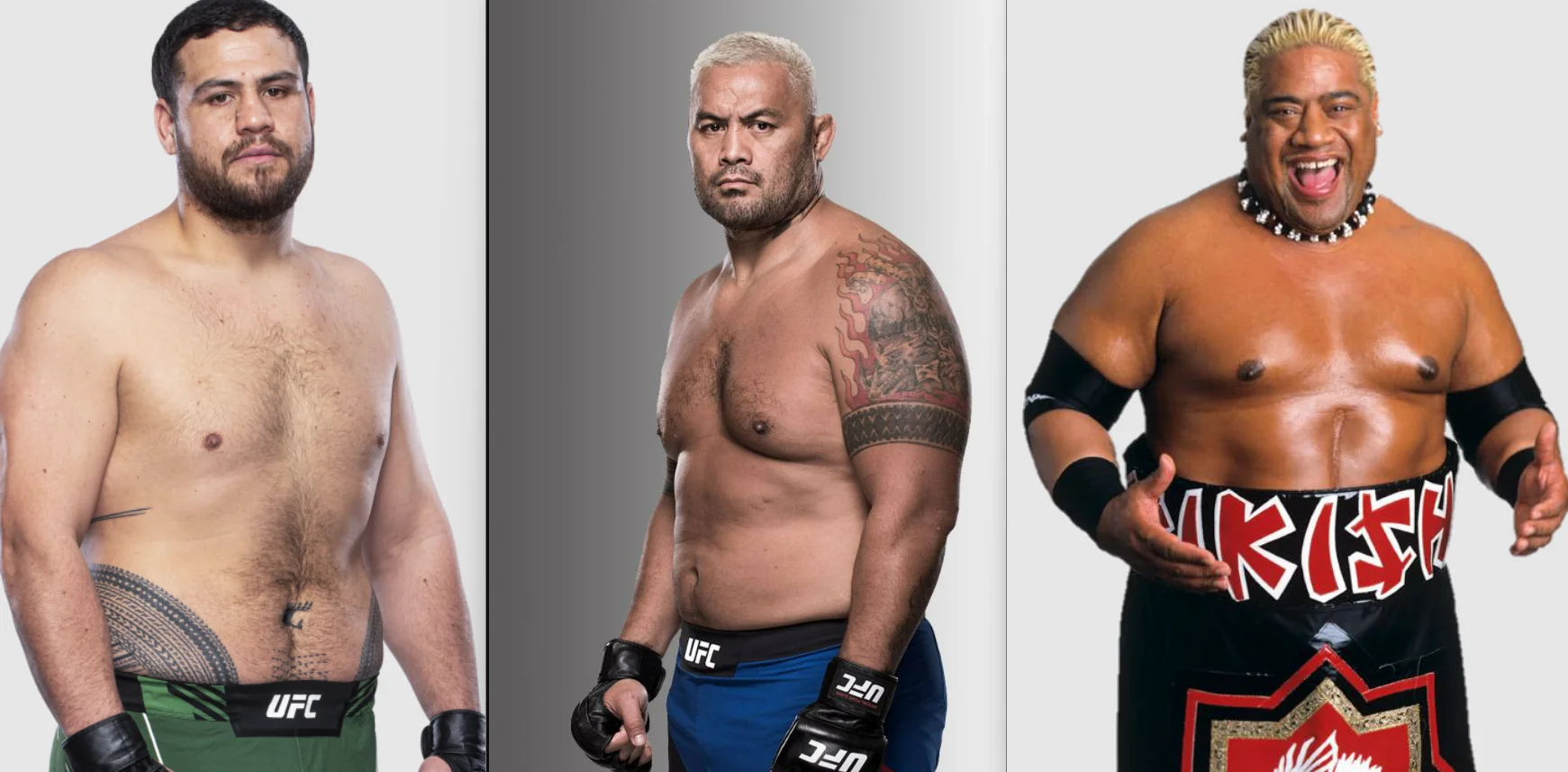
The most striking statistical evidence of Samoan physical gifts comes from American football. Samoans are estimated to be up to 56 times more likely to play in the National Football League than non-Samoan Americans.
Samoa — a nation with a total population of just over 200,000 people — produces NFL players at a per-capita rate that no country on earth comes close to matching. This is not a matter of chance or selection bias. It reflects a genuine physical baseline that makes Samoan-heritage athletes exceptionally suited to the demands of elite contact sport.
Rugby Dominance
In rugby union and rugby league, Samoan and Polynesian athletes are similarly overrepresented at the highest levels globally. The Manu Samoa team regularly competes at Rugby World Cup level, and Samoan-heritage players fill rosters across the English Premiership, the French Top 14, the NRL, and Super Rugby.
Rugby’s demands — explosive power, upper-body strength, tackling, carrying, and endurance — map almost perfectly onto the physical profile that Samoan genetics and cultural conditioning produce.
Wrestling and Strength Sports
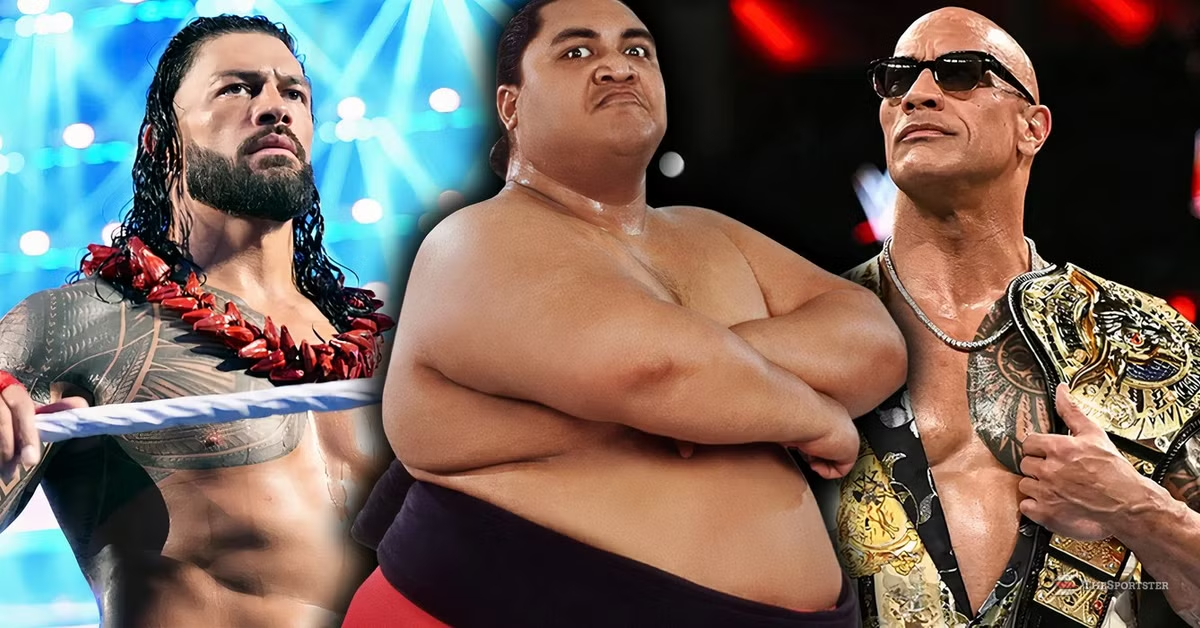
Professional wrestling has long featured Samoan athletes at its highest levels, reflecting the combination of size, strength, and performance presence that the culture and genetics combine to produce.
In Olympic weightlifting, Ele Opeloge became the first Samoan Olympic medalist at the 2008 Beijing Games. Samoan and Polynesian athletes continue to appear consistently in the sport’s elite tiers.
Notable Samoan Athletes Across Sports
| Athlete | Sport | Achievement |
|---|---|---|
| Troy Polamalu | NFL (Safety) | Pro Football Hall of Fame; 8x Pro Bowl |
| Junior Seau | NFL (Linebacker) | Pro Football Hall of Fame; 12x Pro Bowl |
| Manu Tuilagi | Rugby Union | England international; Premiership champion |
| Alesana Tuilagi | Rugby League | Super League standout; powerful winger |
| Ele Opeloge | Olympic Weightlifting | First Samoan Olympic medalist, Beijing 2008 |
| Roman Reigns | Professional Wrestling | Multiple world championship reigns |
| Dwayne “The Rock” Johnson | Entertainment/Football | Former NFL prospect; Samoan heritage |
Why Sport Amplifies the Physical Baseline
Sport does not create Samoan strength from nothing. It directs and amplifies a physical baseline that already exists.
When a Samoan youth who has grown up doing physical labor, participating in traditional dance, and being raised in a culture that valorizes strength enters a structured athletic program — rugby academy, football program, weightlifting club — the results can be extraordinary.
The structured training adds to a foundation that is already there. Other populations may have the training without the foundation. Samoans often have the foundation before the training begins.
The Mental and Spiritual Dimension of Strength
Strength as Identity
In Samoan culture, physical strength is inseparable from identity. It is not something you do — it is something you are, in service of something larger than yourself.
This framing profoundly affects how Samoan athletes approach competition. The motivation to perform is not individual glory. It is the representation of the ‘aiga and the village. When Samoan athletes speak about their sport, they consistently describe their performance as being for their family, their people, and their culture.
This kind of motivation — collective rather than individual — generates a depth of commitment and pain tolerance that is difficult to quantify but very real in competitive settings.
Resilience Through History
The Samoan people have survived centuries of colonial disruption, forced migration, and economic marginalization without surrendering their language, spiritual life, or cultural identity.
This historical resilience is its own form of strength. The mental fortitude required to maintain cultural continuity through colonial pressure is the same quality that allows Samoan athletes to push through physical barriers in competition.
The unyielding spirit is not metaphor. It is a real cultural inheritance that shows up in training rooms and on playing fields.
Addressing Common Misconceptions
“Samoans Are Just Big, Not Strong”
This misconception conflates size with composition. Many Samoan individuals classified as overweight by standard BMI have higher lean mass and bone density than equivalently-weighted European individuals.
Research consistently shows that BMI cutoffs developed for European populations overestimate obesity risk in Polynesians. The weight is real. The composition behind it is often different from what BMI implies.
“It Is All Genetics”
Genetics provides the potential. Culture, nutrition, and physical activity realize that potential. A Samoan individual who grows up sedentary with a poor diet will not automatically be strong. The genetic baseline requires the right environment to express itself fully.
The extraordinary concentration of elite Samoan athletes reflects the convergence of genetic potential with cultural environments that consistently activate it.
“All Samoans Are the Same Physically”
There is wide individual variation within any population. Not every Samoan is exceptionally strong. Body composition, strength, and athletic ability vary based on lifestyle, diet, socioeconomic factors, and individual genetics within the broader population pattern.
The population-level tendencies are real and documented. They do not apply uniformly to every individual.
Frequently Asked Questions (FAQs)
Why are Samoans so strong genetically?
Samoans carry genetic adaptations — including the CREBRF variant found in ~26% of the population and lower myostatin expression — that evolved over thousands of years of Pacific ocean voyaging and favor muscle development, efficient energy storage, and larger bone density.
What is the CREBRF gene and why does it matter for Samoan strength?
The CREBRF Arg457Gln variant promotes efficient energy storage and is linked to lower myostatin levels, which reduces the hormonal brake on muscle growth. Present in roughly 1 in 4 Samoans, it is almost absent in European and African populations.
Is Samoan strength just about genetics or does culture matter too?
Both matter equally. Genetics provides the physical potential, while Fa’a Samoa — particularly the value of tautua (service through physical labor) — creates the cultural environment that consistently activates and develops that potential across generations.
Why are Samoans so overrepresented in the NFL?
Samoans are estimated to be up to 56 times more likely to play in the NFL than non-Samoan Americans, reflecting a combination of natural muscle mass, bone density, fast-twitch fiber composition, and a culture that channels physical gifts into competitive sport from childhood.
What did Samoans traditionally eat to support their strength?
The traditional Samoan diet centered on taro, breadfruit, fresh fish, seafood, coconut, taro leaves, and occasional pork — providing complete protein, complex carbohydrates, omega-3 fatty acids, and essential micronutrients perfectly suited to physically demanding daily life.
Does lower myostatin in Samoans really increase muscle mass?
Research published in peer-reviewed journals has associated the CREBRF A-allele — carried by many Samoans — with significantly lower circulating myostatin levels in males. Myostatin limits muscle growth, so lower levels allow for greater natural muscle development, particularly with physical activity.
Are all Samoans physically strong?
No. There is wide individual variation based on lifestyle, diet, activity level, and individual genetics. Population-level genetic and cultural trends create a higher baseline potential, but individual outcomes vary significantly.
How does Samoan culture develop physical strength from childhood?
Samoan children engage in physically demanding real-world labor — farming, fishing, building, carrying — from a young age. Traditional dance forms also function as full-body exercise. This creates a broad base of functional strength well before formal athletic training begins.
Why do Samoans excel in rugby as well as American football?
Rugby’s demands — explosive power, tackling strength, carrying, and endurance — align directly with the physical profile that Samoan genetics and cultural conditioning produce. Samoa has been a major exporter of elite rugby talent to the English Premiership, French Top 14, NRL, and Super Rugby.
Is the Samoan strength advantage fading with modern lifestyle changes?
The genetic potential remains. However, the shift from a traditional whole-food diet to processed, calorie-dense modern food — combined with more sedentary occupations — has created health challenges including higher rates of obesity and metabolic disease that can limit the expression of that potential.
Conclusion
Why are Samoans so strong is a question with a rich, multi-layered answer that deserves more than a simple biological explanation.
The CREBRF gene variant, lower myostatin expression, higher bone density, and fast-twitch muscle fiber composition create a genuine genetic foundation for physical power.
Fa’a Samoa — particularly the value of tautua — builds physical strength into the fabric of daily life from childhood. A traditional diet of taro, fresh fish, and coconut fueled that labor for generations.
And a sporting culture that channels all of the above into elite competition has produced the most disproportionate concentration of professional athletes of any people on earth. Samoan strength is genetics, culture, nutrition, and spirit — all at once.