Why Do Cats Bury Their Poop? Surprising Reasons 2026

Why do cats bury their poop is one of the most searched questions among cat owners, and the answer goes far deeper than simple tidiness.
This behavior is hardwired into your cat’s DNA — passed down from wild ancestors who depended on it for survival.
From hiding their scent to signaling social rank, feline poop-burying is packed with evolutionary meaning. And when a cat suddenly stops doing it, that change can be a quiet but serious signal about health, stress, or environment.
Is It Normal for Cats to Bury Their Poop?
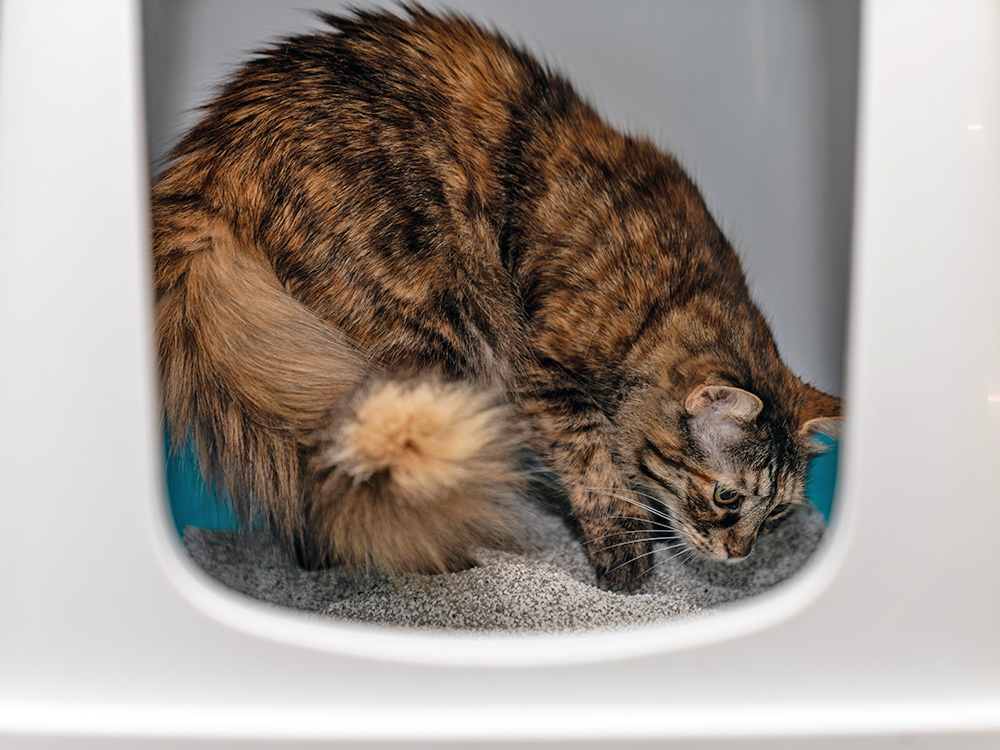
Yes, burying poop is completely normal cat behavior. The vast majority of domestic cats cover their waste after using the litter box, and this is considered a healthy, instinctive act.
It signals that a cat feels secure in its environment and is content with its litter box setup. A cat that consistently buries its poop is generally a cat that is comfortable, healthy, and well-adjusted.
The behavior is so deeply embedded in feline biology that even kittens begin practicing it very early in life, often imitating their mother. It is not something cats are taught by humans — it emerges naturally.
The Wild Ancestor Connection
To understand why cats bury their poop today, you need to look back thousands of years to their wild ancestors — specifically the African wildcat (Felis lybica), from which all domestic cats descend.
Wild cats were neither the biggest nor the most powerful predators in their environment. They occupied the middle of the food chain, which meant larger predators were a constant threat. Leaving waste exposed in the open was a serious risk because the scent of feces could reveal their location, attracting predators that might otherwise never find them.
Burying waste was a survival strategy — a way of erasing their trail. The instinct was so effective and so essential that it became hardwired over thousands of generations. That same wiring still runs in your indoor cat today, even though the closest predator in your home is probably a robotic vacuum cleaner.
The Science of Cat Poop and Scent Communication
Cat feces contains far more information than it might seem. It carries pheromones — chemical signals produced by scent glands in the anal region — that communicate identity, health, reproductive status, age, and emotional state to other cats.
For wild cats, this scent information was powerful and double-edged. It could warn off rivals, establish territory, and signal reproductive availability. But it could also attract predators and larger competitors.
Burying feces neutralizes that signal. It is a form of deliberate communication — or deliberate silence. By covering their waste, cats are choosing not to broadcast their presence, effectively going “off the grid” in the language of scent.
This is why the behavior is particularly linked to subordinate or non-dominant cats. Cats that feel safe and powerful enough leave their scent out as a statement. Cats that feel vulnerable, cautious, or respectful of others in the hierarchy tend to bury it.
Top Reasons Why Cats Bury Their Poop
1. Survival Instinct and Predator Avoidance
The number one reason cats bury their poop is survival instinct. Even though your indoor cat has never seen a predator in its life, the ancient drive to conceal its scent remains completely intact.
In the wild, a cat that left its feces exposed was essentially leaving a map to its location. Larger predators could track the scent and find both the cat and any kittens in the area. Burying waste was a matter of life and death.
Indoor cats do not face this threat, but instincts do not disappear just because the environment changes. The behavior is automatic, carried out without conscious thought — the same way a cat kneads soft surfaces even though it no longer needs to stimulate milk flow from its mother.
2. Social Hierarchy and Submission
In the wild and in multi-cat households, burying poop is closely linked to social rank. Dominant cats — particularly large wild cats like lions and leopards — typically do not bury their waste. They leave it exposed deliberately as a territorial declaration.
Subordinate cats do the opposite. By covering their feces, they are actively signaling that they are not claiming the territory and do not want a confrontation. It is a form of respectful, conflict-avoiding communication.
In a domestic setting, your cat burying its poop around you is essentially an act of social respect. It is acknowledging you as the dominant member of the household and choosing not to create a territorial challenge.
Wild Cat Poop-Burying Behavior by Social Rank:
| Cat Type | Likely Behavior | Reason |
|---|---|---|
| Dominant wild cat (lion, leopard) | Leaves poop uncovered | Territorial declaration |
| Subordinate wild cat | Buries poop | Avoids confrontation |
| Domestic cat (single household) | Usually buries | Instinct, respects owner as dominant |
| Dominant domestic cat (multi-cat home) | May leave uncovered | Territory assertion |
| Submissive domestic cat (multi-cat home) | Buries consistently | Avoids conflict |
| Nursing wild female (e.g., cougar) | Buries hers and kittens’ | Hides nest from predators |
3. Hygiene and Cleanliness
Cats are among the most fastidious animals on the planet. They spend between 30 and 50 percent of their waking hours grooming themselves. Burying waste is an extension of this deep need for cleanliness.
In the wild, leaving feces exposed near a sleeping or feeding area creates a disease risk. Feces can attract parasites, flies, and bacteria. By covering it, cats reduce the chance of reinfection from their own waste and keep their core territory sanitary.
For indoor cats, the litter box is their core territory. Burying poop keeps the space clean — both to their highly sensitive nose and in a practical hygiene sense. A covered litter box stays usable longer, which matters to a creature whose sense of smell is fourteen times stronger than a human’s.
4. Protecting the Food and Water Supply
Wild cats do not eliminate near their food or water sources. This is a separate but related instinct — contaminating a food source with fecal bacteria would be genuinely life-threatening in the wild.
By burying their waste and moving away from the elimination site, cats further reduce the risk of spreading pathogens to areas where they eat and drink.
This instinct is why litter box placement matters so much. Cats are naturally uncomfortable eliminating near food and water, and placing a litter box next to food bowls can cause litter box avoidance entirely.
5. Scent Management and Information Control
Poop is a powerful information broadcast in the cat world. It tells other cats who you are, your health status, whether you are spayed or neutered, and even your stress levels.
Cats are deliberate about what information they share and with whom. By burying their waste, cats are essentially controlling their own scent profile — choosing to remain under the radar rather than broadcasting their presence.
This selective scent management is a sophisticated social behavior, not just a cleaning reflex. Cats that choose to bury are choosing privacy and caution. Cats that choose to leave waste exposed are making a deliberate statement.
6. Protection of the Colony or Family Unit
In group-living wild cats, nursing females bury not only their own feces but also the feces of their kittens. Research has shown this is specifically to protect the nest from detection by predators and rival cats.
Kittens, being small and vulnerable, cannot defend themselves. A nursing mother eliminating near the nest and leaving it uncovered would be actively putting her kittens at risk. Burying everything is a protective maternal behavior.
This also explains why kittens begin imitating the burying behavior very early — they are learning it directly from watching their mother. Kittens separated from their mother before learning this behavior may never develop the habit fully.
7. Stress Relief and Behavioral Comfort
The physical act of digging and covering serves a secondary psychological function for many cats. It is a repetitive, tactile, controlled behavior — and for cats, that kind of predictable sensory experience can be genuinely calming.
Similar to how cats scratch surfaces for both claw maintenance and stress relief, the digging behavior around the litter box gives them a sense of agency over their environment. It is a way of asserting subtle control over their space.
This is why obsessive over-digging — a cat that scratches at the litter box walls or floor for several minutes after using it — can sometimes signal anxiety rather than enthusiasm.
8. Human-Driven Selective Breeding
One fascinating theory among behaviorists is that humans may have inadvertently selected for poop-burying behavior over centuries of cat domestication. Humans who kept cats preferred those that covered their waste — they were cleaner and less odorous housemates.
Over many generations of humans favoring cats with strong burying behavior and breeding them more often, that trait may have become more pronounced in domestic cats than it ever was in their wild counterparts.
This would help explain why domestic cats bury their poop far more consistently than feral cats do — and why the behavior is more deeply ingrained in household pets than the purely instinctual baseline would predict.
Why Do Cats Scratch Around the Litter Box?
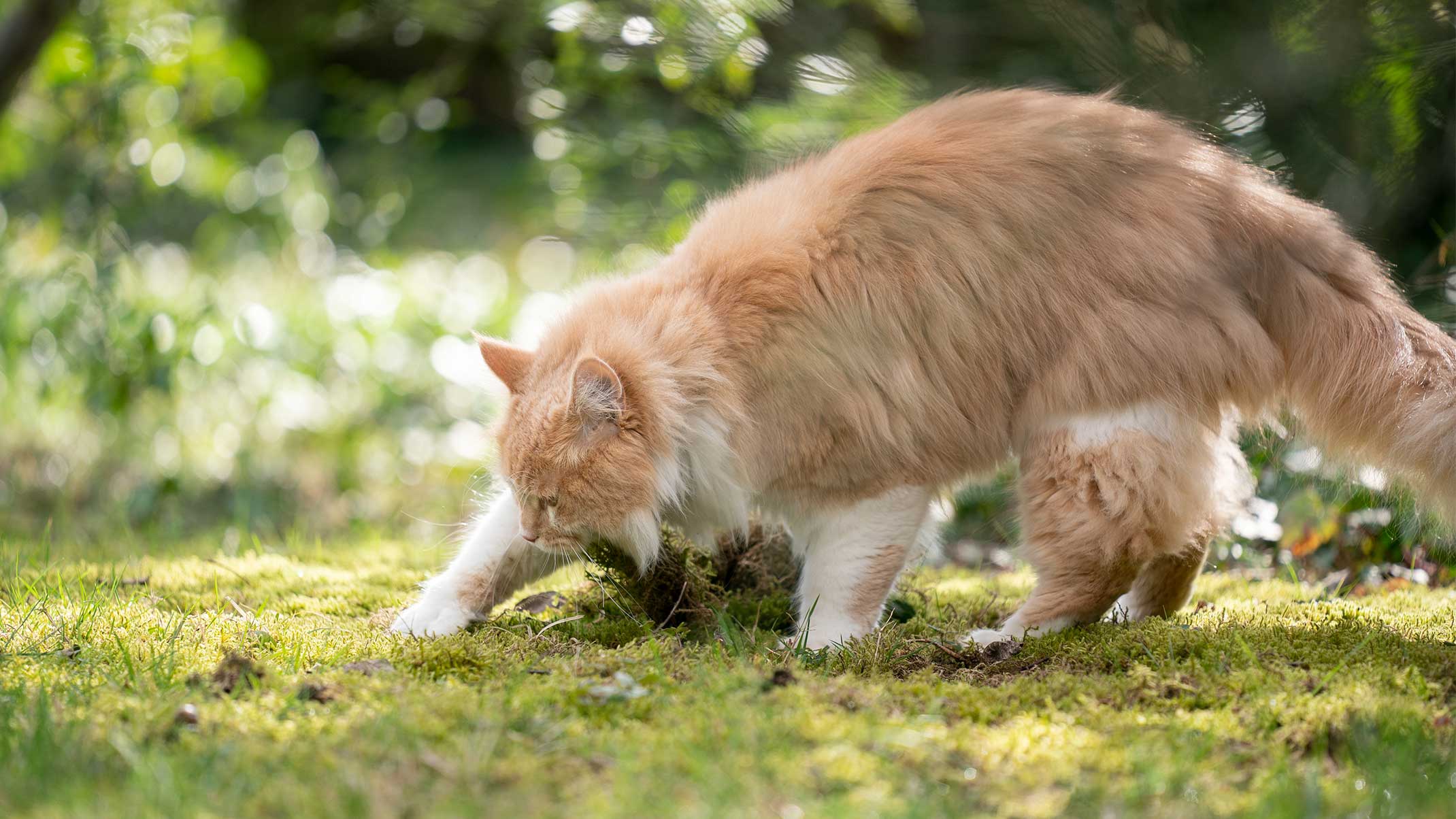
Many cat owners notice their cat scratching the floor, walls, or sides of the litter box rather than the litter itself. This is a variation of the same burying instinct — and it usually means the cat is trying to cover its waste but something is stopping it from doing so effectively.
The most common cause is insufficient litter depth. Cats need at least three to four inches of litter to dig properly and achieve a satisfying burial. Less than that and the instinct to cover is triggered but cannot be completed, leading to the frustrating wall-scratching behavior.
A litter box that is too small is another cause. If a cat cannot turn around comfortably, it cannot position itself correctly to dig and cover. The instinct fires but the physical space does not allow it to be fulfilled.
Why Some Cats Do Not Bury Their Poop
Not all cats bury their poop consistently, and the reasons range from completely benign to medically significant. Understanding which category applies to your cat is the key to knowing whether any action is needed.
Territorial Dominance and Marking
The most straightforward non-medical reason a cat leaves poop uncovered is dominance. In a multi-cat household, the cat that considers itself the most dominant may deliberately leave waste exposed as a territorial signal.
This behavior is called middening — leaving feces in visible, high-traffic areas as a deliberate communication to other cats. It is more commonly seen in outdoor or feral cats but can appear in indoor multi-cat homes where hierarchy is contested.
If a new cat has been introduced to the household and a previously compliant cat suddenly stops burying, territorial assertion is the most likely explanation.
Medical Causes of Not Burying Poop
A sudden change in burying behavior — especially in a cat that previously covered its waste consistently — is one of the most important signals a cat can give about its health. Veterinarians take this change seriously.
Medical conditions linked to not burying poop:
| Condition | How It Affects Burying Behavior |
|---|---|
| Arthritis / joint pain | Digging and squatting become painful |
| Overgrown or injured claws | Scratching litter causes direct discomfort |
| Urinary tract infection (UTI) | Elimination is painful, cat exits box quickly |
| Diarrhea or constipation | Urgency or discomfort alters normal routine |
| Inflammatory bowel disease (IBD) | Chronic gut discomfort disrupts habits |
| Hyperthyroidism | Increased urgency, altered behavior patterns |
| Diabetes | Changes in elimination frequency and comfort |
| Kidney disease | Increased urination and systemic discomfort |
| Cognitive dysfunction (feline dementia) | Forgets established habits in senior cats |
| Upper respiratory infection | Fatigue makes the extra effort feel impossible |
| Paw injury | Direct physical inability to scratch litter |
Arthritis is one of the most common culprits, particularly in cats older than seven years. When a cat’s joints hurt, the bending, squatting, and scratching involved in burying poop becomes genuinely painful. The cat will exit the box as quickly as possible to escape the discomfort.
Overgrown claws are a related issue. Long nails can curl and press into the paw pads, making any scratching action on a hard surface like the litter box floor acutely painful. Regular claw maintenance is often enough to resolve this specific problem.
Litter Box Problems
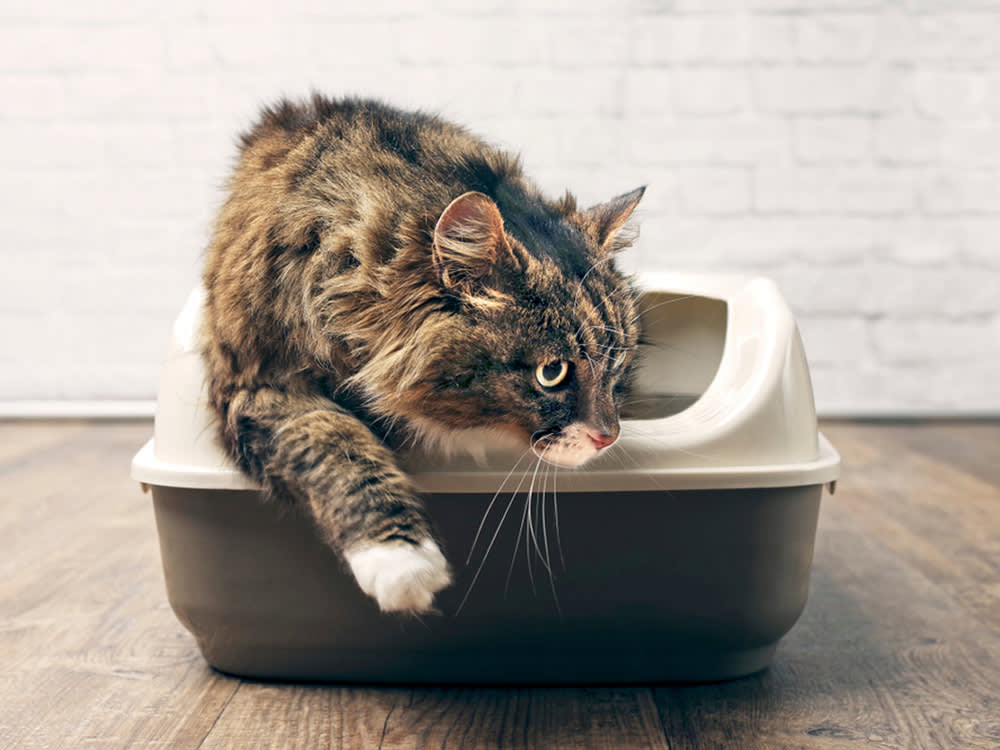
The litter box itself is one of the most common reasons cats stop burying — and it is often the easiest problem to fix.
Litter box issues that cause non-burying:
| Issue | Effect on Cat |
|---|---|
| Dirty litter box | Cat exits quickly to avoid the smell |
| Too little litter (less than 3–4 inches) | Cannot dig and cover effectively |
| Litter box too small | No room to turn and position correctly |
| Wrong litter texture | Unpleasant on paws, discourages digging |
| Scented litter | Overpowers cat’s sensitive nose |
| Box in high-traffic or noisy area | Cat feels unsafe and rushes out |
| Box placed near food or water | Instinct to avoid eliminates near food fires |
| Not enough boxes in multi-cat home | Competition and stress around the box |
Cats are deeply sensitive to the conditions of their litter box. Unlike dogs, who will use almost anything, cats have strong preferences and will express dissatisfaction through behavior changes rather than complaining.
The general rule for multi-cat households is one litter box per cat plus one extra. Two cats need three boxes. Three cats need four. Anything less creates competition and territory stress that directly disrupts burying behavior.
Stress and Anxiety
Stress is one of the most underappreciated causes of litter box behavior changes in cats. Even seemingly minor changes to their environment can create enough anxiety to disrupt established habits.
Common stress triggers that affect burying behavior include moving to a new home, introducing a new pet or baby, changing furniture layout, changing litter brands, adjusting feeding times, and even a change in the owner’s work schedule.
Some stressed cats stop burying because they want the comfort of their own scent nearby and do not want to cover it. Others stop burying because they feel unsafe in the litter box and rush out before completing the behavior.
If stress is the cause, the solution is usually environmental — providing more hiding spots, maintaining routine, using pheromone diffusers like Feliway, and giving the cat more predictability in its daily life.
Early Learning Gaps in Kittens
Kittens learn to bury their poop primarily by watching their mother. If a kitten is orphaned early, removed from the mother too young, or raised by a mother that did not bury consistently, the kitten may never fully develop the habit.
This is a nature-versus-nurture situation. The instinct is there in the DNA, but the learned reinforcement of watching a parent perform the behavior accelerates and strengthens it. Without that early modeling, the instinct may remain weak.
A cat that has never buried its poop since kittenhood — and is otherwise healthy — is generally considered to have a learned gap rather than a behavioral problem. It is not a reason for concern unless the cat is also not using the litter box correctly.
Senior Cats and Cognitive Decline
Elderly cats — generally those over 12 years old — may stop burying their poop for two distinct reasons. The first is physical: arthritis, reduced mobility, and painful joints make the digging motion difficult.
The second is cognitive: feline cognitive dysfunction syndrome (FCDS), sometimes called feline dementia, causes progressive memory loss and disorientation in aging cats. Cats with FCDS may forget established routines and habits, including litter box behavior, over time.
If a senior cat is showing other signs of cognitive decline — getting lost in familiar spaces, excessive vocalization at night, staring blankly, reduced grooming, or altered sleep patterns — a veterinary evaluation for FCDS is warranted.
Burying Behavior in Single vs. Multi-Cat Households
The social dynamics in a home dramatically shape how individual cats express or suppress the burying instinct.
In single-cat homes, most cats bury consistently. There is no social pressure to assert dominance, and the cat typically feels secure in its undisputed territory. Changes in a single-cat home usually point toward medical causes or litter box dissatisfaction.
In multi-cat homes, the picture is more complex. The most dominant cat may leave its waste exposed intentionally. More submissive cats may bury obsessively or bury even more carefully than usual. Conflicts over litter box access can cause previously well-behaved cats to rush out without burying.
Providing enough litter boxes — one per cat plus one extra — and placing them in different locations removes the competitive pressure and allows each cat to express its natural burying behavior without anxiety.
Do Wild Cats Always Bury Their Poop?
No — and this is one of the more surprising facts about this behavior. In the wild, whether a cat buries its poop depends almost entirely on its place in the social hierarchy.
Large, dominant wild cats — lions, leopards, tigers — generally do not bury their waste. They actively leave it visible and scent-marked as a territorial declaration. They are at the top of the food chain and have nothing to hide from.
Smaller wildcats — including the African wildcat that is the ancestor of domestic cats — bury more consistently because they have more to lose from being detected. Concealment is a survival advantage for them in a way it is not for apex predators.
Interestingly, even within a single species, behavior varies. A 2009 study of feral cats found that feral cats bury their feces within their home range but leave it uncovered in territories outside their core area — using exposed feces as a deliberate boundary marker for rival cats.
Wild Feline Poop-Burying Behavior Comparison:
| Wild Cat | Buries Poop? | Primary Reason |
|---|---|---|
| Lion | Rarely | Territorial apex predator |
| Leopard | Rarely | Territorial apex predator |
| Tiger | Rarely | Territorial apex predator |
| African wildcat | Usually | Subordinate position, predator avoidance |
| Cougar / mountain lion | Sometimes | Nursing females bury to hide kittens |
| Feral domestic cat | Context-dependent | Home range vs. boundary territory |
| Domestic house cat | Usually | Inherited wildcat instinct |
Do Other Animals Bury Their Poop?
Cats are not the only animals that bury waste, though they are the most consistent practitioners in the domestic animal world.
Rabbits, woodchucks, and some rodents bury or contain their waste — usually to reduce predator attraction, similar to the cat rationale. Chimpanzees and some great apes have been observed moving feces away from eating and sleeping areas, though true burial is rare.
Some armadillos incorporate waste into tunnel systems to keep living spaces clean. Mink also display waste-covering behaviors in certain contexts.
Dogs present an interesting contrast. Most dogs do not bury their poop because scent marking through feces serves a completely different communicative purpose for them. Dog poop pheromones communicate information about sex, reproductive status, and health to other dogs — information they want to broadcast, not conceal. Dogs that occasionally kick dirt or grass over their poop are usually spreading their scent further, not concealing it.
How to Encourage Your Cat to Bury Its Poop
If your cat has stopped burying or has never buried consistently, there are several practical steps you can take to encourage the behavior.
Optimize the Litter Box Setup
Fill the box with at least three to four inches of litter. Cats need enough depth to dig properly. “More is better” is the general guidance from feline behaviorists on litter depth.
Use an unscented, fine-grained clumping litter. Most cats strongly prefer clumping clay litter that mimics the texture of sand or fine soil — the natural substrate they would use in the wild. Scented litters can be overwhelming to a cat’s sensitive nose and actively discourage digging.
Choose a litter box large enough for your cat to turn around in comfortably. The box should be at least 1.5 times the length of the cat from nose to the base of the tail.
Clean the Litter Box Consistently
Scoop the litter box at least once daily, ideally twice. Cats will avoid — or rush through — a dirty litter box, which means no time for proper burying.
A full litter change and box cleaning with mild soap should happen weekly for clumping litters and more frequently for non-clumping types.
If the smell in the litter box area is strong enough to bother you, it is definitely strong enough to bother your cat, whose sense of smell is vastly more acute.
Place the Box in the Right Location
Litter boxes should be in quiet, private locations that are easy for the cat to access but away from high-traffic areas, loud appliances, and food and water bowls.
Cats feel vulnerable while eliminating. They want to be able to survey their surroundings and have a clear exit route. A litter box tucked into a corner with only one entrance can cause anxiety — the cat feels trapped and rushes out without burying.
Use Gentle Demonstration
After your cat uses the box, you can use a scoop to gently cover the waste in front of them. This can sometimes trigger their own burying instinct to activate and complete the behavior.
This should be done quietly and without any pressure or punishment. Negative reactions to litter box behavior create anxiety and will make the problem worse, not better.
Rule Out Medical Issues First
Any sudden change in burying behavior — especially in a cat that was previously consistent — should trigger a veterinary visit before any behavioral intervention is tried.
Pain, illness, and mobility issues are frequently the real cause, and no amount of litter box optimization will fix a cat that physically cannot complete the digging motion due to arthritis or a paw injury.
When to See a Vet About Poop-Burying Changes
A sudden stop in burying behavior is often the first and only visible sign of an underlying health problem. Cats are masters of hiding discomfort, and a change in litter box habits can be the clearest signal they give.
See a vet promptly if you notice your cat has stopped burying after previously doing so consistently, is eliminating outside the litter box, appears to be straining or in pain during elimination, is exiting the litter box very quickly, shows other behavior changes like reduced appetite or hiding, or is a senior cat showing any signs of confusion or reduced mobility.
Do not wait and see for more than a few days if the change is sudden and the cat seems otherwise off. Early intervention on conditions like UTIs, arthritis, and kidney disease makes treatment significantly more effective.
The Middening Behavior Explained
Middening is a specific and deliberate behavior in which a cat leaves feces in highly visible, exposed locations as a territorial communication. It is the opposite of burying — and it is intentional.
In wild cats, middening happens at territory boundaries. A cat might place feces at the entrance to its territory, on elevated spots like rocks or logs, or along regularly traveled paths, to signal its presence to rival cats.
In domestic cats, middening is rare but does occur — usually in response to a perceived territorial threat. A cat that suddenly begins leaving feces in the middle of the floor, on furniture, or near doors may be responding to a new animal in the home, the scent of outdoor cats near the windows, or a significant change in household dynamics.
Middening should be distinguished from inappropriate elimination caused by a medical issue or litter box aversion. The distinguishing features are that middening involves formed, normal-looking feces left in deliberate locations, and often coincides with a clear territorial trigger.
Litter Box Setup Guide for Encouraging Burying
Recommended Litter Box Configuration:
| Factor | Recommendation | Reason |
|---|---|---|
| Litter depth | 3–4 inches minimum | Allows proper digging and covering |
| Litter type | Unscented, fine-grained clumping clay | Mimics natural sand/soil texture |
| Box size | 1.5x cat’s body length | Enough room to turn and position |
| Number of boxes | One per cat plus one extra | Prevents competition and stress |
| Cleaning frequency | Scoop daily, full change weekly | Cats avoid dirty boxes |
| Location | Quiet, private, accessible | Cat feels safe to complete behavior |
| Entry height | Low entry for senior cats | Reduces joint strain for older cats |
| Covered vs. open | Usually open preferred | Covered boxes trap odor, cats may avoid |
Summary: Why Cats Bury Their Poop
Quick Reference Table:
| Reason | Type | Key Detail |
|---|---|---|
| Predator avoidance | Survival instinct | Conceals scent from threats |
| Social submission | Hierarchy behavior | Deference to more dominant individuals |
| Hygiene | Cleanliness instinct | Prevents contamination of living area |
| Scent management | Communication | Controls what information other cats receive |
| Nest protection | Maternal instinct | Nursing females hide scent of kittens |
| Stress relief | Psychological | Repetitive digging provides comfort |
| Human selective breeding | Environmental | Humans may have bred trait into domestic cats |
Frequently Asked Questions (FAQs)
Why do cats bury their poop but not always their pee?
Urine and feces carry different scent signals. Cats often deliberately leave urine to mark territory while burying feces to conceal their presence, as the two serve different communicative purposes.
Is it bad if my cat does not bury its poop?
Not always — dominant cats may leave waste exposed intentionally. However, if your cat suddenly stops after previously burying consistently, a vet visit is recommended to rule out medical causes.
Why does my cat scratch the wall next to the litter box instead of the litter?
This usually means the litter is too shallow for the cat to dig and cover properly. Adding more litter to reach at least three to four inches of depth typically resolves the problem.
Do all cats bury their poop?
No. Most domestic cats do, but some — particularly dominant cats, those with early learning gaps, or those with medical issues — do not. It is not universal even among healthy cats.
Why does my kitten not bury its poop?
Kittens learn to bury by watching their mother. If a kitten was separated early or raised without a mother, it may never have learned the behavior and will need extra time and a well-set-up litter box to develop the habit.
Why does my cat smell its poop before burying it?
Cats appear to assess whether the scent could attract predators or rival cats before covering it. It may also help them monitor their own health by checking for signs of digestive changes in the odor.
Can stress make a cat stop burying its poop?
Yes. New pets, changes in routine, moving homes, or even new furniture can create enough anxiety to disrupt normal litter box behavior, including the burying step.
Why does my cat bury poop outside the litter box?
This is often a sign the cat is unhappy with the litter box itself — it is too dirty, too small, or in the wrong location — and is attempting to eliminate and bury elsewhere. Review the entire litter box setup.
Why do big wild cats like lions not bury their poop?
Lions and other apex predators leave waste exposed deliberately as a territorial signal. They have no need to hide from predators and use their scent to establish dominance, unlike smaller, more vulnerable wild cats.
How often should I clean the litter box to encourage burying?
Scoop at least once daily, and ideally twice. A dirty litter box causes cats to rush through elimination without completing the burying step. A clean box strongly encourages the full natural behavior.
Conclusion
Why do cats bury their poop? The answer is layered, ancient, and genuinely fascinating. At its core, burying waste is a survival instinct passed down from wild ancestors who depended on concealing their scent to stay alive and protect their young.
In your home, this same instinct plays out in the litter box every day, now shaped by social dynamics, hygiene preferences, learned behavior from mother cats, and the specific conditions of the box itself.
When the behavior changes suddenly, it is your cat’s clearest way of telling you something is wrong — whether that is pain, stress, or dissatisfaction with its environment.
Understanding this behavior in full means you can maintain the right litter box setup, recognize when something is medically off, and appreciate the ancient intelligence quietly operating behind every scratch of the litter. Your cat is not just being tidy — it is honoring millions of years of evolutionary wisdom.