Why Are Hospitals Cold? Surprising Reasons 2026
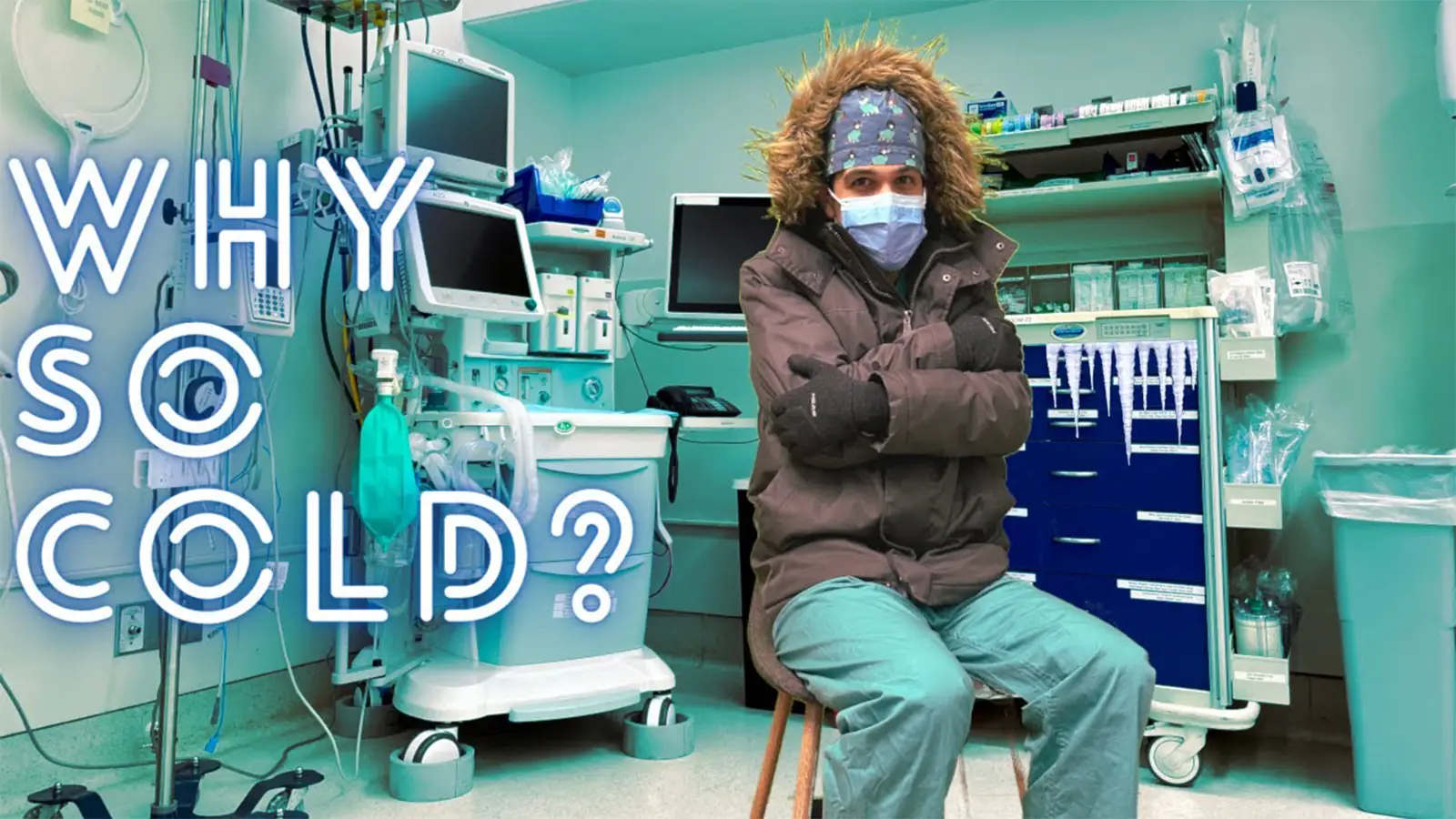
Why are hospitals cold the moment you walk through the door? That sharp chill you feel is not accidental, and it is not about saving money on heating costs. Every degree of temperature in a hospital is deliberately controlled by engineers, infection control specialists, and regulatory guidelines.
The cold serves patients, staff, equipment, and safety all at once.
Why Are Hospitals Cold? The Short Answer: It Is All About Safety
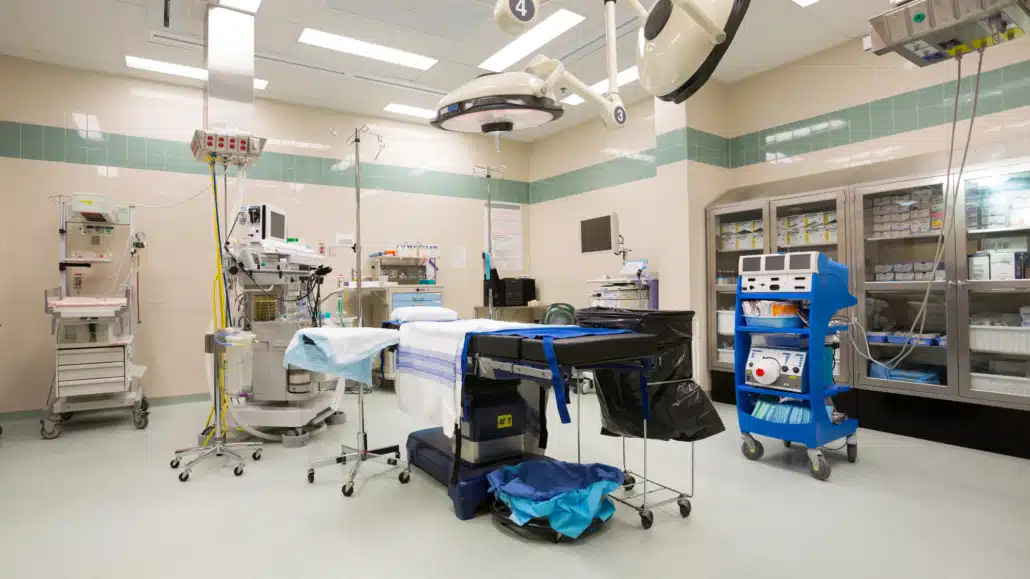
Hospitals are cold for multiple overlapping reasons — infection control, staff comfort, equipment preservation, humidity management, and patient safety protocols all point to cooler indoor temperatures as the safest standard.
No single rule says “keep hospitals freezing.” Instead, a combination of medical science, engineering standards, and regulatory guidance from bodies like the CDC, ASHRAE, and OSHA results in temperatures that feel cold to most visitors and patients.
What Temperature Are Hospitals Actually Kept At?
Hospital temperatures are not uniform across the building. Different departments have very different needs, and the HVAC system is engineered to maintain precise zones throughout the facility.
| Area | Temperature Range | Primary Reason |
|---|---|---|
| Operating Rooms (ORs) | 68°F – 73°F (20°C – 23°C) | Infection control, surgeon comfort |
| Patient Rooms | 70°F – 75°F (21°C – 24°C) | Patient comfort, healing |
| ICU (Intensive Care Unit) | 70°F – 75°F (21°C – 24°C) | Infection control, equipment stability |
| Neonatal Units | 72°F – 78°F (22°C – 25°C) | Warmth for newborns |
| Catheterization Labs | 68°F – 72°F (20°C – 22°C) | Equipment sensitivity |
| Sterile Storage and Labs | 72°F – 78°F (22°C – 25°C) | Material and medication stability |
| Emergency Department | 70°F – 74°F (21°C – 23°C) | Active staff, high traffic |
| Hospital Hallways and Lobbies | 68°F – 72°F (20°C – 22°C) | Central HVAC baseline |
Most visitors experience the hallways and lobbies, which tend to be on the cooler end of this range. Operating rooms are the coldest spaces in any hospital, maintained under strict infection control standards.
Reason 1: Infection Control — The Most Important Factor
The number one reason hospitals are cold is infection control. Bacteria, viruses, fungi, and mold all thrive in warm, humid environments. Cooler temperatures slow the growth and reproduction of these microorganisms significantly.
This is the same principle used in food safety — refrigeration slows bacterial growth without killing it. In hospitals, the stakes are far higher because patients are immunocompromised, post-surgical, or carrying open wounds that are directly vulnerable to airborne and surface pathogens.
A cooler environment combined with rigorous cleaning and advanced air filtration creates a layered defense against hospital-acquired infections (HAIs), which remain one of the most serious risks in modern healthcare.
What Are Hospital-Acquired Infections?
Hospital-acquired infections, also called nosocomial infections, are infections patients pick up during their hospital stay rather than from the condition they came in for. Common HAIs include MRSA, C. difficile, pneumonia, and urinary tract infections.
The CDC estimates that on any given day, about 1 in 31 hospital patients has at least one HAI. Temperature control is one of the layers of defense used to reduce this number. Every degree matters when dealing with antibiotic-resistant bacteria in close-quarters healthcare settings.
Cold Temperatures and Operating Rooms
Operating rooms receive the most aggressive temperature control in the hospital. The standard range is 68°F to 73°F (20°C to 23°C), with some surgical specialties — particularly orthopedics and cardiac surgery — running even cooler.
Cooler OR temperatures reduce bacterial colonization on instruments, surfaces, and in the air. They also reduce the risk of mold spores, which can cause devastating infections in patients with compromised immune systems.
Reason 2: Humidity Control and Condensation Prevention
Temperature and humidity are inseparable in hospital safety management. Warm, moist air creates condensation on surfaces, equipment, and walls. That condensation acts as a carrier for bacteria and viruses, spreading pathogens from surface to surface across a sterile environment.
Cold air holds less moisture. By keeping temperatures lower, hospital HVAC systems reduce ambient humidity and prevent the condensation that can contaminate sterilized surgical instruments, open wounds, and IV equipment.
The recommended relative humidity in hospitals is between 30% and 60%. This range is tight by design — too dry and it irritates respiratory tracts and creates static electricity that can damage sensitive equipment; too humid and microbial growth accelerates rapidly.
HEPA Filtration Works Better in Cool, Dry Conditions
Modern hospitals use High-Efficiency Particulate Air (HEPA) filters that capture at least 99.97% of airborne particles as small as 0.3 microns — including viruses, bacteria, and fungal spores. These filters perform better in cooler, lower-humidity conditions.
When humidity is high, particulates clump together and behave differently, reducing filter efficiency. Maintaining cool temperatures preserves the effectiveness of the entire air filtration system.
Reason 3: Staff Comfort and Performance
Hospital staff — doctors, nurses, surgeons, and support staff — are physically active for the majority of their shifts. They are constantly moving, lifting, bending, responding to emergencies, and wearing multiple layers of personal protective equipment (PPE).
PPE includes scrubs, surgical gowns, masks, gloves, and sometimes lead aprons. Layering this much clothing on an active person generates significant body heat. In a warm room, medical staff would overheat quickly, causing fatigue, sweating, and reduced concentration.
Why Surgeon Comfort Matters for Patient Safety
In the operating room, surgeon performance directly impacts patient outcomes. A surgeon who is overheated loses fine motor precision, concentration, and endurance during long procedures. Cooler OR temperatures are partly maintained to ensure the surgical team can perform at maximum capacity.
Research from the NIH notes that OR staff — particularly surgeons wearing multiple protective layers under bright surgical lights — find even standard normothermia temperatures uncomfortably warm. This is why OR temperatures are kept cooler than what would be comfortable for an unclothed, resting patient.
Mental Clarity and Error Prevention
Studies consistently show that heat increases mental fatigue and reduces cognitive performance. For healthcare workers making life-critical decisions throughout a shift, even mild overheating creates measurable performance decline.
Cooler temperatures support sharper focus, faster reaction times, and lower error rates across the hospital workforce. In high-stakes environments like the ICU or emergency department, this is not a comfort preference — it is a patient safety measure.
Reason 4: Equipment Preservation and Medication Stability
Modern hospitals are packed with sensitive electronic and mechanical equipment. MRI machines, CT scanners, anesthesia delivery systems, cardiac monitors, laboratory analyzers, and infusion pumps all generate heat and require stable cool ambient conditions to function properly.
Overheating causes equipment malfunction, reduced accuracy, and shortened operational lifespan. Temperature-controlled hospital environments protect multi-million dollar equipment from thermal degradation.
Medications and Blood Products
Blood, plasma, vaccines, insulin, and many other medications require stable, cool temperatures to maintain potency and safety. While blood and most biologics are stored in dedicated refrigeration units, the ambient temperature of storage rooms and labs directly affects the stability of temperature-sensitive supplies.
Room-temperature medications — those stored outside refrigerators — have stability ranges that are tied to ambient conditions. Consistently cool hospital temperatures extend the effective shelf life and safety window for these products.
| Product | Storage Temperature Requirement |
|---|---|
| Whole Blood | 2°C – 6°C (refrigerated) |
| Platelets | 20°C – 24°C (room temperature, agitated) |
| Vaccines | 2°C – 8°C (refrigerated) |
| Insulin (unopened) | 2°C – 8°C (refrigerated) |
| IV Fluids (room temp) | Below 25°C (77°F) |
| Lab Specimens | Varies; cool ambient helps stability |
The overall ambient temperature of a hospital building plays a supporting role in maintaining safe conditions for all temperature-sensitive materials stored or used outside dedicated refrigeration.
Reason 5: Pressure Differentials and Airflow Engineering
Hospital HVAC systems do more than heat and cool. They maintain carefully engineered pressure differentials between rooms to control the direction of airflow and prevent cross-contamination between different hospital zones.
Isolation rooms for infectious patients are maintained at negative pressure — meaning air is continuously drawn inward and exhausted to the outside, preventing infectious air from escaping into hallways and other patient areas.
Operating rooms and ICUs, by contrast, are maintained at positive pressure — meaning filtered air is constantly pushed outward, keeping contaminants from entering the sterile environment.
How Pressure Differentials Require Consistent Cooling
Maintaining these precise pressure differentials requires constant, powerful air circulation. Large volumes of conditioned air must be continuously cycled through the hospital — typically 15 to 20 air changes per hour in operating rooms, compared to just 6 to 12 in regular office buildings.
All this air movement naturally produces a cooling effect. The sheer volume of conditioned air required to maintain safe pressure differentials is itself a major reason hospital environments feel consistently cool.
Reason 6: The Patient Warmth Equation — It Is Easier to Warm Up Than Cool Down
One of the most practical reasons hospitals run cool is simple physics. It is much easier to add warmth to a patient through blankets, heated gowns, and warming devices than it is to cool an overheated patient in a warm room.
Hospitals use electric blanket warmers, forced-air warming blankets, heated IV fluids, and warming pads specifically to counteract the cold environment for patients who need it. These tools work quickly and precisely. Cooling an overheated room or patient is far more logistically complex.
Perioperative Hypothermia: A Real Risk That Is Actively Managed
The cold operating room environment does create a genuine risk for surgical patients — perioperative hypothermia. A patient’s core body temperature drops by approximately 4°F in an unwarmed surgical environment, primarily because anesthesia disrupts the body’s thermoregulation.
Perioperative hypothermia is defined as a core temperature below 96.8°F (36°C). It is linked to increased blood loss, higher infection risk, delayed wound healing, cardiac events, and extended hospital stays. Mild hypothermia of just 1 to 2 degrees Celsius can prolong a patient’s hospital stay by up to 20%.
For this reason, patient warming is now the standard of care in surgical settings. Warming blankets, heated operating tables, warmed IV fluids, and forced-air warming systems are used before, during, and after procedures to counteract the cold environment while maintaining the safety benefits that cold temperatures provide.
Reason 7: Regulatory Standards and ASHRAE Guidelines
Hospital temperatures are not left to individual preference. They are governed by regulatory frameworks that set minimum and maximum temperature ranges for each type of clinical space.
ASHRAE Standard 170 — Ventilation of Health Care Facilities — is the primary engineering standard followed in the United States. It specifies temperature ranges, humidity levels, air change rates, and pressure requirements for every type of hospital room. Compliance is required for hospital accreditation and regulatory approval.
The CDC and OSHA also provide supplementary guidelines for healthcare facilities. These standards exist to protect patients, particularly immunocompromised individuals who cannot defend themselves against the pathogens that proliferate in warmer, poorly ventilated environments.
The Role of Accreditation Bodies
Hospitals seeking accreditation from the Joint Commission and other bodies are evaluated on their environmental control systems, including temperature and air quality management. Failure to maintain compliant temperatures can result in loss of accreditation — a severe consequence for any healthcare institution.
This regulatory pressure is one of the reasons hospital temperatures are so consistent across facilities nationwide. The cold is not arbitrary — it is documented, measured, reported, and enforced.
Reason 8: Managing Heat From Medical Equipment
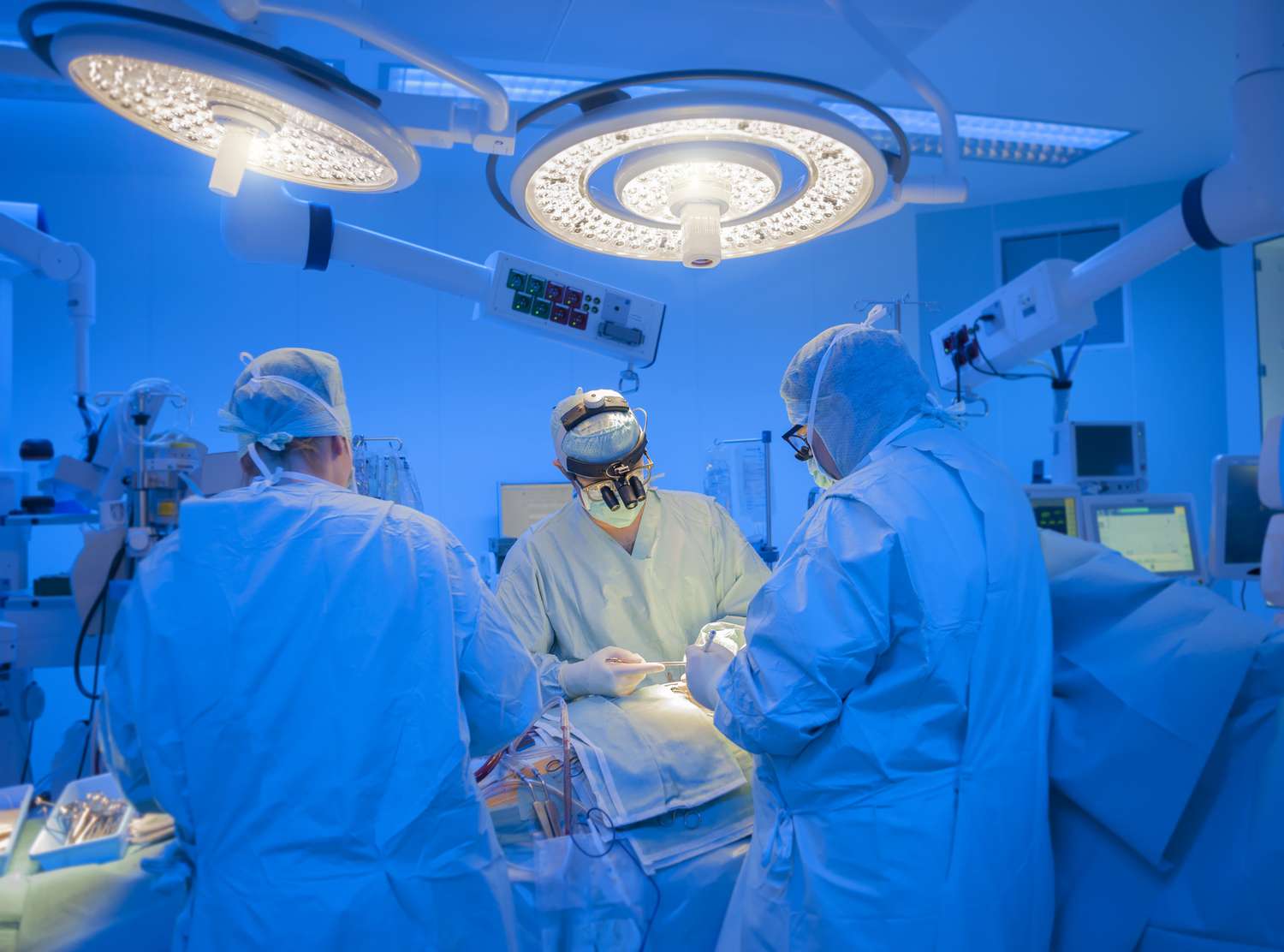
Every piece of medical equipment in a hospital generates heat. Surgical lights used in the OR produce intense radiant heat directed at the operative field. MRI and CT machines generate significant thermal output. Computer servers, monitoring systems, and laboratory equipment all add to the thermal load of the building.
Without aggressive air conditioning, this equipment heat would accumulate and push ambient temperatures well above comfortable or safe levels. The HVAC system is continuously working to counteract the heat generated by thousands of devices operating 24 hours a day.
This is especially pronounced in operating rooms, where powerful overhead surgical lights can raise the immediate ambient temperature significantly. Part of the reason ORs are kept so cool is to counteract the direct radiant heat from surgical lighting.
Why Patients Feel Colder Than Staff
If you have ever noticed that hospital staff seem perfectly comfortable while you are shivering under a thin gown, there is a clear physiological explanation.
Hospital staff are moving constantly. Their metabolic rate is elevated from physical activity, PPE layers, and task-focused stress. They generate body heat throughout their shift and experience the environment very differently from a sedentary patient in a hospital gown.
Patients, by contrast, are often stationary, stressed, anxious, post-surgical, or recovering from illness — all of which lower the body’s own heat production. Anesthesia, blood loss, and medication also suppress the body’s thermoregulation mechanisms. A temperature that feels neutral to a busy nurse feels genuinely cold to a resting patient in a paper gown.
What You Can Do to Stay Warm in the Hospital
If you or a family member is planning a hospital visit or stay, you do not have to suffer through the cold.
Bring warm layers from home — a hoodie, warm socks, and a light blanket are all perfectly acceptable in most hospital settings. Ask your nurse for additional blankets — hospitals keep them warmed in blanket warmers specifically for this purpose. Request a patient warming blanket if you are having a procedure. Ask whether the room thermostat is adjustable — many patient rooms have individual temperature controls. Wear non-slip hospital socks or bring your own warm socks. For family members visiting, dress in layers you can add or remove easily.
Hospital Temperature by Zone: A Full Comparison
| Hospital Zone | Temp Range | Humidity | Air Changes/Hour | Special Notes |
|---|---|---|---|---|
| Operating Room | 68–73°F | 30–60% | 15–25 ACH | Positive pressure, sterile field |
| ICU | 70–75°F | 30–60% | 6–12 ACH | Positive pressure |
| Isolation Room | 70–75°F | 30–60% | 12+ ACH | Negative pressure |
| Patient Room | 70–75°F | 30–60% | 6 ACH | May have individual thermostat |
| Neonatal ICU | 72–78°F | 30–60% | 6–12 ACH | Warmest in hospital |
| Pharmacy | 68–75°F | 30–60% | 6 ACH | Medication stability priority |
| Lab | 72–78°F | 30–60% | 6–10 ACH | Sample integrity |
| Emergency Dept | 70–74°F | 30–60% | 6–12 ACH | High-traffic, active zone |
ACH = Air Changes per Hour
When Hospital Temperatures Go Wrong
Poor temperature control in hospitals has serious consequences. Historical examples show that temperature failures contribute directly to infection outbreaks, equipment malfunctions, medication spoilage, and increased patient mortality.
A hospital in the United Kingdom made headlines when a maternity ward reached 33°C (91°F) in summer while other sections were unbearably cold in winter — both failures of the same faulty HVAC system. Patients and staff complained for months before the issue was addressed.
Bacterial contamination in air conditioning systems that are poorly maintained has been linked to outbreaks of Legionella and Aspergillus in vulnerable patient populations. The CDC has specific guidance on maintaining and disinfecting hospital HVAC systems for precisely this reason.
Is Hospital Cold Bad for Patient Recovery?
There is an important distinction between the ambient temperature of the hospital building and the temperature experienced by individual patients. Hospitals maintain cool ambient temperatures while simultaneously using active warming systems to keep patients normothermic.
The cold environment itself is not harmful to patients when the warming protocols are followed correctly. The genuine risk — perioperative hypothermia — arises specifically when active patient warming is inadequate in the OR and recovery room, not from the building temperature alone.
Research published in 2026 from Southwest Medical University confirms that perioperative hypothermia affected 39.6% of surgical oncology patients, with higher risk in elderly patients, low-BMI patients, and those undergoing longer procedures — underscoring why active warming remains a critical part of surgical care.
Frequently Asked Questions (FAQs)
Why are hospitals so cold all the time?
Hospitals are kept cold primarily to control infection by slowing bacterial and viral growth, to keep staff comfortable under PPE layers, and to maintain stable conditions for sensitive equipment and medications.
What temperature are operating rooms kept at?
Operating rooms are typically kept between 68°F and 73°F (20°C to 23°C), making them the coldest areas in any hospital to minimize infection risk and support surgical team performance.
Is hospital cold intentional or just poor heating?
It is entirely intentional. Hospital temperatures are governed by ASHRAE Standard 170, CDC guidelines, and accreditation requirements. Every zone is precisely maintained by engineered HVAC systems, not by default.
Does cold temperature actually kill bacteria in hospitals?
Cold temperatures do not kill bacteria — they slow their growth and reproduction significantly. Combined with HEPA air filtration, regular cleaning, and pressure control, cooler temperatures are a critical layer of hospital infection defense.
Why do I feel so cold in a hospital gown?
Hospital gowns offer minimal insulation, and patients are typically sedentary and stressed. Stationary patients generate far less body heat than active staff wearing multiple layers, making the same temperature feel dramatically colder to a patient.
Can patients request a warmer room in the hospital?
Yes. Many patient rooms have individual thermostats, and nurses can provide warm blankets stored in hospital blanket warmers. You can and should ask for additional warmth if you are uncomfortable during your stay.
Why are hospital waiting rooms also cold?
Waiting rooms share the same central HVAC system as the rest of the facility. The system is optimized for clinical safety, which produces cooler-than-average conditions throughout the building, including non-clinical areas.
Do all hospitals maintain the same temperature?
Temperature ranges vary slightly by facility, department, and local regulatory jurisdiction, but all accredited hospitals follow ASHRAE Standard 170 guidelines, which set standardized temperature and humidity ranges for each type of clinical space.
What is perioperative hypothermia?
Perioperative hypothermia is when a surgical patient’s core body temperature drops below 96.8°F (36°C) during or after surgery. It increases infection risk, blood loss, and recovery time — which is why active patient warming is now standard surgical protocol.
What keeps patients warm if the hospital is cold?
Hospitals use warmed blankets from dedicated blanket warmers, forced-air warming blankets, heated IV fluids, warming pads, and pre-warming protocols to actively maintain patient body temperature despite the cool ambient environment.
Conclusion
Why are hospitals cold? Because cold temperatures are one of the most powerful tools available in the fight against hospital-acquired infections, equipment failure, medication degradation, and compromised surgical outcomes. Every degree in a hospital building is the result of deliberate engineering, strict regulation, and decades of medical research.
The chilly corridors, cold waiting rooms, and frigid operating rooms all serve a purpose that most patients never see: keeping dangerous microorganisms slow, medical equipment stable, and surgical teams sharp throughout every shift.
Patients are not left to shiver — warming blankets, individual room thermostats, and active heating protocols ensure patient comfort is actively managed alongside these safety priorities.
Next time you reach for that hospital blanket, know that the cold around you is doing important work. And the warm blanket in your hands? That was planned too.
In 2026, hospital temperature control is more precise and evidence-based than ever, and the results show in lower infection rates, better surgical outcomes, and safer healthcare environments worldwide.