Why the Sewing Machine Has Quietly Become One of the Defining Hobbies of the Mid-2020s
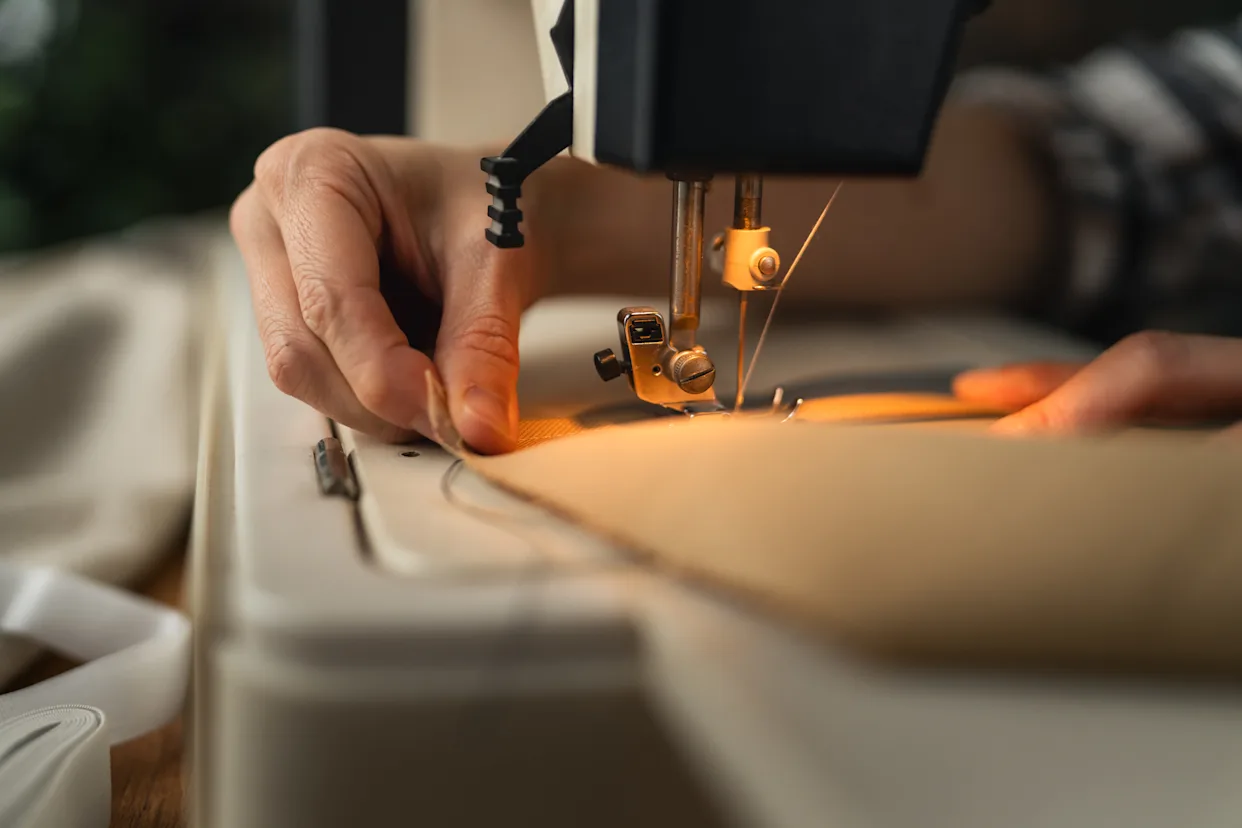
The sewing machine was, for most of the late twentieth century, a household object on its way out. Mass-produced clothing got cheaper, repair culture faded, and a generation grew up without ever seeing a parent thread a bobbin. By the early 2010s the sewing machine in most homes was a forgotten cabinet object inherited from a grandmother. By the mid-2020s the same object has become one of the more enthusiastically pursued hobbies in adult populations, and the reasons are interesting enough to be worth taking seriously.
The first driver is the collapse of the cheap-clothing premise. Fast fashion produced a decade of garments that fell apart inside a season, and the cumulative environmental and economic cost finally registered with a meaningful share of the consumer base. Households that began to repair rather than replace discovered that repair required tools, and the sewing machine was the first tool they needed. Households that began to make rather than buy went further down the same path. The machine that nobody used in 2010 became the machine that people queued for at hobbyist suppliers by 2024.
The second driver is the resurgence of vintage machinery itself. The mid-twentieth-century sewing machines built by manufacturers including Singer, Bernina, Pfaff and Husqvarna were engineered to last longer than the lifetimes of the people who bought them, and they have. A 1950s Singer in working order outperforms most modern budget machines on durability, stitch quality and serviceability. Suppliers offering parts and accessories for Vintage & Modern Sewing Machines have made the restoration and continued operation of these machines genuinely accessible, which is part of why the second-hand market for older machines has appreciated steadily over the last few years.
The third driver is cultural. Sewing has been recoded over the last decade from a domestic obligation into an act of creative authorship. Garment makers, costume designers, quilters, repair-culture practitioners and home tailors have populated the same craft with very different value systems, and the through-line connecting them is the satisfaction of producing something that did not exist an hour earlier. The output is tangible. The skill is durable. The cost-per-hour of engagement is low compared to most equivalent hobbies.
The fourth driver, often underweighted, is mental health. Repetitive manual work with measurable output sits inside the category of activities that the National Institute of Mental Health has identified as broadly supportive of psychological wellbeing. Sewing fits that profile cleanly. The work is sustained, the focus is concrete, and the result is visible. People who pick the hobby up tend to keep it for longer than expected.
The fifth driver is community. Online and in-person sewing communities have grown substantially over the last few years, and the social infrastructure now exists for newcomers to receive help, share patterns, troubleshoot problems and find local repair specialists with very low friction. The hobby that used to require a knowledgeable parent to teach the basics now has a global community offering the same support at any hour.
The economic dimension under all of this is worth naming explicitly. A vintage machine acquired second-hand for modest money, paired with a small ongoing investment in fabric and notions, produces hours of engagement at a per-hour cost that compares favourably with almost any other hobby of comparable depth. Households that have moved sewing into regular rotation often report that the hobby pays for itself inside the first year through repaired garments, custom curtains and home textile projects that would otherwise have gone to retail.
There is also an aesthetic element that has been part of the cultural revival. The visual culture around sewing has shifted from dated kitchen-counter associations to a more confident, design-led aesthetic that treats the machine as a piece of equipment worth displaying rather than hiding. Restored vintage Singers in their original cast-iron bodies, properly serviced and visually maintained, sit comfortably on modern desks and tables in a way that the plastic machines of the 1990s never did. The object itself has become part of the appeal.
The sewing machine is one of the few household objects that has staged a genuine revival rather than a marketing one. The durability of the underlying engineering, the cultural shift toward repair and creation, and the social infrastructure that supports newcomers have all converged into a hobby that looks likely to stay relevant well past whatever cycle initially brought it back.
FAQ
Is a vintage sewing machine harder to use than a modern one? Usually no, and often easier. Older machines have fewer features but are typically more durable and serviceable.
Are parts available for older Singer machines? Yes. Specialist suppliers carry parts for most common vintage and modern machine models.
Do beginners need an expensive machine? No. Many quilters and garment makers run vintage machines acquired for very modest prices.
How long does a quality sewing machine last? A well-maintained vintage machine often outlasts its original owner. Modern budget machines vary substantially.