Why Do I Have Diarrhea Every Day? 7 Possible Reasons 2026
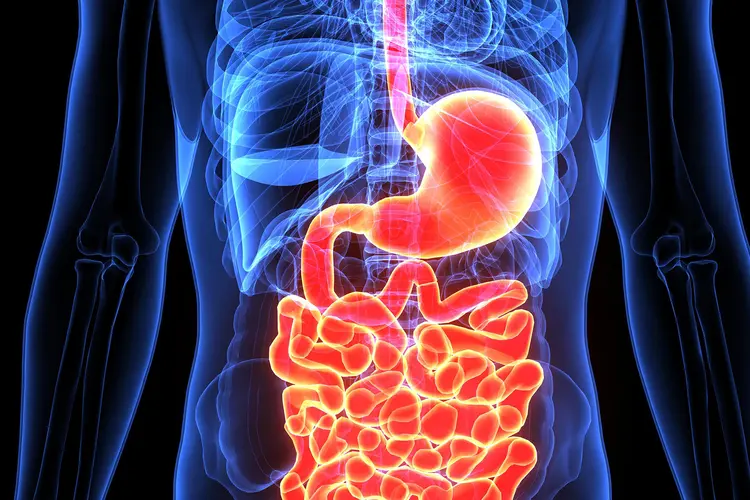
Why do I have diarrhea every day is a question more people ask than you might think.
Daily loose or watery stools are not just uncomfortable, they can drain your energy, disrupt your routine, and signal something deeper going on inside your body.
Chronic diarrhea, defined as diarrhea lasting more than four weeks, affects an estimated 1% to 3% of the population. The good news is that most causes are identifiable and treatable.
Target Keyword Overview

| Detail | Info |
|---|---|
| Focus Keyword | Why do I have diarrhea every day |
| Blog Title | Why Do I Have Diarrhea Every Day? 7 Possible Reasons 2026 |
| Readability Level | Grade 7–9 (Clear, Medical but Accessible) |
| Recommended Word Count | 3000+ words |
| Keyword Density | 1.2% to 1.8% |
| Heading Structure | H2 (Title + Conclusion only), H3/H4 (All Sub-Sections) |
Competitor Content Patterns
| Factor | Top Competitor Average |
|---|---|
| Content Length | 1,800 – 4,000 words |
| Keyword Repetition | 12 – 25 times |
| H2 Headings | 1 – 2 |
| H3 Headings | 6 – 12 |
| FAQ Section | Present in 7 of 8 sites |
| Tables Used | Present in 4 of 8 sites |
| Numbered Lists | Present in 7 of 8 sites |
| Readability Level | Grade 7 – 9 |
| Medical Disclaimer | Present in 6 of 8 sites |
Medical Disclaimer: This blog is for informational purposes only. It is not a substitute for professional medical advice, diagnosis, or treatment. Always consult your doctor if you experience persistent digestive symptoms.
What Is Considered Diarrhea Every Day?
Diarrhea means passing loose, watery stools three or more times in a single day. Having it once or twice after a rich meal or a stomach bug is normal. Having it every single day is not.
When diarrhea happens daily for more than four weeks, doctors classify it as chronic diarrhea. This is your body’s signal that something in your digestive system needs attention.
Types of Diarrhea You Should Know
Understanding the type of diarrhea you have helps narrow down the cause faster.
| Type | Description | Common Cause |
|---|---|---|
| Acute Diarrhea | Lasts 1 to 2 days | Stomach bug, food poisoning |
| Persistent Diarrhea | Lasts 2 to 4 weeks | Infection, medication side effect |
| Chronic Diarrhea | Lasts more than 4 weeks | IBS, IBD, food intolerance, disease |
| Watery Diarrhea | Very loose, fluid-heavy stools | Infection, IBS, medication |
| Fatty Diarrhea | Greasy, pale, foul-smelling stools | Malabsorption, pancreatic issue |
| Inflammatory Diarrhea | Contains blood or mucus | Crohn’s disease, ulcerative colitis |
Reason 1: Irritable Bowel Syndrome (IBS)
IBS is one of the most common reasons people ask why do I have diarrhea every day. It affects 10 to 15 percent of adults in the United States alone.
IBS is a functional gut disorder. This means your intestines work differently than they should, even though there is no visible damage or disease present. The gut and brain miscommunicate, causing the colon to squeeze too hard or too fast, which pushes food through before your body can absorb water properly.
What IBS-D Feels Like
IBS with diarrhea, called IBS-D, causes loose stools, urgent trips to the bathroom, bloating, and cramping. Symptoms can occur every single day or come and go in flares.
Common IBS-D triggers include stress and anxiety, certain foods like dairy or gluten, caffeine and alcohol, hormonal changes during menstruation, and lack of quality sleep.
Why Stress Makes IBS Worse
The gut-brain connection is real and powerful. Stress activates your nervous system and sends signals directly to your digestive tract. Many gastroenterologists report that stress is one of the top drivers of daily IBS flare-ups. Managing stress through exercise, therapy, meditation, and consistent sleep can meaningfully reduce symptoms.
Reason 2: Food Intolerances and Sensitivities

Food intolerances are a very common but frequently overlooked cause of daily diarrhea. Unlike food allergies, intolerances do not trigger an immune response. Instead, your gut simply cannot digest certain substances properly.
The result is fermentation in your intestine, gas, bloating, cramping, and loose stools that happen predictably after eating the offending food.
Lactose Intolerance
Lactose intolerance is the most widespread food intolerance worldwide. People with this condition lack enough of the enzyme lactase, which is needed to break down lactose, the sugar found in milk and dairy products.
If you eat cereal with milk every morning and have diarrhea every morning, lactose intolerance could be the direct cause. Symptoms typically appear within 30 minutes to two hours after eating dairy.
Gluten Sensitivity and Celiac Disease
Celiac disease is an autoimmune condition where gluten, found in wheat, barley, and rye, damages the lining of the small intestine. Even a tiny amount of gluten can trigger chronic diarrhea, fatigue, and nutrient malabsorption.
Non-celiac gluten sensitivity causes similar digestive symptoms without the intestinal damage. Both can cause daily diarrhea if gluten-containing foods are regularly consumed.
Fructose and FODMAPs
Fructose is a sugar found in fruits, honey, and many processed foods. Some people cannot absorb it well, leading to gas and loose stools. Foods high in FODMAPs, which are fermentable carbohydrates, are a known trigger for people with IBS and sensitive guts.
Reason 3: Diet and Lifestyle Factors
Sometimes the answer to why do I have diarrhea every day is simpler than you think. Certain daily dietary habits directly cause loose stools without any underlying disease being present.
Excessive Caffeine Intake
Caffeine stimulates the muscles in your digestive tract and speeds up bowel movements. Drinking several cups of coffee or large amounts of caffeinated tea or energy drinks every day can cause daily diarrhea in many people.
Cutting back on caffeine or switching to decaffeinated options often resolves the problem within days.
Alcohol Consumption
Alcohol, especially beer and wine, irritates the gut lining and speeds up digestion. Drinking regularly can cause loose stools the following morning. If you drink every day and have diarrhea every day, alcohol may be the primary cause.
The best test is to stop alcohol completely for one to two weeks and observe whether the diarrhea improves.
Eating Too Much Sugar and Artificial Sweeteners
Excess sugar pulls water into the intestines, softening stools and causing diarrhea. Artificial sweeteners like sorbitol, mannitol, and xylitol, found in sugar-free gum, diet drinks, and low-calorie snacks, are known to cause watery diarrhea when consumed regularly.
A High-Fat Diet
Very fatty or greasy meals can overwhelm your digestive system. Fat slows stomach emptying but speeds up bowel movement, which can result in frequent loose stools, especially after meals.
Reason 4: Medications and Supplements
Many common medications list diarrhea as a side effect. If you started a new medication and now have daily diarrhea, the two are likely connected.
Common Medications That Cause Daily Diarrhea
| Medication Type | Examples | Why It Causes Diarrhea |
|---|---|---|
| Antibiotics | Amoxicillin, ciprofloxacin | Disrupts gut bacteria balance |
| Metformin (diabetes drug) | Glucophage | Affects intestinal motility |
| Laxatives (overuse) | Senna, bisacodyl | Overstimulates bowel |
| Antacids with magnesium | Maalox, Mylanta | Draws water into intestine |
| Chemotherapy drugs | Various | Damages intestinal lining |
| NSAIDs (pain relievers) | Ibuprofen, naproxen | Irritates gut lining |
| SSRIs (antidepressants) | Sertraline, fluoxetine | Affects serotonin in gut |
Antibiotic-Associated Diarrhea
Antibiotics kill harmful bacteria but also wipe out beneficial gut bacteria. This throws off the delicate balance of your gut microbiome, causing diarrhea that can persist for weeks after finishing the course of antibiotics.
In some cases, antibiotic use leads to a C. difficile infection, which causes severe, persistent diarrhea requiring specific treatment.
What to Do If Medication Is Causing Diarrhea
Never stop a prescribed medication without speaking to your doctor first. Your doctor may be able to switch you to an alternative drug, adjust your dose, or recommend probiotics to restore gut bacteria while you continue treatment.
Reason 5: Inflammatory Bowel Disease (IBD)
Inflammatory bowel disease is a group of chronic conditions that cause ongoing inflammation in the digestive tract. The two main types are Crohn’s disease and ulcerative colitis. Both can cause daily diarrhea, often with blood or mucus in the stool.
Crohn’s Disease
Crohn’s disease can affect any part of the digestive tract from the mouth to the anus. It causes deep inflammation in the intestinal wall, leading to chronic diarrhea, abdominal pain, fatigue, and unintended weight loss.
Symptoms can flare and then go quiet for periods of time. During active flares, daily diarrhea is very common and can be severe.
Ulcerative Colitis
Ulcerative colitis affects the colon and rectum specifically. It causes continuous inflammation and ulcers in the inner lining of the colon. Symptoms include bloody diarrhea, urgency, cramping, and a constant feeling of needing to go to the bathroom.
Unlike IBS, IBD causes actual physical damage to the intestine and requires ongoing medical management.
Reason 6: Infections and Gut Bacteria Imbalance
Chronic gut infections and an imbalanced microbiome are an often underdiagnosed cause of daily diarrhea. Most people think infections only cause short-term stomach problems, but some infections and bacterial imbalances can persist for months.
Parasitic Infections
Parasites like Giardia lamblia and Cryptosporidium are found in contaminated food or water. Giardia causes persistent diarrhea, bloating, gas, and fatigue that can last for weeks to months if untreated.
If you have traveled recently to developing countries or drunk untreated water, a parasitic infection should be considered and tested for.
Small Intestinal Bacterial Overgrowth (SIBO)
SIBO occurs when bacteria from the large intestine migrate and overgrow in the small intestine. These bacteria ferment food improperly, producing gas and triggering chronic diarrhea, bloating, and nutrient malabsorption.
SIBO is more common than many people realize and often goes undiagnosed for years.
Post-Infectious IBS
Some people develop IBS symptoms after recovering from a gut infection. The infection alters the gut’s immune response and bacterial balance, creating ongoing diarrhea even after the infection is gone. This is called post-infectious IBS.
Gut Microbiome Imbalance (Dysbiosis)
Your gut contains trillions of bacteria that help digest food, regulate immunity, and keep bowel movements regular. When the balance of good and bad bacteria is disrupted by antibiotics, poor diet, stress, or illness, diarrhea can become a daily occurrence.
Eating probiotic-rich foods like yogurt, kefir, and sauerkraut and prebiotic foods like oats, garlic, and bananas supports a healthier gut microbiome.
Reason 7: Underlying Medical Conditions
Several medical conditions beyond IBS and IBD can cause you to have diarrhea every day. These conditions affect how your digestive system processes and absorbs food.
Microscopic Colitis
Microscopic colitis causes inflammation in the colon that is only visible under a microscope, not to the naked eye or during a standard colonoscopy. It most commonly affects middle-aged and older adults and causes large volumes of watery, non-bloody diarrhea every day.
It is often triggered by medications like NSAIDs, proton pump inhibitors, or SSRIs, and is more common in women.
Pancreatic Insufficiency
The pancreas produces enzymes needed to digest fats, proteins, and carbohydrates. When the pancreas does not produce enough enzymes, food passes through undigested, causing fatty, foul-smelling diarrhea, weight loss, and malnutrition.
Conditions like chronic pancreatitis, cystic fibrosis, and certain autoimmune diseases can impair pancreatic function over time.
Hyperthyroidism
An overactive thyroid speeds up metabolism, including the speed of digestion. This can cause frequent, loose bowel movements and daily diarrhea as a result. Other symptoms of hyperthyroidism include rapid heartbeat, weight loss, anxiety, and feeling too warm.
Bile Acid Malabsorption
After the gallbladder is removed, or in people with certain gut conditions, bile acids pass into the colon in excess. Bile acids irritate the colon lining and cause watery, urgent diarrhea that often happens after meals.
This condition is more common than previously thought and responds well to specific medication.
Microscopic Colitis and Cancer
In rare cases, tumors in the colon, rectum, or other digestive organs can cause changes in bowel habits including chronic diarrhea. Colon cancer may also cause blood in the stool, unexplained weight loss, and persistent abdominal pain.
Any sudden change in bowel habits in people over 45 should be evaluated by a doctor without delay.
How Your Digestive System Works: A Quick Overview
Understanding your gut helps explain why so many different things can go wrong.
Your small intestine absorbs nutrients from food. Your colon, or large intestine, absorbs water and forms solid stools. When anything disrupts this process, whether it is inflammation, infection, intolerance, or poor gut bacteria balance, the result is loose, watery stools that pass too quickly. This is diarrhea every day in its simplest form.
Warning Signs That Mean You Need to See a Doctor Now
Not all daily diarrhea is a minor inconvenience. Some symptoms alongside daily diarrhea are red flags that require urgent medical evaluation.
Red Flag Symptoms to Watch For
- Blood in your stool, whether bright red or dark and tarry
- Unintentional weight loss over a short period
- Severe or worsening abdominal pain
- Diarrhea that wakes you from sleep at night
- High fever alongside loose stools
- Signs of dehydration including dizziness, extreme thirst, dry mouth, and very dark urine
- Diarrhea lasting more than four weeks without improvement
- New symptoms in anyone over age 45 or 50
Diarrhea that wakes you from sleep at night is a specific red flag because IBS, the most common cause of daily diarrhea, does not usually cause nocturnal symptoms. Nighttime diarrhea points toward an organic cause like IBD, infection, or another condition that needs investigation.
How Doctors Diagnose the Cause of Daily Diarrhea
When you see a doctor about having diarrhea every day, they will gather a detailed history of your symptoms, diet, medications, and travel.
Common Diagnostic Tests for Chronic Diarrhea
| Test | What It Checks For |
|---|---|
| Stool culture and parasite test | Bacteria, viruses, parasites |
| Blood tests (CBC, CRP, ESR) | Infection, inflammation, anemia |
| Celiac disease antibody test | Celiac disease |
| Thyroid function test | Hyperthyroidism |
| Colonoscopy with biopsy | IBD, microscopic colitis, cancer |
| Breath test | SIBO, lactose intolerance, H. pylori |
| CT scan of the abdomen | Structural issues, tumors |
Your doctor will use these tests along with your history to find the specific cause and recommend the most appropriate treatment.
Treatment Options for Daily Diarrhea
Treatment depends entirely on the underlying cause. There is no single solution because daily diarrhea has many different drivers.
Dietary Changes
- Remove suspected food triggers one at a time and observe changes
- Try a low-FODMAP diet under guidance from a dietitian
- Choose soluble fiber from oats, bananas, and cooked apples to firm up stools
- Eat smaller, more frequent meals rather than large ones
- Avoid greasy, spicy, very sugary, and artificially sweetened foods
- Limit caffeine and alcohol significantly
Hydration
Diarrhea causes rapid fluid loss. Drink at least six to eight glasses of water per day. Use oral rehydration solutions or electrolyte drinks if symptoms are severe.
Probiotics
Probiotics help restore gut bacteria balance, especially after antibiotic use or infection. Foods like yogurt with live cultures, kefir, kimchi, sauerkraut, and miso provide natural probiotics. Probiotic supplements are also available.
Medications for Chronic Diarrhea
| Medication | Use | Available As |
|---|---|---|
| Loperamide (Imodium) | Slows gut movement, reduces stool frequency | Over the counter |
| Bismuth subsalicylate | Reduces gut inflammation and secretion | Over the counter |
| Rifaximin (Xifaxan) | Antibiotic for SIBO or post-infectious IBS | Prescription |
| Bile acid sequestrants | Treats bile acid malabsorption | Prescription |
| Mesalamine | Treats ulcerative colitis | Prescription |
| Low-dose antidepressants | Calms gut-brain signaling in IBS | Prescription |
Stress Management
Chronic stress is one of the biggest triggers for daily diarrhea in people with IBS. Regular aerobic exercise, yoga, mindfulness meditation, deep breathing, and cognitive behavioral therapy (CBT) are all evidence-backed ways to reduce stress-related gut symptoms.
Sleep Quality
Poor sleep worsens gut symptoms by increasing inflammation and stress hormones. Aiming for seven to nine hours of quality sleep each night is a meaningful part of managing daily diarrhea.
Foods That Help Firm Up Loose Stools
Certain foods are well known for helping reduce diarrhea frequency by slowing digestion and absorbing excess water in the gut.
Best Foods to Eat When You Have Daily Diarrhea
| Food | Why It Helps |
|---|---|
| Bananas | Soluble fiber, easy to digest, replaces potassium |
| White rice | Binding, bland, absorbs fluid |
| Plain toast | Easy on the stomach, low fiber |
| Boiled potatoes | Gentle, starchy, filling |
| Plain chicken or turkey | Lean protein with no gut irritants |
| Cooked carrots | Soft, soluble fiber |
| Applesauce | Pectin, a natural stool-firming agent |
| Oats | High in soluble fiber |
| Plain yogurt | Probiotics to restore gut bacteria |
Foods to Avoid When You Have Daily Diarrhea
- Dairy products (if lactose intolerant)
- Fried and fatty foods
- Spicy dishes
- Raw vegetables with high insoluble fiber
- Caffeine-heavy drinks like coffee and energy drinks
- Alcohol of any kind
- Artificial sweeteners (sorbitol, mannitol, xylitol)
- Carbonated drinks
Why Daily Morning Diarrhea Is So Common
Many people find that their diarrhea happens mostly in the morning. This is because gut motility, meaning the movement of food through your intestines, naturally increases after waking. The gastrocolic reflex, triggered by eating your first meal, stimulates the colon to move.
In people with IBS or sensitive guts, this morning reflex is exaggerated. Add in a morning coffee and the stress of starting a workday, and the result is very predictable daily morning diarrhea.
Managing morning diarrhea often means cutting back on morning coffee, eating a small calm breakfast, and practicing a brief morning stress-relief routine before eating.
The Gut-Brain Connection and Daily Diarrhea
Your gut has its own nervous system called the enteric nervous system. It communicates constantly with your brain through what scientists call the gut-brain axis. This is why anxiety, depression, and emotional stress can directly cause physical gut symptoms including daily diarrhea.
People with IBS often have heightened gut sensitivity, meaning the brain interprets normal gut sensations as painful or urgent. Treating the psychological component of gut disorders through therapy, stress management, and sometimes low-dose antidepressants can significantly reduce daily diarrhea.
Diarrhea Every Day in Children
Children can also experience daily diarrhea, and the causes overlap with adults but have some differences. Common childhood causes include toddler’s diarrhea from excessive fruit juice, lactose intolerance, food allergies, rotavirus and other viral infections, and functional diarrhea related to stress or anxiety at school.
Children who have diarrhea every day should be evaluated by a pediatrician, especially if they show signs of dehydration, poor weight gain, or blood in the stool.
Diarrhea Every Day in Older Adults
Older adults are more likely to experience daily diarrhea from microscopic colitis, medication side effects, bile acid malabsorption after gallbladder removal, and reduced gut motility. Dehydration is a more serious risk in older adults, so chronic diarrhea in this group should always be evaluated promptly by a doctor.
How to Track Your Diarrhea Symptoms
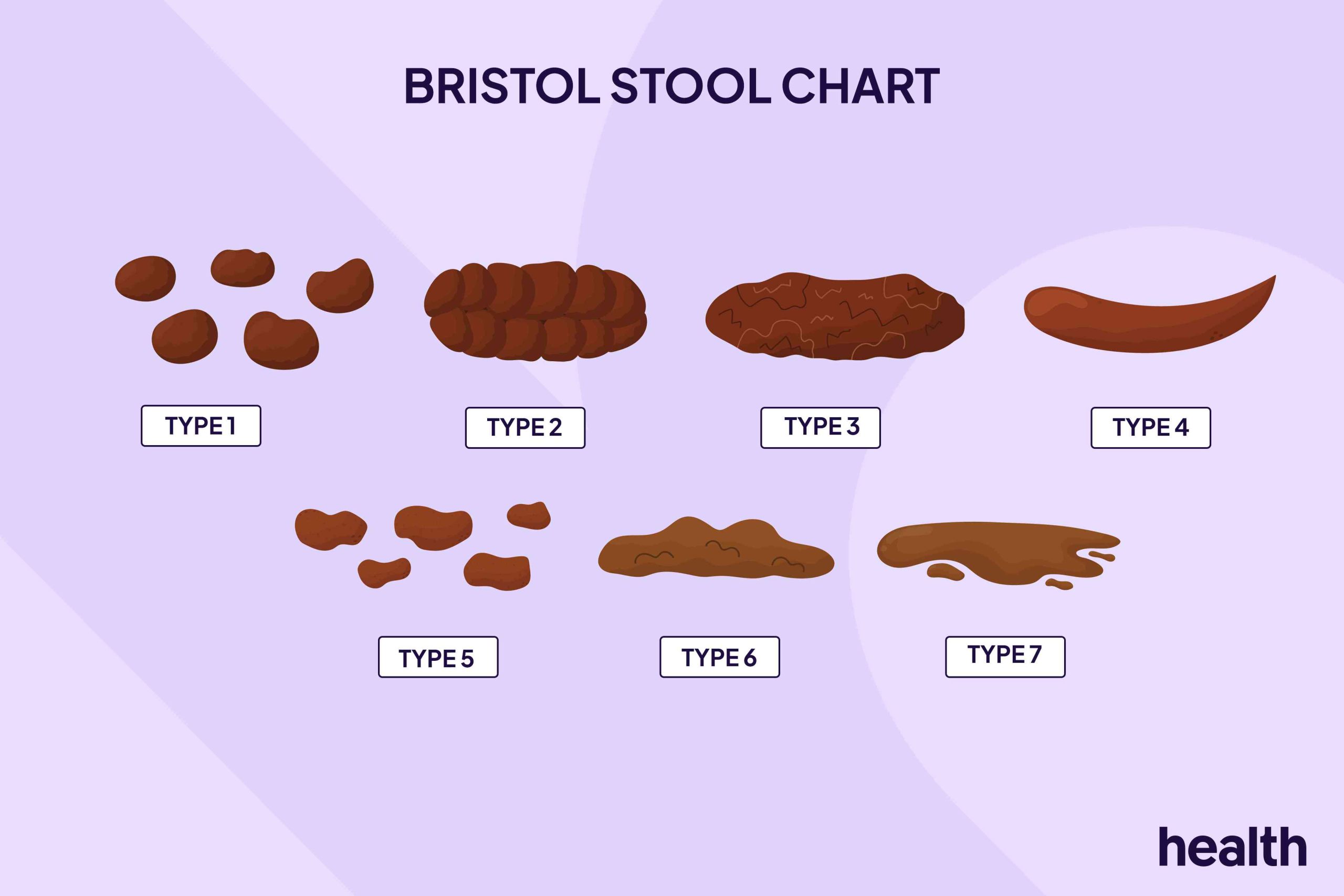
Keeping a symptom diary is one of the most useful things you can do before visiting your doctor. A good diary includes the time and frequency of bowel movements, consistency using the Bristol Stool Chart, what you ate and drank in the hours before, your stress or mood level, any medications or supplements taken, and any other symptoms like pain, bloating, or blood.
This information helps your doctor identify patterns and find the most likely cause of your daily diarrhea much faster.
Frequently Asked Questions (FAQs)
What does it mean if I have diarrhea every single day?
Daily diarrhea lasting more than four weeks is called chronic diarrhea and usually points to an underlying cause such as IBS, food intolerance, medication, or a gut condition. It is important to see a doctor to identify and treat the root cause.
Is it normal to have diarrhea every day?
No, daily diarrhea is not considered normal. While occasional loose stools happen to everyone, having them every day means your digestive system is reacting to something abnormal and needs evaluation.
Can stress alone cause diarrhea every day?
Yes, chronic stress and anxiety can absolutely cause daily diarrhea, particularly in people with IBS. The gut-brain connection means emotional stress directly affects gut function and can trigger loose stools consistently.
What foods stop diarrhea fast?
Foods that help firm up loose stools include bananas, plain white rice, boiled potatoes, plain toast, applesauce, and oats. These are gentle, low-fiber, and easy on an irritated digestive system.
Should I see a doctor if I have diarrhea every day?
Yes, especially if it has lasted more than two to four weeks or if you notice blood in your stool, unexpected weight loss, fever, severe pain, or diarrhea that wakes you at night. These are red flag signs requiring prompt medical evaluation.
Can lactose intolerance cause diarrhea every day?
Yes, if you consume dairy products daily and are lactose intolerant, you can experience diarrhea every day. The symptoms usually appear within 30 minutes to two hours after eating dairy and stop once dairy is removed from the diet.
What is the difference between IBS and IBD?
IBS is a functional disorder causing symptoms without physical damage to the gut, while IBD causes actual inflammation and damage to the intestinal lining. IBD includes Crohn’s disease and ulcerative colitis and is diagnosed through endoscopy and biopsy, not symptoms alone.
Can medications cause me to have diarrhea every day?
Yes, many common medications including antibiotics, metformin, antacids containing magnesium, NSAIDs, and certain antidepressants list diarrhea as a side effect. Always speak to your doctor before stopping any prescribed medication.
How long does chronic diarrhea last without treatment?
Without identifying and treating the underlying cause, chronic diarrhea can persist indefinitely. Some causes like infections may resolve over time, but conditions like IBS, IBD, food intolerance, and microscopic colitis require active management.
Can probiotics help if I have diarrhea every day?
Yes, probiotics can help in many cases, especially if the diarrhea was triggered by antibiotic use, infection, or gut bacteria imbalance. Probiotic foods and supplements help restore healthy gut bacteria, which supports more regular bowel movements over time.
Conclusion
Why do I have diarrhea every day is a question with many possible answers, and this blog has walked through the seven most common reasons.
From IBS and food intolerances to medications, infections, and conditions like Crohn’s disease or microscopic colitis, daily loose stools are always a sign that your digestive system needs support.
The good news is that most causes are identifiable and most people can find significant relief with the right diagnosis and treatment plan.
Start by tracking your symptoms, reviewing your diet and medications, and managing your stress.
If your daily diarrhea has lasted more than two to four weeks, do not wait. Book an appointment with your doctor or a gastroenterologist so you can get the answers your gut deserves and take real steps toward feeling better every day.