Why Are My Toenails Yellow? When to See a Doctor 2026
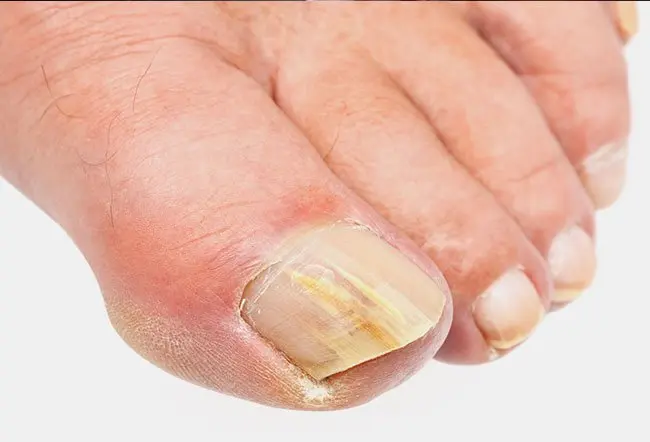
Why are my toenails yellow? This is one of the most common foot health questions people search for — and for good reason.
Yellow toenails can signal anything from a harmless nail polish stain to a fungal infection or an underlying health condition.
Most cases are treatable, but knowing the cause is key.
What Do Healthy Toenails Look Like?
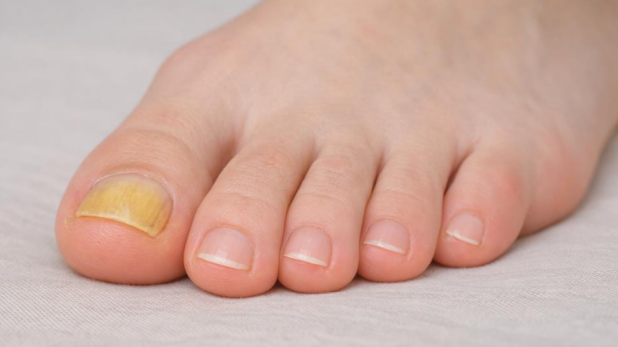
Healthy toenails are pinkish or translucent in color. They are smooth, firm, and free of cracks, ridges, or unusual spots.
When your toenails shift to yellow, pale white, or brown, something has changed. The change could be cosmetic or medical — and that difference matters a lot.
Why Are My Toenails Yellow? The Most Common Causes
There are several well-documented reasons your toenails turn yellow. Some are harmless, others need treatment.
| Cause | Common or Rare | Needs a Doctor? |
|---|---|---|
| Fungal Infection (Onychomycosis) | Very Common | Often Yes |
| Nail Polish Staining | Very Common | No |
| Aging | Common | No |
| Nail Psoriasis | Moderate | Yes |
| Yellow Nail Syndrome | Rare | Yes |
| Diabetes / Poor Circulation | Moderate | Yes |
| Smoking | Common | Lifestyle Change |
| Vitamin Deficiency | Moderate | Maybe |
Fungal Infection: The Number One Cause
The most common reason for yellow toenails is a fungal infection called onychomycosis. It affects roughly 1 in 10 adults in the United States.
Fungi thrive under the nail plate in warm, moist environments — like sweaty shoes, locker rooms, and public showers. Once the fungus takes hold, it slowly changes the nail’s color, thickness, and texture.
How Onychomycosis Progresses
Early stage: A small yellow or white spot appears near the tip or side of the nail. The nail may look slightly dull.
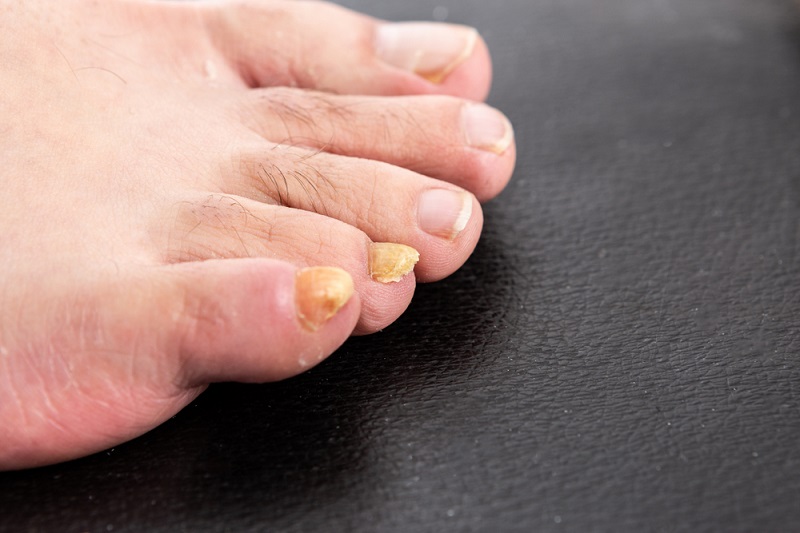
Middle stage: The yellow color spreads. The nail begins to thicken and may develop a brittle or crumbly texture.
Late stage: The nail becomes very thick, distorted, and dark yellow or brown. There may be an unpleasant odor and mild pain while walking.
Who Gets Toenail Fungus Most Often?
- People who walk barefoot in public pools or gyms
- Athletes and people who wear tight, closed shoes for long hours
- People with diabetes or poor blood circulation
- Anyone over the age of 60
- People with a weakened immune system
The two most common fungal subtypes are distal subungual onychomycosis (the most widespread type) and candida yeast infection.
Nail Polish Staining: A Harmless But Common Culprit
Wearing dark or bright nail polish — especially red, orange, black, or deep pink — without a base coat can leave yellow stains on your nails.
This is purely cosmetic and completely harmless. The staining grows out naturally as the nail grows. Giving your nails a break from polish for a few weeks usually resolves the issue.
To prevent this, always apply a clear base coat before dark polish. Switch from acetone-based removers to acetone-free formulas, which are gentler on the nail plate.
Aging and Yellow Toenails
As you age, toenails naturally change. They may become thicker, more brittle, and take on a yellowish or dull tone. This is a normal part of growing older and does not require medical treatment.
The nail grows more slowly with age, and the nail plate becomes denser. These structural changes are responsible for the color shift, not an infection.
Yellow Nail Syndrome: A Rare but Serious Condition
Yellow nail syndrome (YNS) is a rare medical condition, primarily affecting adults over 50. It is more complex than a simple nail infection.
The key signs of YNS include:
- Yellow, curved, and thickened nails that grow very slowly
- Nails with ridges or indentations
- Nails that may turn black or green over time
- Respiratory symptoms such as chronic cough or breathing problems
- Lymphedema — swelling in the legs due to fluid buildup
YNS is often misdiagnosed. Doctors are not certain of its exact cause, which makes early diagnosis essential for effective management.
Nail Psoriasis
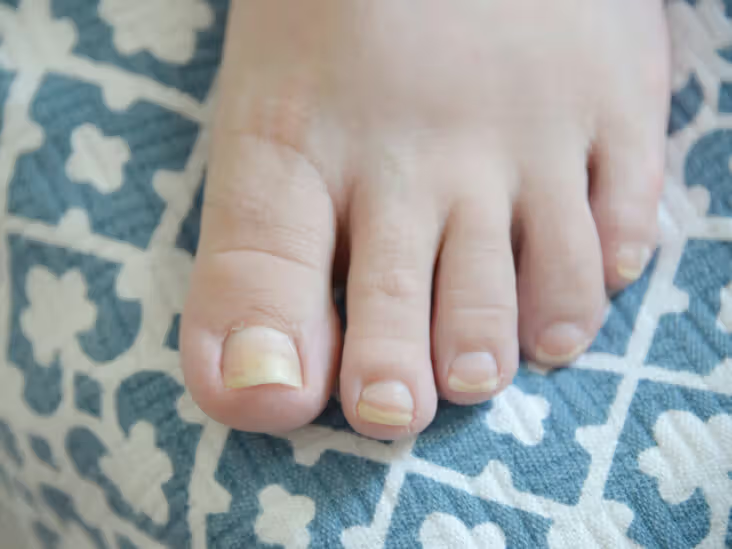
Psoriasis is an autoimmune condition that affects the skin. In about 90% of people with plaque psoriasis, the nails are also affected.
Nail psoriasis can cause:
- Yellow or brownish discoloration under the nail
- Nail pitting (small dents on the surface)
- Thickening or crumbling of the nail
- Separation of the nail from the nail bed (onycholysis)
This condition requires a dermatologist’s evaluation. Treatment may include steroid injections, topical clobetasol, or systemic biologic agents for severe cases.
Diabetes, Poor Circulation, and Other Medical Conditions
Certain systemic health issues affect the nails as a side effect.
Diabetes: Poor blood circulation in the feet reduces the nail’s ability to grow and regenerate normally, making yellow discoloration more likely.
Peripheral vascular disease: Reduced blood flow to the extremities changes nail color and texture over time.
Liver disease (Jaundice): Yellow skin and yellow nails together can indicate elevated bilirubin levels — a sign of liver problems.
Chronic kidney disease: Yellow nails alongside white spots or streaks may suggest kidney-related issues.
Respiratory conditions: Chronic lung problems have been linked to yellow nail changes in some patients.
If you have any of these underlying conditions and notice nail changes, bring it up at your next medical appointment.
Smoking and Yellow Toenails
Nicotine in cigarette smoke absorbs through the skin and surrounding tissue, including the nails. This causes a gradual yellow staining over time.
The staining from smoking does not respond well to topical treatments. Stopping smoking is the most effective way to allow the nails to grow out clear and healthy.
Vitamin Deficiencies
Low levels of vitamins A and C — both of which are antioxidants — can leave nails looking brittle, fragile, and yellow. A nutritional deficiency weakens the nail structure and changes its appearance.
Eating a balanced diet rich in colorful vegetables, citrus fruits, and leafy greens helps maintain strong, healthy nails. A doctor or dietitian may recommend vitamin supplements if deficiency is confirmed.
Toenail Trauma and Injury
Repeated pressure or a direct blow to the toenail can cause the nail to bruise or separate slightly from the nail bed. This creates a yellow, white, or dark discoloration as the nail heals.
This is common in athletes — especially runners — and in people who wear shoes that are too tight or too narrow. The nail usually grows out on its own with proper footwear and rest.
How to Tell If Your Yellow Toenails Are Fungal
Not all yellow nails mean fungus. Here is how to tell the difference.
| Feature | Likely Fungal | Likely Non-Fungal |
|---|---|---|
| Affects one or two nails | Sometimes | Often just polish stain |
| Affects multiple nails | More likely | Less common |
| Nail thickening | Yes | Not typical |
| Brittle or crumbly texture | Yes | Rare |
| Nail odor | Sometimes | No |
| Pain while walking | In advanced cases | Rare |
| Clears up after removing polish | No | Yes (staining) |
Yellow Toenail Treatments That Work
Treatment depends entirely on what is causing the discoloration. The right approach for a fungal infection is very different from what you do about nail polish staining.
Medical Treatments for Fungal Infections
Oral antifungal medications are the most effective treatment for moderate to severe onychomycosis. Common prescriptions include terbinafine (Lamisil) and itraconazole. Treatment typically lasts 6 to 12 weeks, but nails may take up to a year to look fully clear.
Topical antifungal nail lacquer such as ciclopirox 8% solution (Penlac, Cicloda) is applied directly to the nail like nail polish. It works best for mild to moderate infections.
Laser therapy is a newer option used in cases where medication has not worked. It targets the fungus under the nail without harming surrounding tissue.
Nail removal is only recommended in severe, painful cases where other treatments have failed.
Over-the-Counter Options
OTC antifungal creams and ointments are widely available. For best results, trim and file down the nail surface first so the product can penetrate deeper layers. These work best for very early-stage infections.
Home Remedies for Yellow Toenails
Several home remedies have supporting evidence for mild fungal cases. None of these replace medical treatment for a confirmed moderate or severe infection.
Tea Tree Oil
Tea tree oil has proven antifungal and antiseptic properties. Mix a few drops with a teaspoon of coconut or olive oil and apply to the affected nails with a cotton ball twice daily. Let it sit for 10 minutes, then gently scrub with a clean toothbrush.
A 2013 study showed tea tree oil reduced the growth of Trichophyton rubrum — a common nail fungus — within 14 days.
Apple Cider Vinegar Soak
Apple cider vinegar changes the pH around the nail, making it harder for fungus to survive. Mix one part ACV with one part warm water. Soak your feet for 15 to 20 minutes daily, then dry your feet completely.
Baking Soda Paste
Baking soda prevents fungal growth and neutralizes foot odor. Create a paste with baking soda and water, apply it to the yellow nail, leave for 10 to 15 minutes, then rinse. Researchers found baking soda prevented fungal growth in 79% of specimens tested.
Vicks VapoRub
Vicks contains menthol, thymol, and eucalyptus oil — all of which have antifungal properties. Apply a small amount to the affected toenail once or twice daily. Some patients see improvement within a few weeks.
Vinegar Foot Soak
Harvard Health recommends mixing one part white or apple cider vinegar with three parts warm water and soaking toes for at least 10 minutes. Up to 40 minutes produces better results. Dry feet completely afterward.
Olive Leaf Extract
Olive leaf extract has both antibacterial and antifungal properties. Apply it in liquid form to the infected nails multiple times daily, or take it as an oral supplement.
| Home Remedy | Method | Evidence Level |
|---|---|---|
| Tea tree oil | Apply twice daily | Moderate |
| Apple cider vinegar soak | 15–20 min daily | Anecdotal/Mild |
| Baking soda paste | 10–15 min daily | Moderate |
| Vicks VapoRub | Apply 1–2x daily | Small study support |
| Vinegar soak | 10–40 min daily | Anecdotal |
| Olive leaf extract | Topical or oral | Anecdotal |
How to Prevent Yellow Toenails
Good prevention habits keep both fungal infections and staining away.
Foot Hygiene Habits
Keep your feet clean and completely dry, especially between the toes. Moisture is what allows fungus to take hold and grow. Dry your feet thoroughly after showering or swimming.
Footwear and Socks
Wear breathable socks — cotton or moisture-wicking fabrics. Avoid wearing the same shoes every day; rotate them to allow drying between uses. Make sure your shoes fit properly and are not cramping the front of your toes.
Public Spaces
Always wear flip-flops in public showers, locker rooms, pool decks, and gym changing rooms. These are the most common places where nail fungus spreads from person to person.
Nail Care
Cut toenails straight across and slightly round the tips with a file. Keep nails short but not too short. Do not share nail clippers, files, or towels with others. Clean your nail tools regularly with alcohol.
Nail Polish Habits
Always apply a base coat before dark-colored polish. Give nails a regular break from polish — at least one week per month. Use acetone-free nail polish remover to reduce dryness and staining.
When to See a Doctor for Yellow Toenails
Most yellow toenails do not require an emergency visit. But certain signs mean you should not wait.
See a Doctor if You Notice:
- The nail is getting thicker and more distorted over time
- Yellow color spreads to more than two or three nails
- The nail has a foul odor
- There is pain, swelling, redness, or pus near the nail
- The nail starts separating from the nail bed
- Your yellow nails are accompanied by breathing problems or leg swelling (possible YNS)
- You have diabetes, a weakened immune system, or poor circulation
- Home remedies have not improved the condition after 4 to 6 weeks
- Walking or performing daily activities is uncomfortable due to nail changes
A dermatologist or podiatrist can collect nail clippings for lab testing to identify the exact type of fungus and prescribe the most effective treatment. Early diagnosis leads to faster, more complete recovery.
Yellow Toenails vs. Other Nail Color Changes
Yellow is not the only nail color that signals a problem. Here is a quick comparison:
| Nail Color | Most Likely Cause | Action |
|---|---|---|
| Yellow | Fungus, polish, aging | See doctor if persistent |
| White patches | White superficial onychomycosis | See doctor promptly |
| Black | Bruise (subungual hematoma) | Monitor, see doctor if worsening |
| Green | Bacterial infection (chloronychia) | See doctor |
| Brown streaks | Possible melanoma | See doctor urgently |
| White/yellow at base | Proximal subungual onychomycosis | See doctor, check immune status |
What a Dermatologist or Podiatrist Will Do
When you visit a specialist for yellow toenails, expect the following:
A visual examination of all your toenails and skin. The doctor will look at the pattern, color, thickness, and texture of the affected nail.
Nail clipping or scraping for lab testing. This identifies whether the cause is fungal and which specific type of fungus is involved. Results guide the most effective treatment choice.
A review of your medical history. Conditions like diabetes, psoriasis, or respiratory problems all affect the diagnosis and treatment plan.
A personalized treatment plan. This may include prescription oral medication, a topical lacquer, laser therapy, or a combination approach.
How Long Does It Take for Yellow Toenails to Clear Up?
This depends on the cause and severity.
Nail polish staining: Clears up in 2 to 4 weeks once you stop using polish.
Mild fungal infection with topical treatment: 3 to 6 months. Toenails grow slowly, so patience is essential.
Moderate to severe fungal infection with oral medication: 6 to 12 months for a fully clear nail, even after the fungus is gone.
Trauma-related discoloration: Grows out over 6 to 9 months as the nail replaces itself.
Aging-related changes: These are permanent and do not require treatment.
Frequently Asked Questions (FAQs)
Are yellow toenails always caused by fungus?
No. Nail polish staining, aging, smoking, and medical conditions like psoriasis or yellow nail syndrome can also cause yellowing. Fungus is the most common cause, but not the only one.
Can I treat yellow toenails at home without seeing a doctor?
Mild cases from polish staining or early-stage fungus can improve with home remedies. But if the nail thickens, spreads to other nails, or does not improve in 4 to 6 weeks, see a doctor.
Is toenail fungus contagious?
Yes. It spreads easily in warm, moist environments like locker rooms, pools, and shared nail tools. Wearing flip-flops in public areas and not sharing clippers reduces your risk.
What is the fastest way to get rid of yellow toenails?
Prescription oral antifungal medications like terbinafine are the most effective and fastest medical treatment. Home remedies like tea tree oil or vinegar soaks are slower and best for mild cases.
Can yellow toenails be a sign of something serious?
Yes, in some cases. Yellow nails alongside breathing problems and leg swelling may indicate yellow nail syndrome. Yellow nails with yellow skin or eyes could signal liver disease. See a doctor if other symptoms are present.
Does nail polish cause permanent yellow staining?
No. Nail polish staining is temporary and grows out within a few weeks once you stop using polish. A base coat prevents most staining from occurring.
Can vitamins help with yellow toenails?
If a deficiency in vitamins A or C is contributing to nail discoloration, taking supplements or eating more fruits and vegetables can help improve nail health over time.
What type of doctor should I see for yellow toenails?
A dermatologist specializes in skin, hair, and nail conditions. A podiatrist focuses specifically on foot and ankle health. Either is a good choice for diagnosing and treating yellow toenails.
Can yellow toenails come back after treatment?
Yes. Recurrence is common with fungal infections. Preventing reinfection by keeping feet dry, wearing breathable shoes, and avoiding public barefoot areas reduces the risk. A weekly vinegar foot soak after treatment helps too.
Is yellow nail syndrome curable?
There is no definitive cure, but symptoms can be managed by treating the underlying conditions. Vitamin E has shown some benefit for nail appearance in YNS patients. Early diagnosis leads to better long-term outcomes.
Conclusion
Why are my toenails yellow? As you have seen, there is no single answer.
The cause could be as simple as nail polish staining or as complex as yellow nail syndrome or a systemic health condition.
The most common culprit is a fungal infection called onychomycosis, which affects millions of people and is highly treatable with the right approach.
Home remedies like tea tree oil, apple cider vinegar soaks, and baking soda paste can help with mild cases.
But when nails thicken, spread their discoloration, or cause discomfort, professional evaluation is essential.
A dermatologist or podiatrist can identify the exact cause and create a treatment plan that actually works.
Do not ignore persistent nail changes — catching problems early always leads to faster, easier recovery.
Healthy nails are absolutely within reach with the right care and attention in 2026.