Why Do Dogs Howl at Sirens? Instincts Explained — Common Reasons 2026
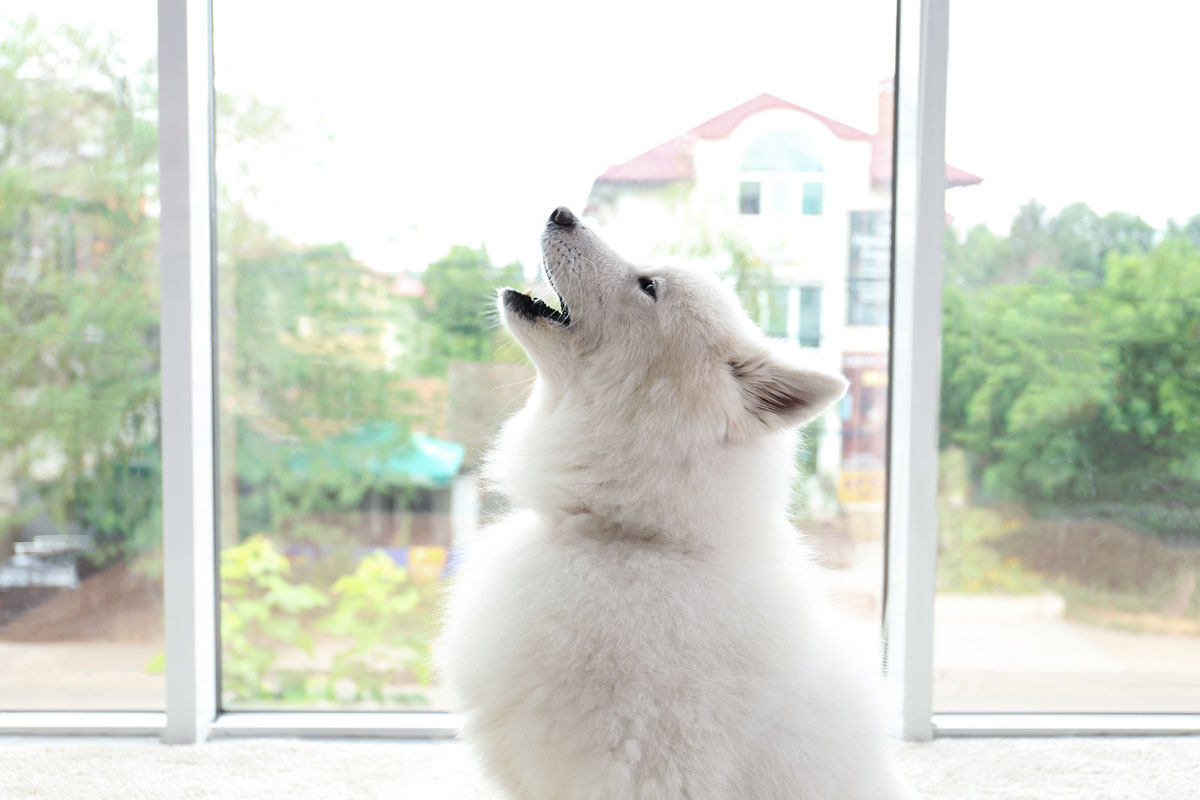
Why do dogs howl at sirens? It is one of the most common questions dog owners ask, and the answer goes back thousands of years.
Dogs inherited howling behavior directly from their wolf ancestors, and that ancient instinct is still alive in every breed today.
When a siren wails outside your window, your dog is not being dramatic or in pain.
They are responding to a deeply wired signal that tells them to communicate, warn, or join in.
Why Do Dogs Howl at Sirens? The Short Answer

Why do dogs howl at sirens? The short and honest answer is: instinct.
Dogs are direct descendants of wolves, and wolves used howling as their primary long-distance communication tool. When your dog hears a siren, their ancient brain wiring fires up and tells them to respond.
The siren does not need to sound exactly like a dog howl. It just needs to be close enough — and it is. Modern emergency sirens operate in a frequency range of 500 to 1,500 Hz, which overlaps closely with canine vocalizations.
The Wolf Ancestry Connection
Dogs evolved from wolves more than 15,000 years ago. Despite thousands of years of domestication, many core behavioral instincts remain locked inside their DNA.
Wolves use howling for three core purposes: locating separated pack members, marking territorial boundaries, and signaling approaching threats. That programming did not disappear when dogs became our companions.
When your dog hears a siren and starts howling, they are not being silly or strange. They are doing exactly what their ancestors did for millennia.
How Dog Hearing Makes Sirens Impossible to Ignore
| Hearing Metric | Humans | Dogs |
|---|---|---|
| Frequency Range | 20 Hz – 20,000 Hz | 40 Hz – 65,000 Hz |
| Distance Detection | ~1x | ~4x farther |
| Ear Rotation | Fixed | 180° independent rotation |
| Pitch Sensitivity | Moderate | Very high |
Dogs can detect frequencies up to 65,000 Hz — more than three times the upper range of human hearing. This means a siren that sounds moderately loud to you is dramatically louder and more intense to your dog.
Their ears can rotate independently, like satellite dishes, to pinpoint the exact direction and distance of a sound. Your dog may actually begin reacting to a siren before you can even hear it yourself.
That level of sensitivity is why sirens are nearly impossible for dogs to ignore. The sound is simply too loud, too pitched, and too close to a howl for them to sit still.
The Top Reasons Dogs Howl at Sirens
The Mistaken Identity Theory
The most widely accepted explanation among animal behaviorists is simple: your dog thinks the siren is another dog howling.
The oscillating, rising, and falling pitch of a siren closely mimics the frequency and tonal pattern of a wolf or dog howl. Your dog’s brain does not know the difference between a fire truck and a distant canine. So they howl back, essentially saying, “I hear you — I am over here.”
This is also why the howling often stops once the siren fades. Your dog thinks the other “dog” has moved on.
The Territorial Warning Theory
Another strong theory is that your dog perceives the siren as a potential threat approaching their territory.
Dogs with protective instincts may howl to warn their family that something unusual is happening. They want you — their pack leader — to know that an intruder or threat may be nearby.
When the siren eventually disappears, the dog feels their warning worked. This reinforces the behavior, making them more likely to howl at the next siren they hear.
Contagious Social Howling
Research published in PLOS ONE in 2023 confirmed that dogs respond more strongly to howls from dogs they are more genetically related to. But contagious howling, where one animal starts and others join in, is a core social bonding behavior across all canines.
Your dog may simply be joining in on what feels like a communal group call. It is the canine version of singing along with a song on the radio.
Fear and Noise Anxiety
Not all dogs howl at sirens out of communication instinct. Some dogs are genuinely frightened by the loud, unpredictable sound of an emergency vehicle.
An anxious dog may howl as a stress response — a way of releasing tension and seeking reassurance from their owner. The key is reading the other signals your dog gives alongside the howling.
Attention-Seeking Behavior

Some dogs have learned that howling at sirens gets a reaction from their owners. If you rush over, pet them, or give them attention every time they howl, you may be accidentally reinforcing the habit.
The dog is not being manipulative — they are just learning that this behavior produces a reward. Consistent training can redirect this over time.
Signs Your Dog Is Howling From Instinct vs. Stress
Understanding the difference between a happy howl and a distressed howl is crucial for any dog owner.
| Behavior Signal | Instinct/Communication | Fear/Stress |
|---|---|---|
| Body posture | Relaxed, upright | Crouched, cowering |
| Tail position | Neutral or wagging | Tucked between legs |
| Eye contact | Normal | Wide, whale eye |
| Movement | Stays in place or moves toward sound | Hides, tries to flee |
| Other sounds | Howling only | Whining, panting, barking |
| After siren ends | Calm, settles quickly | Remains agitated |
If your dog is howling but appears relaxed, tail up, and body loose — they are almost certainly communicating, not suffering. If you see cowering, shaking, lip licking, or hiding alongside the howling, that is a sign of noise anxiety that may need attention.
Which Dog Breeds Howl at Sirens the Most?
Not every dog responds to sirens the same way. Breed genetics play a significant role in how likely a dog is to howl.
Breeds Most Likely to Howl
Dogs that are genetically closer to wolves tend to be the most vocal when they hear sirens.
- Siberian Husky — One of the most talkative breeds, with a very strong wolf genetic connection
- Alaskan Malamute — Known for loud, long howls and strong instinctual vocalizations
- American Eskimo Dog — Ancient Nordic roots make howling second nature
- Beagle — Bred to vocalize when tracking, very responsive to high-pitched sounds
- Coonhound — Howling is literally in the job description for this breed
- Basset Hound — Deep, mournful howls are a breed trademark
Breeds Less Likely to Howl
Brachycephalic breeds (flat-faced dogs) and heavily domesticated breeds tend to howl less.
- French Bulldog
- Pug
- Shih Tzu
- Cavalier King Charles Spaniel
That said, any dog of any breed can howl at a siren. Individual personality and past experiences matter just as much as genetics.
Do Sirens Hurt Dogs’ Ears?
This is one of the most common questions owners ask, and the answer is reassuring.
Sirens are loud, but unless the decibel level is sustained above 65 dB for a long period, or reaches 100 dB or more, your dog’s hearing should not be negatively affected. Most passing sirens do not meet that threshold.
If a siren were actually painful, your dog would most likely run away, hide, or show clear signs of distress rather than standing and howling. Howling without running is generally a sign of communication, not pain.
That said, noise-sensitive dogs and dogs with existing noise phobia may experience real discomfort. Watch the full body language picture, not just the howling.
The Reinforcement Loop: Why Dogs Keep Doing It

There is a classic behavioral reinforcement pattern at play when dogs howl at sirens.
The siren arrives. The dog howls. The siren eventually fades away. From the dog’s perspective, their howling drove the intruder off. This “success” makes them more likely to howl the next time a siren appears.
This is an important concept for training. The behavior is self-rewarding, which means simply waiting it out is not always enough. You need to actively redirect or counter-condition the response.
How to Stop Your Dog from Howling at Sirens
Most of the time, howling at sirens is harmless and you may not need to do anything at all. But if it becomes excessive, or if neighbors are complaining, here are evidence-based strategies that work.
Positive Reinforcement Training
Teach a “quiet” cue. When the siren sounds and your dog begins to howl, wait for even a brief pause in the howling, then immediately reward them with a high-value treat.
Repeat consistently. Over time, your dog will learn that staying quiet when a siren sounds earns them something good.
Desensitization
Play siren sounds at a very low volume through a speaker while your dog is calm. Reward them for staying relaxed. Gradually increase the volume over many sessions until your dog no longer reacts.
This method takes weeks or months of patience, but it is highly effective for noise-sensitive dogs.
Avoid Scolding
Do not punish or scold your dog for howling at sirens. Scolding can cause your dog to associate sirens with negative experiences, which can deepen noise anxiety rather than reduce howling.
Create a Safe Space
If your dog shows anxiety signs when sirens sound, give them access to a comfortable, quiet area of the house — a crate with a familiar blanket, or an interior room with less noise exposure.
Consult a Veterinarian or Trainer
If howling is excessive, happens even without sirens, or is combined with destructive behavior and separation anxiety, speak with your vet. A professional dog trainer or animal behaviorist can build a customized plan for your specific dog.
When to Be Concerned About Howling
Occasional howling at sirens is almost always normal. You do not need to worry about it unless it crosses into these areas.
Howling that lasts for a very long time after the siren has passed may signal anxiety. Howling combined with destructive behavior, loss of appetite, or inability to settle could point to a deeper problem. If your dog howls excessively even when no sirens are present — especially when left alone — separation anxiety may be a factor.
A veterinarian can rule out medical causes like pain or cognitive dysfunction in older dogs, and can refer you to a behavioral specialist if needed.
Interesting Facts About Dog Howling and Sirens
- Sirens are specifically engineered in a 500 to 1,500 Hz frequency range — which overlaps directly with canine vocal frequencies
- A 2023 PLOS ONE study found dogs respond more strongly to howls from genetically related dogs, suggesting social bonds shape howling behavior
- Scientists studying wolf communication found that sirens may have been designed in this frequency range partly because humans evolved alongside dog-like animals whose howls served as natural warning signals
- Dogs can hear sirens from up to four times the distance that humans can
- Ancient breeds like Huskies, Malamutes, and American Eskimos are statistically more likely to howl at sirens than modern, heavily selectively bred dogs
Puppy vs. Adult Dog: Does Age Matter?
Puppies are often easier to train out of siren-howling habits because their behavioral patterns are still forming. Consistent early exposure to sirens in a calm, positive context can prevent the howling habit from becoming ingrained.
Adult dogs can absolutely be trained too, but it may take longer. If your adult dog has been howling at sirens for years, expect desensitization to be a gradual process that requires patience and consistency.
What If Multiple Dogs in the Household Howl Together?
Contagious howling is a well-documented canine behavior. If one dog in your home starts howling at a siren, others will often join in automatically.
This is a social bonding behavior, not a sign that all of your dogs are distressed. It is the canine equivalent of a group chant. In multi-dog households, training one dog to stay quiet can actually help calm the others, since the trigger for contagious howling is removed.
Can You Train a Dog to Howl on Command?
Yes — and some owners find that teaching a “speak” or “howl” command is actually helpful. When your dog can howl on cue, you can also more easily teach an “enough” or “quiet” cue.
This gives you more control over the behavior overall and makes training sessions feel positive and fun rather than punitive.
Frequently Asked Questions (FAQs)
Why do dogs howl at sirens but not all loud noises?
Sirens have a specific high-pitched, oscillating frequency that closely mimics the sound of a dog or wolf howl. Other loud noises like thunder or construction sounds do not share that pitch pattern, so they do not trigger the same instinctual response.
Is it bad if my dog howls at sirens every single time?
Occasional howling is completely normal and harmless. If it happens every single time and goes on for a long time after the siren has passed, gentle training and desensitization can help reduce the frequency.
Do sirens actually hurt dogs’ ears?
Not in most cases. Unless the sound reaches 100 dB or is sustained at 65 dB for a very long time, it is unlikely to damage your dog’s hearing. Watch for body language signs like hiding or shaking if you are concerned.
Why do some dogs never howl at sirens?
Every dog is an individual. Breed genetics, personality, past experiences, and noise sensitivity all influence whether a dog responds to sirens. Some dogs simply have less of a howling instinct than others.
Which dog breeds howl at sirens the most?
Breeds genetically closer to wolves — such as Siberian Huskies, Alaskan Malamutes, Beagles, and Coonhounds — are most likely to howl at sirens. Heavily domesticated or brachycephalic breeds are generally less prone to this behavior.
Why does my dog howl at sirens even when the sound is far away?
Dogs can hear sounds up to four times farther than humans can. Your dog may be reacting to a siren you cannot even hear yet because their hearing range is so much greater than ours.
Is my dog trying to warn me when it howls at sirens?
Possibly. One well-supported theory is that dogs howl at sirens to alert their family of a potential threat in their environment. Whether this is truly intentional warning behavior or simply instinctual vocalization is still debated by experts.
Will my dog ever stop howling at sirens on its own?
Some dogs naturally become less reactive as they age and grow more familiar with their environment. But for most dogs, especially those with strong howling instincts, the behavior does not stop on its own without some training.
Can howling at sirens cause my dog stress over time?
If your dog’s howling is communication-based and they appear relaxed, there is no long-term stress effect. But if the siren genuinely triggers anxiety in your dog, repeated exposure without desensitization could reinforce that stress response over time.
Should I comfort my dog when it howls at sirens?
If your dog appears calm and is simply communicating, comforting them is fine but not necessary. If they appear genuinely frightened, offering calm reassurance — without reinforcing panicked behavior — can help. Speak in a low, relaxed voice and avoid matching their anxious energy.
Conclusion
Why do dogs howl at sirens? Because they are doing exactly what thousands of years of evolution wired them to do.
The high-pitched wail of an emergency vehicle triggers ancient instincts rooted in wolf communication, pack bonding, and territorial awareness.
For most dogs, this behavior is completely harmless — a brief, instinctual response to a sound that their brain interprets as a distant call.
Understanding the science behind this behavior helps you respond with patience rather than frustration.
Whether your dog is a vocal Husky who serenades every passing ambulance or a quiet Lab who barely raises an ear, the underlying biology is the same.
The key is watching your dog’s overall body language, distinguishing normal howling from anxiety-driven distress, and using positive, consistent training if the behavior becomes excessive.
With the right approach, you can manage siren howling easily and keep both you and your dog calm when the next emergency vehicle rolls by.