Why Does the Bottom of My Foot Hurt? Common Reasons 2026
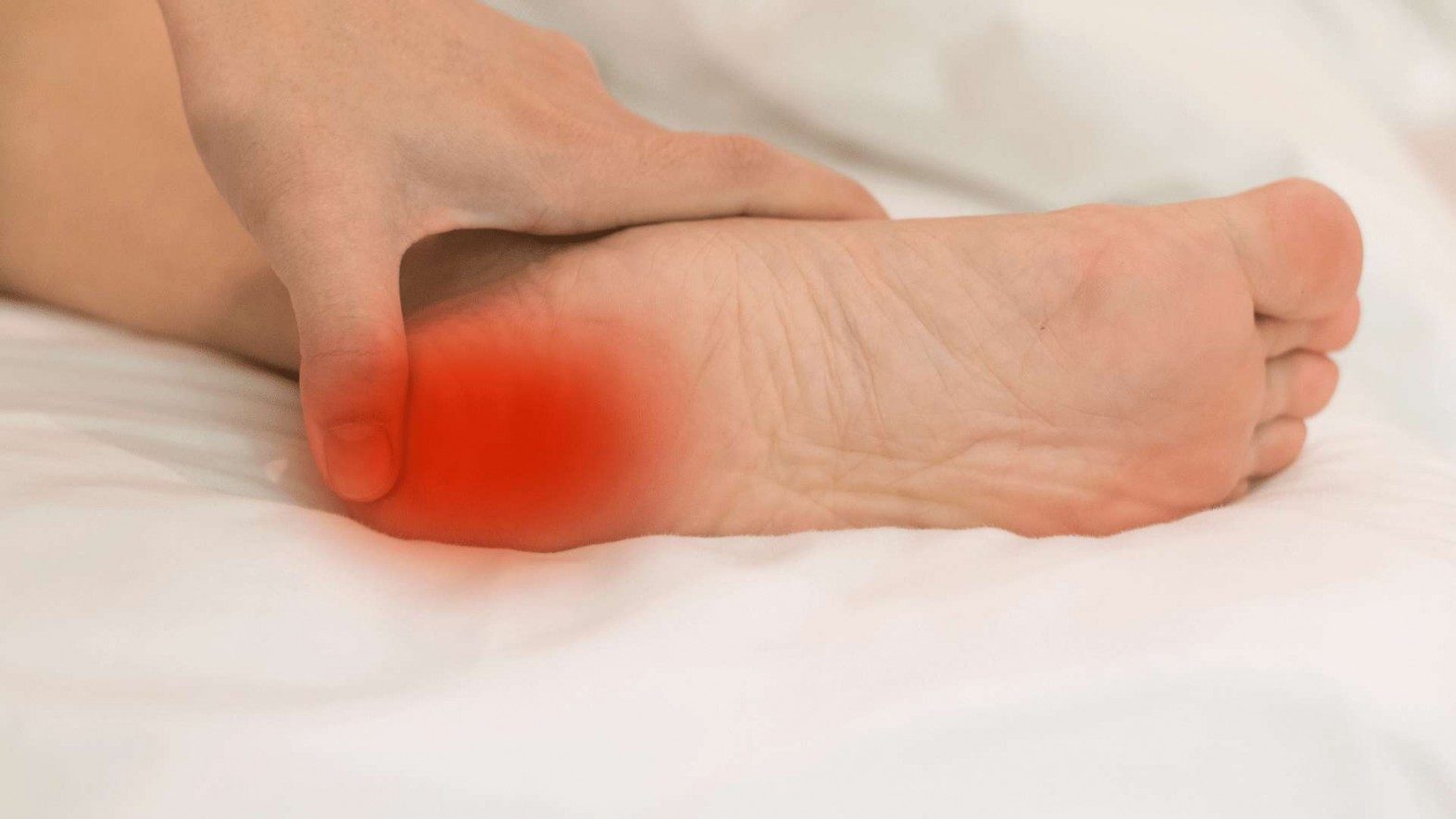
Why does the bottom of my foot hurt — this is one of the most searched health questions today, and for good reason.
Millions of people deal with foot pain every single day.
It can range from a dull ache in the morning to sharp, stabbing pain with every step. The bottom of your foot carries your entire body weight, so when something goes wrong there, it affects everything.
Understanding the Anatomy of the Bottom of Your Foot
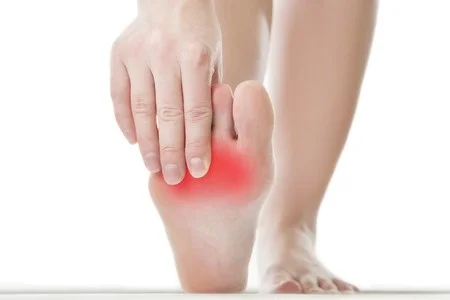
The bottom of your foot is a complex structure made up of bones, ligaments, tendons, muscles, nerves, and fat pads. It is divided into three zones — the heel (hindfoot), the arch (midfoot), and the ball of the foot (forefoot).
Each zone can develop its own specific problems. Pain in one zone often feels different from pain in another. Knowing which zone hurts helps narrow down the cause significantly.
Your foot has 26 bones, 33 joints, and over 100 tendons and ligaments. Any one of these structures can become inflamed, irritated, or damaged.
Pain Location Chart: What Zone Hurts?
| Pain Location | Most Likely Cause |
|---|---|
| Bottom of heel | Plantar fasciitis, heel spurs |
| Arch (middle of foot) | Flat feet, posterior tibial tendonitis |
| Ball of foot (near toes) | Metatarsalgia, Morton’s neuroma, sesamoiditis |
| Entire bottom of foot | Peripheral neuropathy, diabetes-related nerve damage |
| Sharp point under heel | Heel spur, stress fracture |
Most Common Causes of Bottom of Foot Pain
Plantar Fasciitis — The #1 Reason Your Heel Hurts
Plantar fasciitis is the single most common cause of pain on the bottom of the foot. It involves inflammation of the plantar fascia — a thick band of tissue that runs from your heel bone all the way to your toes.
The classic sign is sharp pain in the bottom of the heel, especially with the first few steps in the morning. The pain often eases as you walk around, but returns after long periods of standing or after exercise.
It is extremely common in runners, overweight individuals, people who stand all day, and those with either flat feet or high arches.
Why it happens:
- Overstretching or overloading the plantar fascia
- Repetitive stress from running or jumping
- Wearing shoes with poor arch support
- Tight calf muscles that pull on the heel
How it feels:
- Stabbing or burning pain near the heel
- Worse in the morning or after rest
- Pain along the arch when walking barefoot
- Tenderness when pressing the bottom of the heel
Treatment options:
- Stretching the calf and plantar fascia daily
- Wearing supportive footwear with cushioned soles
- Rolling the foot over a frozen water bottle
- Night splints to maintain stretch while sleeping
- Physical therapy
- Corticosteroid injections for severe cases
Heel Spurs — A Bony Growth That Causes Trouble
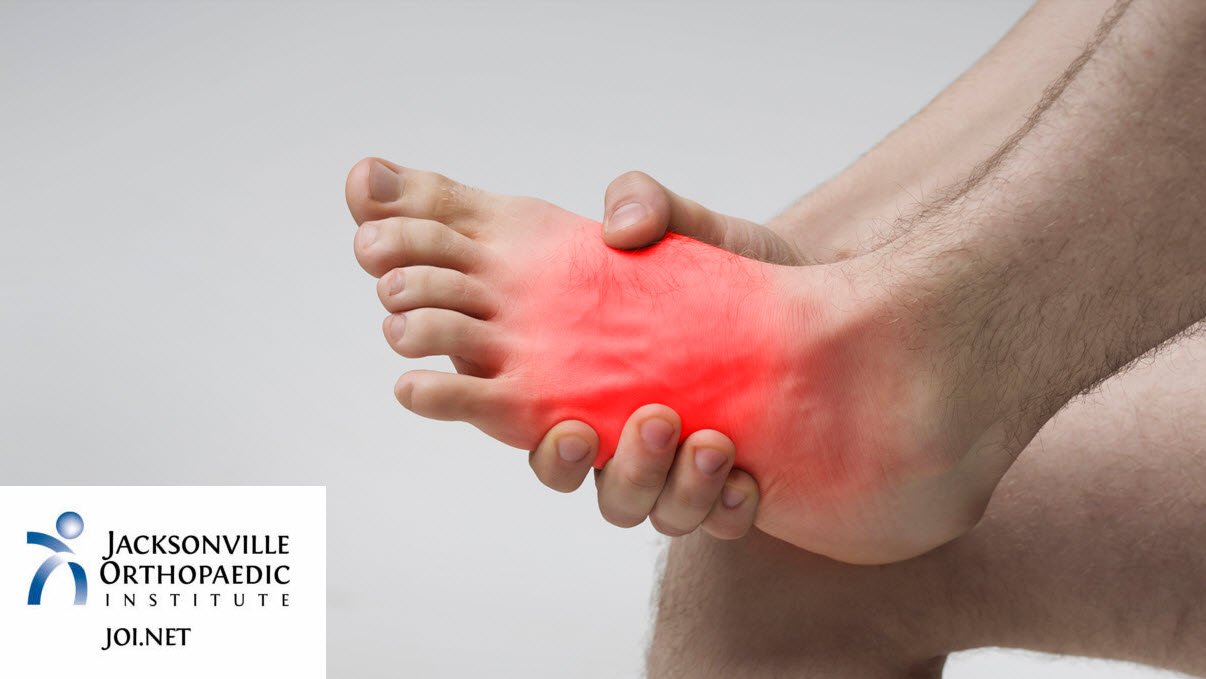
A heel spur is an abnormal bony growth that develops on the underside of the heel bone. It is often seen on X-rays and is closely linked with plantar fasciitis.
Most people with heel spurs actually feel no pain at all. However, when pain does occur, it mimics the feel of plantar fasciitis — a sharp, stabbing sensation under the heel when standing or walking.
People with flat feet, high arches, or abnormal walking patterns are more likely to develop painful heel spurs. Wearing poorly fitting shoes is also a significant contributing factor.
Treatment options:
- Cushioned heel pads or cutout inserts
- Custom orthotics
- Stretching exercises for the calf and heel
- Anti-inflammatory medications like ibuprofen
- Cortisone injections
- Surgery in rare, severe cases
Metatarsalgia — Pain in the Ball of Your Foot
Metatarsalgia refers to pain and inflammation in the ball of the foot — the area just behind your toes. The word itself describes pain in the metatarsal region (the long bones that connect the arch to the toes).
The pain typically feels like a sharp, aching, or burning sensation. Many people describe it as feeling like there is a small pebble stuck inside their shoe. It tends to worsen with standing, walking, running, or when going barefoot.
It is especially common in athletes who run or jump frequently, as the forefoot absorbs tremendous force during these activities.
Common causes:
- High-impact sports (running, basketball, football)
- High heels or poorly fitting shoes
- High arches that shift too much weight to the forefoot
- Hammertoes and bunions that alter weight distribution
- Excess body weight
- Stress fractures in the metatarsal bones
Treatment options:
- Rest and avoiding high-impact activities temporarily
- Ice packs applied to the ball of the foot
- Metatarsal pads or insoles to redistribute pressure
- Switching to shoes with a wide toe box and good cushioning
- Anti-inflammatory medications
- Physical therapy
Morton’s Neuroma — Nerve Pain Between the Toes
Morton’s neuroma is a thickening of the tissue around one of the nerves leading to the toes. It most commonly develops between the third and fourth toes, though it can occur between other toes as well.
The pain feels like a burning, stabbing, or electric shock-like sensation in the ball of the foot. Some people also experience numbness or tingling in their toes. The feeling of standing on a marble or small stone is a classic description.
Tight shoes, high heels, and high-impact activities are major risk factors.
How it feels:
- Burning pain in the ball of the foot
- Shooting pain into the toes
- Numbness or tingling between toes
- Feeling like something is bunched up in your shoe
Treatment:
- Wearing wider shoes with more toe room
- Metatarsal pads to reduce nerve compression
- Avoiding high heels
- Corticosteroid injections
- Alcohol sclerosing injections
- Surgery to remove the neuroma in severe cases
Flat Feet (Fallen Arches) — A Structural Problem
Flat feet occur when the arches of the foot collapse and the entire sole touches the ground. This puts abnormal stress on the plantar fascia, the heel, and the tendons that support the arch.
Not everyone with flat feet has pain. But when pain does occur, it spreads across the bottom of the entire foot, particularly in the arch and heel areas. Aching in the lower legs and knees is also common because flat feet throw off body alignment.
People with flat feet often overpronate — meaning their ankles roll inward excessively when walking or running.
Symptoms:
- Aching or throbbing in the arch and heel
- Swelling along the inner ankle
- Fatigue in the feet after minimal walking
- Pain that worsens after activity
Treatment options:
- Supportive footwear with arch support
- Custom orthotics
- Physical therapy to strengthen foot muscles
- Bracing or taping
- Surgery in severe, adult-acquired flat foot cases
Tarsal Tunnel Syndrome — When a Nerve Gets Pinched
Tarsal tunnel syndrome happens when the posterior tibial nerve gets compressed as it passes through the tarsal tunnel — a narrow passage on the inner side of the ankle. The nerve supplies sensation to the bottom of the foot.
When this nerve is pinched, it creates burning, shooting, or tingling pain that radiates along the bottom of the foot. The sensation is similar to carpal tunnel syndrome in the wrist, but in the foot.
It can be caused by flat feet, an ankle injury, swelling, or even a cyst or varicose vein pressing on the nerve.
Symptoms:
- Burning or shooting pain on the sole of the foot
- Tingling or numbness in the arch, heel, and toes
- Pain that worsens after prolonged standing or walking
- Symptoms that often improve with rest
Treatment:
- Rest and avoiding aggravating activities
- Anti-inflammatory medications
- Steroid injections into the tarsal tunnel
- Custom orthotics to reduce nerve compression
- Surgery to release the tarsal tunnel ligament if conservative treatment fails
Sesamoiditis — Pain Under the Big Toe
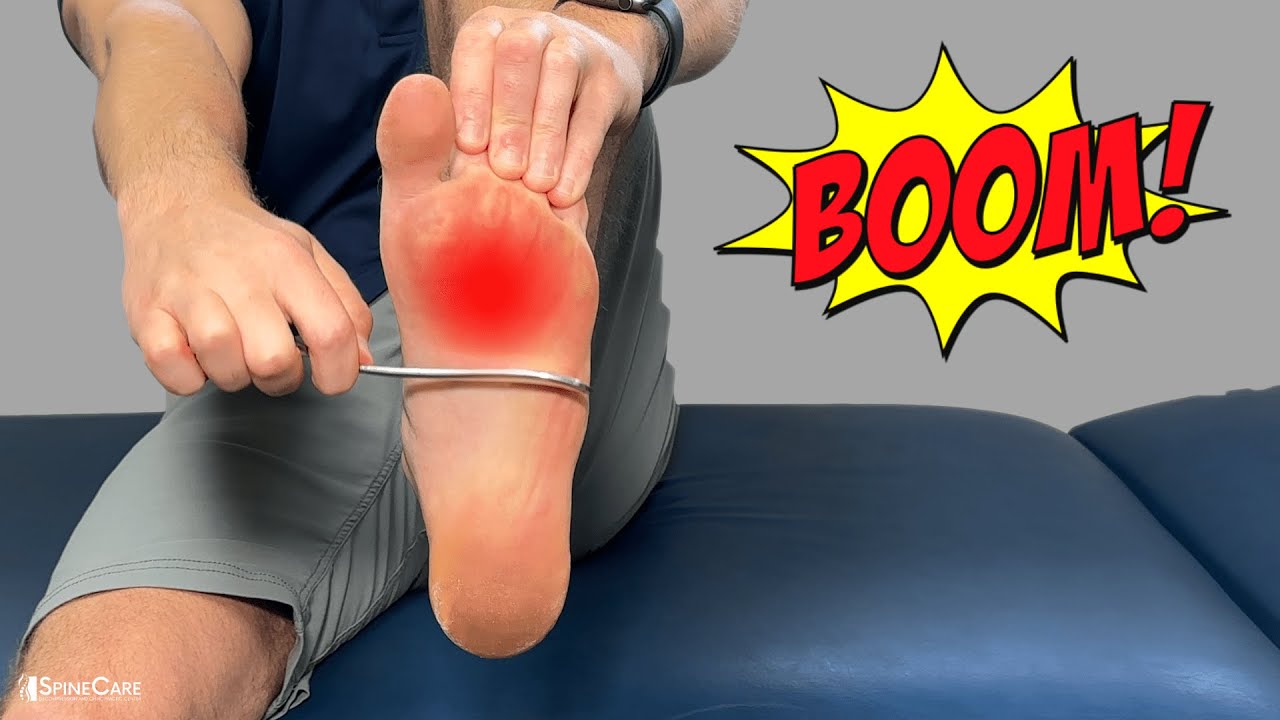
Sesamoiditis is inflammation of the two tiny bones (sesamoids) embedded in the tendon beneath the big toe joint. These bones help the big toe push off the ground when walking.
The pain is localized under the ball of the foot near the big toe. It tends to develop gradually and is often mistaken for a sprain. Ballet dancers, runners, and people who wear high heels are at higher risk.
Symptoms:
- Dull aching under the big toe joint
- Pain and swelling at the ball of the foot near the big toe
- Difficulty bending or pushing off the big toe
- Pain that worsens with activity
Treatment:
- Rest and reducing pressure on the area
- Soft-soled shoes with padding under the big toe
- Taping or strapping to limit big toe movement
- Anti-inflammatory medications
- Custom orthotics with a sesamoid relief cutout
- Surgery in rare, persistent cases
Peripheral Neuropathy — Nerve Damage from the Inside Out
Peripheral neuropathy is nerve damage that causes burning, tingling, or numbness in the feet. It is most commonly linked to diabetes but can also result from vitamin B12 deficiency, alcoholism, chemotherapy, or other systemic diseases.
Unlike structural causes, neuropathy tends to affect both feet simultaneously. The symptoms are often worse at night.
Symptoms:
- Burning or stinging sensation on the sole of the foot
- Electric shock-like feelings in the feet
- Numbness or loss of sensation
- Weakness in the foot muscles
Management:
- Controlling blood sugar levels (for diabetic neuropathy)
- Vitamin B12 supplementation if deficient
- Prescription medications like gabapentin or duloxetine
- Pain-relieving creams (topical lidocaine or capsaicin)
- Wearing diabetic-grade footwear
Stress Fractures — Small Cracks with Big Pain
A stress fracture is a tiny crack in a bone that develops from repetitive force. In the foot, stress fractures most commonly affect the metatarsal bones. They are especially common in runners who suddenly increase their training volume.
The pain from a stress fracture builds gradually and is very localized — meaning you can often point to the exact spot that hurts. Swelling and bruising may also be present.
Risk factors:
- Sudden increase in activity level
- Osteoporosis or low bone density
- Poor nutrition (low calcium and vitamin D)
- Running on hard surfaces
Treatment:
- Rest — often 6 to 8 weeks of reduced weight-bearing
- A walking boot or cast for immobilization
- Crutches if needed
- Gradually returning to activity
Plantar Warts — A Viral Foot Problem
Plantar warts are small, rough growths on the bottom of the foot caused by the human papillomavirus (HPV). They often develop on the heel or ball of the foot — the pressure areas.
Because they grow inward due to body weight pressing on them, they can be quite painful. They often look like calluses with small black dots in the center.
Treatment:
- Salicylic acid patches or gels (over-the-counter)
- Cryotherapy (freezing) by a podiatrist
- Laser treatment
- Minor surgical removal
Risk Factors That Make Bottom of Foot Pain More Likely
| Risk Factor | How It Contributes |
|---|---|
| Obesity or excess weight | Puts extra load on plantar fascia, metatarsals, and heel |
| Prolonged standing or walking | Overworks foot structures and tendons |
| High-impact sports | Repetitive stress on forefoot and heel |
| Poor footwear | Lack of support worsens arch and heel strain |
| Flat feet or high arches | Alters normal weight distribution |
| Diabetes | Causes nerve damage and reduces healing ability |
| Age over 40 | Tendons and fat pads lose elasticity |
| Tight calf muscles | Increases tension on the plantar fascia |
When to See a Doctor About Bottom of Foot Pain
Most foot pain can be managed at home. But certain warning signs mean you need to see a healthcare provider or podiatrist right away.
See a doctor if:
- Pain has lasted more than two weeks with no improvement
- You cannot bear weight on the foot
- There is significant swelling, bruising, or redness
- You notice signs of infection — warmth, pus, or fever
- You have diabetes and any foot pain or wound
- The pain came on suddenly after an injury
- Numbness or tingling is spreading up the leg
A podiatrist can diagnose the cause through a physical exam, gait analysis, X-rays, ultrasound, or MRI scans. Getting the right diagnosis matters because treating the wrong condition can make pain worse.
At-Home Treatments That Actually Work
Many causes of bottom of foot pain respond well to home care when started early. The RICE method — Rest, Ice, Compression, Elevation — is the first line of defense for most injuries.
Stretching exercises:
The best stretch for plantar fasciitis and general foot pain is the calf stretch. Stand facing a wall, place your hands flat on it, step one foot back, and press the heel firmly into the ground. Hold for 30 seconds and repeat three times per side.
Another effective stretch is the towel stretch. Sit on the floor with your legs straight. Loop a towel around the ball of your foot and gently pull toward you, feeling the stretch in the arch.
Footwear changes:
Switching to shoes with proper arch support, a cushioned sole, and a wide toe box is one of the most effective long-term fixes. Avoid walking barefoot on hard floors, especially first thing in the morning.
Orthotics:
Custom orthotics made by a podiatrist or chiropodist are significantly more effective than store-bought insoles. They are molded to the unique shape of your foot and correct biomechanical issues that standard insoles cannot address.
Ice and anti-inflammatories:
Apply ice wrapped in a cloth to the painful area for 15 to 20 minutes, up to three times a day. Over-the-counter ibuprofen or naproxen can help reduce inflammation, but should not be used long-term without medical guidance.
Prevention Tips for Bottom of Foot Pain
Preventing foot pain is much easier than treating it once it develops. Small daily habits make a significant difference over time.
- Always wear shoes with proper arch support and cushioning
- Replace athletic shoes every 400 to 500 miles of use
- Stretch your calves and feet before and after exercise
- Avoid sudden increases in activity level — increase gradually
- Maintain a healthy body weight to reduce pressure on the feet
- Choose low-heeled shoes with a wide toe box for daily wear
- Warm up before physical activity and cool down afterward
- Get regular foot check-ups if you have diabetes
Comparison of Top Treatments by Condition
| Condition | First-Line Treatment | Advanced Treatment |
|---|---|---|
| Plantar fasciitis | Stretching, arch support, ice | Night splints, steroid injections |
| Metatarsalgia | Metatarsal pads, rest, ice | Custom orthotics, footwear change |
| Morton’s neuroma | Wide shoes, pads | Cortisone injection, surgery |
| Flat feet | Supportive shoes, orthotics | Physical therapy, surgery |
| Heel spurs | Cushioned insoles, stretching | Cortisone injection, surgery |
| Tarsal tunnel | Rest, orthotics | Steroid injection, surgery |
| Sesamoiditis | Padding, rest | Orthotics, steroid injection |
| Stress fracture | Rest, immobilization | Walking boot, crutches |
Frequently Asked Questions (FAQs)
What is the most common cause of pain on the bottom of the foot?
Plantar fasciitis is the most common cause, responsible for the majority of heel and arch pain cases. It is especially common in runners, people who stand for long hours, and those with flat feet or high arches.
Why does the bottom of my foot hurt in the morning?
Morning heel pain is a hallmark symptom of plantar fasciitis. The plantar fascia tightens during sleep, so those first steps stretch it suddenly, causing sharp pain that typically eases after a few minutes of walking.
Can the bottom of my foot hurt from standing all day?
Yes. Prolonged standing places continuous stress on the plantar fascia, metatarsal joints, and heel fat pad. Teachers, nurses, retail workers, and chefs are among the most commonly affected groups due to long hours on hard surfaces.
Is bottom of foot pain serious?
Most cases are not serious and respond well to home treatment. However, pain that is severe, persistent for more than two weeks, or accompanied by swelling, numbness, or difficulty walking should be evaluated by a doctor.
What shoes help with bottom of foot pain?
Shoes with a cushioned midsole, good arch support, a wide toe box, and a firm heel counter are best. Brands like Brooks, New Balance, ASICS, and Hoka are frequently recommended by podiatrists for foot pain relief.
Can flat feet cause bottom of foot pain?
Yes. Flat feet cause overpronation, which increases strain on the plantar fascia, tendons, and heel. This often leads to diffuse aching across the entire bottom of the foot, especially after activity.
Does diabetes cause bottom of foot pain?
Diabetes can cause peripheral neuropathy, which creates burning, tingling, or numbness in the soles of the feet. Diabetes also slows healing and reduces circulation, making foot problems more serious and harder to treat.
How do I know if I have a stress fracture in my foot?
A stress fracture causes localized, gradually worsening pain at a specific point on the foot. Unlike plantar fasciitis, the pain does not ease with walking and may worsen with activity. X-ray or MRI is needed to confirm the diagnosis.
Can the bottom of my foot hurt from wearing bad shoes?
Absolutely. Shoes without arch support, high heels, shoes that are too tight or too loose, and worn-out sneakers are among the top causes of bottom of foot pain. Footwear is often the first thing a podiatrist asks about.
When should I go to the doctor for bottom of foot pain?
You should see a doctor if pain lasts more than two weeks, is severe enough to affect daily activity, follows an injury, comes with swelling or redness, or if you have diabetes. Early treatment leads to significantly better outcomes.
Conclusion
Pain on the bottom of your foot is one of the most disruptive types of discomfort because every step is a reminder of the problem.
Whether it is the stabbing heel pain of plantar fasciitis, the burning sensation of Morton’s neuroma, or the widespread aching of flat feet, the causes are well understood — and most are very treatable.
The key is identifying the right cause. Pain location is your biggest clue.
Heel pain usually points to plantar fasciitis or heel spurs.
Ball of foot pain suggests metatarsalgia or Morton’s neuroma.
Arch pain often means flat feet or tarsal tunnel syndrome.
Burning or tingling throughout the foot is a red flag for nerve involvement.
Start with simple changes — supportive shoes, daily stretching, ice, and rest.
If those do not help within two weeks, see a podiatrist.
Custom orthotics, physical therapy, and targeted injections resolve the vast majority of cases without surgery.
Your feet carry you through every moment of your day.
Give them the attention they deserve, and the bottom of your foot pain does not have to be permanent.