Why Is My Lip Swollen on One Side — When to Worry 2026
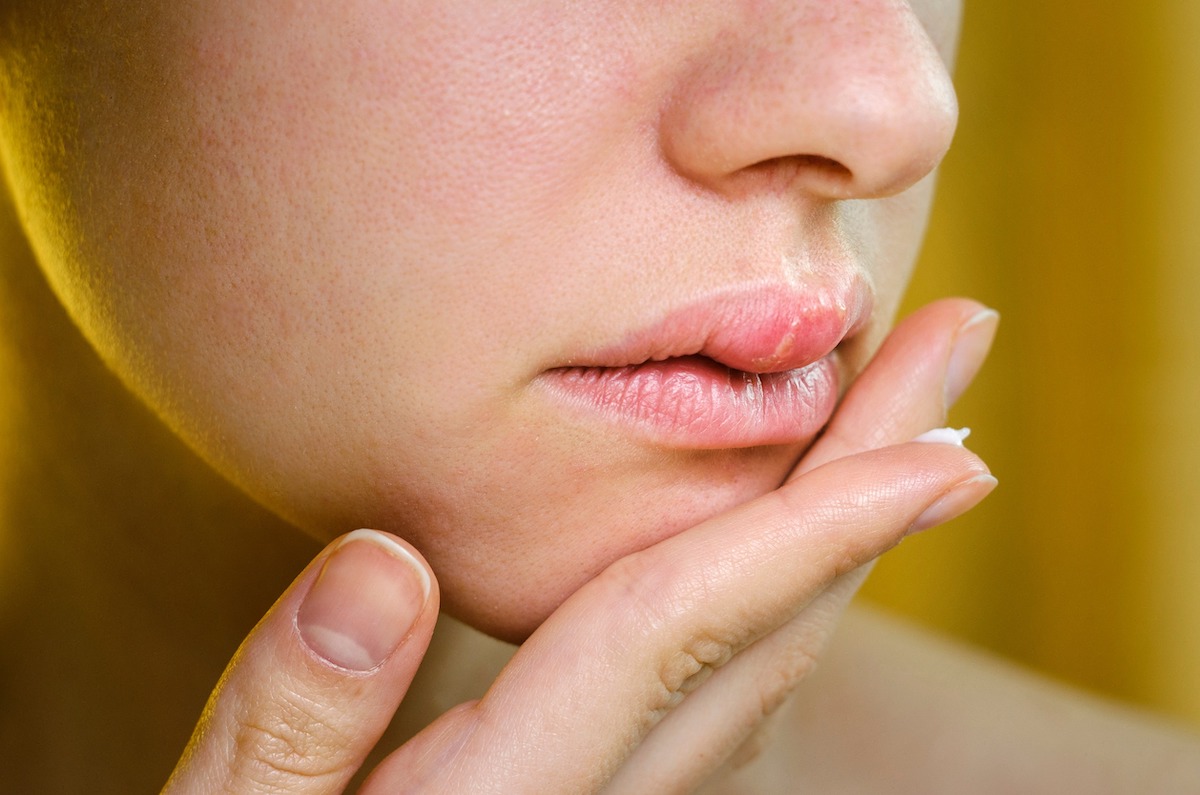
Why is my lip swollen on one side is one of the most common questions people search after waking up to a puffy, uncomfortable mouth.
The good news is that most cases are minor and resolve on their own within a day or two. However, some causes require immediate medical attention.
What Causes One-Sided Lip Swelling
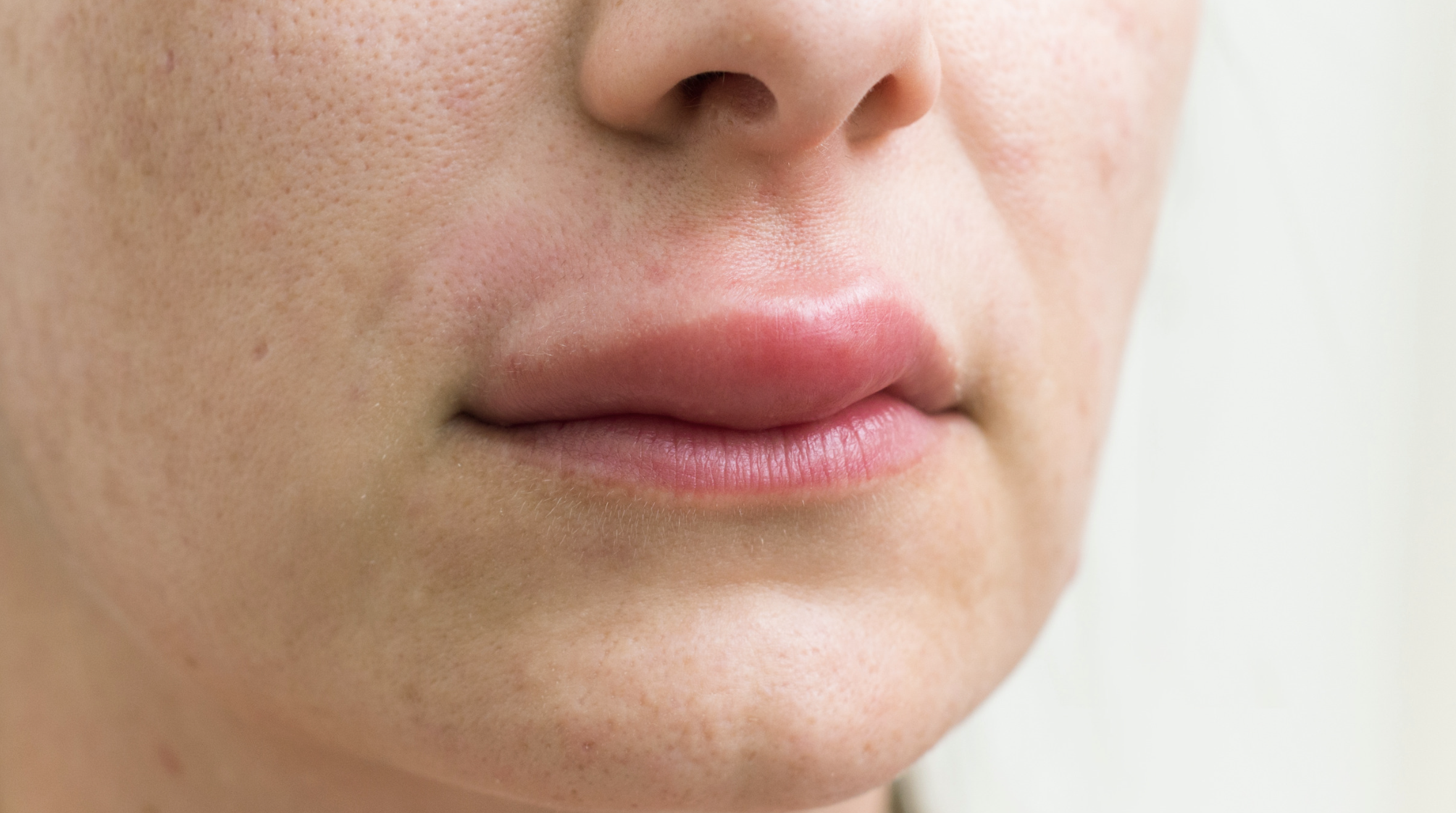
When only one side of your lip swells, the cause is almost always localized — meaning it is confined to one specific area rather than a full-body immune response.
General allergic reactions typically affect both sides at once. So a single swollen side usually points to trauma, infection, or a localized growth of some kind.
Understanding the cause is the first step toward getting the right treatment quickly.
1. Physical Trauma or Injury
Trauma is one of the most common reasons for why your lip is swollen on one side. A direct hit to the mouth, accidentally biting your lip while eating, or sleeping on a hard surface can all cause inflammation that stays on the affected side.
Blood and fluid rush to the injured tissue as a healing response. This causes the familiar puffiness that can appear within minutes or develop slowly overnight.
You may notice tenderness to the touch, bruising or reddish-purple discoloration, and mild pain around the swollen area. The swelling should begin improving within 24 to 48 hours with basic home care.
2. Allergic Reaction
An allergic reaction is another major trigger for lip swelling on one side. Foods like shellfish, nuts, strawberries, or dairy products can cause the body to release histamine, leading to rapid swelling.
Non-food items like toothpaste, lip balm, latex gloves, certain medications, and cosmetics can also trigger a localized allergic response. The swelling often appears quickly — within minutes of exposure.
Accompanying symptoms include itching, hives, redness, and in severe cases, difficulty breathing. Antihistamines like cetirizine or loratadine are the first-line treatment for mild reactions.
3. Insect Bite or Sting
A mosquito, bee, wasp, or spider bite near the lip can cause dramatic one-sided swelling. The venom or saliva from the insect triggers a localized immune response that is often disproportionate to the size of the bite.
You will usually notice a small raised bump or puncture point at the center of the swollen area. The skin around it may feel hot and itchy.
Most insect bite swellings resolve within 24 to 72 hours. Cold compresses and antihistamines help speed up recovery.
4. Cold Sores — Herpes Simplex Virus
Cold sores caused by the herpes simplex virus (HSV-1) are a very common cause of one-sided lip swelling. The virus often begins with a tingling or burning sensation before the visible blister forms.
As the blister develops, the surrounding lip tissue becomes inflamed and swollen — typically only on the affected side. Fluid-filled blisters then rupture, ooze, and crust over as they heal.
Antiviral creams like acyclovir, applied early, can shorten the outbreak duration significantly. The earlier you treat a cold sore, the faster it resolves.
5. Dental Abscess or Tooth Infection
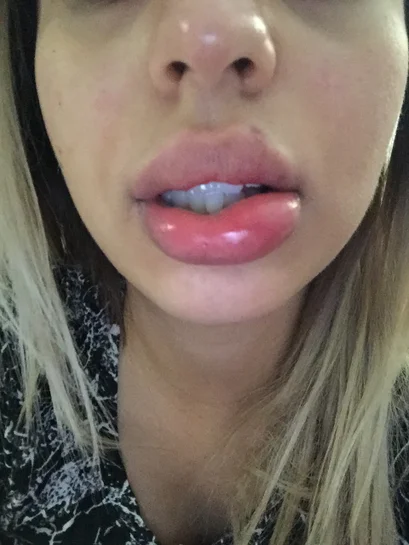
A dental abscess — a pocket of bacterial infection inside the tooth or gum — is a serious and painful cause of one-sided lip swelling. The infection can spread from the tooth through the surrounding tissue and extend outward to the lip.
Signs of a dental abscess alongside lip swelling include severe toothache, a foul taste in the mouth, fever, and swollen lymph nodes under the jaw. The swelling often feels warm and firm to the touch.
This condition requires professional dental treatment. Antibiotics and, in many cases, a dental procedure such as a root canal or extraction are necessary. Do not delay seeing a dentist.
6. Angioedema
Angioedema is a deeper form of swelling that occurs beneath the skin’s surface rather than just on top. It commonly affects the lips, eyes, face, and genitals.
It can be triggered by allergic reactions (foods, medications, insect stings), certain blood pressure medications called ACE inhibitors, or autoimmune conditions. In rare cases it is hereditary.
Most episodes of angioedema resolve within 72 hours. However, if the swelling extends to the throat or affects breathing, this is a medical emergency requiring immediate hospital care.
7. Cellulitis — Bacterial Skin Infection
Cellulitis is a bacterial infection of the skin and the tissue just beneath it. When it affects the lip area, it causes one-sided swelling that is warm, red, and tender to the touch.
The infection often enters through a small cut, crack, or break in the skin. People with weakened immune systems or poorly controlled diabetes are at higher risk.
Cellulitis requires prescription antibiotics. Without treatment, it can spread rapidly. Red streaks extending outward from the swollen area are a serious warning sign.
8. Cyst or Mucocele
A cyst or mucocele is a fluid-filled sac that can form inside the lip tissue. It is often caused by a blocked salivary gland or duct.
Mucoceles feel soft, smooth, and painless. They often appear as a bluish or flesh-colored lump on the inner lip surface. They can swell gradually over days and stay localized to one side.
Small cysts sometimes resolve on their own. Larger or recurrent ones may require draining by a doctor or minor surgical removal.
9. Cheilitis — Lip Inflammation
Cheilitis is a broad term for inflammation of the lips. It can be caused by sun damage, nutritional deficiencies, fungal infections, or chronic irritation from licking the lips.
Symptoms include cracking, redness, scaling, and swelling — often more noticeable on one side of the lower lip. Angular cheilitis specifically affects the corners of the mouth.
Treatment depends on the cause and may include antifungal creams, vitamin supplements, or medicated lip balms. Sun protection with SPF lip balm helps prevent recurrence.
10. Hormonal Changes
Hormonal fluctuations, particularly in women, can cause temporary lip swelling as part of changes in fluid retention. This can happen during pregnancy, menstruation, or menopause.
The swelling is typically mild and resolves on its own as hormones stabilize. It is rarely confined to just one side in hormone-related cases, but localized tissue sensitivity can make one area more reactive.
No specific treatment is usually needed. If the swelling is persistent or accompanied by other symptoms, consult a doctor for evaluation.
11. Sunburn on the Lips
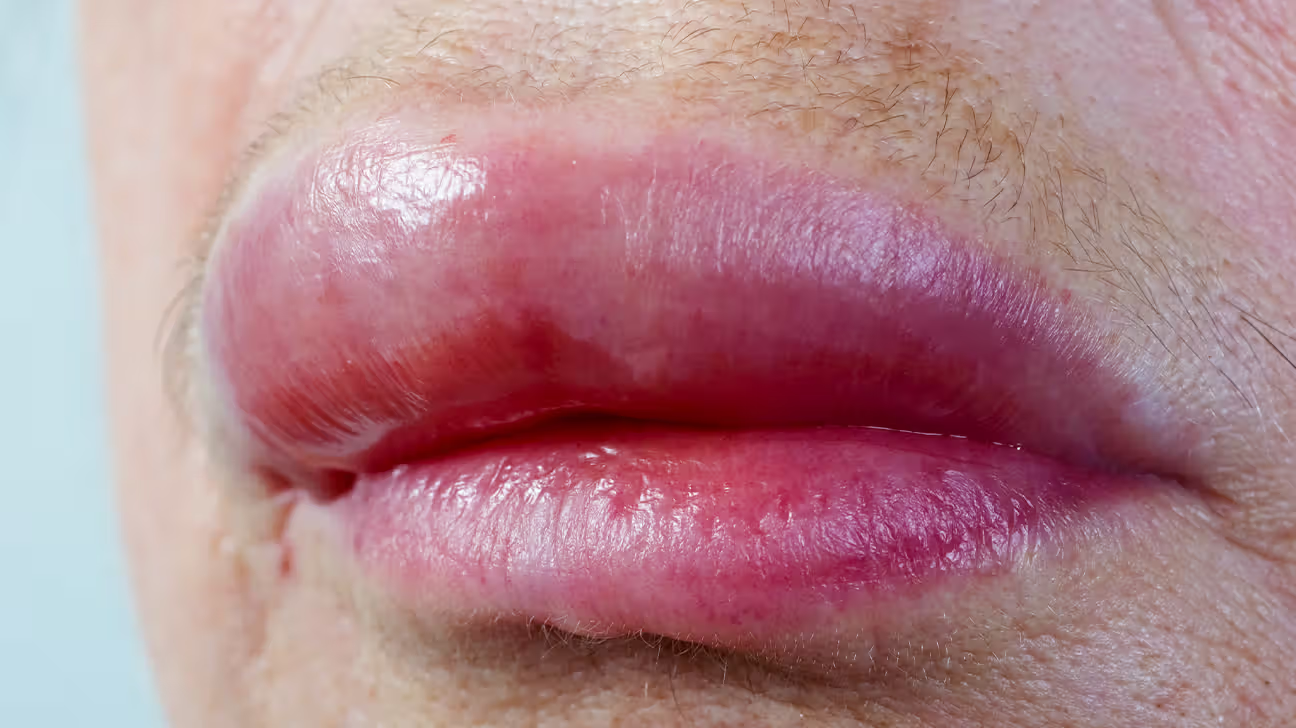
Spending time outdoors without SPF lip protection can lead to sunburned lips. The skin on lips is very thin and extremely vulnerable to UV damage.
Sunburned lips swell, crack, blister, and feel painful or tight. The swelling may be more pronounced on one side depending on how you were positioned in the sun.
Applying aloe vera gel, staying hydrated, and using a healing lip ointment overnight helps. Avoid peeling or picking at sunburned lip skin.
12. Salivary Gland Blockage
A blocked salivary duct — caused by a salivary stone or mucus plug — can cause fluid to build up under the tongue or inside the lower lip, creating one-sided puffiness.
The swelling tends to come and go, often worse before meals when saliva production increases. You may feel a tender lump under the tongue or inside the lower jaw.
A dentist or ENT specialist can diagnose and treat this with imaging. Small stones sometimes pass on their own with warm compresses and massage.
13. Lip Piercing Reaction
A new or infected lip piercing can cause significant localized swelling. The body may initially react to the foreign metal as an irritant, leading to inflammation at the piercing site.
If the piercing becomes infected, the swelling is accompanied by discharge, increased warmth, and pain. Nickel allergies are a common trigger in people who react to certain metals.
Cleaning the piercing with saline solution and avoiding touching it with unwashed hands reduces infection risk. Severe infections require antibiotic treatment.
14. Medication Side Effects
Certain medications can cause lip swelling as a side effect. ACE inhibitors — commonly prescribed for high blood pressure — are well-known for causing angioedema-type swelling of the lips and throat.
NSAIDs, aspirin, antibiotics, and some herbal supplements have also been linked to lip swelling in sensitive individuals. The reaction can occur suddenly even after months of taking the same medication.
If you suspect your medication is causing lip swelling, contact your prescribing doctor immediately. Do not stop taking prescribed medication without professional guidance.
15. Rare but Serious Causes
In rare cases, persistent or unusual lip swelling may point to something that requires further investigation.
Lip cancer can present as a sore, lump, or swelling that does not heal over several weeks. It is more common in people who smoke or have prolonged sun exposure history.
Granulomatous cheilitis and Melkersson-Rosenthal syndrome are rare inflammatory disorders that cause chronic, recurring lip swelling. These require specialist diagnosis and management.
A full table of causes and their urgency level appears below.
Complete Cause and Urgency Table
| Cause | Swelling Side | Urgency Level | Treatment Type |
|---|---|---|---|
| Physical trauma / bite | Affected side only | Low — home care | Ice, rest, pain relievers |
| Insect bite or sting | Affected side only | Low – Moderate | Antihistamine, cold compress |
| Cold sore (HSV-1) | One side, blistered | Low – Moderate | Antiviral cream |
| Allergic reaction — mild | One or both sides | Moderate | Antihistamine |
| Dental abscess | One side, warm, painful | High — see dentist | Antibiotics, dental procedure |
| Angioedema — mild | One or both sides | Moderate – High | Antihistamine, doctor visit |
| Angioedema with breathing difficulty | Rapid spread | Emergency — call 911 | Epinephrine, ER |
| Cellulitis | One side, red streaks | High — see doctor | Prescription antibiotics |
| Mucocele / cyst | Localized, painless | Low – Moderate | Observation or draining |
| Lip cancer | One area, non-healing | High — see doctor | Specialist referral |
| Medication side effect | Variable | Moderate – High | Doctor consult |
| Sunburn | Both sides or one side | Low | Aloe vera, hydration |
| Hormonal changes | Mild, variable | Low | Self-resolving |
When to Worry — Red Flag Symptoms
Knowing when to seek emergency care versus waiting it out at home is critical. Most lip swelling is harmless and resolves on its own, but certain signs demand immediate action.
Go to the emergency room or call emergency services immediately if you notice any of the following.
- Swelling is spreading rapidly to your face, throat, or tongue
- You have difficulty breathing or swallowing
- You feel dizziness, faintness, or your heart is racing
- You have hives covering large areas of your body
- Swelling appeared after taking a new medication
- One side of your face is drooping alongside the swollen lip — this may indicate stroke
These are signs of anaphylaxis or a neurological emergency. Both conditions are life-threatening if not treated immediately.
Warning Signs That Need a Doctor Visit Within 24 to 48 Hours
Not every concerning symptom is an emergency, but some require prompt professional attention rather than home care.
- The swelling has not improved after 48 hours of home treatment
- You have a fever alongside the lip swelling
- You see pus, discharge, or red streaks spreading from the swollen area
- The area is warm, very painful, and hard to the touch
- You have severe toothache or jaw pain with the swelling
- The swelling keeps coming back without a clear trigger
- You notice a lump or sore on the lip that will not heal after two weeks
These symptoms point to infection, abscess, or a condition needing diagnosis beyond home remedies.
Swollen Lip Overnight — Woke Up with Swelling
Waking up to a swollen lip on one side with no memory of an injury is a common scenario that causes a lot of alarm. The most likely explanations include sleeping on a hard surface and pressing the lip, an allergic reaction to something eaten the night before, or a cold sore outbreak that developed while you slept.
The virus or allergen was already present before bed — the swelling just became visible overnight. Inspect the lip carefully in good lighting for blisters, cuts, bite marks, or raised lumps that might explain the cause.
If you also notice facial drooping, slurred speech, or difficulty moving your mouth, call emergency services immediately as these can be signs of a stroke or Bell’s palsy.
Home Remedies for Lip Swelling on One Side
For mild to moderate cases with no emergency signs, the following home treatments are effective.
- Cold compress — Wrap ice cubes or a cold pack in a thin cloth and hold against the swollen area for 10 to 15 minutes at a time, every one to two hours for the first 24 hours.
- Antihistamines — Over-the-counter antihistamines like cetirizine or loratadine work well for allergy-related swelling.
- Ibuprofen or acetaminophen — These reduce pain and inflammation. Follow the dosage instructions on the package.
- Salt water rinse — Mix one teaspoon of salt in a cup of warm water and rinse for 30 seconds to reduce bacterial load and soothe irritation.
- Aloe vera gel — Applied directly to the lip, aloe vera reduces inflammation, soothes discomfort, and supports healing.
- Baking soda paste — Mix baking soda with a small amount of water to form a paste. Apply for a few minutes, then rinse. It has mild anti-inflammatory properties.
- Elevation — Keep your head elevated when sleeping to reduce fluid pooling in the lip overnight.
- Avoid irritants — Stop using any new lip products, toothpaste, or cosmetics until the swelling resolves.
What Not to Do When Your Lip Is Swollen
- Do not pop, squeeze, or pick at blisters or cysts. This introduces bacteria and worsens infection risk.
- Do not apply makeup or heavy lip products over swollen skin. They clog pores and trap bacteria.
- Do not use heat on a freshly swollen lip from injury. Heat increases blood flow and worsens inflammation acutely.
- Do not delay dental treatment if you suspect an abscess. Infections can spread to the jaw, neck, and bloodstream.
- Do not ignore spreading redness or red streaks — these are signs of cellulitis progressing rapidly.
Lip Swelling in Children — Special Considerations
Children are especially prone to certain causes of lip swelling that differ from adults. Insect bites, hand-foot-and-mouth disease, impetigo, and accidental lip trauma from falls are among the most common causes in young children.
The first cold sore outbreak in children can cause significant lip swelling along with painful sores inside the mouth. Hand-foot-and-mouth disease (caused by the coxsackievirus) produces sores on the lips, inside the mouth, palms, and soles.
For any child with lip swelling and difficulty eating, drinking, or breathing, seek medical attention promptly. Dehydration can develop quickly in young children who cannot swallow comfortably.
Diagnosis — What Doctors Look For
When you visit a doctor or dentist for one-sided lip swelling, they will carry out a structured assessment to identify the cause.
- Medical history — recent foods, medications, dental work, injuries, or known allergies
- Visual inspection — checking for blisters, puncture marks, redness, cysts, or crusting
- Palpation — gently pressing the area to assess firmness, warmth, and tenderness
- Dental X-ray — if an abscess or infection near the teeth is suspected
- Allergy testing — recommended for recurring swelling without clear triggers
- Blood tests — if autoimmune or systemic disease is a concern
- Biopsy — only in cases where cancer or a rare inflammatory disorder is suspected
Early and accurate diagnosis leads to targeted treatment and faster recovery.
Treatment Options by Cause
| Cause | First-Line Treatment | When to See a Doctor |
|---|---|---|
| Trauma / injury | Cold compress, rest, ibuprofen | Deep cuts, heavy bleeding |
| Mild allergic reaction | Antihistamine, cold compress | No improvement in 48 hours |
| Severe allergic reaction | Epinephrine (EpiPen), call 911 | Immediately — this is an emergency |
| Cold sore | Antiviral cream (acyclovir) | Frequent outbreaks, severe swelling |
| Dental abscess | Antibiotics, dental procedure | Immediately — infection can spread |
| Cellulitis | Prescription antibiotics | Doctor visit within 24 hours |
| Angioedema — mild | Antihistamine, corticosteroids | Doctor visit same day |
| Angioedema — severe | Emergency room | Immediately — call 911 |
| Mucocele / cyst | Watch and wait | If not resolved in 2 weeks |
| Insect bite | Antihistamine, cold compress | If rapid spreading or breathing issues |
| Cold sore / viral | Antiviral gel or cream | If not improving in 7 days |
Prevention Tips for Recurring Lip Swelling
- Identify and avoid known food allergens. Get allergy testing if triggers are unclear.
- Use SPF lip balm every day to protect against sun damage and UV-triggered outbreaks.
- Maintain good oral hygiene to prevent dental infections and abscesses.
- Carry antihistamines if you have a history of allergic reactions.
- Use dental wax on braces to prevent them from cutting the inner lip lining.
- Keep lips moisturized in cold or dry weather to prevent cracking that invites infection.
- Avoid sharing lip products, utensils, or kissing during active cold sore outbreaks.
- Wear protective gear during contact sports to reduce oral trauma risk.
Frequently Asked Questions (FAQs)
Why is my lip swollen on one side for no reason?
One-sided lip swelling without an obvious cause is often due to an insect bite or mild allergic reaction you may not have noticed. A cold sore developing overnight is also a common explanation.
Can stress cause lip swelling on one side?
Yes. Stress can trigger allergic responses, angioedema, or cold sore outbreaks, all of which can cause one-sided lip swelling. Stress-related lip biting can also cause localized inflammation.
How long does a swollen lip on one side last?
Most mild cases of one-sided lip swelling resolve within 24 to 72 hours. Swelling caused by infection or a cold sore may last 7 to 10 days with appropriate treatment.
Should I go to the ER for a swollen lip?
Go to the ER immediately if the swelling spreads rapidly, causes difficulty breathing or swallowing, or is accompanied by dizziness, facial drooping, or a racing heart. These are emergency situations.
Is a swollen lip on one side a sign of infection?
It can be. Signs of infection include warmth, pus, red streaks, increasing pain, and fever alongside the swelling. A dental abscess or cellulitis are common infections that cause one-sided lip swelling.
What is the fastest way to reduce lip swelling at home?
Apply a cold compress wrapped in a cloth for 10 to 15 minutes every one to two hours. Take an antihistamine for allergy-related swelling and ibuprofen to reduce pain and inflammation.
Can a tooth infection make your lip swell on one side?
Yes. A dental abscess or tooth infection is one of the most common causes of significant one-sided lip and facial swelling. It requires prompt dental treatment, including antibiotics.
Why did I wake up with my lip swollen on one side?
You likely had an allergic reaction, insect bite, or early cold sore developing while you slept. Sleeping on your lip against a hard surface can also cause temporary one-sided swelling that resolves by midday.
Can a cold sore cause the whole lip to swell on one side?
Yes. A cold sore caused by HSV-1 often causes the entire affected side of the lip to swell alongside the visible blisters. Early antiviral cream application reduces both the swelling and blister severity.
When should I see a dentist for a swollen lip?
See a dentist if the swelling is accompanied by tooth pain, a bad taste in the mouth, fever, or jaw swelling. These point to a dental abscess that requires professional treatment and cannot be resolved at home.
Conclusion
Why is my lip swollen on one side is a question with many possible answers — from something as simple as an insect bite to something as serious as a dental abscess or allergic emergency.
In most cases, one-sided lip swelling is caused by a localized issue like trauma, a cold sore, an insect bite, or a mild allergic reaction. These resolve within 48 to 72 hours with cold compresses, antihistamines, and basic home care.
However, you should never ignore swelling that spreads rapidly, causes difficulty breathing or swallowing, comes with a high fever, or does not improve after two days.
These are signs that something more serious is happening and professional medical care is needed right away.
When in doubt, always get it checked — a quick doctor or dentist visit is far better than letting an infection or a serious condition go untreated.