Why Are My Feet Hot at Night? Nerve or Circulation? 2026

Why are my feet hot at night is a question that keeps millions of people awake, frustrated, and kicking off their covers in search of relief.
That burning, overheated sensation in the feet is rarely just a random inconvenience — it is almost always your body signaling something specific about your nerves, blood flow, hormones, or overall health.
The cause matters enormously because the treatment differs completely depending on whether the problem originates in the nervous system, the circulatory system, or somewhere else entirely.
Why Hot Feet Feel Worse at Night
The Science Behind Nighttime Foot Heat
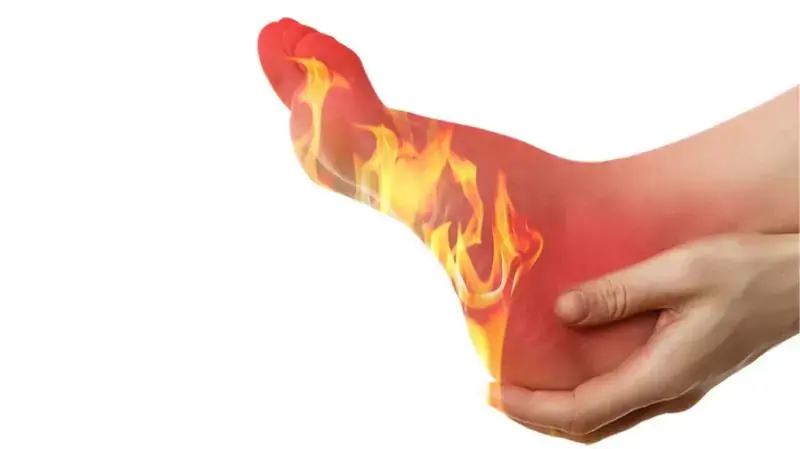
Most people notice that their feet feel fine during the day but become noticeably hot, burning, or uncomfortable once they lie down. There are several well-documented reasons why this pattern is so consistent.
During the day, your brain is constantly processing stimulation — movement, tasks, conversations, screens. At night, when your body is still and your mind is quiet, your brain pays far more attention to physical sensations it was ignoring during waking hours. Nerve signals that were masked by daytime activity become loud and impossible to ignore.
There is also a physiological change that happens as you prepare for sleep. The body undergoes distal vasodilation — blood vessels in the extremities, especially the feet, expand to release heat and lower core body temperature in preparation for sleep. This increased blood flow to the feet is normal and necessary for sleep onset, but in people with nerve sensitivity or circulation problems, it can intensify symptoms dramatically.
Cooler nighttime temperatures can also paradoxically make nerve symptoms feel worse. The contrast between room temperature and the burning sensation in the feet becomes more noticeable, and damaged or overactive nerves can react more strongly to temperature changes when the body is at rest.
Is It a Nerve Problem or a Circulation Problem?
How to Tell the Difference
This is the central question most people want answered. Hot feet at night can originate from nerve dysfunction, circulation issues, or both simultaneously — and the distinction shapes everything about treatment.
Nerve-related hot feet typically produce a burning, tingling, or electric sensation. The heat feels like it is coming from inside the foot rather than on the surface. You may also experience numbness, pins and needles, or the sensation that your feet are on fire even when they feel normal to the touch. The burning often comes in waves and can move up the legs over time.
Circulation-related hot feet tend to feel more like a diffuse warmth or heaviness. The feet may look red, swollen, or discolored. When blood pools in the legs from prolonged sitting or lying, the feet can feel uncomfortably warm. Circulation-related symptoms often improve when you elevate your legs and worsen when you let them hang down.
| Feature | Nerve-Related Hot Feet | Circulation-Related Hot Feet |
|---|---|---|
| Sensation | Burning, electric, tingling | Warmth, heaviness, diffuse heat |
| Source feeling | Comes from inside the foot | Surface warmth, redness |
| Numbness | Common | Less common |
| Swelling | Uncommon | Often present |
| Relief position | Moving legs, cool water | Elevating legs |
| Worsens with | Rest, warmth, nighttime | Prolonged sitting, dangling legs |
| Common cause | Neuropathy, diabetes | PAD, DVT, poor circulation |
Why Are My Feet Hot at Night? Every Possible Cause
Peripheral Neuropathy — The Most Common Cause
Peripheral neuropathy is the single most common reason feet feel hot at night. It occurs when the peripheral nerves — those that run outside the brain and spinal cord, through the legs and into the feet — are damaged or become overactive.
Damaged nerves send faulty signals to the brain. Instead of transmitting accurate information about temperature and touch, they fire randomly, generating burning sensations even when there is no actual heat present. Because the longest nerves in the body run all the way to the feet, they are typically the first to show symptoms and the most severely affected.
Peripheral neuropathy is not one condition — it is the result of many different underlying causes, including diabetes, nutritional deficiencies, alcohol use, autoimmune diseases, infections, chemotherapy, kidney disease, and inherited disorders.
Diabetic Neuropathy — High Blood Sugar and Nerve Damage
Diabetes is the leading cause of peripheral neuropathy and one of the most common reasons people experience hot, burning feet at night. High blood sugar levels over time damage the small blood vessels that supply the peripheral nerves, gradually starving them of the oxygen and nutrients they need to function correctly.
Because the nerves in the feet are the longest in the body, they are damaged first. Symptoms typically start in the toes and slowly progress upward toward the ankles and legs. The sensation is often described as burning, tingling, buzzing, or like walking on hot sand.
Diabetic neuropathy is progressive if blood sugar remains poorly controlled. With excellent blood sugar management, the progression can be slowed significantly, and in early cases, some nerve recovery is possible.
If you have diabetes and are experiencing hot feet at night, this should be discussed with your doctor at your next appointment — and sooner if symptoms are worsening.
Poor Circulation and Vascular Disease
Poor circulation is one of the most frequently cited causes of hot feet at night. When blood does not flow efficiently to and from the feet, temperature regulation breaks down and a sensation of warmth, heaviness, or burning can develop.
Peripheral artery disease (PAD) narrows the arteries that carry oxygen-rich blood to the legs and feet. Deep vein thrombosis (DVT) involves clot formation in the deep veins, impeding return blood flow. Chronic venous insufficiency causes blood to pool in the leg veins rather than returning efficiently to the heart.
Lifestyle factors significantly affect circulation. Smoking constricts blood vessels directly. High cholesterol contributes to arterial plaque buildup. A sedentary lifestyle causes blood to pool in the lower limbs. All of these can produce or worsen the sensation of hot feet at night.
Vitamin B Deficiency and Nerve Health
Vitamins B1 (thiamine), B6 (pyridoxine), and B12 (cobalamin) are essential for healthy nerve function. Deficiency in any of these vitamins can directly cause or worsen peripheral neuropathy, producing the burning, hot sensation in the feet that peaks at night.
Vitamin B12 deficiency is particularly common and particularly damaging. It is more prevalent in older adults, vegetarians and vegans, people with certain gut conditions that impair absorption, and women going through menopause. B12 deficiency causes demyelination — breakdown of the protective sheath around nerve fibers — which disrupts nerve signal transmission and produces symptoms including burning feet.
Paradoxically, excessive vitamin B6 intake — from high-dose supplements — can also cause neuropathy and burning feet. More is not always better when it comes to B vitamins.
Hypothyroidism — Underactive Thyroid
An underactive thyroid gland produces insufficient thyroid hormone, which affects nearly every system in the body including the nervous system. Persistently low thyroid hormone levels lead to nerve damage that produces tingling, numbness, and a hot or burning sensation in the feet.
Hypothyroidism is particularly common in women and becomes more prevalent with age. Other symptoms that often accompany it include unexplained weight gain, persistent fatigue, dry skin, hair loss, feeling cold throughout the body, and constipation.
The good news is that thyroid-related burning feet often improve significantly once thyroid hormone levels are normalized through medication. This is a case where treating the underlying cause can directly reverse the nerve symptoms.
Menopause and Hormonal Changes
Menopause is an underrecognized but well-documented cause of hot feet at night. Declining estrogen levels affect both the nervous system and vascular regulation, making burning, hot feet a surprisingly common complaint during perimenopause and postmenopause.
The mechanism is similar to that of hot flashes — vasomotor instability caused by hormonal fluctuation increases blood flow to the extremities in sudden surges, producing a feeling of intense heat in the feet. In some women, this happens predominantly at night, coinciding with night sweats.
Reduced estrogen also contributes to peripheral neuropathy directly, and vitamin B12 absorption decreases during menopause, further increasing nerve vulnerability. Women going through menopause who experience hot feet should mention it to their doctor, as there are hormonal and non-hormonal treatment options available.
Pregnancy
Pregnancy is a common and usually temporary cause of hot feet. Hormonal changes increase overall body temperature. Natural weight gain places increased mechanical load on the feet. Total body fluid volume increases significantly, which can cause swelling that puts pressure on nerves and blood vessels in the feet.
In most cases, pregnancy-related hot feet resolve after delivery. However, any burning sensation that is severe, one-sided, or accompanied by significant swelling should be evaluated promptly, as it can occasionally indicate a more serious condition such as deep vein thrombosis.
Athlete’s Foot and Fungal Infections
Athlete’s foot (tinea pedis) is a fungal infection that thrives in warm, moist environments. It causes burning, itching, and stinging sensations between the toes and on the soles of the feet — sensations that are often worst at night when the feet have been enclosed in shoes and socks all day.
This is one of the more straightforward causes to identify. Athlete’s foot typically produces visible scaling, peeling, or blistering skin between the toes and on the soles. It responds well to over-the-counter antifungal creams when caught early.
If you suspect athlete’s foot is the cause of your nighttime foot heat, the treatment is relatively simple — but the infection should be fully resolved to prevent recurrence, since repeated cases can cause ongoing skin and nerve irritation.
Erythromelalgia — A Rare but Identifiable Condition
Erythromelalgia is a rare neurovascular condition that causes episodes of intense burning pain, redness, and warmth in the feet and hands. Episodes are typically triggered by warmth, exercise, or prolonged standing, which is why symptoms are frequently worst at night when body heat builds up under bedding.
Unlike most causes of hot feet, erythromelalgia produces visible redness during episodes — the skin of the affected area turns noticeably red and feels hot to the touch, not just to the person experiencing it. Episodes can last minutes to hours and are often relieved by cooling the feet or immersing them in cool water.
Erythromelalgia can be primary (no identifiable cause) or secondary to conditions including polycythemia vera, multiple sclerosis, or certain medications. It requires medical diagnosis and management.
Chronic Kidney Disease

The kidneys filter waste products and toxins from the blood. When kidney function declines, toxins accumulate in the body, and this toxic buildup can damage peripheral nerves — a condition called uremic neuropathy.
Chronic kidney disease as a cause of hot feet is most likely when symptoms are accompanied by other signs of kidney dysfunction, including persistent fatigue, swelling in the legs and ankles, changes in urination frequency or color, and difficulty concentrating.
This is not a cause that should be managed at home. Kidney disease requires medical management, and addressing the kidney condition directly is the most important step in reducing nerve symptoms.
Alcohol Use Disorder
Excessive alcohol consumption damages peripheral nerves in two ways. Alcohol is directly toxic to nerve tissue. It also causes severe nutritional deficiencies, particularly of B vitamins that are essential for nerve health. Together these two mechanisms produce alcoholic neuropathy.
As many as two-thirds of people with alcohol use disorder develop some degree of neuropathy. The symptoms are identical to other forms of peripheral neuropathy — burning, tingling, numbness, and pain in the feet that is typically worst at night.
The encouraging fact is that if alcohol use stops and nutritional deficiencies are corrected, some degree of nerve recovery is possible, though it depends on the severity and duration of the damage.
Medications That Cause Burning Feet
Several medications list peripheral neuropathy and burning feet among their known side effects. If your hot feet began after starting a new medication, the drug may be the cause.
| Medication Category | Examples | Mechanism |
|---|---|---|
| Chemotherapy drugs | Paclitaxel, vincristine, cisplatin | Direct nerve toxicity |
| Metformin (diabetes drug) | Metformin | Reduces B12 absorption |
| HIV medications | Certain NRTIs | Peripheral nerve damage |
| Excessive B6 supplements | High-dose pyridoxine | Toxic neuropathy |
| Antifungal azoles | Fluconazole | Linked to nerve effects |
| Isoniazid (TB drug) | Isoniazid | B6 depletion |
Never stop a prescription medication because of this concern without consulting your doctor first. There may be alternative medications available, or dose adjustments that reduce the side effect while maintaining the therapeutic benefit.
Tarsal Tunnel Syndrome
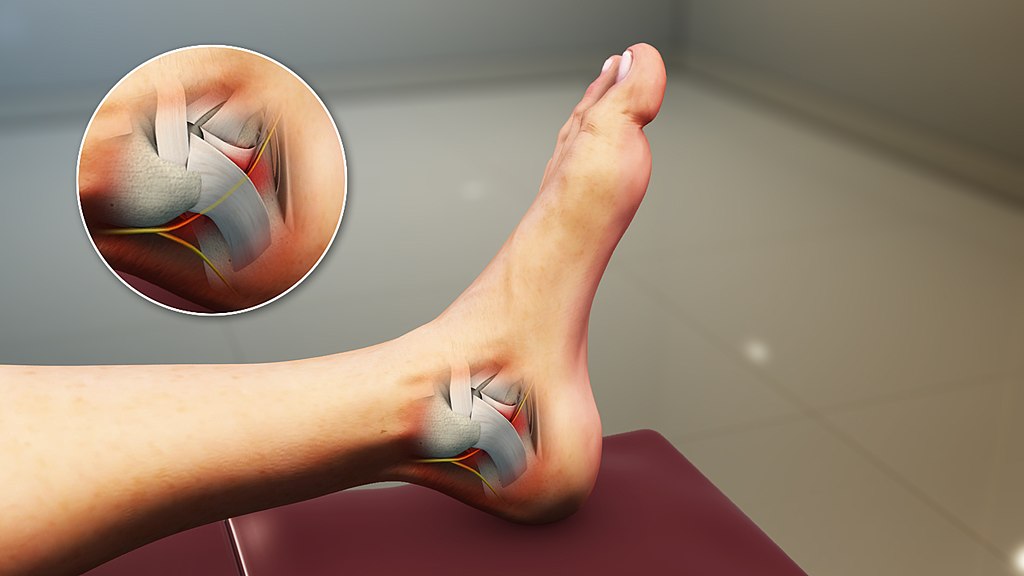
Tarsal tunnel syndrome is the foot equivalent of carpal tunnel syndrome in the wrist. The posterior tibial nerve passes through a narrow channel called the tarsal tunnel on the inside of the ankle. When this channel becomes compressed — from injury, swelling, flat feet, or structural abnormalities — the nerve is squeezed.
Compression of the posterior tibial nerve produces burning, tingling, and shooting pain in the sole of the foot and toes. Symptoms are characteristically worse at night and with prolonged standing or walking. The burning sensation is often confined to the foot and does not travel up the leg, which helps distinguish it from other neuropathy causes.
Warning Signs That Require Immediate Medical Attention
When Hot Feet Are a Medical Emergency
Most cases of hot feet at night are not medical emergencies, but certain combinations of symptoms require urgent evaluation.
Go to an emergency room immediately if your feet suddenly feel burning hot in combination with significant swelling, redness that spreads up the leg, or pain after a period of immobility — these can be signs of deep vein thrombosis (DVT), which requires urgent treatment to prevent pulmonary embolism.
Seek urgent care if burning sensations in the feet spread rapidly up both legs and are accompanied by weakness, difficulty walking, or loss of bladder or bowel control. This pattern can indicate a spinal cord or systemic neurological emergency.
If burning feet develop suddenly after exposure to a known toxin — including pesticides, industrial chemicals, or heavy metals — go to the emergency room and tell them about the exposure.
Non-Emergency Symptoms That Still Need a Doctor
Schedule an appointment with your doctor if your feet have been hot and burning at night consistently for more than two or three weeks without improvement. This duration suggests an underlying condition rather than a temporary irritation.
See your doctor if you notice any loss of sensation in your feet — the inability to feel light touch, temperature, or pain in areas that previously had normal sensation. Numbness alongside burning is a classic neuropathy pattern that warrants investigation.
Get evaluated if you have diabetes and any foot symptoms develop. Diabetic foot problems can escalate rapidly, and early intervention is always far better than waiting.
Home Remedies for Hot Feet at Night
Cool Water and Temperature Management
Soaking your feet in cool — not ice-cold — water for 10 to 15 minutes before bed can provide meaningful temporary relief. The cool water conducts heat away from the foot surface and can temporarily calm overactive nerve endings.
Do not use ice packs directly on the feet, especially if you have any reduced sensation, as you may not feel the tissue damage that can result from prolonged cold contact. If you have erythromelalgia, avoid ice baths as they can damage the skin in this condition.
Sleep with a fan at the foot of the bed and keep your feet outside the covers. Lightweight, breathable bedding significantly reduces the thermal buildup around the feet that worsens symptoms.
Dietary and Supplement Approaches
If vitamin B12 deficiency is contributing to your symptoms, correcting the deficiency through dietary changes and supplementation can produce noticeable improvement over weeks to months. B12-rich foods include red meat, eggs, dairy, fish, and poultry. Those who do not eat these foods need a B12 supplement, and the dosage should be discussed with a doctor.
Alpha-lipoic acid is an antioxidant that has shown some benefit in studies for peripheral neuropathy symptoms, including burning feet. It is available as a supplement and is thought to improve nerve function by reducing oxidative stress.
Turmeric contains curcumin, which has anti-inflammatory properties that may help reduce nerve pain when taken consistently as a supplement or incorporated regularly into the diet. Evidence for curcumin in neuropathy is promising but still developing.
Magnesium supports nerve function and may help reduce the burning sensation associated with nerve irritation. Many people are mildly deficient in magnesium without knowing it, and this deficiency can worsen nerve sensitivity.
Lifestyle Changes With Real Impact
Quit smoking if you smoke. Smoking constricts peripheral blood vessels directly and significantly worsens both circulation-related and nerve-related foot symptoms over time. The improvement in circulation after quitting smoking begins within weeks.
Exercise regularly. Even gentle daily walking improves peripheral circulation, reduces blood sugar in people with diabetes or prediabetes, and helps maintain healthy nerve function. Exercise is one of the most powerful interventions available for both nerve and circulation health.
Limit alcohol intake. Even moderate drinking can worsen neuropathy symptoms if nerve damage is already present. Cutting back or stopping alcohol can produce noticeable improvement in burning foot symptoms over time.
Wear well-fitting shoes with adequate support during the day. Shoes that are too tight compress nerves and restrict circulation, setting up worse symptoms at night. Choose footwear with good arch support and natural materials that allow the feet to breathe.
Topical Relief Options
Capsaicin cream — derived from hot peppers — depletes a pain-signaling chemical called substance P in the nerve endings of the skin. Applied regularly to the feet, it can reduce the burning sensation from neuropathy over time. Initial applications often cause a temporary increase in burning before the desensitization effect develops.
Lidocaine patches or creams applied to the feet can provide temporary numbing relief from surface burning. These are most useful for localized symptoms and for managing nighttime discomfort while longer-term treatments take effect.
Epsom salt foot soaks may provide temporary comfort through the warming effect of warm water combined with potential magnesium absorption through the skin, though the scientific evidence for the latter is limited. The warm water soak itself is beneficial for circulation and muscle relaxation.
Medical Treatments for Hot Feet at Night
Prescription Medications for Nerve Pain
Standard over-the-counter pain relievers like ibuprofen and acetaminophen typically do not work well for nerve pain. Nerve pain requires specific medications that target the way the nervous system processes pain signals.
Gabapentin and pregabalin are anticonvulsant medications that are widely prescribed for neuropathic pain. They reduce the abnormal firing of damaged nerve endings and can significantly reduce burning sensations. They work best with consistent dosing and may take several weeks to reach full effect.
Duloxetine is an antidepressant that has proven efficacy for neuropathic pain independent of its effect on mood. It is often a first-line treatment option for burning feet related to diabetic neuropathy.
Tricyclic antidepressants such as amitriptyline are older medications that remain effective for neuropathic pain at low doses. They also help with sleep, which makes them particularly useful for people whose hot feet are significantly disrupting their ability to rest at night.
Diagnostic Tests Your Doctor May Order
| Test | What It Checks | When It Is Used |
|---|---|---|
| Fasting blood glucose / HbA1c | Diabetes and blood sugar control | First-line screening for all hot feet |
| Vitamin B12 blood level | B12 deficiency | Especially in vegetarians, elderly, and menopausal women |
| Thyroid function panel (TSH) | Hypothyroidism | When fatigue, weight gain, or cold intolerance is present |
| Complete blood count (CBC) | Anemia, kidney disease markers | General screening |
| Kidney function tests | Chronic kidney disease | When other symptoms suggest kidney involvement |
| Electromyography (EMG) | Nerve conduction speed and damage | When neuropathy diagnosis needs confirmation |
| Nerve conduction study (NCS) | Peripheral nerve function | To identify which nerves are affected and how severely |
| MRI of spine | Spinal cord compression | When symptoms suggest central rather than peripheral origin |
Frequently Asked Questions (FAQs)
Why are my feet hot at night but not during the day?
At night your brain has no distractions, so nerve signals become more noticeable, and your body’s sleep preparation increases blood flow to the feet — both effects intensify heat and burning sensations in people with nerve or circulation problems.
Is it normal for feet to feel hot while sleeping?
Mild warmth as the body prepares for sleep is normal due to vasodilation. Persistent burning, pain, or a sensation of intense heat that disrupts sleep is not normal and should be evaluated.
Can diabetes cause hot feet at night?
Yes. Diabetic neuropathy from long-term high blood sugar damages peripheral nerves in the feet, producing burning, tingling, and heat that is typically worst at night when you are still and at rest.
What vitamin deficiency causes burning feet at night?
Vitamin B12 deficiency is the most significant, followed by deficiencies in B1 and B6. These B vitamins are essential for nerve insulation and signal transmission — without adequate levels, nerves misfire and produce burning sensations.
Can menopause cause hot feet at night?
Yes. Declining estrogen disrupts the body’s temperature regulation and contributes to peripheral neuropathy, while hot flashes cause sudden surges of blood flow to the feet that produce an intense burning or heat sensation.
How do I cool down hot feet at night?
Soak feet in cool — not ice-cold — water for 10 to 15 minutes before bed, sleep with your feet outside the covers, use a fan at the foot of the bed, and wear breathable cotton socks or go barefoot.
Are hot feet at night a sign of a serious condition?
They can be. Hot feet are a symptom of serious conditions including diabetes, kidney disease, and thyroid disease. Hot feet accompanied by numbness, weakness, spreading symptoms, or swelling require prompt medical evaluation.
Can poor circulation cause burning feet at night?
Yes. Conditions like peripheral artery disease and chronic venous insufficiency restrict blood flow and alter temperature regulation in the feet, producing warmth and burning sensations that are often worse at night.
What is the fastest home relief for burning feet at night?
Soaking your feet in cool water for 10 to 15 minutes provides the fastest temporary relief. Removing bedding from the feet, using a fan, and applying capsaicin or lidocaine cream can also help reduce nighttime burning.
When should I see a doctor for hot feet at night?
See a doctor if symptoms persist for more than two to three weeks, if you notice any numbness or loss of sensation, if burning spreads up your legs, if you have diabetes, or if you have any other accompanying symptoms such as swelling, fever, or visible skin changes.
Conclusion
Why are my feet hot at night is a question with real medical answers — and the answer you get shapes the treatment that will actually work for you.
The most common cause is peripheral neuropathy, most frequently driven by diabetes, vitamin B12 deficiency, or other conditions that damage the small nerves in the feet.
Circulation problems, hormonal changes from menopause or pregnancy, thyroid dysfunction, medications, and fungal infections all play documented roles as well.
Understanding whether your symptoms originate in the nervous system or the circulatory system is the first step toward choosing the right approach.
Most cases respond well to treatment once the underlying cause is identified — but the identification has to happen first.
If your feet have been consistently hot and burning at night for more than a few weeks, especially if you have diabetes, are going through menopause, or have noticed any numbness, take it seriously in 2026 and see a doctor before the underlying condition progresses further.