Why Branded Merch Still Outperforms Most Digital Ads for Building Customer Loyalty
Marketing budgets in 2026 are dominated by digital line items. Social media spend, paid search, influencer partnerships, content production, email automation, and an ever-growing list of platform fees account for the majority of what most companies invest in growth. Each line gets measured, optimised, and reported on weekly, and the conversation tends to move quickly between channels as performance shifts. Inside that conversation, one category quietly continues to deliver some of the best returns in marketing, often without the same fanfare. Branded merchandise, also known as promotional products, has been part of how companies build relationships with customers and employees for more than a century. It is still working in 2026 for reasons that say a lot about how humans actually form connections to brands.
The first reason is physical presence. A digital ad lives for a second on a feed and then disappears. A branded water bottle, a quality fleece, a useful pen, or a well-designed notebook stays on a desk or in a bag for months or even years. Every time it is used, the brand shows up without paying for another impression. Industry studies consistently show that promotional products produce one of the highest cost-per-impression returns of any marketing channel, often by a meaningful margin.
The second reason is reciprocity. Receiving a tangible item triggers a subtle social response that digital ads cannot. People remember who gave them something useful, especially when it is something they genuinely value. A well-chosen branded item from a conference, a client appreciation gift, or an onboarding kit for a new hire builds a small but real foundation of goodwill that carries forward into the relationship.
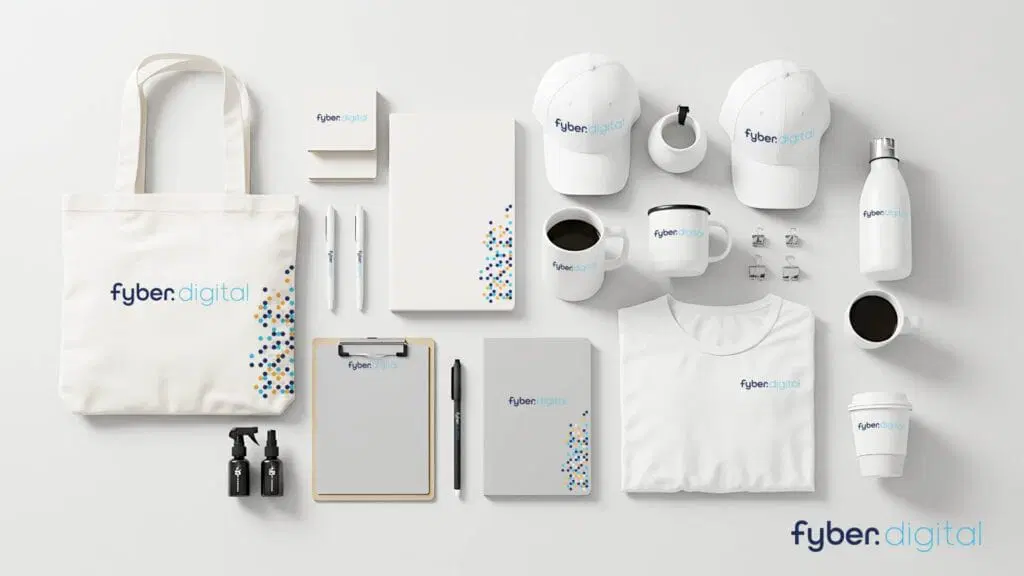
The third reason is quality control. The era of cheap, generic, throwaway promotional items is mostly behind us. Modern providers focus on items people actually want. Quality apparel, decent drinkware, well-designed tech accessories, and useful daily-use objects. Established providers such as Ideal Promotions offer custom promotional products including apparel, drinkware, and tech accessories that companies can brand for trade shows, client gifts, employee appreciation, internal launches, and recruiting events. The choice of item matters because a bad gift sends a worse message than no gift at all. A great gift becomes part of a person’s daily life.
A few practical principles help when building a branded merch program. First, define the audience and the use case. The right item for a trade show booth is not the right item for an executive client gift, and the right item for a new hire welcome kit is different again. Second, invest in quality rather than quantity. A smaller order of items that recipients will actually use beats a larger order of items that end up in a drawer. Third, treat the design with care. A clean, well-placed logo on a beautiful product is the goal. A loud, busy print on a mediocre item is the opposite. Fourth, work with a provider that handles the logistics, including warehousing, fulfilment, and reorders, so the marketing team can focus on strategy rather than chasing down sample requests.
The bigger picture is that branded merch is not a relic of pre-digital marketing. It is a complement to digital that does something digital cannot do. It puts a piece of the brand into a person’s hand and keeps it there. Companies that get this right tend to see stronger customer loyalty, better employee engagement, and higher recall scores than those that lean only on screens.
Frequently Asked Questions
What counts as promotional products? Promotional products are any branded physical items used to support marketing, sales, or employee engagement. Common categories include apparel, drinkware, tech accessories, bags, writing instruments, and lifestyle goods.
Are branded products still effective in a digital-first world? Yes. Industry studies consistently show that branded merchandise generates one of the strongest cost-per-impression returns of any marketing channel because the items stay in use for months or years.
How do I choose the right promotional item? Start with the audience and the use case. A trade show giveaway, a client appreciation gift, and a new hire welcome kit each call for different items and price points. Quality matters more than volume.
What are the most popular categories of branded merchandise? Apparel and outerwear, drinkware, tech accessories, bags, and writing instruments are perennial favourites. Higher-end gifts have also grown in popularity for client appreciation programs.
Do small businesses benefit from promotional products too? Yes. Smaller businesses often see strong returns because a well-chosen branded item creates a memorable, repeated impression in a way that small digital ad budgets cannot match.