Why Is Fluoride Bad for You in Drinking Water? 2026
Why is fluoride bad for you is a question millions of people are asking in 2026 — and for good reason.
Fluoride has been added to public drinking water for over 70 years under the claim of preventing tooth decay.
But new research, government reviews, and growing public concern are raising serious red flags.
From lower IQ in children to thyroid disruption and weakened bones, the risks at higher exposure levels are no longer easy to ignore.
What Is Fluoride and Where Does It Come From?
Fluoride is a naturally occurring mineral found in soil, rocks, and water. It comes from fluorine, one of the most abundant elements on Earth.
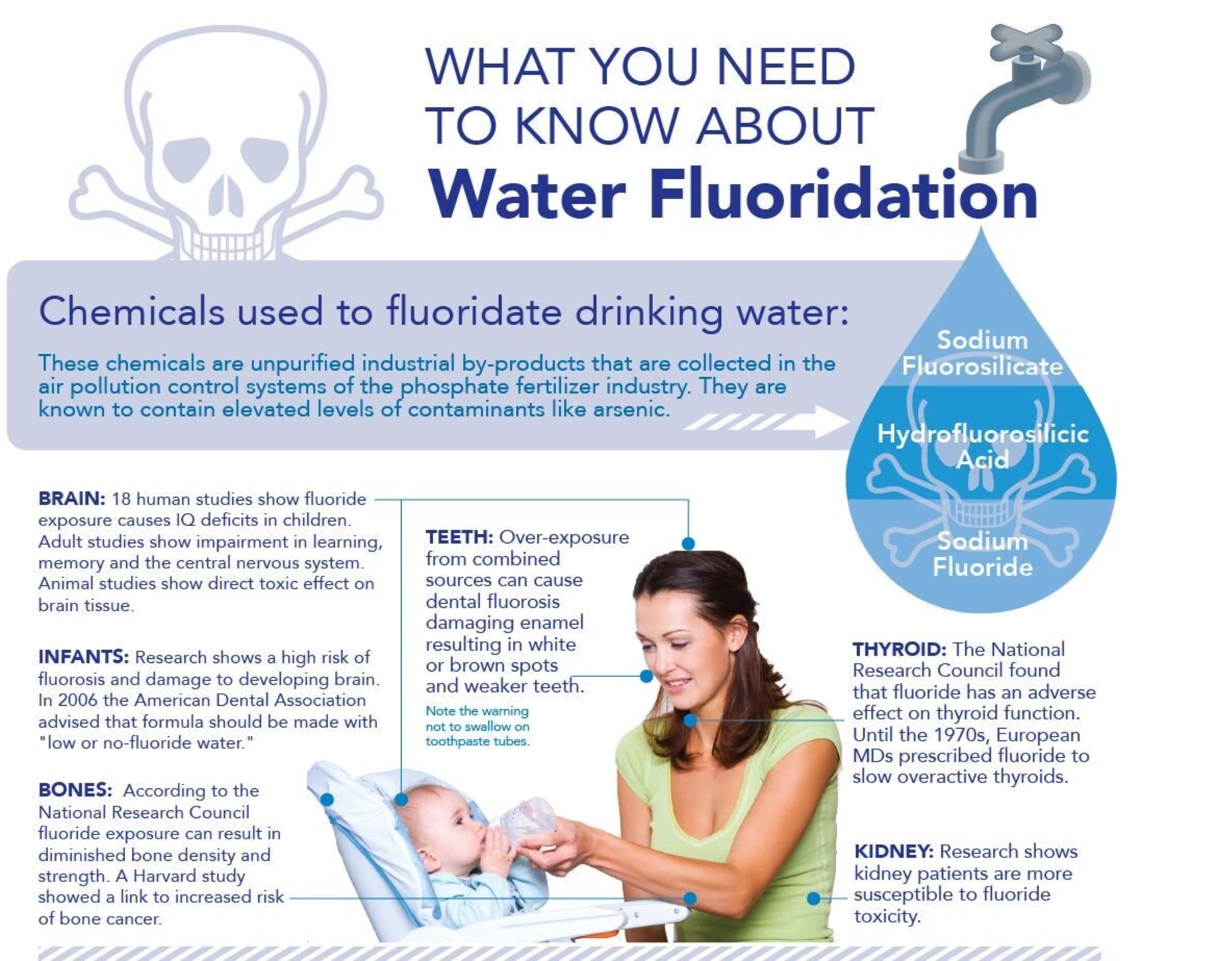
Many communities add extra fluoride to tap water — a process called water fluoridation. The current U.S. recommended level is 0.7 mg/L, set by the Public Health Service.
You also get fluoride from toothpaste, mouthwash, processed foods, and certain medications.
A Brief History of Water Fluoridation
Water fluoridation began in the United States in 1945. The CDC once called it one of the “greatest public health achievements of the 20th century.”
The idea came from observations in Colorado, where children drinking naturally fluoridated water had fewer cavities — though their teeth were often discolored.
Over decades, more than 70% of U.S. public water systems began adding fluoride. Today, that policy is under increasing scrutiny.
How Much Fluoride Is Considered Safe?
| Standard | Level (mg/L) | Purpose |
|---|---|---|
| U.S. recommended (USPHS) | 0.7 mg/L | Optimal for cavity prevention |
| EPA Secondary Standard | 2.0 mg/L | Protect against dental fluorosis |
| EPA Maximum Contaminant Level | 4.0 mg/L | Prevent skeletal fluorosis |
| WHO Guideline | 1.5 mg/L | International safety limit |
At 0.7 mg/L, most health agencies say there are no proven adverse effects. Problems begin to emerge clearly above 1.5 mg/L — and become severe above 4 mg/L.
Why Is Fluoride Bad for You? The Main Health Concerns
This is where the debate gets real. Here are the documented health risks linked to fluoride exposure — especially at levels above the recommended range.
1. Dental Fluorosis
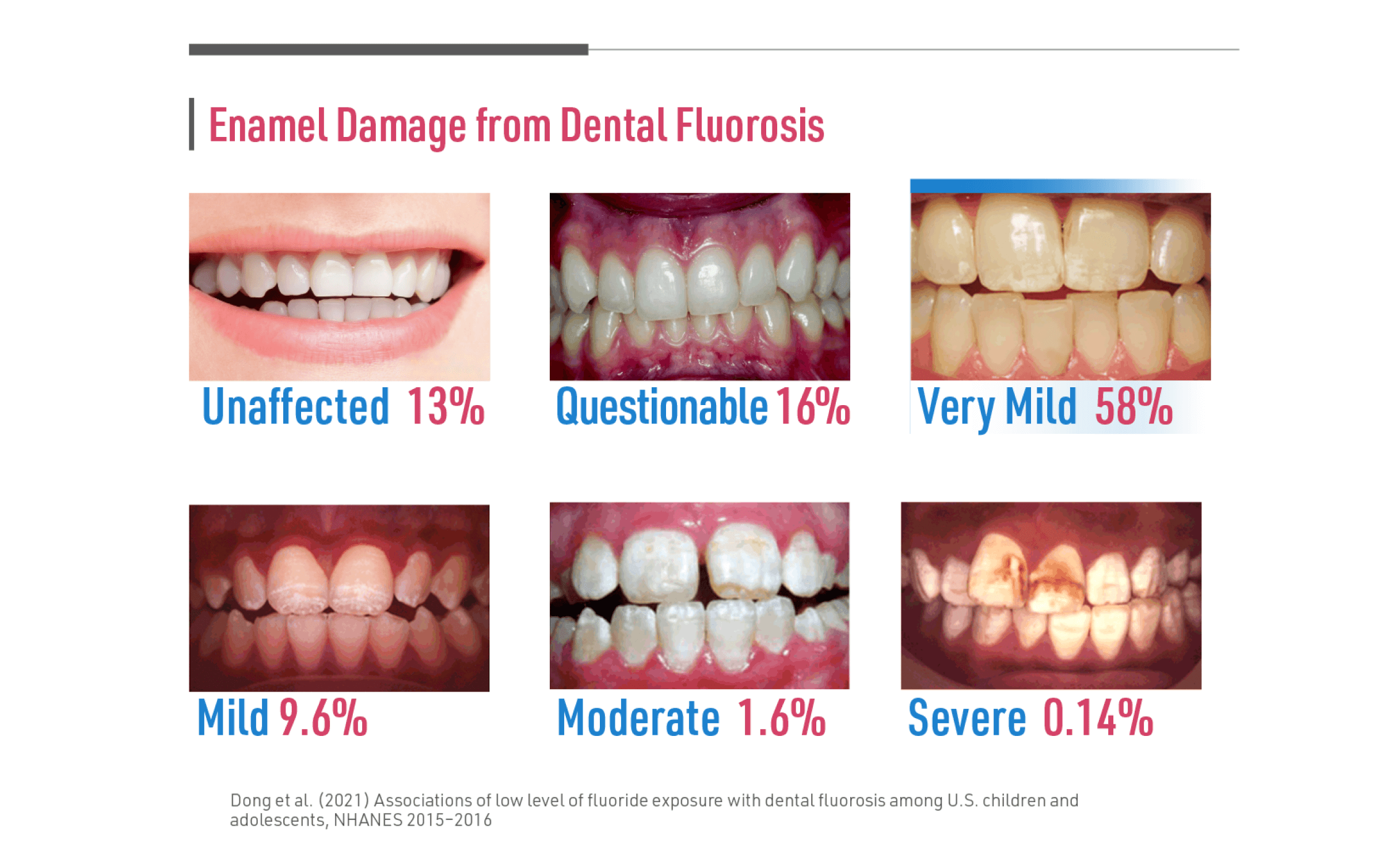
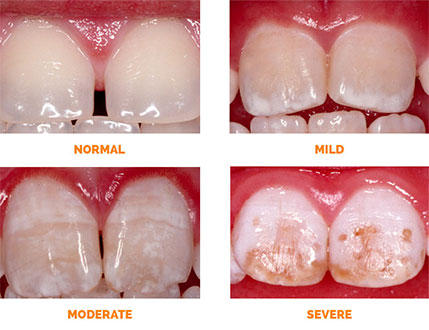
Dental fluorosis is the most common side effect of too much fluoride during childhood. It causes white spots, streaks, pitting, or brown discoloration on teeth.
It only affects children under age 8 while permanent teeth are still forming under the gums. Once teeth fully emerge, dental fluorosis cannot develop.
It is primarily a cosmetic issue — but in severe cases, it can cause structural damage to enamel.
2. Skeletal Fluorosis
Skeletal fluorosis is a bone disease caused by long-term exposure to high fluoride levels — typically above 4 mg/L over many years.
Early symptoms include joint pain, stiffness, and digestive discomfort. Advanced stages can lead to calcification of ligaments, bone deformities, and severe disability.
It is rare in the U.S. but common in parts of India, China, and East Africa where groundwater fluoride is naturally very high (5–10 mg/L).
3. Lower IQ in Children
This is the most alarming finding for parents. A 2025 systematic review and meta-analysis of 74 studies found a statistically significant link between fluoride exposure and lower IQ scores in children.
The analysis estimated a 1.63-point decrease in IQ for each 1 mg/L increase in urinary fluoride. A separate JAMA Pediatrics study in 2025 confirmed this association.
The National Toxicology Program (NTP) noted that most of these studies involved exposures of 1.5 mg/L or higher — and stated there is not enough data yet to confirm harm at the U.S.-recommended 0.7 mg/L level.
| Study | Finding |
|---|---|
| NTP Review (2024) | High fluoride linked to lower IQ in children |
| Meta-analysis of 74 studies (2025) | 1.63 IQ point drop per 1 mg/L urinary fluoride increase |
| JAMA Pediatrics (2025) | Higher urinary fluoride associated with reduced IQ |
| Cochrane Review | Insufficient high-quality evidence for IQ harm at 0.7 mg/L |
4. Thyroid Disruption
Fluoride can interfere with thyroid function in a very specific way — it mimics iodine and can replace iodine in the thyroid gland, blocking its uptake.
A 2026 review published in Biological Trace Element Research confirmed that fluoride disrupts T3 and T4 hormone production, raises TSH levels, and causes oxidative stress in thyroid tissue.
A systematic review of 27 studies found that high fluoride exposure raises thyroid-stimulating hormone (TSH). Elevated TSH suggests the thyroid is underperforming — a sign of hypothyroidism.
People with iodine deficiency are especially vulnerable to fluoride’s effect on the thyroid. This is a serious concern for populations with already low iodine intake.
5. Pineal Gland Calcification
The pineal gland, located in the brain, is responsible for producing melatonin and regulating your sleep-wake cycle. Research shows that fluoride accumulates in the pineal gland at concentrations higher than in teeth or bones.
When calcified, the pineal gland produces less melatonin. This can disrupt your circadian rhythm, affect sleep quality, and impair hormonal balance.
This area of research is still developing, but the accumulation of fluoride in the pineal gland is well-documented in scientific literature.
6. Bone Fracture Risk
A 2025 dose-response meta-analysis of 37 studies published in Environmental Health found a non-linear positive relationship between fluoride exposure and bone health problems.
The risk of fragility fractures was notably higher in women over 50. The study found similar dose-response patterns for fluoride’s effects on IQ, thyroid function, and bone density.
Long-term high fluoride intake can reduce bone mineral density over time — especially in older adults and postmenopausal women.
7. Kidney Damage
The kidneys are the primary organ for processing and excreting fluoride. High fluoride exposure places a significant burden on kidney tissue.
Studies have linked elevated fluoride levels to kidney disease progression, especially in people already experiencing reduced kidney function. Fluoride toxicity can impair cellular respiration in kidney cells.
People with chronic kidney disease (CKD) are particularly at risk because their kidneys cannot efficiently eliminate fluoride from the body.
8. Enzyme Inhibition and Cellular Energy
Fluoride inhibits several key enzymes in the body. One well-documented target is enolase — an enzyme that drives glycolysis, the process your cells use to convert sugar into energy.
When fluoride blocks this pathway, cells lose a primary fuel source. This can affect brain cells, muscle cells, and metabolic processes throughout the body.
At normal drinking water levels, this effect is minimal. But chronic exposure over years can create cumulative disruption.
9. Impact on Developing Fetuses
Fluoride crosses the placental barrier. A 2026 review found that maternal fluoride exposure during pregnancy can affect fetal brain development, IQ, and hearing.
The thyroid effects of fluoride are “particularly detrimental during fetal and early developmental stages,” according to a 2026 Springer Nature review. This is because the fetal thyroid is especially sensitive to iodine metabolism disruption.
Pregnant women in high-fluoride areas face the greatest risk of passing elevated fluoride exposure to their unborn children.
10. Fluoride and Cancer Risk
The relationship between fluoride and cancer — particularly osteosarcoma (bone cancer) — has been studied for decades. Results remain inconclusive.
The American Cancer Society acknowledges that some studies have examined the link, including a large study of osteosarcoma and Ewing sarcoma in Great Britain (1980–2005), but findings have not confirmed a clear causal relationship.
At current U.S. water fluoridation levels, there is no strong scientific consensus linking fluoride to cancer. This remains an area of ongoing research.
Is Fluoridated Water Actually Helpful?
It’s important to be balanced here. Fluoride does have real dental benefits — particularly for children in communities with limited access to dental care.
Studies consistently show that fluoridated water reduces cavities in both children and adults. This is why the CDC, American Academy of Pediatrics, and dental organizations still support community water fluoridation.
The debate is not whether fluoride works for teeth. It’s whether the risk-benefit calculation still makes sense given new evidence — and whether there are safer alternatives.
Who Is Most at Risk?
Not everyone faces the same fluoride risk. Some groups are significantly more vulnerable to its effects.
- Young children (under 8): At risk for dental fluorosis and possibly neurodevelopmental effects
- Pregnant women: Fluoride crosses the placenta and may affect fetal brain and thyroid development
- People with iodine deficiency: Far more vulnerable to fluoride’s thyroid-disrupting effects
- People with kidney disease: Cannot efficiently eliminate fluoride from the body
- Postmenopausal women: Higher risk of fluoride-related bone fractures
- Formula-fed infants: Mixed with tap water, formula can deliver higher fluoride doses than breast milk
Fluoride vs. No Fluoride: Countries That Don’t Fluoridate
Most of Europe does not add fluoride to drinking water. Countries like Germany, France, the Netherlands, and Sweden stopped or never started the practice.
Yet tooth decay rates in Europe are comparable to or better than those in the U.S. Critics argue this suggests water fluoridation may not be the only effective approach — and that fluoride toothpaste and dental education can achieve similar results.
In 2026, Utah became the first U.S. state to ban fluoride from drinking water. Other states and municipalities may follow.
How to Reduce Your Fluoride Exposure
If you are concerned about fluoride, there are practical steps you can take to lower your daily intake.
Water Filtration Options That Remove Fluoride:
| Filter Type | Fluoride Removal | Notes |
|---|---|---|
| Reverse Osmosis (RO) | Up to 95%+ | Most effective; removes most contaminants |
| Activated Alumina | 90%+ | Common in under-sink systems |
| Bone Char Carbon | 90%+ | Natural option |
| Distillation | ~99% | Effective but slow |
| Standard Carbon Filters (Brita) | Minimal | Does NOT remove fluoride |
Note: Standard pitcher filters like Brita do not remove fluoride. Always verify with the manufacturer.
Other Steps to Reduce Fluoride Intake:
- Use fluoride-free toothpaste for young children
- Avoid fluoride dental treatments if you are already in a high-fluoride area
- Eat fewer processed foods made with fluoridated tap water
- Choose bottled water labeled as low-fluoride or fluoride-free if needed
- Ensure adequate iodine intake to protect thyroid function
The Political and Scientific Debate in 2026
The fluoride debate has become increasingly political. In April 2025, the EPA committed to reviewing new scientific information on fluoride health risks. By January 2026, the EPA released its Preliminary Assessment Plan for a full Human Health Toxicity Assessment of fluoride.
RFK Jr., as HHS Secretary, called fluoride an “industrial waste” linked to arthritis, bone cancer, and IQ loss. While his framing was controversial, it did accelerate the federal review process.
The EPA’s public comment period closed in February 2026. A full toxicology review is expected to update fluoride safety standards in the coming years.
This is a genuine scientific debate — not settled on either side. The precautionary principle suggests that for vulnerable populations (children, pregnant women, those with thyroid issues), reducing unnecessary exposure makes sense while more research continues.
What the Latest Research Says (2025–2026 Summary)
| Finding | Source | Year |
|---|---|---|
| 1.63-point IQ drop per 1 mg/L fluoride in urine | Meta-analysis, 74 studies | 2025 |
| Fluoride disrupts T3, T4, raises TSH | Springer Nature Review | 2026 |
| Non-linear link between fluoride and bone fractures | Environmental Health meta-analysis | 2025 |
| EPA launches full fluoride toxicity assessment | U.S. EPA | Jan 2026 |
| Utah bans fluoride from drinking water | State legislation | 2025 |
| NTP: insufficient data at 0.7 mg/L level | National Toxicology Program | 2024 |
Frequently Asked Questions (FAQs)
Is fluoride in tap water bad for you?
At the recommended level of 0.7 mg/L, most health agencies say it is safe for most people. However, children, pregnant women, and those with kidney or thyroid issues may face higher risks even at lower levels.
What does fluoride do to the brain?
Multiple studies link high fluoride exposure (above 1.5 mg/L) to lower IQ scores in children. The exact mechanism is still under study, but fluoride may interfere with neurodevelopment and enzyme function in brain cells.
Can fluoride affect the thyroid?
Yes. Fluoride can replace iodine in the thyroid gland, disrupt T3 and T4 hormone production, and raise TSH levels — indicating underactive thyroid function. People with iodine deficiency are especially vulnerable.
Does boiling water remove fluoride?
No. Boiling water actually concentrates fluoride because water evaporates while fluoride stays behind. You need a reverse osmosis filter or distillation unit to effectively remove fluoride.
Is fluoride safe for babies and toddlers?
Formula-fed infants mixed with fluoridated tap water may receive more fluoride than is ideal. Pediatricians recommend checking local water fluoride levels if using powdered formula. Breastfed infants receive very little fluoride through breast milk.
What are the symptoms of too much fluoride?
Early signs of excess fluoride intake include dental fluorosis (white spots or brown staining on teeth), joint pain, digestive issues, and fatigue. Severe overexposure causes skeletal fluorosis and neurological symptoms.
Does fluoride cause cancer?
Current evidence does not confirm a clear causal link between fluoride at typical water levels and cancer. Some studies examined a possible link to osteosarcoma, but findings remain inconclusive.
What filter removes fluoride from drinking water?
Reverse osmosis systems are the most effective, removing up to 95%+ of fluoride. Activated alumina and bone char carbon filters also work well. Standard carbon pitcher filters (like Brita) do not remove fluoride.
Why do some countries not add fluoride to water?
Most European countries do not fluoridate water, relying instead on fluoride toothpaste and dental education. Their cavity rates are comparable to the U.S., suggesting water fluoridation is not the only effective approach.
Is fluoride-free toothpaste safe for children?
Fluoride-free toothpaste is generally safe for young children, especially those in high-fluoride areas. For cavity prevention, children can also use a tiny smear of regular fluoride toothpaste under adult supervision — the key is avoiding swallowing it.
Conclusion
Why is fluoride bad for you is not a simple yes or no question — but in 2026, the answer is becoming clearer.
At the low levels currently used in U.S. water systems, fluoride appears safe for most healthy adults.
But for children, pregnant women, people with thyroid conditions, and those with kidney disease, even moderate fluoride exposure carries real risks supported by a growing body of peer-reviewed research.
The 2025–2026 EPA toxicity review signals that federal standards may change.
Until then, the smartest approach is to stay informed, test your water, consider a reverse osmosis filter if you fall into a high-risk group, and speak with your doctor about your individual fluoride exposure.
Your health decisions should be based on facts — not fear or politics.