Why Does My Tongue Hurt on the Side? Top Reasons 2026
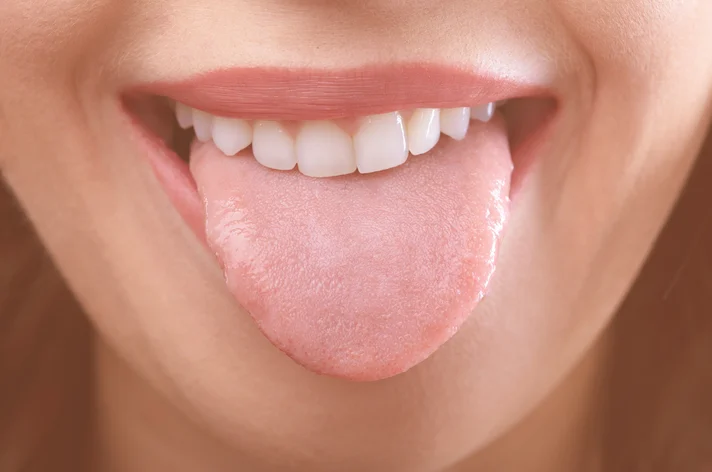
Why does my tongue hurt on the side? This is one of the most common oral health questions people search for — and for good reason.
The sides of the tongue are constantly moving, pressing against teeth, and coming into contact with food, drinks, and dental appliances throughout the day.
Any irritation, injury, or infection in that area creates pain that is hard to ignore.
Whether the pain appeared suddenly after eating, has been lingering for days, or keeps coming back.
Why Does My Tongue Hurt on the Side
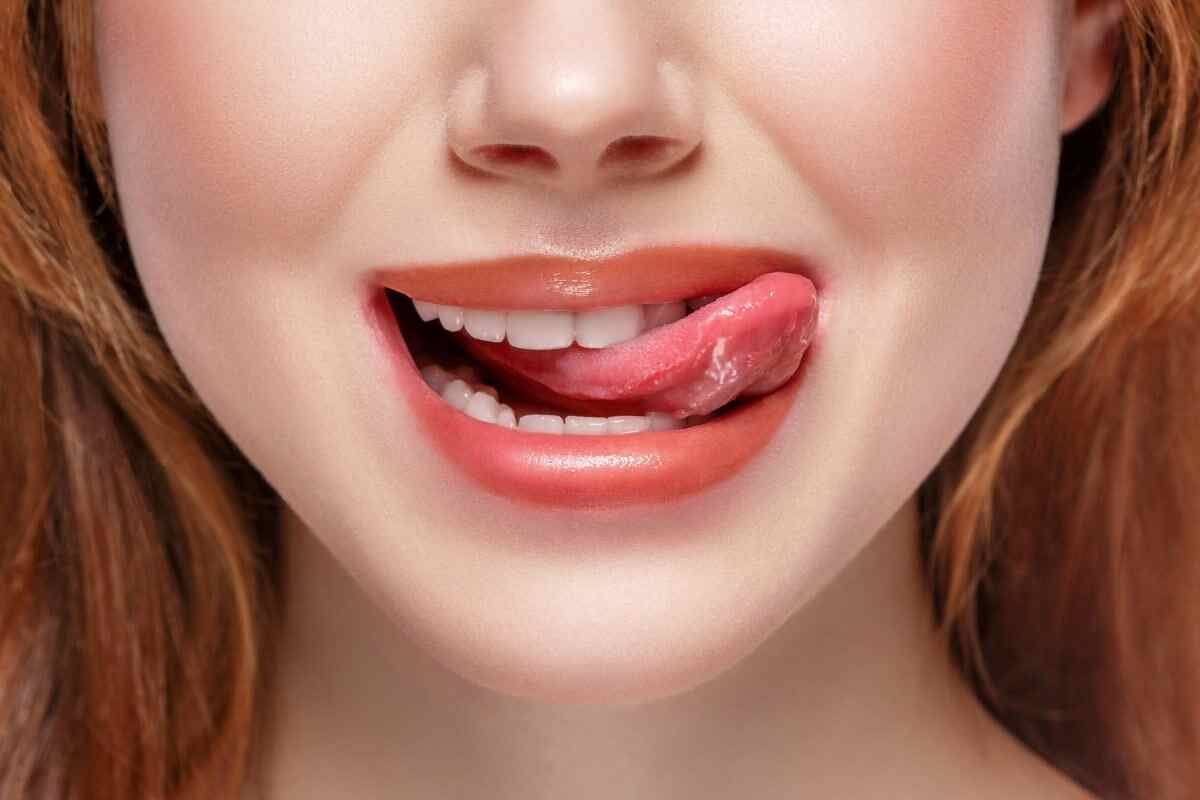
The lateral edges of the tongue sit flush against your upper and lower teeth on both sides.
Every single time you chew, swallow, or speak, those edges move and press against tooth surfaces. That makes them far more exposed to friction and injury than any other part of the mouth.
The tongue is also dense with nerve fibers, capillaries, and taste receptors. This is why even a small wound on the side of the tongue produces disproportionately intense pain.
The 11 Most Common Reasons My Tongue Hurts on the Side
1. Accidental Tongue Biting
Biting the side of the tongue is the single most common cause of sudden, localized tongue pain. It happens in an instant — while eating fast, talking during a meal, startling awake, or clenching the jaw involuntarily.
The wound is usually a small, red or purple bruised spot that swells slightly. That swelling then makes it easier to bite the same spot again, creating a painful cycle that can drag on for five to seven days.
No special treatment is needed in most cases. The wound heals on its own with basic gentle care and a soft diet.
2. Canker Sores (Aphthous Ulcers)
Canker sores are small round ulcers with a white or yellow center and a clearly defined red border. They are one of the top reasons the side of the tongue hurts, particularly in people between the ages of 10 and 40.
They are not caused by a virus and are not contagious. They appear on the inner surfaces of the mouth — including the sides of the tongue — and cause a stinging or burning pain that worsens with eating or drinking.
Most canker sores clear up within 7 to 14 days without any treatment. Larger major aphthous ulcers can take up to six weeks and occasionally leave a small scar.
What triggers canker sores:
- Physical stress or systemic illness
- Hormonal changes during menstruation or pregnancy
- Sodium lauryl sulfate in certain toothpastes
- Acidic or spicy foods — tomatoes, citrus, vinegar-based dressings
- Nutritional deficiencies in B12, folate, zinc, or iron
- Minor trauma such as dental work or accidental biting
- Genetic predisposition — they often run in families
3. Sharp Teeth, Rough Fillings, or Ill-Fitting Appliances
A chipped tooth, jagged filling, uneven crown, or poorly adjusted denture or brace bracket can scrape against the same spot on the side of the tongue every time the jaw moves.
This kind of mechanical irritation does not cause a typical canker sore. Instead, it creates a persistent raw patch or shallow ulcer that refuses to heal because the source of friction is still there.
The tell-tale sign is that the pain always appears in exactly the same location and gets worse during talking or chewing. A dentist can smooth the sharp edge or adjust the appliance in a single appointment.
4. Oral Thrush (Candida Infection)
Oral thrush is a fungal infection caused by an overgrowth of Candida albicans yeast inside the mouth. It develops more often in people who have recently taken antibiotics, use steroid inhalers, have diabetes, wear dentures, or have a weakened immune system.
The infection produces creamy white or yellowish patches on the tongue and inner cheeks. Along the sides of the tongue, these patches can become sore, especially where they contact the teeth.
Scraping the patches off reveals a red, raw, and sometimes bleeding surface underneath. Unlike a simple white coating from food or dry mouth, thrush patches do not wipe away easily.
Treatment involves antifungal medication — nystatin suspension swished in the mouth, or oral fluconazole tablets for more resistant cases.
5. Bruxism and Nighttime Clenching
Bruxism means grinding or clenching the teeth — most commonly during sleep, but also during periods of stress or deep concentration during the day. Many people grind without knowing it.
During grinding, the tongue presses hard against the back of the teeth repeatedly throughout the night. This repeated contact bruises and irritates the lateral tongue edges, producing a soreness that tends to be worst upon waking.
Associated signs include a sore jaw in the morning, headaches at the temples, worn-down tooth enamel, and a clicking jaw joint. A custom night guard fitted by a dentist prevents the tongue from receiving those repetitive impacts overnight.
6. Vitamin and Mineral Deficiencies
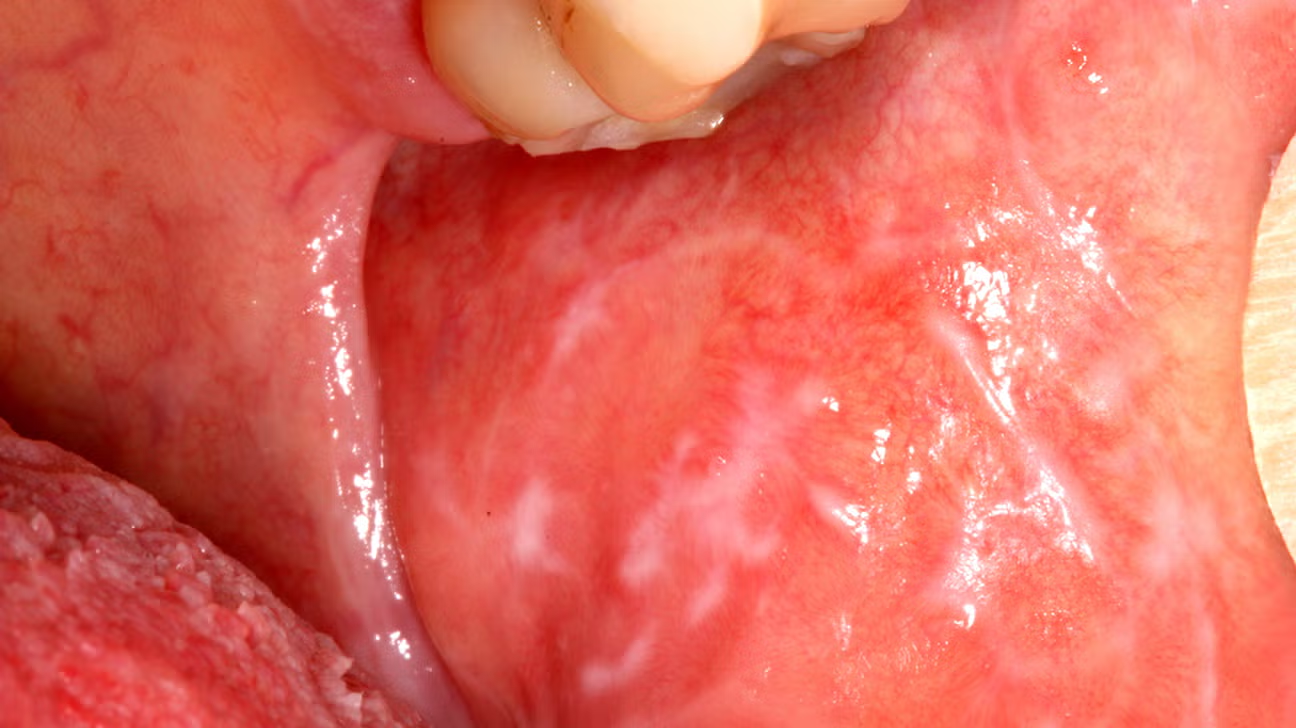
Certain nutrients are essential for maintaining the mucous membrane lining of the mouth. When levels drop, the tongue’s tissue breaks down faster than the body can repair it — causing inflammation, sensitivity, and painful sores along the sides.
| Nutrient | What Happens When It Is Low |
|---|---|
| Vitamin B12 | Smooth, sore, bright-red tongue (atrophic glossitis) |
| Iron | Pale, swollen, burning tongue; slow-healing sores |
| Folate (B9) | Mouth ulcers, inflamed tongue tissue |
| Zinc | Poor wound healing, altered taste sensation |
| Vitamin B6 | Tongue inflammation, cracked lips, mouth ulcers |
| Niacin (B3) | Red, swollen tongue; can cause severe glossitis |
Deficiency-related tongue pain often arrives alongside tiredness, pale skin, dizziness, or tingling in the hands and feet. A simple blood panel confirms which level is low so targeted supplementation can begin.
7. Geographic Tongue (Benign Migratory Glossitis)
Geographic tongue is a harmless recurring condition in which the tongue develops irregular red patches with white or grey raised borders, giving it a map-like appearance. The patches can appear on the top, sides, or tip of the tongue.
What makes this condition unusual is that the patches shift location over days or weeks — fading in one area and reappearing somewhere else. Some people have it their entire adult life without ever knowing the clinical name.
Many people feel no pain at all. Others experience a moderate burning or stinging sensation that flares up badly when eating spicy, acidic, hot, or salty foods. There is no cure, but avoiding trigger foods usually keeps discomfort manageable.
8. Scalloped Tongue (Crenated Tongue)
A scalloped tongue has rippled, wavy indentations along the lateral edges that mirror the shape of the teeth. It happens when the tongue is chronically swollen and presses against the teeth, which leave their imprints along the sides.
The scalloping itself does not always cause pain, but the chronic swelling that creates it often makes the tongue tender and sensitive along the sides.
Conditions linked to a scalloped tongue:
- Hypothyroidism — a sluggish thyroid causes the tongue to swell
- Sleep apnea — the tongue enlarges slightly when airways are chronically obstructed
- Vitamin B12, iron, niacin, or riboflavin deficiency
- Dehydration — inadequate fluid intake causes mild tongue swelling
- Sjögren’s syndrome — an autoimmune condition causing chronic dryness
- Anxiety and chronic stress — cause habitual tongue pressing against teeth
Treating the underlying condition usually reduces the swelling and relieves the lateral tenderness.
9. Burning Mouth Syndrome (Glossodynia)
Burning mouth syndrome causes a persistent burning, scalding, or stinging sensation in the mouth — most often along the sides and tip of the tongue — without any visible wound or ulcer.
The pain can be moderate to severe and tends to build throughout the day, often peaking in the afternoon and evening. Many people describe it as feeling as though the tongue was burned by hot coffee, even though nothing happened.
It is more common in postmenopausal women and people over 60. Underlying contributors include hormonal shifts, dry mouth, vitamin B12 or iron deficiency, nerve damage, anxiety, depression, or certain medications including ACE inhibitors and some blood pressure drugs.
Primary burning mouth syndrome has no identifiable cause and is thought to involve neuropathic pain pathways. Secondary burning mouth syndrome responds when the underlying trigger — like a deficiency or oral thrush — is treated.
10. Oral Lichen Planus
Oral lichen planus is a chronic inflammatory condition of the mouth’s inner lining caused by an abnormal immune response. It affects the sides of the tongue, inner cheeks, and gums.
It appears as white lacy streaks (called Wickham striae), painful red patches, or open erosive sores. The erosive form is the most painful and can make eating, talking, and swallowing extremely uncomfortable.
The exact cause is unknown but suspected triggers include certain medications — beta-blockers, anti-inflammatory drugs, antimalarials, and thiazide diuretics — as well as immune system disorders.
There is no cure. Treatment focuses on reducing inflammation with topical corticosteroids, calcineurin inhibitors, or prescription mouth rinses. There is a small but real risk of oral lichen planus progressing to oral cancer over time, so regular monitoring is important.
11. Oral Cancer and Tongue Cancer
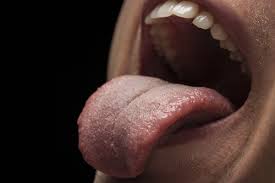
Oral cancer most often develops on the lateral edges of the tongue — the exact same area where most tongue pain occurs. This makes it essential to know when a sore crosses from routine into something that requires urgent evaluation.
Tongue cancer is predominantly squamous cell carcinoma. Risk factors include tobacco use (smoking and chewing), heavy alcohol consumption, infection with high-risk HPV strains — particularly HPV-16 — and chronic physical irritation of the tongue from a rough tooth or appliance.
Red flag signs that need immediate professional evaluation:
- A sore or ulcer on the side of the tongue that has not healed after two weeks
- A painless lump, bump, or thickened patch on the tongue
- A lesion that bleeds easily without any injury
- Red patches (erythroplakia) or white patches (leukoplakia) that do not resolve
- Numbness, tingling, or reduced sensation on one side of the tongue
- Difficulty chewing, swallowing, or moving the tongue fully
- Persistent earache on the same side as the tongue sore
- Unexplained weight loss or swollen lymph nodes in the neck
Early-stage tongue cancer has a significantly higher treatment success rate. Adults 18 and older should request an oral cancer screening as part of every routine dental visit.
Less Common Causes That Still Matter
Allergic Reactions to Oral Products or Foods
Some people react to ingredients in toothpaste, mouthwash, chewing gum, or specific foods. Sodium lauryl sulfate, cinnamon flavoring, and mint extracts are well-known oral irritants.
The reaction causes redness, tingling, and soreness along the tongue edges within minutes of exposure. Identifying and eliminating the trigger resolves the pain quickly.
Herpes Simplex Virus (Cold Sores Inside the Mouth)
HSV-1 causes cold sores. During an oral herpes outbreak, painful fluid-filled blisters can form inside the mouth — including on the sides of the tongue. These blisters burst quickly and leave behind raw, open ulcers.
Unlike canker sores, herpes sores are contagious during an active outbreak. Antiviral medications like acyclovir or valacyclovir shorten outbreak duration.
Hand, Foot, and Mouth Disease
This common viral illness — most often seen in young children — causes small painful blisters and sores inside the mouth, on the palms, and on the soles of the feet. Tongue soreness is a typical symptom. It resolves on its own within 7 to 10 days.
Tongue Piercing Complications
An infected tongue piercing or a poorly placed one can cause persistent pain along the sides of the tongue. Metal hypersensitivity, improper aftercare, and placement near salivary ducts are common issues.
How to Identify the Most Likely Cause
| Symptom Pattern | Most Likely Cause |
|---|---|
| Sudden sharp pain after eating, visible spot | Tongue bite or injury |
| White/yellow sore with red border | Canker sore (aphthous ulcer) |
| Pain always in the same spot during chewing | Sharp tooth or rough filling |
| White patches that resist wiping, coated look | Oral thrush (Candida) |
| Worst pain in the morning, jaw stiffness | Bruxism / nighttime grinding |
| Burning with no visible sore, worse in afternoon | Burning mouth syndrome |
| Red map-like patches that shift over days | Geographic tongue |
| Scalloped wavy edges, no obvious ulcer | Scalloped tongue / thyroid / sleep apnea |
| Fatigue, pale skin, sores + tongue soreness | Nutritional deficiency |
| Lacy white streaks, chronic condition | Oral lichen planus |
| Non-healing sore 2+ weeks, possible lump | Needs urgent dental evaluation |
Home Remedies That Provide Real Relief
Saltwater Rinse — The First Step
Mix half a teaspoon of plain table salt into a glass of warm water. Swish gently for 30 seconds, then spit. Repeat two to three times daily.
Saltwater draws excess fluid from swollen tissue, reduces bacterial load in the mouth, and creates an environment that supports faster healing. It is safe to use as often as needed throughout the day.
Topical Benzocaine Gel
Over-the-counter gels like Orajel and Anbesol contain benzocaine, a local anesthetic that numbs the tongue surface on contact. Apply a small amount directly to the painful spot with a clean fingertip or cotton swab.
Relief lasts 15 to 30 minutes and can be reapplied up to four times per day as directed. It makes eating and drinking significantly more comfortable during the healing period.
Soft, Cool Food Diet
Hard, crunchy, acidic, spicy, and very hot foods all aggravate tongue sores and delay healing. Switching to soft, cool, or lukewarm foods removes the constant mechanical and chemical irritation.
Good options include yogurt, mashed potatoes, scrambled eggs, oatmeal, soup, smoothies, and soft-cooked vegetables. Avoid chips, crackers, citrus, vinegar, chili, and coffee until pain subsides.
Anti-Inflammatory Pain Relief
Ibuprofen (400 mg taken with food, every six to eight hours) reduces both pain and swelling in the tongue tissue. It works better than acetaminophen for inflammatory tongue conditions because it targets the root inflammation rather than just masking pain signals.
Do not apply aspirin directly to a mouth sore — it causes a chemical burn on the oral mucosa.
Raw Honey Application
Raw honey, particularly Manuka honey, has proven antibacterial and wound-healing properties. Applying a small amount directly onto a canker sore or bite wound with a clean fingertip can speed up tissue repair and reduce bacterial risk.
It also forms a brief protective barrier over the raw tissue, which reduces pain during the healing period.
Baking Soda Paste
Mix a small amount of baking soda with just enough water to form a thick paste. Apply it to the sore for one to two minutes, then rinse.
Baking soda neutralizes acids in the mouth that irritate open wounds. It may also mildly reduce bacterial activity around the sore, supporting faster closure.
Vitamin Supplementation
If nutritional deficiency is suspected — especially B12, iron, or folate — correcting the deficiency is the actual treatment. A B-complex supplement covering B12, B6, and folate taken daily often resolves tongue soreness within two to four weeks.
Always get a blood test first to confirm which deficiency is present before starting supplementation. Guessing and over-supplementing certain nutrients can cause harm.
Aloe Vera Gel
Food-grade aloe vera gel applied directly to a mouth sore has mild anti-inflammatory and soothing effects. It does not accelerate healing the way benzocaine or saltwater does, but it can reduce the stinging sensation between meals.
Make sure the product is labelled safe for oral use and is free of added aloe latex, which is not suitable for mouth tissue.
When to See a Dentist or Doctor
Mild tongue pain from a bite or canker sore does not usually need professional attention. Seek evaluation promptly if any of the following apply:
- The sore has not improved after 10 to 14 days
- Pain is severe, spreading, or getting progressively worse
- You notice a lump, hard area, or thickened patch on the tongue
- The lesion bleeds easily without being touched
- You have a fever alongside the tongue pain
- White patches appear that do not wipe off easily
- You have difficulty moving the tongue, swallowing, or opening your mouth
- The same sore keeps returning every few weeks
- You smoke, use tobacco products, or drink alcohol regularly
- Pain is accompanied by a swollen neck lymph node on the same side
A dentist will conduct a visual oral examination, may take a swab culture, order blood tests for deficiency screening, or perform a biopsy if a sore looks persistent or suspicious.
Professional Treatment Options by Cause
For Canker Sores
Prescription-strength corticosteroid gels applied directly to the sore reduce inflammation and speed healing significantly. Dexamethasone and triamcinolone are commonly prescribed. Tetracycline mouth rinses are used for severe or recurring cases.
For Oral Thrush
Nystatin oral suspension swished for two minutes and swallowed treats most cases of Candida effectively. Fluconazole tablets are used when topical treatment is insufficient or the infection is resistant.
Correcting denture fit, improving oral hygiene, and reducing sugar intake prevent recurrence.
For Bruxism
A custom-fitted occlusal splint or night guard made by a dentist distributes bite force evenly and keeps the tongue away from the teeth during sleep. Botulinum toxin (Botox) injections into the masseter muscle are used for severe bruxism that does not respond to splints.
For Nutritional Deficiencies
Vitamin B12 injections are prescribed when the gut cannot absorb oral B12 effectively — common in older adults and people with pernicious anemia. High-dose oral B12 supplements work for dietary deficiency. Iron infusions are used for severe iron deficiency where oral supplements are not tolerated.
For Oral Lichen Planus
Topical corticosteroids — clobetasol gel, betamethasone rinse, or triamcinolone paste — are the standard first-line treatment. Tacrolimus ointment is used when steroids are not effective. Systemic steroids or immunosuppressants are reserved for severe erosive cases.
For Burning Mouth Syndrome
Low-dose clonazepam placed on the tongue and allowed to dissolve provides significant relief for many patients. Alpha-lipoic acid supplements address the neuropathic component. Cognitive behavioral therapy reduces the anxiety that amplifies pain perception in this condition.
For Tongue Cancer
Treatment depends entirely on the stage at diagnosis. Options include surgical removal of the tumor, radiation therapy, chemotherapy, or a combination of all three. Early-stage tongue cancer — when the tumor is small and has not spread — carries a significantly better prognosis than advanced disease, reinforcing the importance of prompt evaluation of any non-healing sore.
Prevention: Keeping Tongue Pain From Coming Back
Preventing tongue pain is largely about reducing chronic irritation, supporting immune health, and catching dental problems early.
- Eat slowly and mindfully — rushing leads to accidental biting, especially near the end of a meal when jaw muscles tire
- Ask your dentist to check for and smooth any sharp tooth edges or rough restorations at every check-up
- Wear a night guard every night if you have been diagnosed with bruxism
- Switch to a sodium lauryl sulfate-free toothpaste if you experience frequent canker sores
- Eat a balanced diet including leafy greens, legumes, eggs, meat, and dairy to maintain B12, iron, folate, and zinc levels
- Stay well hydrated — even mild dehydration causes the tongue to swell and become more vulnerable to injury
- Limit alcohol and eliminate all tobacco use
- Manage stress through exercise, sleep, and mindfulness — stress is the hidden trigger behind both canker sores and bruxism
- Get an oral cancer screening at every dental visit — it takes under two minutes and can detect early changes before they become serious
Frequently Asked Questions (FAQs)
Why does only one side of my tongue hurt?
One-sided pain typically means the cause is localized — a bite wound, a sharp tooth on that side, or a canker sore. A sore only on one side that does not heal in two weeks needs professional evaluation to rule out a more serious condition.
Can stress cause tongue pain on the side?
Yes. Stress is a direct trigger for canker sore outbreaks and worsens bruxism, which causes the tongue to press repeatedly against the teeth during sleep. Both mechanisms produce lateral tongue soreness.
How long does it take for a sore on the side of the tongue to heal?
A minor bite wound or canker sore typically heals within 7 to 14 days. Larger ulcers may take up to six weeks. Any sore still present after two weeks must be assessed by a dentist or doctor.
Can a vitamin deficiency cause pain on the side of my tongue?
Yes. Low B12, iron, folate, zinc, or niacin breaks down the tongue’s mucosal lining and causes inflammation and soreness. A blood test confirms the deficiency, and the correct supplement usually resolves the pain within weeks.
Is a sore on the side of my tongue a sign of cancer?
Most tongue sores are not cancer. However, a non-healing sore — especially one that is painless, firm, or accompanied by a lump — lasting more than two weeks needs prompt dental evaluation. Early-stage tongue cancer is highly treatable.
What is geographic tongue and does it explain my pain?
Geographic tongue causes shifting red patches with white borders on the tongue surface. It is harmless and can cause burning or stinging on the sides, especially with spicy or acidic foods. There is no cure but avoiding triggers helps significantly.
Can bruxism cause one-sided tongue pain?
Yes. If you grind more heavily on one side, the tongue on that side bears more repeated contact with the teeth overnight. The result is soreness concentrated along one lateral edge, typically noticed in the morning.
Should I use mouthwash on a sore tongue?
Avoid alcohol-based mouthwash — it irritates open tissue and slows healing. Use a warm saltwater rinse instead. Your pharmacist can also recommend an alcohol-free antiseptic or antimicrobial mouth rinse formulated for mouth ulcers.
What foods should I avoid when my tongue hurts on the side?
Avoid spicy food, citrus fruits, vinegar, very hot drinks, chips, crackers, and anything that is rough or hard. These either physically abrade the sore or chemically irritate it. Choose soft, neutral, cool foods until the pain resolves.
When should I stop home treatment and see a doctor?
Stop home treatment and seek professional care if the sore has not improved after 10 to 14 days, if pain is getting worse rather than better, if you notice a lump, unusual coloring, or bleeding from the sore, or if you have a fever alongside the tongue pain.
Conclusion
Why does my tongue hurt on the side? The answer depends on the details — how the pain started, how long it has been there, what it looks like, and whether it keeps coming back.
In most cases the culprit is straightforward: a bite wound, a canker sore, a rough tooth edge, a nutritional gap, or nighttime grinding.
These are temporary, manageable, and respond well to simple home care within one to two weeks.
The cases that demand attention are the ones that do not follow the expected path.
A sore that lingers past two weeks, a lump that does not resolve, a patch that bleeds without provocation — these are signals the body sends when something more serious is happening.
Tongue cancer develops most often on the lateral edges of the tongue, and it is far more treatable when caught at an early stage.
Start with saltwater rinses, a soft diet, and OTC relief. If nothing improves in two weeks, book that dental appointment.
Your tongue is trying to tell you something worth listening to.