Why Is My Toilet Bubbling? Signs of a Clog 2026
Why is my toilet bubbling is one of the most urgent plumbing questions homeowners ask when they hear that unsettling gurgling sound coming from the bowl.
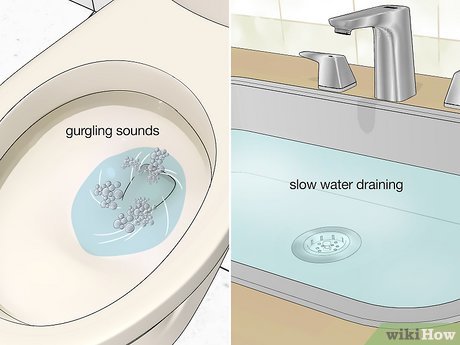
A bubbling toilet is never just a quirky noise. It is your plumbing system warning you that trapped air is trying to escape because something is blocking its normal path.
The cause could be a simple clog you can fix in minutes, or it could point to a main sewer line failure that needs professional equipment. Either way, ignoring it always makes it worse.
Competitor Heading Structure Patterns
Top-ranking posts consistently used this heading hierarchy:
- H1: Main keyword title with year
- H2: Broad sections like causes, fixes, prevention
- H3: Individual causes, specific symptoms, DIY methods
- H4: FAQ questions, urgency indicators, step-by-step details
Posts that included a symptom-to-cause table in the first third of the content ranked higher than those with only text.
What Does a Bubbling Toilet Actually Mean
A bubbling or gurgling toilet means there is negative air pressure building up somewhere inside your plumbing system.
In a healthy drain system, air flows freely through the vent pipes while water and waste move smoothly outward through drain lines. When something interrupts that airflow, whether a clog, a collapsed pipe, or a blocked vent, the trapped air has to go somewhere.
Your toilet bowl becomes the escape route. The result is visible bubbles, audible gurgling, or water that rises and falls in the bowl with no flushing happening at all.
Is a Bubbling Toilet Dangerous
A bubbling toilet is not an immediate emergency in most cases, but it is an urgent warning that demands action.
Left untreated, a gurgling toilet can escalate into sewage backing up into your bathtub, sink, or floor drain. It can also signal the presence of sewer gas in your drain lines, which contains methane and hydrogen sulfide. Both gases are toxic in high concentrations and flammable.
Treat any bubbling toilet as an urgent plumbing issue, not something to put off for weeks.
Bubbling Toilet Warning Signs and Urgency Levels
| Symptom | Most Likely Cause | Urgency |
|---|---|---|
| Single gurgle after flushing | Minor drain restriction | Low, monitor it |
| Bubbles rise with no flushing | Blocked vent stack or drain | Medium, check soon |
| Bubbling when shower drains | Shared drain line clog | Medium, diagnose fast |
| Bubbling plus slow drains everywhere | Main sewer line blockage | High, call a plumber |
| Bubbling plus sewage smell | Sewer gas or septic failure | Very high, act immediately |
| Water rises then falls randomly | Blocked vent stack | Medium, inspect vent |
| Bubbling plus water backs up in tub | Main line or septic emergency | Emergency, call now |
The 8 Most Common Causes of a Bubbling Toilet
Every bubbling toilet has a specific cause. Identifying it correctly is the fastest path to the right fix.
Cause 1: A Clogged Toilet Drain
This is the most common cause and almost always the first thing to check. Too much toilet paper, non-flushable wipes, or solid objects can partially block the toilet’s trapway, which is the curved pipe section built into the base of the toilet.
When you flush, water cannot move through freely. Air gets compressed behind the blockage and is forced backward up into the bowl. This produces the bubbling or gurgling sound.
Common culprits include paper towels, so-called flushable wipes, cotton balls, feminine hygiene products, dental floss, and small toys.
Items That Cause Toilet Clogs Most Often
| Item | Dissolves in Water | Safe to Flush |
|---|---|---|
| Standard toilet paper | Yes, slowly | Yes |
| Flushable wipes | No | No |
| Paper towels | No | No |
| Dental floss | No | No |
| Feminine hygiene products | No | No |
| Cotton balls or swabs | No | No |
| Children’s toys | No | No |
Cause 2: A Blocked Drain Line
If the clog is not inside the toilet itself, it may be further along the drain line, the pipe that carries waste from your toilet toward the main sewer connection.
A drain line blockage affects one section of your plumbing rather than the whole house. One bathroom may be affected while other fixtures drain normally.
Common causes include a heavy accumulation of waste and paper over time, grease that has cooled and solidified inside the pipe, or objects that slipped through the toilet and lodged deeper in the drain line.
Cause 3: A Blocked Vent Stack
Every plumbing system has a vent stack, a vertical pipe that runs from your drain lines up through the roof of your home. Its two jobs are to allow fresh air into the drain system and to let sewer gases safely escape outside.
When the vent stack opening on the roof gets blocked by bird nests, leaves, debris, ice buildup in winter, or dead animals, your plumbing loses the ability to regulate air pressure inside the pipes.
Negative pressure builds up in the drain system and air escapes through whichever opening offers the least resistance, which is usually your toilet bowl. Vent stack blockages often produce bubbling that occurs even when no water is being used anywhere in the home.
Cause 4: A Main Sewer Line Blockage
A main sewer line blockage is a more serious problem. The main line is the large pipe that carries all wastewater from your entire home out to the municipal sewer system or to your septic tank.
When the main sewer line gets blocked by tree root intrusion, heavy grease or debris buildup, a collapsed pipe section, or foreign objects, waste and trapped air have no exit. Air is forced back through every connected fixture in the house, with the toilet acting as the most visible pressure relief point.
The clearest sign of a main line blockage is that multiple fixtures in the home are gurgling, draining slowly, or showing water backup at the same time.
Cause 5: Tree Root Intrusion
Tree roots naturally grow toward moisture, and older clay or cast iron sewer pipes are particularly vulnerable to root intrusion. Roots find microscopic cracks in pipe joints, grow inside the pipe, and expand over months or years into a dense mesh that traps waste and air.
Root intrusion is one of the more deceptive causes of a bubbling toilet because it develops slowly. Homeowners often notice gradually worsening gurgling over weeks before a full blockage forms.
Homes with large trees near the sewer line, or homes built before the 1980s with older pipe materials, carry the highest risk of root intrusion.
Cause 6: A Full or Failing Septic Tank
Homes on a private septic system rather than a municipal sewer are vulnerable to a specific type of toilet bubbling caused by a full or failing septic tank.
When a septic tank reaches capacity or when the drain field becomes saturated and cannot absorb more liquid, the system backs up. Air and waste are pushed back through the pipes toward the house.
Toilets connected to an overloaded septic system often bubble, drain slowly, and may emit a strong sewage odor. The drain field may also show wet patches or overly lush grass growth above ground.
Cause 7: A Partially Blocked Toilet Trapway
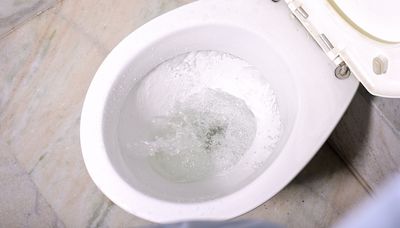
The toilet trapway is the S-shaped or P-shaped curved channel built into the base of the toilet behind the bowl. Its job is to hold a water seal that blocks sewer gases from entering the home.
A partial blockage in the trapway does not always prevent flushing entirely. Water may still move through slowly while trapped air is forced back into the bowl with each flush, producing consistent bubbling.
This type of blockage is often caused by mineral buildup, small objects, or hardened waste in the curve of the trapway that a standard plunger cannot reach.
Cause 8: Nearby Drain Clogs Causing Pressure Backup
A clog in a nearby shower, tub, or sink drain that shares the same drain line as your toilet can create enough pressure change to cause toilet bubbling even though the toilet itself is completely clear.
This is especially common in bathrooms where the toilet, sink, and shower all connect to the same branch drain line. When the shared line gets restricted, flushing the toilet or draining the shower forces air back up through the toilet bowl.
You may notice that your toilet bubbles specifically when the shower drains but works normally otherwise. This is a reliable sign of a shared drain line restriction.
How to Diagnose Which Cause Is Affecting Your Toilet
Diagnosing the cause correctly before attempting a fix saves time and prevents making the problem worse.
Step-by-Step Diagnosis Guide
Start by observing exactly when the bubbling happens. Does it occur only when you flush, or does it happen randomly even when nothing is being used? Random bubbling points to a vent stack problem. Bubbling only on flushing points to a local drain clog.
Next, check other fixtures. Run the shower and watch the toilet. Flush the toilet and watch the tub. If using one fixture causes bubbling in another, the blockage is in a shared drain line or the main sewer line, not in the toilet itself.
Check for a sewage smell. If you can detect a rotten egg or sulfur odor near the toilet or drains, sewer gas is entering the home. This could indicate a blocked vent stack, a dry drain trap, or a septic system failure.
Diagnosis Quick Reference
| When Does Bubbling Happen | What It Likely Indicates |
|---|---|
| Only when you flush | Clog in toilet drain or trapway |
| When shower or tub drains | Shared drain line restriction |
| When washer runs | Shared drain or main line blockage |
| Randomly with no water use | Blocked vent stack |
| Multiple fixtures at once | Main sewer line blockage |
| After heavy rain | Saturated septic or overwhelmed sewer |
| With sewage smell | Sewer gas, blocked vent, or septic issue |
DIY Fixes for a Bubbling Toilet
Several causes of toilet bubbling can be addressed at home without calling a plumber. Always start with the simplest fix before escalating.
Fix 1: Plunge the Toilet
A flange plunger, which has an extended rubber flap that folds out from the cup, creates a much better seal over the toilet drain opening than a standard cup plunger.
Place the plunger over the drain opening and push it down firmly to create a full seal. Give it 15 to 20 firm, steady pumping strokes without breaking the seal. Finish with a strong upward pull to dislodge the blockage.
If the clog is close to the surface, the water will suddenly drain and the bubbling will stop. Repeat the process if the first attempt does not clear the blockage fully.
Fix 2: Use a Toilet Auger
A toilet auger, also called a closet auger, is a flexible cable tool designed to reach past the toilet trapway and into the drain pipe to break up or retrieve clogs that a plunger cannot reach.
Insert the auger cable into the drain opening and crank the handle clockwise while pushing the cable deeper into the pipe. When you feel resistance, work the cable back and forth to break up the blockage or hook onto it for removal.
A toilet auger can typically reach 3 to 6 feet into the drain. For clogs beyond that depth, a professional drain snake or camera inspection is the appropriate next step.
Fix 3: Clear the Roof Vent
If the bubbling happens randomly with no flushing involved, a blocked vent stack is the likely cause. This fix requires accessing the roof safely.
Once on the roof, locate the vent pipe opening, usually a 3 to 4 inch diameter pipe protruding a few inches above the roof surface. Remove any visible debris including leaves, bird nests, or dead animals from the opening.
Insert a garden hose into the vent pipe and let water flow down to flush out any debris. If the water backs up and does not drain, the blockage is deeper in the vent pipe and requires a plumber with a vent snake.
Fix 4: Run Hot Water Down Nearby Drains
For bubbling caused by a partial blockage in a shared drain line connected to the toilet, pouring very hot water slowly down nearby sink or tub drains can sometimes dissolve soft blockages made up of soap scum, hair, or grease.
Do not use boiling water directly into a toilet bowl because the extreme temperature can crack porcelain. Hot tap water is safe for drain lines.
This approach works on minor restrictions. If the bubbling continues after trying this, a snake or plumber is needed.
When to Stop DIY and Call a Plumber
Some causes of toilet bubbling cannot be fixed with household tools. Calling a licensed plumber is the correct step in these situations.
Call a plumber immediately if multiple fixtures are backing up or gurgling at the same time. This almost always indicates a main sewer line blockage that requires professional equipment such as a motorized snake, hydro jetting, or a camera inspection.
Call a plumber if you smell sewage gas in the home. Methane and hydrogen sulfide require professional diagnosis and repair of the vent or drain system to restore safe conditions.
Call a plumber if your home uses a septic system and the tank has not been pumped in the last 3 to 5 years, or if you notice wet spots or strong odor above the drain field in your yard.
Professional Plumbing Solutions for Serious Causes
Camera Inspection
A camera inspection involves inserting a flexible waterproof camera into the sewer line from a cleanout access point. The camera transmits live video that allows the plumber to see exactly what is inside the pipe, identifying the location, type, and severity of the blockage.
This is the most accurate diagnostic tool available and eliminates guesswork before expensive repair work begins.
Hydro Jetting
Hydro jetting uses a high-pressure stream of water, typically at 3,000 to 4,000 PSI, to blast through blockages and clean the interior walls of the sewer pipe. It removes tree roots, grease buildup, mineral deposits, and hardened debris more completely than a mechanical snake.
Hydro jetting is highly effective for recurring clogs and is often recommended as a preventive maintenance service every 18 to 24 months for high-use sewer lines.
Trenchless Sewer Repair
For collapsed or cracked sewer pipes caused by tree roots or age, trenchless repair techniques can restore the pipe without excavating the yard. Two main methods are pipe lining, which inserts a resin liner inside the existing pipe, and pipe bursting, which uses a hydraulic head to break the old pipe while simultaneously pulling a new one into place.
Trenchless repair is significantly less disruptive and less expensive than traditional open-trench sewer replacement.
How to Prevent Your Toilet from Bubbling Again
Prevention is far less expensive than emergency plumbing repairs. These habits protect your drain system long-term.
Flush Only Toilet Paper and Waste
The single most effective prevention habit is flushing only human waste and standard toilet paper down the toilet. Every other item, including products marketed as flushable, should go in the trash.
Wipes, paper towels, cotton products, and hygiene items do not break down in water the way toilet paper does. They accumulate in the drain system and form blockages over time.
Placing a covered wastebasket next to the toilet makes it easier for household members and guests to dispose of items properly.
Schedule Regular Drain Cleaning
Having a plumber snake or hydro jet your main sewer line every 18 to 24 months prevents the gradual buildup of grease, soap scum, and debris from turning into a full blockage.
This is especially important for older homes with clay or cast iron pipes, homes with large trees on the property, and homes where multiple occupants use the plumbing heavily every day.
Preventive cleaning costs a fraction of what emergency sewer repair costs after a full backup.
Inspect and Maintain Your Septic System
Homes on a private septic system should have the tank pumped every 3 to 5 years depending on household size and usage. Regular inspection ensures the tank, distribution lines, and drain field are all functioning correctly.
Signs that a septic system needs immediate attention include gurgling drains, slow flushing throughout the house, wet patches over the drain field, and sewage odors indoors or outdoors.
Check the Roof Vent Annually
Add a brief roof vent inspection to your annual home maintenance checklist. Clear any leaves, debris, or bird nesting material from the vent pipe opening each fall before winter conditions arrive.
In areas with cold winters, check the vent opening after heavy snowfall or ice storms. Ice can form inside the vent pipe opening and create a temporary blockage that produces gurgling throughout the home until it thaws.
Bubbling Toilet Fix Summary
| Cause | DIY Fix | Professional Fix Needed |
|---|---|---|
| Toilet drain clog | Plunge or auger | If DIY fails after two attempts |
| Drain line clog | Auger or hot water flush | If snake cannot reach blockage |
| Blocked vent stack | Clear roof vent with hose | If blockage is deep in vent pipe |
| Main sewer line clog | Not recommended | Always call a plumber |
| Tree root intrusion | Not possible DIY | Camera inspection plus hydro jetting or trenchless repair |
| Full septic tank | Not recommended | Pump tank, inspect drain field |
| Shared drain clog | Plunge affected fixtures | If symptoms persist across fixtures |
Risks of Ignoring a Bubbling Toilet
A bubbling toilet that is ignored does not fix itself. The underlying cause continues to worsen until it reaches a critical point.
The most common escalation is a full sewage backup. When the drain system can no longer push waste outward, it reverses direction. Sewage can back up into the bathtub, shower, floor drains, and sinks. Cleaning up sewage backup is expensive, disruptive, and a serious health hazard.
A blocked vent stack that goes untreated allows sewer gas to accumulate inside the home. Hydrogen sulfide is detectable at concentrations as low as 1 part per million. Methane is odorless and can reach explosive concentrations in enclosed spaces without any warning smell.
Structural damage is another long-term risk. Hidden leaks from cracked sewer pipes caused by root intrusion or age can saturate subfloor materials, promote mold growth, and compromise the structural integrity of floors and walls before any visible sign appears.
Frequently Asked Questions (FAQs)
Why is my toilet bubbling when I flush?
When you flush and the toilet bubbles, air trapped behind a clog in the drain or trapway is being forced back up through the bowl as water pushes against the blockage.
Why is my toilet bubbling when no water is running?
Random bubbling with no water use almost always means the vent stack is blocked, causing pressure imbalances in the drain system that release through the toilet bowl.
Can a bubbling toilet fix itself?
No. Bubbling indicates a physical blockage or venting problem that does not resolve on its own and will typically worsen over time until treated.
Why does my toilet bubble when I use the shower?
The toilet and shower share a branch drain line. A clog in that shared line creates pressure that forces air up through the toilet when the shower pushes water into the same pipe.
Is a gurgling toilet the same as a bubbling toilet?
Yes. Gurgling and bubbling describe the same problem, which is trapped air escaping through the toilet bowl due to a blockage or venting failure in the plumbing system.
Can heavy rain cause my toilet to bubble?
Yes. Heavy rain can saturate the ground around a septic drain field or overwhelm a municipal sewer line, both of which create back-pressure that causes toilet bubbling.
Is sewer gas from a bubbling toilet dangerous?
Yes. Sewer gas contains hydrogen sulfide and methane, both of which are hazardous. If you smell rotten eggs from your toilet, open windows and call a plumber immediately.
How do I know if my main sewer line is blocked?
If multiple fixtures throughout the home are gurgling, draining slowly, or showing backup at the same time, the main sewer line is almost certainly blocked and requires a professional.
How much does it cost to fix a bubbling toilet?
A simple plunging fix costs nothing. A professional drain snaking runs roughly 100 to 250 dollars. Hydro jetting costs 300 to 600 dollars. Main sewer line repair or replacement can range from 1,000 to 10,000 dollars depending on the method and extent of damage.
When should I call a plumber for a bubbling toilet?
Call a plumber if plunging does not clear the problem, if multiple fixtures are affected, if you smell sewer gas, or if the toilet is connected to a septic system showing signs of failure.
Conclusion
Why is my toilet bubbling is a question that always deserves a prompt answer because every cause behind that gurgling sound will worsen without action.
The most common reason is a clog in the toilet drain or the connecting drain line, both of which respond well to a plunger or auger.
A blocked vent stack, shared drain clog, or main sewer line blockage are more serious causes that require professional tools and expertise.
Tree root intrusion and septic system failures are the most severe scenarios and need immediate professional attention before they escalate into sewage backups or structural damage.
In 2026, licensed plumbers have access to camera inspections, hydro jetting, and trenchless repair technology that makes even serious sewer problems faster and less invasive to fix.
The best approach is to diagnose early, apply the right DIY fix if the cause is minor, and call a plumber without delay when the warning signs point to the main line or vent system.