6 Tips For Concrete Projects In Albuquerque
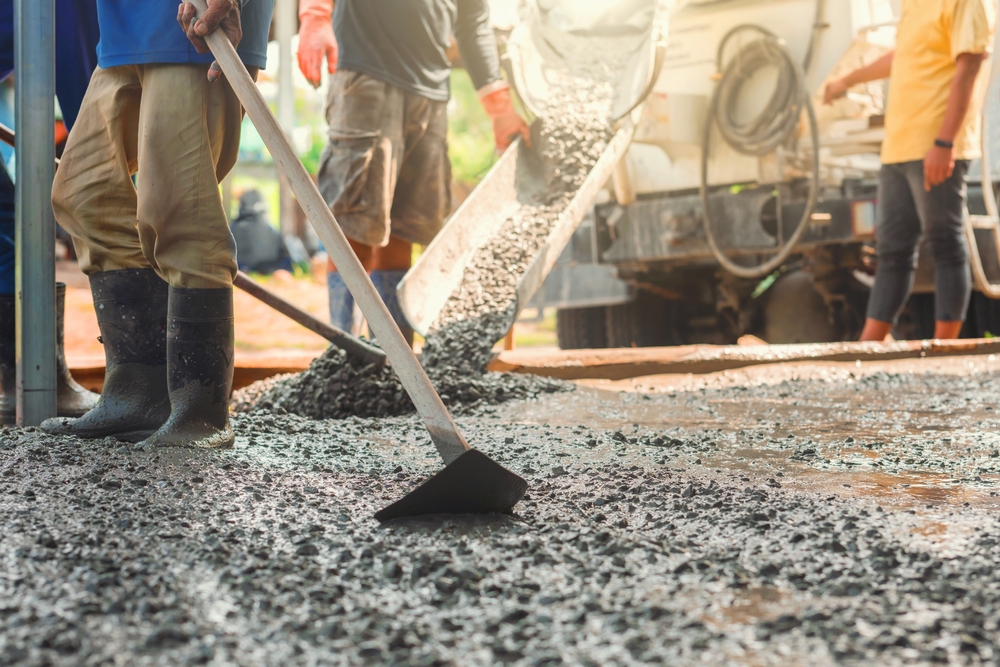
Concrete work may look simple on the surface, yet small decisions can change how long the results actually last. In Albuquerque, weather conditions, soil behavior, and proper planning all influence the outcome of any project. This article breaks down six practical tips that help you approach concrete work with more clarity. Each section focuses on steps that improve durability and reduce common mistakes. If you want a project that holds up over time, these insights will guide you in the right direction.
1. Start With Proper Site Preparation
A strong concrete project begins long before the mix is poured. Many people rely on a concrete contractor in Albuquerque to prepare the site correctly and avoid issues later.
Key preparation steps include:
- Removing loose soil and debris from the area
- Leveling the ground to prevent uneven settling
- Compacting the base to create a stable surface
In Albuquerque, proper groundwork helps reduce cracking and improves the overall lifespan of the structure.
2. Choose The Right Concrete Mix For The Project
Each project benefits from selecting the right type of concrete for its specific needs. The mix you choose affects strength, durability, and resistance to environmental conditions.
Understand Load Requirements
Driveways and patios require different strength levels. Selecting the correct mix ensures the surface handles the expected weight.
Consider Climate Factors
In Albuquerque, temperature shifts can affect how concrete expands and contracts. A suitable mix helps reduce long-term damage.
Choosing the right material helps maintain performance and keeps repairs minimal.
3. Plan For Weather And Timing Carefully
Timing plays a critical role in concrete work. Extreme heat or sudden temperature changes can affect how the material sets and cures.
In Albuquerque, early morning or late afternoon pours are usually more effective. This reduces rapid drying that can lead to surface cracks. Planning around weather conditions helps maintain consistency and improve the final finish. A well-timed project allows the concrete to cure properly and supports better long-term results.
4. Focus On Proper Curing For Durability
Curing is just as important as pouring the concrete itself. Without proper curing, the surface may weaken and develop cracks sooner than expected.
Steps to support curing include:
- Keeping the surface moist during the early stages
- Protecting it from direct sunlight and wind
- Allowing enough time before heavy use
Dry conditions make curing especially important. Proper care during this stage helps the concrete reach its full strength.
5. Ensure Accurate Measurements And Layout
Precision matters when working with concrete. Incorrect measurements can lead to uneven surfaces or wasted material. Taking time to plan the layout helps avoid these issues.
Marking boundaries and checking levels before pouring ensures the project stays aligned. Accurate planning supports a smoother process and reduces the need for adjustments later. This step also helps maintain consistency across the entire surface, which improves both function and appearance.
6. Seek Professional Expertise For Better Results
Professional guidance can make a noticeable difference in how a project turns out. Experienced contractors understand local conditions and know how to handle challenges that may not be obvious at first.
In Albuquerque, experts can assess the site, recommend suitable materials, and ensure proper execution. Their experience helps reduce errors and improve efficiency. This support leads to stronger, more reliable results that hold up over time and require less maintenance.
Concrete projects benefit from careful planning and attention to detail. Each step, from preparation to curing, plays a role in creating a durable surface. When homeowners consider working with a concrete contractor in Albuquerque, they gain a clearer understanding of what supports long-term success. With the right approach, concrete work can remain strong, functional, and visually consistent for years.