Why Is My Dog’s Nose Running? Vet-Approved Answers 2026
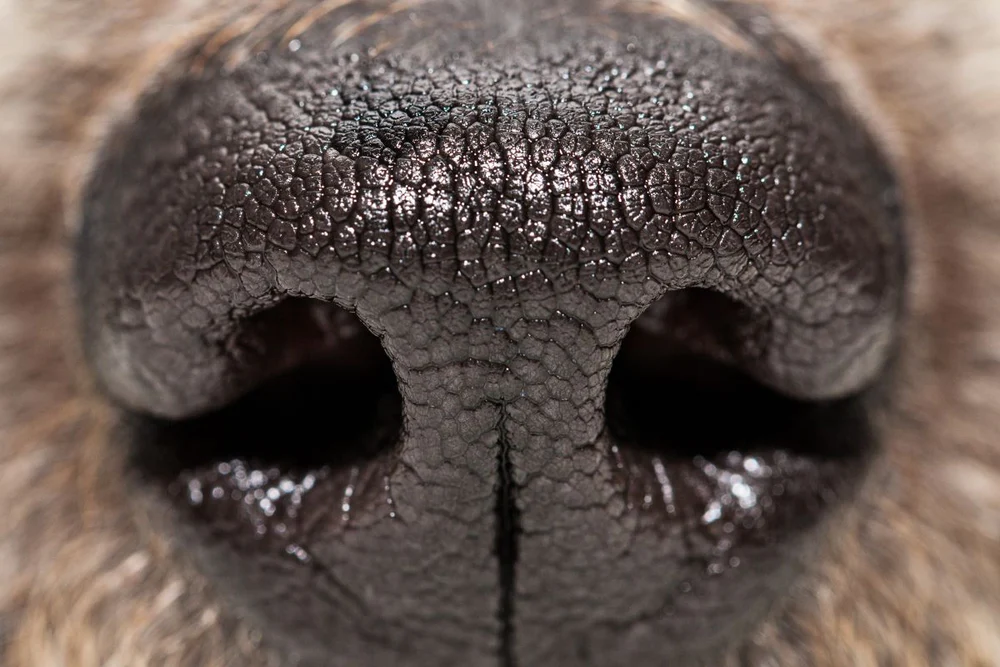
Why is my dog’s nose running? This is one of the most common concerns dog owners search for — and for good reason.
A runny nose in dogs can signal anything from a harmless environmental irritant to a serious underlying health condition like fungal infection, dental disease, or nasal tumors.
Knowing the difference between normal nasal moisture and a genuine medical problem could protect your dog from unnecessary suffering.
Heading Structure Used by Top Competitors
Most top 8 competitors rely on H1 and H2 only with minimal sub-sections. Only 2 of 8 have any FAQ content. None combine a discharge color guide table, a one-vs-two nostril section, home care tips, and 10 structured FAQs in one post. This blog covers all of it.
Is a Wet Dog Nose Normal?
Why Dogs Have Moist Noses
Dogs naturally have wet noses. The moisture comes from a thin layer of mucus that lines the nasal passages and helps dogs absorb scent chemicals more effectively. Dogs also lick their noses frequently, and moisture from drinking, playing outdoors, or sleeping on cool surfaces adds to the dampness.
A small amount of clear, watery nasal moisture is completely normal in a healthy dog. It is not the same thing as a runny nose.
When Normal Wetness Becomes a Runny Nose
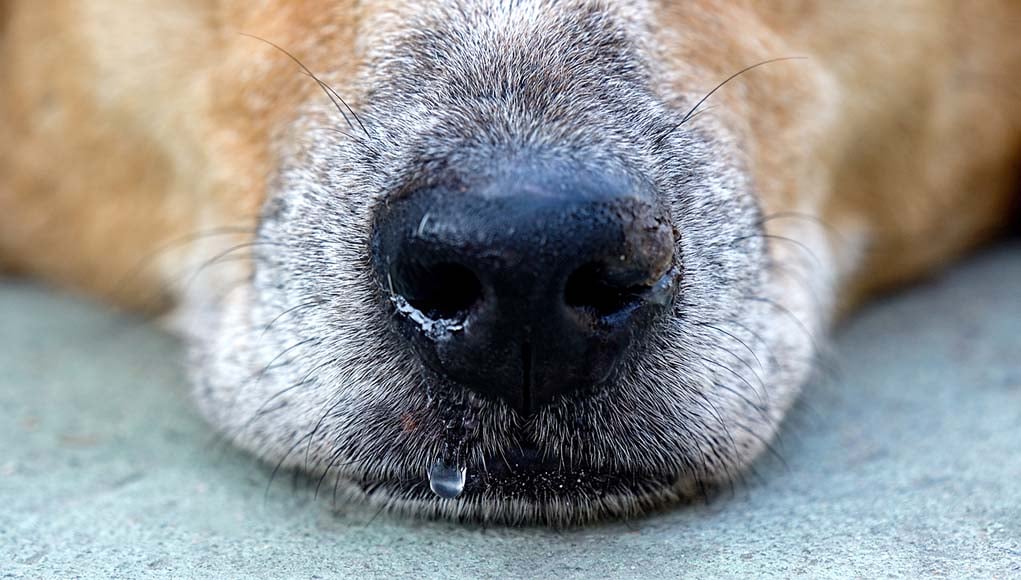
The line is crossed when discharge becomes persistent, changes color, thickens, smells unpleasant, or comes from one nostril only. A truly running nose produces visible dripping, soaks the fur around the muzzle, or requires your dog to snort and sneeze repeatedly to clear the passage.
Any discharge that is cloudy, yellow, green, or bloody — regardless of how mild it seems — is abnormal and worth investigating.
Reading the Discharge: What Color and Consistency Tell You
The Color Guide Every Dog Owner Needs
The appearance of nasal discharge is one of the most important diagnostic clues available before you even reach the vet. Different colors and textures point toward specific categories of cause.
| Discharge Type | Color/Texture | Most Likely Cause |
|---|---|---|
| Serous | Clear, thin, watery | Allergies, mild irritants, excitement |
| Mucoid | Thick, white or pale yellow | Chronic inflammation, early infection |
| Purulent | Thick yellow or green | Bacterial or fungal infection |
| Hemorrhagic | Pink, red, or bloody | Trauma, foreign body, tumor, clotting disorder |
| Mixed mucopurulent | Yellow-green with mucus | Secondary bacterial infection on top of virus |
One Nostril vs Both Nostrils
Which nostril the discharge comes from is just as important as what it looks like.
Discharge from one nostril only is more worrying. It strongly suggests a localized problem on that specific side — a foreign object lodged in the passage, a dental root abscess, a nasal polyp, or an early-stage tumor.
Discharge from both nostrils is more often linked to systemic issues like allergies, viral infections, kennel cough, or environmental irritants affecting the whole respiratory system.
Always tell your vet whether the discharge is unilateral (one side) or bilateral (both sides). This single detail can immediately narrow the list of possible causes.
Why Is My Dog’s Nose Running? The 11 Most Common Causes
Allergies
Allergies are the single most common cause of a runny nose in dogs. Environmental allergens — pollen, dust mites, mold spores, and grass — are the most frequent triggers, causing clear, watery discharge especially during spring and fall.
Food allergies and contact allergies to cleaning products, perfumes, or cigarette smoke can also produce nasal symptoms. Other signs of allergies include itchy skin, red or watery eyes, excessive paw licking, and sneezing.
Treatment involves identifying and reducing exposure to the allergen, along with antihistamines, steroids, or allergy immunotherapy depending on the severity.
Kennel Cough (Infectious Tracheobronchitis)
Kennel cough is a highly contagious respiratory infection caused most commonly by Bordetella bronchiseptica bacteria, often combined with canine parainfluenza virus. Dogs pick it up in boarding kennels, dog parks, grooming salons, and anywhere dogs interact closely.
Symptoms include a harsh, honking cough, nasal discharge, sneezing, and sometimes a low-grade fever. Most healthy adult dogs recover within 1 to 3 weeks without antibiotics, though severe cases — especially in puppies or immunocompromised dogs — may require treatment.
The Bordetella vaccine significantly reduces the risk and severity of kennel cough, though it does not prevent all strains.
Canine Distemper Virus
Canine distemper is a serious viral disease that attacks the respiratory, gastrointestinal, and nervous systems. It causes thick, yellow-green nasal and eye discharge alongside fever, coughing, lethargy, and vomiting.
Distemper is life-threatening and most commonly affects unvaccinated puppies and dogs. There is no cure — treatment is supportive care aimed at managing symptoms. Vaccination is the only effective prevention and is considered a core vaccine in every country.
Fungal Infection (Aspergillosis)
Aspergillus is a common mold found in soil, hay, and grass. When dogs inhale the spores, it can colonize the nasal passages and sinuses and cause persistent, foul-smelling nasal discharge — often yellow-green and sometimes bloody.
Aspergillosis most commonly affects dogs with longer muzzles, like German Shepherds, Golden Retrievers, and Labrador Retrievers. Treatment involves antifungal medications administered directly into the nasal passages, sometimes requiring repeated procedures. Early diagnosis gives the best outcome.
Foreign Body in the Nasal Passage
Dogs sniff everything — grass, soil, leaves, mulch, and flower beds. Occasionally, a grass seed, foxtail awn, small stick, or insect gets inhaled and lodges inside the nasal passage.
The classic sign is sudden, violent sneezing that comes in rapid-fire bursts — often immediately after outdoor activity. Discharge appears from one nostril only, starting clear but becoming bloody or purulent as the object causes irritation and secondary infection.
Foreign bodies must be removed by a vet, usually under sedation or general anesthesia using a rhinoscope. This is not something that can be handled at home.
Dental Disease and Tooth Root Abscesses
This is one of the most commonly missed causes of a dog’s runny nose. The roots of the upper premolars and molars sit extremely close to the nasal passages. When these teeth develop abscesses or severe periodontal disease, the infection can erode through the bone and drain directly into the nasal cavity.
The result is a persistent discharge — often from one nostril — that may contain pus or blood and has a foul smell. Dogs may also show facial swelling, pain when eating, or reluctance to chew on one side. Treatment involves dental extraction and antibiotic therapy.
Nasal Mites (Pneumonyssoides caninum)
Nasal mites are tiny parasites that live inside the nasal passages and sinuses of dogs. They spread through nose-to-nose contact or contact with contaminated surfaces. They are not especially common but are frequently overlooked as a cause of chronic nasal discharge.
Symptoms include persistent sneezing, reverse sneezing, head shaking, pawing at the face, and clear-to-mucoid nasal discharge. Dogs that spend time digging in soil or interacting with many other dogs are at higher risk. Treatment uses anti-parasitic medications such as ivermectin or milbemycin.
Nasal Polyps and Tumors
Nasal polyps are benign soft tissue growths that develop inside the nasal passages and obstruct airflow. Nasal tumors — which can be benign or malignant — tend to occur more frequently in older dogs and breeds with long noses.
Both conditions cause progressive, often one-sided nasal discharge that may be bloody or mucopurulent. Noisy, labored breathing and facial swelling may also develop as the growth enlarges. Diagnosis requires imaging such as a CT scan and often a biopsy. Treatment depends on whether the mass is benign or malignant and may involve surgery, radiation, or palliative care.
Upper Respiratory Infections (Viral and Bacterial)
Viral infections including canine influenza, canine parainfluenza, and canine herpesvirus can all cause runny noses alongside coughing, sneezing, fever, and lethargy. They are spread through direct contact with infected dogs and respiratory droplets.
Bacterial infections frequently develop as secondary complications following viral illness, turning a clear discharge yellow or green. Antibiotics are used for bacterial infections but do not treat the underlying virus. Most healthy, vaccinated dogs recover fully with supportive care.
Nasal Rhinitis and Sinusitis
Rhinitis is inflammation of the nasal passages. Sinusitis is inflammation of the sinuses. Both produce nasal discharge, sneezing, snoring-type breathing noises, and general nasal congestion.
They can be triggered by infections, allergies, foreign bodies, or chronic irritant exposure. Chronic rhinitis in dogs is particularly challenging to manage because the underlying cause is not always identifiable. Long-term management may involve anti-inflammatory medications, antibiotics, and environmental modifications.
Clotting Disorders and Nosebleeds
Certain toxins — most notably rat and mouse poisons that contain anticoagulants — interfere with the blood’s ability to clot. This can cause spontaneous nosebleeds or bloody nasal discharge without any obvious trauma or injury.
Immune-mediated conditions, tick-borne diseases like Rocky Mountain spotted fever, and certain cancers can also impair clotting and produce similar symptoms. Any spontaneous or unexplained bloody nasal discharge is an emergency until proven otherwise.
Emergency Warning Signs: When to Go to the Vet Immediately
Signs That Cannot Wait at Home
Some symptoms mean you need to contact your vet or go to an emergency clinic right away. Do not monitor and wait if you observe any of the following.
| Emergency Sign | What It May Indicate |
|---|---|
| Bloody discharge with no injury | Clotting disorder, tumor, or severe fungal infection |
| Sudden violent sneezing after outdoor time | Foreign body lodged in the nose |
| Discharge from one nostril with facial swelling | Tooth abscess or nasal mass |
| Difficulty breathing or open-mouth breathing | Severe nasal blockage or systemic illness |
| Runny nose in unvaccinated puppy | Possible distemper virus — urgent |
| Yellow/green foul-smelling discharge | Active infection requiring treatment |
| Repeated nosebleeds | Clotting disorder, toxin exposure, tumor |
| Runny nose plus lethargy and no appetite | Systemic illness requiring full workup |
What to Tell the Vet
When you call or visit your vet, having specific observations ready dramatically speeds up diagnosis. Note the color and consistency of the discharge, whether it comes from one or both nostrils, when it started, whether it comes and goes or is constant, any recent outdoor activity or exposure to other dogs, and any other symptoms like coughing, sneezing, or pawing at the face.
A brief written log of what you observed — even just three or four notes — is more useful than relying on memory when you are in an anxious vet appointment.
How Vets Diagnose a Running Nose in Dogs
Physical Examination First
Your vet will start with a full physical exam including checking both nostrils, examining the gums and teeth, palpating the facial bones for swelling or pain, listening to the lungs, and assessing lymph nodes. Often, the exam alone reveals significant clues.
Diagnostic Tools Used
Depending on what the examination suggests, your vet may recommend a combination of the following tests.
Rhinoscopy is a scope placed into the nasal passages under sedation. It can directly visualize foreign objects, polyps, fungal plaques, and tumor tissue — and allows the vet to collect a biopsy sample at the same time.
CT scan (computed tomography) provides detailed three-dimensional imaging of the nasal cavity, sinuses, and surrounding bone. It is far more sensitive than standard X-rays for detecting tumors, fungal infection extent, and dental root involvement.
Bloodwork including a complete blood count and chemistry panel can identify systemic infection, anemia from blood loss, clotting issues, or organ disease.
Nasal flush and cytology involves flushing the nasal passages and examining the collected cells under a microscope. This can detect fungal organisms, bacteria, mites, and abnormal cells.
Treatment Options by Cause
How Treatment Is Matched to Diagnosis
There is no single treatment for a dog’s runny nose because it is a symptom, not a disease. The treatment path depends entirely on what the diagnostic workup reveals.
| Cause | Primary Treatment |
|---|---|
| Allergies | Antihistamines, steroids, allergen avoidance, immunotherapy |
| Kennel cough | Rest, supportive care; antibiotics if secondary bacterial infection |
| Canine distemper | Supportive care, isolation; no cure — vaccination prevents |
| Aspergillosis | Antifungal medication administered directly into nasal passages |
| Foreign body | Removal under sedation via rhinoscope |
| Dental abscess | Tooth extraction plus antibiotics |
| Nasal mites | Anti-parasitic medications (ivermectin, milbemycin) |
| Nasal polyp | Surgical removal |
| Nasal tumor | Surgery, radiation, or palliative care depending on type |
| Bacterial infection | Prescription antibiotics tailored to culture results |
| Clotting disorder | Vitamin K for rodenticide toxicity; further workup for other causes |
Home Care: What You Can Safely Do While Waiting for a Vet
Things That Help
If your dog has a mild runny nose with clear discharge and is otherwise eating, drinking, and acting normally, there are a few things you can do at home to provide comfort while you monitor the situation.
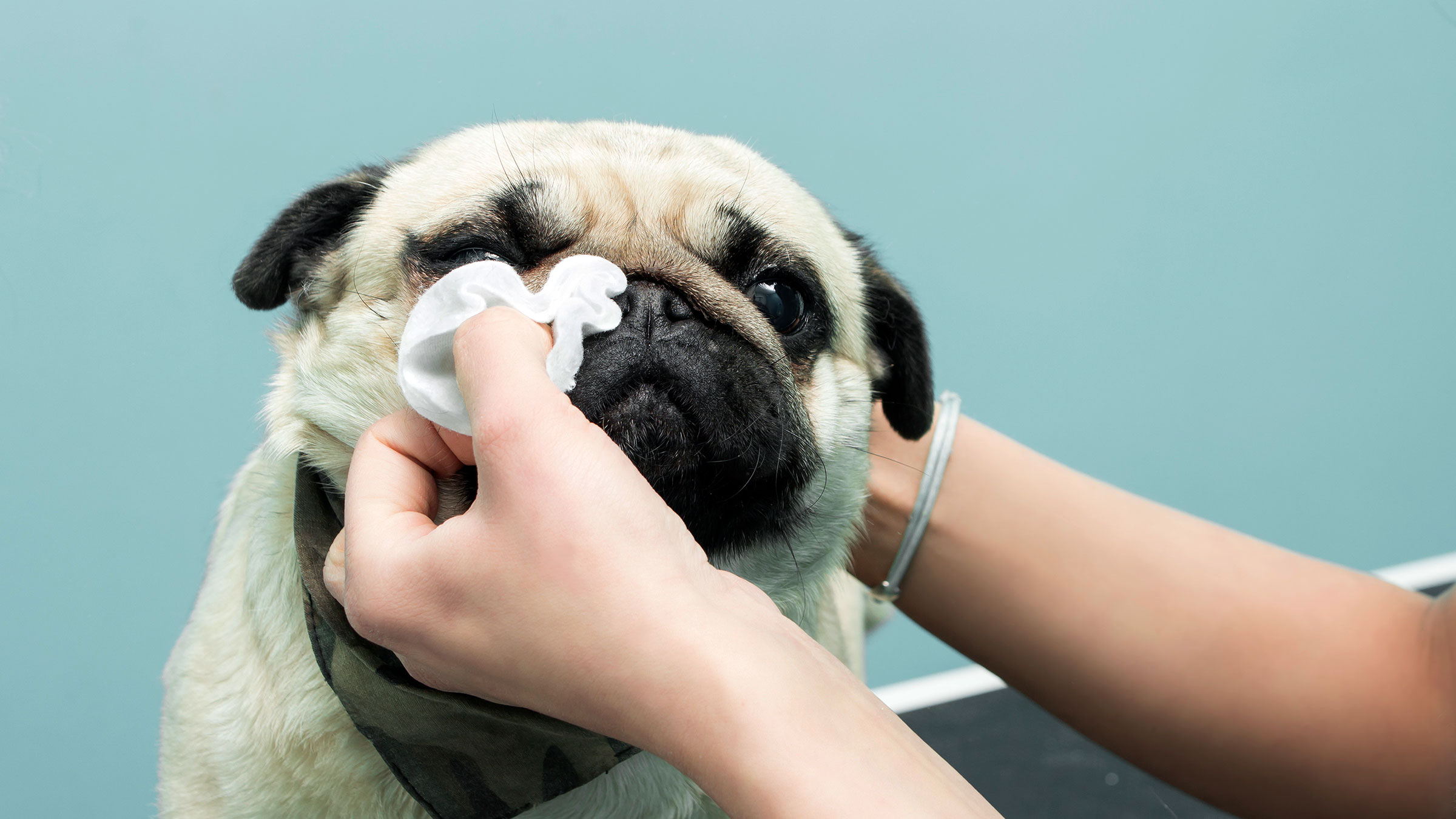
Move your dog away from strong smells — perfumes, aerosol sprays, cigarette smoke, scented candles, and chemical cleaning products can all aggravate nasal passages. Gently wipe the discharge from around the muzzle with a soft, warm, damp cloth to prevent skin irritation.
Running a humidifier in the room where your dog spends the most time can help keep nasal passages moist and reduce irritation. Placing your dog in a steamy bathroom for 10 to 15 minutes can also help loosen congestion temporarily.
Things to Avoid
Do not attempt to flush your dog’s nose yourself without veterinary guidance — improper flushing technique can push material deeper into the nasal passage or cause aspiration.
Do not give human cold and flu medications, decongestants, or nasal sprays to your dog. Many human formulations — including products containing xylitol, pseudoephedrine, or ibuprofen — are toxic to dogs.
Do not wait more than 48 to 72 hours if the discharge is anything other than clear or if other symptoms develop alongside the runny nose.
Preventing a Runny Nose in Dogs
Vaccination Is the Most Powerful Tool
Staying current with core vaccines — distemper, parvovirus, adenovirus, and parainfluenza — prevents some of the most serious causes of nasal discharge. The Bordetella (kennel cough) vaccine is recommended for any dog that visits boarding facilities, dog parks, grooming salons, or training classes.
Reduce Environmental Triggers
For dogs with allergies or sensitive airways, minimizing household irritants makes a real difference. Switch to fragrance-free cleaning products, avoid burning heavily scented candles near your dog, use low-dust bedding and litter materials, and vacuum regularly to reduce household dust and dander.
Regular Dental Care
Because dental disease is a frequently overlooked cause of nasal discharge, keeping your dog’s teeth clean matters more than most owners realize. Annual professional dental cleanings under anesthesia, combined with daily or weekly tooth brushing at home, dramatically reduce the risk of tooth root abscesses spreading to the nasal cavity.
Annual Vet Check-ups
Routine check-ups allow your vet to catch early-stage dental disease, nasal polyps, and systemic conditions before they develop into the problems that produce chronic nasal discharge. For senior dogs over 8 years old — who have a higher risk of nasal tumors — twice-yearly exams are a smart investment.
Special Situations: Dog Nose Running in Different Contexts
Puppy With a Runny Nose
A runny nose in an unvaccinated or incompletely vaccinated puppy is a red flag for canine distemper and should be treated as urgent. Puppies are also more susceptible to kennel cough and upper respiratory infections due to their developing immune systems.
Any nasal discharge in a puppy under 16 weeks that is accompanied by lethargy, poor appetite, or eye discharge warrants a same-day vet call.
Senior Dog With a Runny Nose
Older dogs — particularly those over 8 years old — are at significantly higher risk for nasal tumors. A gradual change in the character of nasal discharge in a senior dog, especially if it becomes one-sided, bloody, or accompanied by noisy breathing, should be investigated promptly with imaging.
Dog Nose Running After Going Outside
If your dog’s nose starts running immediately after outdoor activity — especially with sudden violent sneezing — a foreign body like a grass seed or foxtail awn is very high on the list. This pattern warrants a same-day vet visit before secondary infection has time to develop.
Dog Nose Running Clear Water
A clear, watery nasal drip in a dog that is otherwise normal is most likely due to allergies, mild excitement, a brief environmental irritant, or body temperature regulation on a warm day. Monitor it for 24 to 48 hours. If it persists beyond two days or other symptoms develop, contact your vet.
Frequently Asked Questions (FAQs)
Why is my dog’s nose running?
A dog’s nose runs most commonly due to allergies, respiratory infections, environmental irritants, or foreign objects — a vet visit is needed if discharge is colored, persistent, or from one nostril only.
What does clear nasal discharge in dogs mean?
Clear, watery discharge usually indicates mild allergies, a brief irritant exposure, excitement, or early inflammation and is the least serious type of nasal discharge.
What does yellow or green nasal discharge mean in dogs?
Yellow or green discharge indicates a bacterial or fungal infection is present and the immune system is actively fighting it — a vet visit and possible antibiotic treatment are needed.
When should I take my dog to the vet for a runny nose?
Go to the vet if discharge lasts more than 2 days, is yellow, green, or bloody, smells foul, comes from one nostril only, or is paired with symptoms like coughing, lethargy, or loss of appetite.
Is a runny nose in dogs contagious to other dogs?
It can be — kennel cough, canine distemper, and canine influenza are all highly contagious respiratory illnesses that spread dog to dog and can cause nasal discharge.
Can allergies cause a dog’s nose to run?
Yes — environmental allergies to pollen, dust mites, mold, and household chemicals are the most common single cause of a runny nose in dogs, producing clear watery discharge.
What does it mean when only one nostril is running?
One-sided discharge is a red flag for a localized problem such as a foreign body lodged in the nose, a tooth root abscess, a nasal polyp, or a nasal tumor — see your vet promptly.
Can dental disease cause a runny nose in dogs?
Yes — infected tooth roots, especially the upper molars and premolars, sit right next to the nasal cavity and can break through and drain into the nose causing persistent one-sided discharge.
What home remedies are safe for a dog with a runny nose?
You can safely wipe the nose with a warm damp cloth, use a humidifier, and remove airborne irritants — never use human decongestants or nasal sprays as many are toxic to dogs.
How long does a dog’s runny nose last?
A mild runny nose from an irritant may clear within hours. Allergy-related discharge can persist through a season. Infections typically last 1 to 3 weeks with treatment. Conditions like fungal infections or tumors require ongoing management.
Conclusion
Why is my dog’s nose running? The answer spans a wide spectrum — from a harmless response to spring pollen to a serious fungal infection, dental abscess, or nasal tumor requiring urgent medical intervention.
The most important thing any dog owner can do is learn to read the signs: the color of the discharge, whether it comes from one side or both, how long it has been happening, and what other symptoms appear alongside it.
Clear discharge that resolves in a day or two is usually nothing serious. Yellow, green, bloody, or persistent one-sided discharge is always worth a vet call.
Keep your dog vaccinated, maintain good dental hygiene, reduce household irritants, and schedule regular check-ups — these four habits alone prevent many of the most common causes of a running nose.
When in doubt, your vet is always the safest next step.