Why Do My Eyes Burn When I Cry? Here’s Why 2026
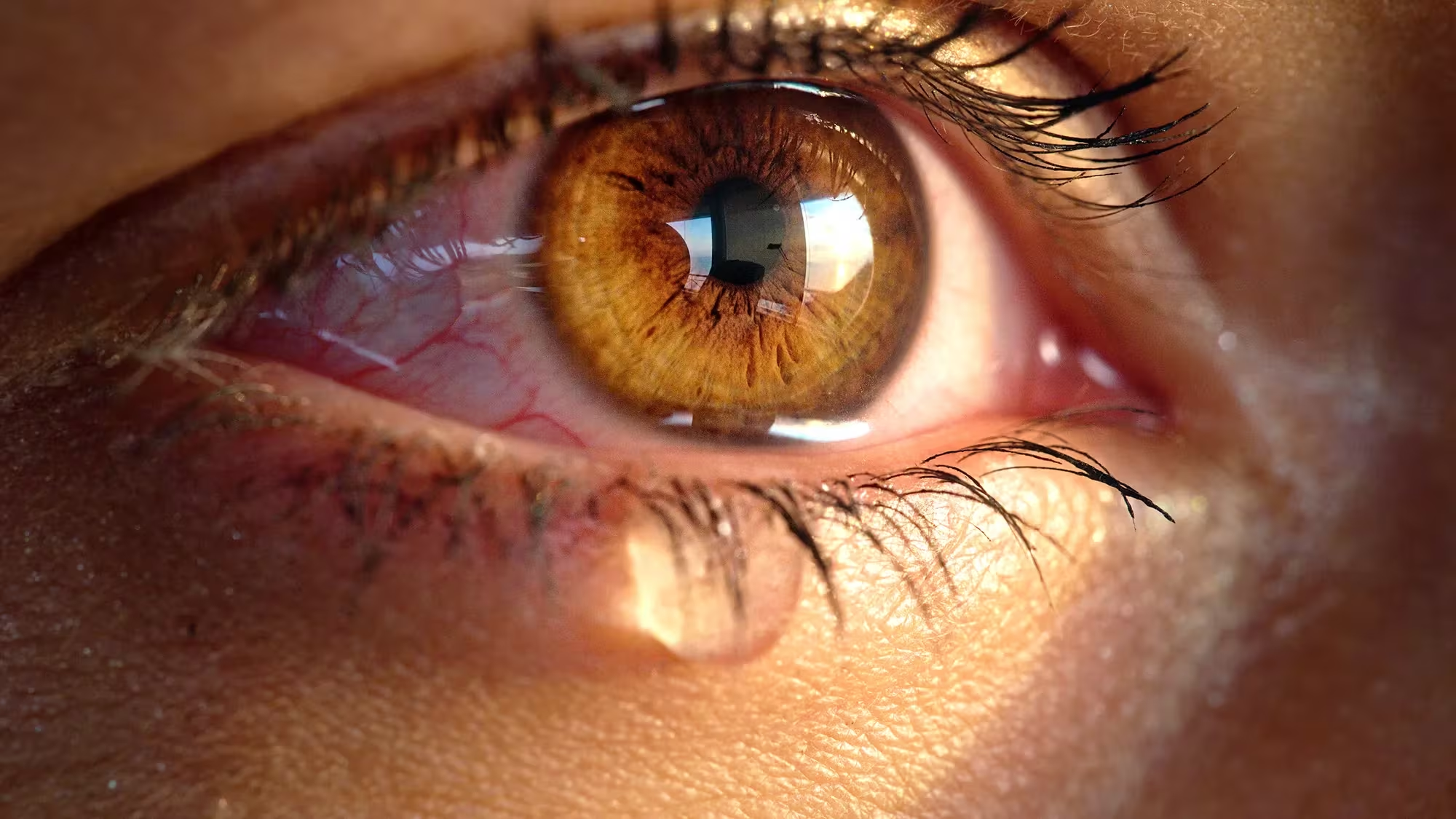
Why do my eyes burn when I cry is something almost everyone has wondered after a good sob session.
You expect tears to soothe your eyes, not set them on fire. Yet that stinging, burning feeling is incredibly common and it happens for very real scientific reasons.
Emotional tears have a different chemical composition than your everyday moisture-keeping tears, and when the tear film is disrupted, irritated, or unbalanced, the result is that uncomfortable burn you feel during or right after crying.
Why Do My Eyes Burn When I Cry
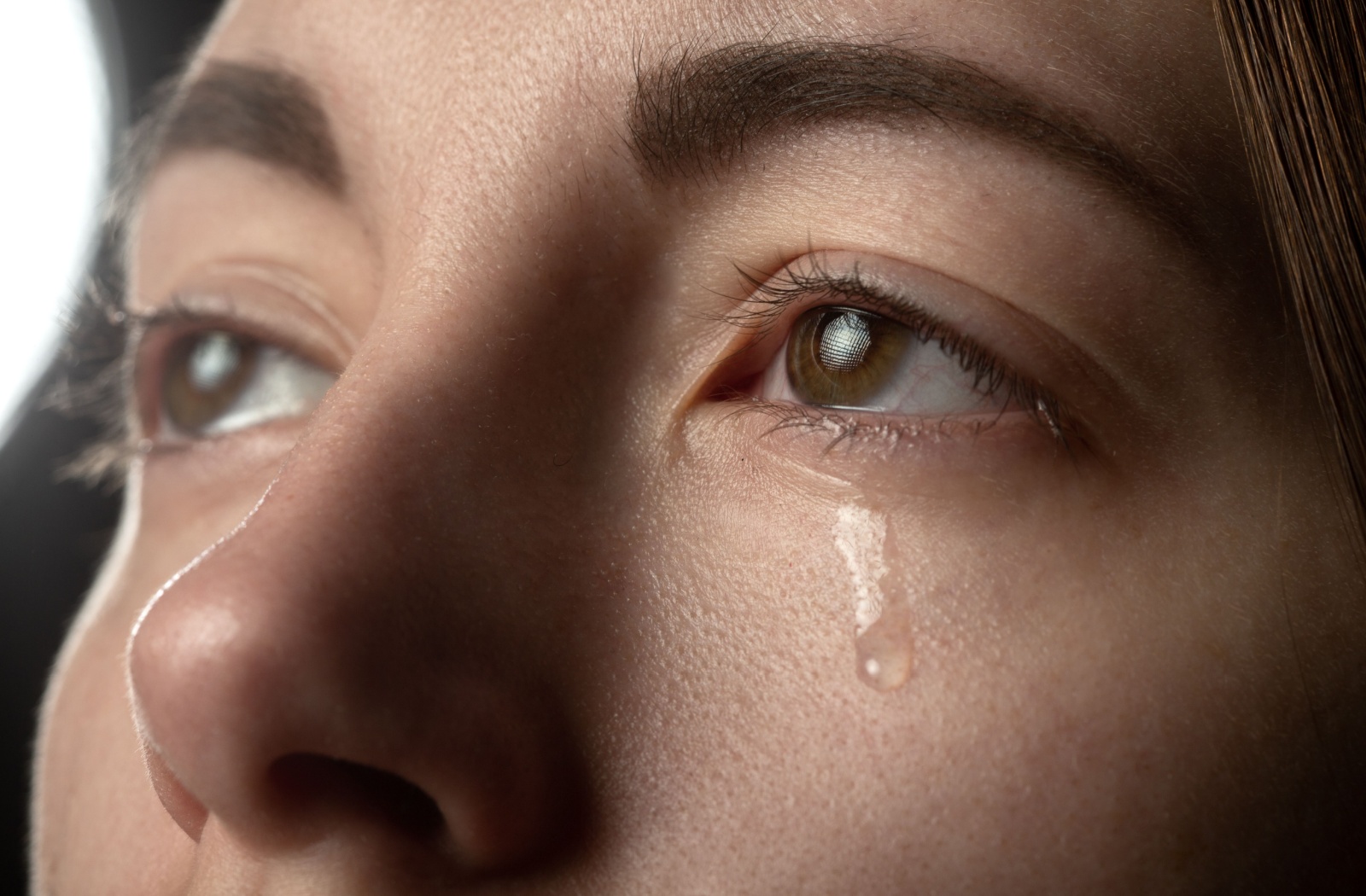
Tears are not just salty water. They are a precisely layered, biochemically complex fluid that does dozens of jobs at once for your eyes.
Every tear you produce contains water, electrolytes, lipids, proteins, antibodies, and various enzymes. The exact ratio of these components matters enormously to how comfortable your eyes feel.
When any part of this formula shifts even slightly, the delicate surface of the cornea can react with irritation, redness, or that signature burning sensation.
The Three Layers of the Tear Film
Your tear film is made up of three distinct layers, and each layer has a specific job. When all three work in harmony, your eyes stay comfortable and clear.
The oily outer layer is produced by the meibomian glands, which are tiny glands embedded in the upper and lower eyelid margins. This layer acts as a seal that prevents the water beneath from evaporating too quickly.
The watery middle layer is the thickest and is produced by the lacrimal glands. It hydrates the cornea, delivers oxygen and nutrients, and washes away dust and debris.
The mucous inner layer, produced by goblet cells in the conjunctiva, acts like a bonding agent. It helps the entire tear film stick evenly to the surface of the cornea rather than sliding off.
| Tear Film Layer | Produced By | Primary Job | What Happens When It Fails |
|---|---|---|---|
| Oily (lipid) layer | Meibomian glands | Prevents tear evaporation | Tears evaporate too fast, salt concentration rises |
| Watery (aqueous) layer | Lacrimal glands | Hydrates cornea, flushes debris | Dry eyes, burning, gritty sensation |
| Mucous (mucin) layer | Goblet cells (conjunctiva) | Helps tear film adhere to cornea | Uneven tear coverage, irritation |
The Three Types of Tears
Not all tears are the same, and the type of tear your body produces during emotional crying is distinctly different from what your eyes produce during everyday moments.
Basal tears are your baseline tears, present in your eyes at all times even when you feel nothing in particular. They keep the cornea consistently lubricated, nourished, and protected from airborne particles.
Reflex tears are produced when an external irritant enters the eye, such as smoke, onion vapors, a speck of dust, or a strong chemical smell. They are released in larger quantities and carry more antibodies than basal tears.
Emotional tears are triggered by strong feelings, whether sadness, joy, frustration, or physical pain. Research suggests emotional tears contain higher concentrations of certain hormones, proteins, and stress-related biochemicals that basal tears do not carry in the same amounts.
Why Emotional Tears Burn More Than Basal Tears
The unique chemical makeup of emotional tears is one of the primary reasons your eyes burn specifically when you cry from feelings rather than when you simply get something in your eye.
Emotional tears are produced in much larger volumes and much more rapidly than basal tears. This sudden flood of tear fluid dilutes and disrupts the stable, balanced tear film that was already protecting your cornea.
When the protective tear film is washed away quickly, the raw corneal surface is exposed to the concentrated salt and biochemical content of the emotional tears before a new stable film can form. That brief moment of exposure is what creates the burning sensation.
Salt Concentration and the Corneal Surface
Salt is one of the most important ingredients in tears, and the concentration of salt in your tears directly affects how much they sting.
Normal tear fluid is carefully calibrated to match the salt concentration of the cells that make up the corneal surface. When the balance is right, tears feel like nothing at all.
When your body is dehydrated, or when emotional tears are produced faster than the lacrimal system can properly formulate them, the salt ratio can shift. Higher-than-normal salt concentration in tears creates a chemical burn sensation on the sensitive corneal epithelium.
Dry Eye Syndrome: The Most Common Underlying Cause
Dry eye syndrome is the single most common underlying condition that makes eyes burn when crying. It affects an estimated 16 million adults in the United States alone, and many more go undiagnosed.
With dry eye disease, the tear film is chronically unstable. Either the lacrimal glands are not producing enough aqueous tears, or the meibomian glands are not producing enough oil to prevent rapid evaporation, or both.
When someone with dry eye syndrome cries emotionally, the surge of watery emotional tears provides a brief moment of relief. But because these emotional tears lack the critical oily layer and evaporate quickly, they leave the cornea even more exposed afterward than it was before, intensifying the burning sensation.
Paradoxically, dry eye disease often triggers reflex tearing, meaning the eye keeps trying to compensate for dryness by overproducing watery tears. But since these tears are missing the oil layer, they do not solve the problem and the burn continues in a frustrating cycle.
Meibomian Gland Dysfunction and Its Role
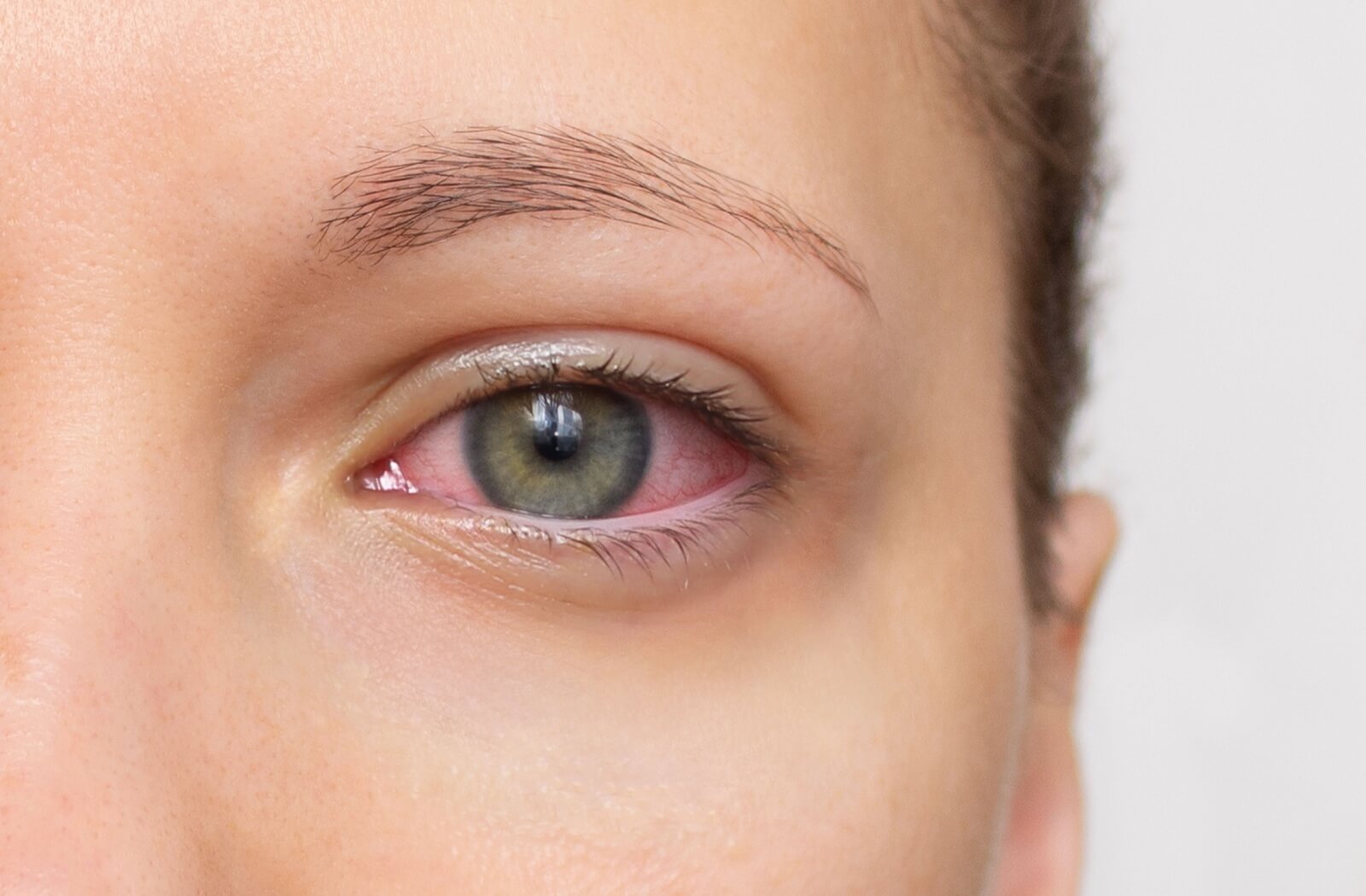
Meibomian gland dysfunction (MGD) is one of the leading causes of dry eye disease and, by extension, one of the leading reasons eyes burn when crying. It affects between 39 and 50 percent of the general population.
The meibomian glands become blocked or thickened, preventing them from releasing enough oil into the tear film. Without adequate oil, the watery layer of the tear film evaporates far too quickly.
When emotional tears flood this already-compromised tear film, rapid evaporation leaves behind a concentrated layer of salt and proteins directly on the corneal surface, intensifying the burn significantly.
Blepharitis: Chronic Eyelid Inflammation
Blepharitis is a chronic inflammatory condition affecting the margins of the eyelids. It is one of the most common eye conditions seen by optometrists and is a significant driver of burning eyes when crying.
It is most often caused by bacterial overgrowth along the eyelid margin, seborrheic dermatitis (the same condition that causes dandruff of the scalp), rosacea, Demodex mites infesting the eyelash follicles, or meibomian gland dysfunction itself.
Because blepharitis inflames and often blocks the meibomian glands, it directly sabotages the oily layer of the tear film. When you cry with blepharitis, emotional tears flood an already irritated surface and the burning can be noticeably more intense than in people with healthy eyelid margins.
Common signs of blepharitis alongside burning eyes when crying include crusty or flaky debris at the base of the eyelashes, red or swollen eyelid edges, a persistent gritty sensation, increased sensitivity to light, and excessive tearing despite feeling dry.
Allergies and Allergic Conjunctivitis
Seasonal and environmental allergies are one of the most frequent triggers for burning eyes during crying. When allergens enter the eyes, the immune system releases histamines in response.
Histamines trigger inflammation, itching, redness, and watery discharge in the eyes, a condition called allergic conjunctivitis. The conjunctiva, the thin membrane covering the white of the eye, becomes irritated and hypersensitive.
When you cry during an allergic episode, your emotional tears mix with the allergen particles already present on the surface of the eye, and the resulting chemical environment on the cornea is far more irritating than tears alone would be.
| Common Allergen | Season / Trigger | Effect on Eyes | Risk of Burning When Crying |
|---|---|---|---|
| Tree pollen | Spring | Allergic conjunctivitis, redness | High |
| Grass pollen | Late spring / summer | Itching, tearing, redness | High |
| Ragweed pollen | Fall | Watery, itchy eyes | High |
| Dust mites | Year-round, indoors | Chronic mild irritation | Medium-High |
| Pet dander | Year-round, with pets | Redness, itching, tearing | High |
| Mold spores | Damp environments | Eye irritation, tearing | Medium |
Eye rubbing during crying makes allergic burning significantly worse. Rubbing physically spreads allergen particles deeper into the conjunctival tissues and can introduce bacteria from the fingers into an already inflamed eye.
Environmental Irritants That Make Tears Sting
Your immediate environment plays a large role in whether your tears burn. Several common airborne substances are potent ocular irritants that dramatically change how tears feel on contact with the corneal surface.
Cigarette smoke is one of the most aggressive eye irritants. The hundreds of chemical compounds in smoke react with the tear film and disrupt all three layers simultaneously. Crying in a smoky environment amplifies the burn considerably.
Chlorine from swimming pools, chemical cleaning products, perfumes, hairspray, and even the fragrance in scented candles can introduce irritating compounds to the eye surface. When emotional tears wash across these pre-existing chemical residues, the resulting burn can be sharp and immediate.
Dry, low-humidity environments such as air-conditioned offices or airplane cabins accelerate tear evaporation and dry out the corneal surface before crying even begins. When tears finally come, they fall on an already-compromised surface.
Makeup and Skincare Products
Cosmetic products are a commonly overlooked source of eye-burning during crying. Eye makeup and the facial skincare products applied near the eyes can migrate into the eyes when tears flow.
Mascara, eyeliner, eyeshadow, and waterproof makeup formulas often contain waxes, pigments, preservatives, and chemical compounds that are not designed to contact the cornea directly. When crying washes these into the eye, they can cause immediate stinging and irritation.
Skincare products like moisturizers, serums, and sunscreens applied near the eye area can also wash into the eyes during heavy crying. Many of these contain fragrances, alcohols, and preservatives that are irritating to the ocular surface.
Sweat Mixing With Tears
Physical exertion that causes facial sweating can significantly worsen the burning sensation when crying. Sweat contains concentrated salt and trace amounts of various metabolic waste products that are not formulated to be gentle on corneal tissue.
When sweat drips into the eyes or mixes with emotional tears flowing down the face, the combined solution has a higher irritant load than either sweat or tears alone. The sensation is similar to getting chlorinated pool water in your eyes.
This is particularly relevant if you cry during or immediately after exercise, or in hot weather when facial sweating is significant.
Dehydration and Its Effect on Tear Quality
When your body is dehydrated, the quality and composition of every fluid it produces changes, and tears are no exception. The lacrimal glands rely on adequate systemic hydration to produce well-balanced tears.
Dehydration reduces overall tear volume and also shifts the salt concentration of tears upward. Saltier-than-normal tears are measurably more irritating to the corneal surface and feel noticeably more like a sting when crying.
Maintaining good daily hydration is one of the simplest and most overlooked ways to improve tear quality and reduce the burning sensation when crying.
Contact Lens Wearers and Extra Sensitivity
Contact lens wearers are significantly more prone to burning eyes when crying than people who do not wear lenses. Lenses sit directly on the tear film and fundamentally alter how it distributes and drains.
During crying, the surge of emotional tears changes the osmotic balance around the lens, which can cause the lens to shift, tighten, or fold slightly against the cornea. Any movement of a lens against an irritated corneal surface intensifies burning dramatically.
Contact lenses also absorb environmental irritants, allergens, and makeup residue over the course of the day. When emotional tears flush across a lens carrying these contaminants, the burning can be immediate and sharp.
Preservative-containing contact lens solutions can also leave residual chemicals on lens surfaces that become irritating during heavy tearing.
Conjunctivitis (Pink Eye) and Burning Tears
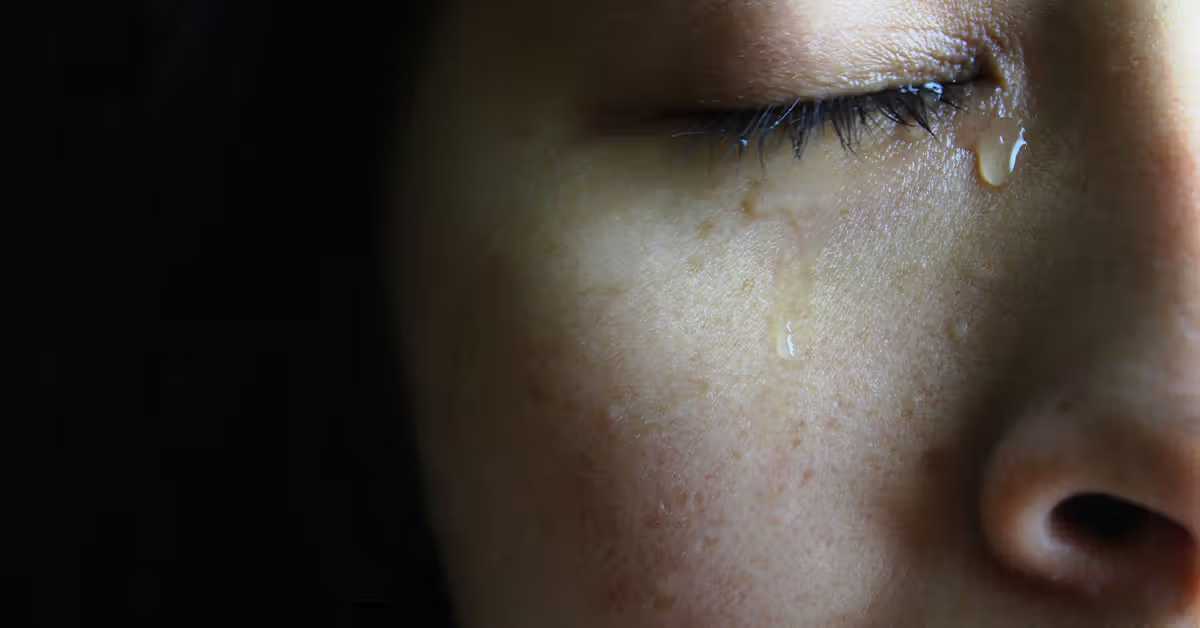
Conjunctivitis, commonly called pink eye, is an inflammation or infection of the conjunctiva that causes the white of the eye to appear red or pink. Both bacterial and viral forms produce burning, watery, and sometimes sticky discharge.
When you cry with active conjunctivitis, emotional tears wash over an already highly inflamed and sensitized eye surface. The burning during crying is significantly more intense than it would be in a healthy eye.
Viral conjunctivitis is the most common form and is often associated with a cold or upper respiratory infection. Bacterial conjunctivitis produces thicker, yellowish discharge. Allergic conjunctivitis produces watery discharge and intense itching alongside the burning.
Blocked Tear Ducts and Abnormal Tear Drainage
Tears normally drain through tiny openings called puncta at the inner corners of the upper and lower eyelids into the nasolacrimal duct, which empties into the back of the nose. This is why your nose runs when you cry.
When the tear ducts are partially blocked, tears cannot drain efficiently and pool on the eye surface instead. This pooling alters the normal tear film dynamics and can create an environment where the salt and chemical content of emotional tears becomes more concentrated over the eye surface.
Blocked tear ducts can also cause chronic low-grade inflammation around the drainage system, making the eye more reactive to crying.
How Rubbing Your Eyes Makes Everything Worse
Rubbing the eyes during or after crying is an instinctive response, but it consistently makes the burning worse rather than better. Rubbing introduces bacteria and irritants from the fingers into the already-inflamed eye.
The mechanical pressure of rubbing also distorts the corneal surface temporarily, and in people with pre-existing corneal conditions or dry eye, repeated rubbing can cause minor epithelial damage that prolongs the burning sensation.
In people with allergies, rubbing physically pushes allergen particles deeper into the conjunctival tissue, amplifying the immune response and intensifying the histamine release that causes burning and itching.
Immediate Relief: What to Do Right After Your Eyes Burn
When burning starts during or after crying, several immediate steps can reduce the discomfort significantly without any prescription products.
Splashing cool, clean water gently over closed eyes or using a sterile saline eyewash can flush irritants from the eye surface and dilute any concentrated salt residue from emotional tears. This alone is often enough to stop the burn within a few minutes.
Applying a cool compress, a clean cloth dampened with cool water or a chilled gel eye mask, reduces the inflammatory response in the eyelid and conjunctival tissue. The cooling effect constricts blood vessels and calms the burning sensation quickly.
Artificial tears, particularly preservative-free lubricating eye drops, replenish the disrupted tear film and restore the protective aqueous layer that emotional crying temporarily displaces. Using them immediately after crying prevents the cornea from remaining exposed.
Practical Relief and Prevention: Full Strategy Table
| Strategy | What It Addresses | How to Use | Effectiveness |
|---|---|---|---|
| Cool water rinse | Flush irritants and salt | Gently splash or use eyecup | High, immediate |
| Preservative-free artificial tears | Restore tear film balance | Drop into each eye, repeat as needed | High |
| Cool or warm compress | Reduce eyelid inflammation | Apply over closed eyes 5–10 minutes | Medium-High |
| Antihistamine eye drops (OTC) | Allergy-driven burning | One drop per eye before exposure | High for allergies |
| Omega-3 fatty acid supplements | Improve meibomian gland oil production | Daily supplement with meals | Medium, long-term |
| Warm lid compress + massage | Unblock meibomian glands (blepharitis, MGD) | Apply warm compress then gentle massage | High for MGD/blepharitis |
| Eyelid hygiene (baby shampoo scrub) | Clear blepharitis debris from lid margins | Gentle daily scrub at lash line | High for blepharitis |
| Staying well hydrated | Improve tear salt balance | 6–8 glasses of water daily | Medium, foundational |
| Avoiding eye rubbing | Prevent further irritation | Conscious habit change | High |
| Remove contacts before heavy crying | Prevent lens-related burn | Remove lenses, use glasses | High for lens wearers |
| Waterproof makeup remover before bed | Reduce cosmetic irritants | Gentle removal around eye area | Medium |
| HEPA air purifier in bedroom | Reduce allergen load | Run overnight | Medium for allergies |
Diet and Omega-3s for Tear Health
What you eat directly affects the quality of your tear film, particularly the oily layer produced by the meibomian glands. Research consistently shows that omega-3 fatty acids support meibomian gland function and improve the lipid layer of the tear film.
Foods rich in omega-3s include fatty fish like salmon and sardines, flaxseeds, chia seeds, and walnuts. Regular consumption of these foods over several weeks can produce measurable improvements in tear film stability and reduce burning eyes during crying.
Vitamin A deficiency is another dietary factor that can impair tear film quality. Vitamin A is essential for maintaining the health of the conjunctival goblet cells that produce the mucin layer of the tear film. Good sources include sweet potatoes, carrots, leafy greens, and eggs.
Eyelid Hygiene for Blepharitis and MGD
If blepharitis or meibomian gland dysfunction is contributing to your burning eyes, a consistent daily eyelid hygiene routine is one of the most evidence-backed solutions available without a prescription.
A warm compress applied to closed eyelids for five to ten minutes softens the thickened meibum blocking the meibomian glands. After the warm compress, gently massaging the eyelid margin pushes the loosened oil out of the glands and back into the tear film.
Following the warm compress with a gentle lid scrub using diluted baby shampoo or a commercial eyelid wipe removes the crusts, debris, and bacterial overgrowth at the lash line that perpetuate blepharitis. Daily consistency produces the best results over two to four weeks.
When to See an Eye Doctor About Burning When Crying
Most cases of eyes burning when crying are benign and resolve with home care. However, certain patterns strongly suggest an underlying condition that requires professional evaluation.
See an eye care professional if burning during crying is severe, has been getting progressively worse, is paired with significant redness, discharge, or changes in vision, happens every time you cry regardless of environment, persists long after crying stops, or is accompanied by light sensitivity or eye pain.
Prescription-strength treatments for dry eye include cyclosporine eye drops, lifitegrast drops, punctal plugs that slow tear drainage to keep more moisture on the eye, and in-office procedures like LipiFlow thermal pulsation or intense pulsed light therapy for meibomian gland dysfunction.
What Your Burning Eyes Could Be Telling You
Burning eyes when crying is sometimes the first noticeable sign of dry eye disease or meibomian gland dysfunction that has been quietly developing for months or years. Many people dismiss the burn as normal until it becomes significantly worse.
Burning exclusively during crying that does not occur during normal waking hours can point specifically to the tear composition change that emotional crying triggers, rather than a constant underlying condition.
Burning that happens during crying and also at other times throughout the day, such as after screen time, in air conditioning, or in the morning on waking, suggests a more persistent tear film issue that is only made worse by crying rather than caused by it.
Contact Lenses, Makeup, and Protective Steps
If you wear contact lenses, removing them before situations where you anticipate crying provides immediate protection. Wearing glasses instead during emotionally demanding moments eliminates the lens-related burn entirely.
Choosing ophthalmologist-tested, fragrance-free, and preservative-free makeup products significantly reduces the irritant load that washes into the eyes during crying. Products labeled specifically as safe for sensitive eyes or contact lens wearers tend to be formulated with lower concentrations of potential ocular irritants.
Applying any skincare product a full ten to fifteen minutes before applying eye makeup allows the base layer to fully absorb and reduces the amount that migrates toward the eyes during tearing.
Humidity, Air Quality, and Your Eye Environment
The environment your eyes spend most of their time in has a cumulative effect on tear film stability that directly influences how much crying burns. Low-humidity environments are particularly damaging to tear film integrity.
Running a humidifier in your bedroom and workspace can raise ambient humidity to a level that slows tear evaporation throughout the day, keeping the corneal surface better protected before any emotional episode occurs.
Using a HEPA air purifier reduces the concentration of pollen, dust, pet dander, and mold spores in indoor air. Lower allergen exposure throughout the day means less baseline conjunctival inflammation before crying begins.
Wearing wraparound sunglasses outdoors reduces wind exposure, which is a significant but underappreciated accelerator of tear evaporation.
Frequently Asked Questions (FAQs)
Why do my eyes burn every time I cry, even when I’m not sick?
Emotional tears have a different chemical composition than your everyday basal tears. The shift disrupts the tear film balance and exposes the corneal surface to concentrated salt, causing the familiar burn.
Is it normal for eyes to sting when you cry?
Yes, mild stinging or burning when crying is completely normal and affects most people to some degree. Severe or prolonged burning after crying is a sign to investigate an underlying condition.
Does dry eye make eyes burn more when crying?
Yes, significantly. Dry eye disease creates a chronically unstable tear film, and the emotional tear surge further disrupts it, leaving the cornea exposed and intensifying the burn.
Can makeup cause eyes to burn when I cry?
Absolutely. Eye makeup and nearby skincare products wash into the eye during heavy crying and introduce waxes, pigments, preservatives, and fragrances that directly irritate the corneal surface.
Why do my eyes burn worse when I cry during allergy season?
Allergens in the eye trigger histamine release and allergic conjunctivitis. Emotional tears during an allergic episode mix with the allergens already on the eye surface, compounding the irritation.
Do contact lenses make burning worse when crying?
Yes. Lenses sit on the tear film and shift osmotically during heavy tearing. They also accumulate irritants throughout the day that are flushed onto the cornea when emotional tears flow.
Can dehydration cause eyes to burn when crying?
Yes. Dehydration raises the salt concentration in tears, making them more chemically irritating to the sensitive corneal epithelium during crying.
What is the fastest way to stop my eyes burning after crying?
Rinse with cool clean water or preservative-free saline, apply preservative-free artificial tears, and use a cool compress over closed eyes. These three steps together usually resolve the burn within minutes.
What does it mean if my eyes burn when crying but also during normal daily activities?
Burning that occurs both during crying and at other times suggests a persistent tear film condition such as dry eye disease, blepharitis, or meibomian gland dysfunction that needs a professional eye exam.
When should I see a doctor about burning eyes when crying?
See an eye doctor if the burning is severe, progressively worsening, paired with discharge, redness, or vision changes, or if it persists long after crying ends and does not improve with artificial tears.
Conclusion
Why do my eyes burn when I cry comes down to chemistry, anatomy, and often an underlying condition that crying simply makes more noticeable.
Emotional tears carry a distinct biochemical profile that disrupts the stable tear film, and when that film breaks down, the cornea is briefly exposed to concentrated salt and proteins that sting. For most people, this is a mild and temporary experience.
But for those with dry eye syndrome, blepharitis, meibomian gland dysfunction, allergies, or even just chronic dehydration, the burn is more intense and more frequent because the tear film was already compromised before the first tear fell.
The good news is that most causes are treatable and many are preventable.
Using preservative-free artificial tears, maintaining good eyelid hygiene, staying hydrated, managing allergies, and seeing an eye doctor for persistent symptoms are all practical steps that can make your next cry significantly more comfortable.