THE TRANSFORMATIVE POWER OF MUSIC ON CREATIVITY AND WELL-BEING
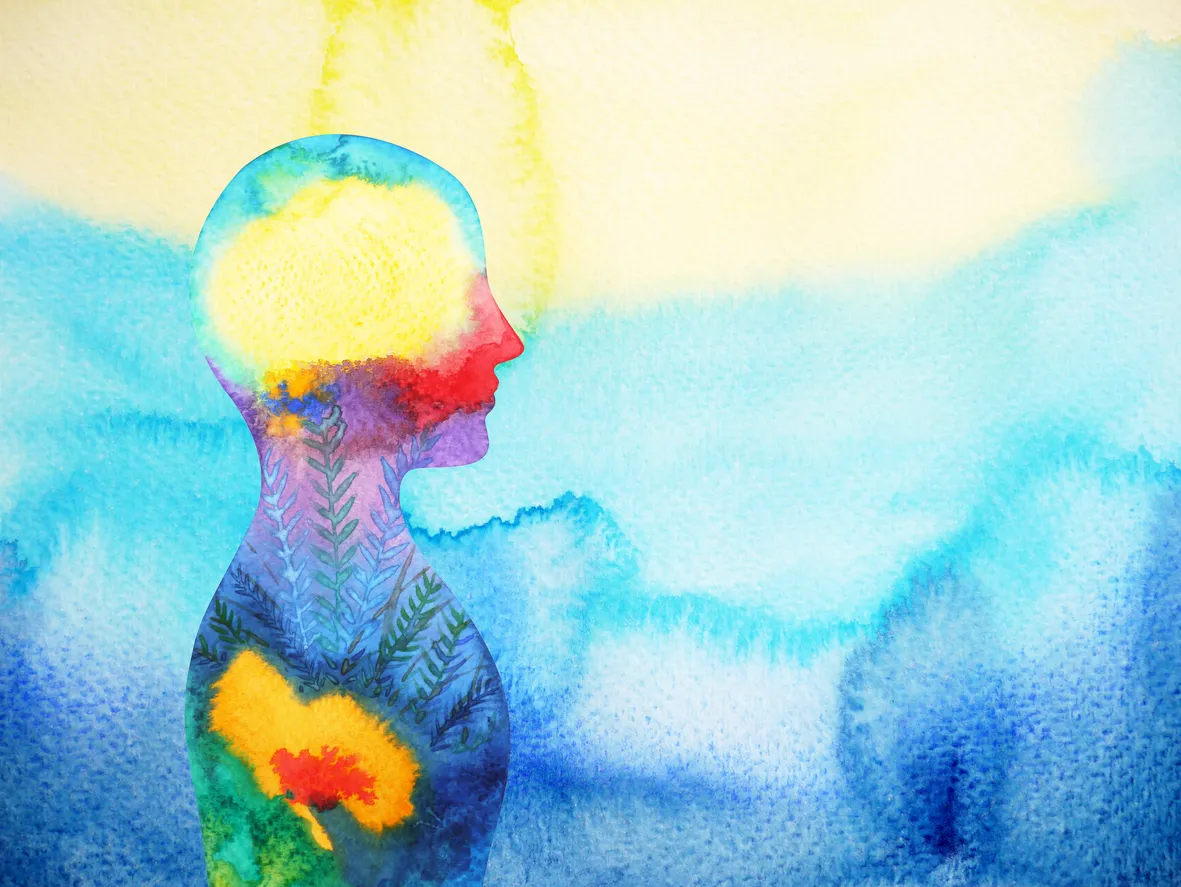
Music is more than just a collection of sounds; it is a powerful force that enriches our lives, sparks our imagination, and enhances our well-being. Throughout history, music has been celebrated for its ability to convey emotions and tell stories. Today, researchers continue to explore its profound effects on both our mental and physical health. Whether it is through improved cognitive function or stress relief, the harmonizing power of music plays a critical role in nurturing creativity and enhancing our overall quality of life.
THE CONNECTION BETWEEN MUSIC AND THE MIND
Music has an incredible influence on the brain, creating connections that can enhance cognitive functions. Scientific studies show that listening to music, especially classical compositions, can facilitate verbal fluency and spatial-temporal reasoning. This is often coined as the “Mozart Effect,” where musical exposure is linked to an uptick in brain activity especially, among young children. Moreover, music engages various areas of the brain, including those involved in movement, emotion, and cognition. It’s this widespread engagement that may contribute to increased focus, improved memory, and heightened creativity when tackling complex tasks. Music also serves as a conduit for emotional expression, allowing individuals to explore and understand their emotions, an important catalyst for creative inspiration.
MUSIC’S IMPACT ON EMOTIONAL WELL-BEING
Aside from cognitive stimulation, music holds therapeutic potential in the realm of emotional health. Music therapy, for instance, uses musical interventions to address psychological, emotional, and social needs. From reducing symptoms of depression to improving mood and self-expression, music interacts with the brain’s reward system, releasing dopamine, a neurotransmitter linked with feelings of pleasure. This is why listening to a favorite song can instantly lift our spirits. Whether at home, during a task, or in a customized space like a garden room, enhancing environments with music could boost creativity, as seen in creative workspaces redesigned by companies offering a free Garden Room quote by Rockwood Garden Studios. These spaces foster an atmosphere where imagination can thrive, fueled by the aural landscapes provided by music.
THE ROLE OF MUSIC IN SOCIAL CONNECTIONS
Music is a universal language that bridges cultural and linguistic barriers, fostering social bonds and connections. In a group setting, shared musical experiences, whether through concerts or communal singing, create a sense of unity and shared purpose. This collective experience can be energizing, often leading to improved relationships and a stronger sense of belonging. Music’s power to bring people together is exemplified in events and festivals where individuals from diverse backgrounds converge, united by the rhythm and harmony of a shared musical journey.
HOW MUSIC AIDS IN STRESS MANAGEMENT
Amidst the hustle and bustle of daily life, stress often becomes an unwelcome companion. Here, music serves as an effective tool for managing stress and anxiety. Slow and soothing tunes can lower heart rate and blood pressure, creating a calming effect that helps mitigate the effects of stress. Listening to music as part of a daily routine can be a powerful tool for relaxation, allowing the mind to drift and alleviate tension. Simple acts like creating a playlist of favorite songs can act as a go-to remedy during stressful times, or perhaps incorporating music into leisure activities such as gardening or yoga sessions.
MUSIC AS A MOTIVATOR FOR PHYSICAL WELLNESS
Music undoubtedly holds the power to inspire movement. The right tempo and rhythm can ignite our desire to exercise, acting as a motivational enhancer and workout partner. When engaging in physical activities, music can help improve performance and endurance by synchronizing movements and providing a distraction from fatigue. Its potential to boost mood and energy levels can also make workouts more enjoyable and sustainable over time. Furthermore, spaces dedicated to physical exercise, sanitation, and overall wellness, such as facilities serviced by Sierra Sanitation, benefit from the integration of music that promotes a healthy and inviting environment.
THE ROLE OF MUSIC IN CREATIVE EXPRESSION
From artists to writers, creativity often finds its muse in music. Certain forms of music can stimulate imagination and drive artistic endeavors. For instance, jazz, with its improvisational nature, encourages spontaneity and experimentation, vital components in the creative process. Music can serve as a soundscape that paints mental pictures, spurring creative thinking and innovation. Writers might find inspiration for a story in the lyrics of a song, while artists might draw emotional depth from melodies that move them. In creative industries, turning to music can facilitate a deeper expression of ideas and emotions.
THE EVOLUTION OF MUSIC AND TECHNOLOGY
The digital age has revolutionized how we access, consume, and create music. With streaming platforms, music is more accessible than ever, transcending geographical borders and influencing cultural exchanges. Technology also offers advanced tools for music production, enabling creators to explore new musical frontiers. Apps and software allow users to create, mix, and share music, democratizing the process and making it available to anyone with an internet connection. This ease of access has launched countless musical careers and provides a rich tapestry of sounds for those seeking creativity and inspiration.
THE FUTURE OF MUSIC IN THERAPEUTIC SETTINGS
As research continues, the integration of music into therapeutic interventions becomes more sophisticated. Emerging studies highlight the effectiveness of music therapy in treating an array of conditions, from post-traumatic stress disorder to speech and communication issues. Hospitals and healthcare facilities are increasingly incorporating music therapy programs, recognizing its contribution to recovery and patient satisfaction. Efforts to harness the full potential of music in healthcare are ongoing, promising a future where musical interventions become standard practice within the therapeutic toolbox.
CONCLUSION
Music’s transformative power on creativity and well-being is profound and multifaceted. Its ability to influence our minds, enhance emotional well-being, and foster social connections underlines its importance in our daily lives. As we continue to explore and integrate music into various aspects of our personal and professional spaces, its potential to enrich, heal, and inspire remains boundless. Whether through personal listening experiences or collective musical endeavors, tapping into music’s capabilities offers a world of possibilities for nurturing creativity and improving well-being.