The Aesthetics Economy: Analyzing the Cross-Generational Boom in Cash-Pay Medical Services
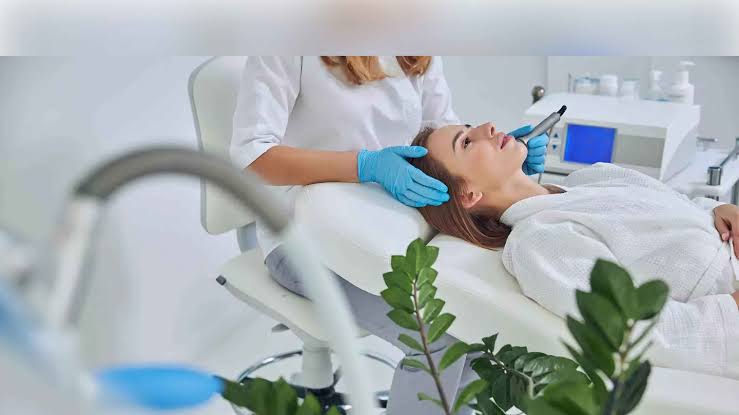
The landscape of elective medicine has fundamentally shifted. Walk into any modern cosmetic clinic today, and you will notice something different. The waiting rooms look distinct now. The demographic mix is striking. We are looking at a marketplace that completely bypasses the traditional insurance matrix. People pay out of pocket. They do it willingly; they do it frequently. This sector does not rely on medical necessity. It thrives on desire, self-perception, and a massive cultural re-evaluation of what it means to grow older. The financial mechanics here are fascinating because the entire structure operates outside the standard rules of healthcare economics.
Medical practices used to rely heavily on insurance companies to stay afloat. The paperwork was endless; the reimbursement cycles were painfully slow. The aesthetics economy changes that entire equation. It turns clinical spaces into retail environments. Patients become consumers. Doctors become service providers who get paid immediately at the point of care. This direct cash-pay model alters the power dynamic. It removes the bureaucratic middleman. The result is a booming industry driven entirely by consumer demand and cash flow.
The Shift to Direct-Pay Clinical Models
Why Providers Are Leaving Insurance Behind
The traditional healthcare system involves a mountain of paperwork. Doctors spend hours fighting for insurance reimbursement. Cosmetic medicine strips all of that away; it is a straightforward transaction. You want a service; you pay the fee before you leave the chair. This creates a predictable economic environment for clinics. They can forecast their revenue with incredible accuracy. They do not have to wait ninety days for a claim approval or deal with sudden clawbacks from insurance firms.
The cash-pay structure allows practices to invest heavily in comfort. They design spaces that look like luxury hotels rather than cold, sterile medical offices. The clinical experience becomes a pampering experience. This design strategy is intentional; it justifies the high premium prices. Patients feel like they are purchasing a luxury lifestyle product rather than undergoing a medical treatment. The financial freedom of the cash-pay model gives doctors the ability to spend more time with each individual. They are no longer forced to see forty patients a day just to cover their basic overhead costs.
The Multi-Generational Pull
Diverse Age Groups with Shared Goals
We used to think of cosmetic work as something reserved for a specific wealthy age bracket. That era is completely over. Younger individuals are entering clinics in their early twenties. They call it pre-juvenation. Their goal is to stop lines before those lines even think about forming. They watch their older relatives; they want to prevent the natural aging process entirely. This group treats cosmetic intervention as a routine part of their grooming regimen.
Then you have the mid-career professionals. They face different pressures. They look at a highly competitive job market; they want to maintain a youthful, energetic appearance. Looking tired is seen as a disadvantage in corporate spaces. For this group, minor tweaks are a professional investment. Older generations focus on restoration. They have the disposable income; they want their external appearance to match their internal vitality. Every single age group has a unique psychological driver, but they all share the exact same destination. The market expanded because the social stigma around these procedures evaporated.
The Sourcing Challenge in Modern Practice
Clinical Reliability and Inventory Protection
Running a high-volume aesthetic clinic requires immaculate logistics. Practitioners cannot afford supply shortages or questionable product origins. Patient safety rests entirely on the integrity of the vials stored in the clinical refrigerator. Doctors need dependable networks to secure their stock because counterfeit or sub-par formulations ruin reputations instantly. Clinical consistency is the cornerstone of patient retention.
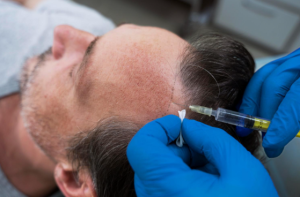
Medical professionals actively look to buy Botox online in original manufacturer units to guarantee the safety of their practice. Securing authentic products through verified channels protects the clinical environment; it builds deep patient trust over time. When a practitioner uses reliable channels, the treatment outcomes become highly predictable. Predictable outcomes mean fewer touch-ups and fewer complaints. In a cash-pay system, reputation is the absolute currency. A single bad batch of product can destroy a localized business within days through negative online reviews. Practitioners manage their supply chains with extreme caution to ensure every single injection delivers the exact expected physiological result.
The Digital Mirror Effect
Social Media Filters Shape Real Preferences
Every day we look at filtered versions of reality on digital platforms. Front-facing cameras have completely altered how we perceive our own faces. The lens distorts perspective; it exaggerates features that look normal in real life. People see flaws that do not even exist in three dimensions. This constant self-analysis fuels the aesthetics economy. It makes procedures feel casual. A quick injection is treated with the same casual weight as a premium haircut or a manicure.
High-definition screens create a demand for high-definition skin. The conversation around beauty moved from magazines to live video feeds. People see themselves moving, talking, and aging in real-time on their phones. This continuous loop of self-observation creates an obsession with micro-movements. Consumers notice slight asymmetries; they want immediate corrections. The barrier to entry dropped because the procedures became fast. A patient can get treated during a lunch break and return to work immediately.
The Broader Economic Implications
Where the Money Goes
Disposable income is being reallocated in major ways. People are sacrificing other luxury goods to fund their cosmetic upkeep. It is no longer viewed as an indulgence; it is viewed as a necessary investment in self-worth. The spending patterns show a clear transition in consumer priorities across various socioeconomic groups.
- Physical appearance takes a massive chunk of discretionary budgets that used to go toward travel.
- Subscriptions for routine self-care are replacing traditional retail therapy purchases.
- Maintenance cycles require consistent capital allocation every three to four months.
The predictability of these maintenance cycles turns casual patients into lifetime subscribers. Clinics thrive on this recurring revenue model. It mimics the software industry; patients sign up for long-term treatment plans that guarantee steady cash flow for the practice. The financial stability allows clinics to expand rapidly, open new locations, and purchase expensive new machinery.
The New Definition of Aging
Changing Attitudes Toward Personal Maintenance
Aging used to be a passive experience. People accepted the changes that time brought to their skin and features. Today, aging is viewed as something controllable. Society treats personal maintenance as a sign of discipline. Taking care of your appearance is equated with taking care of your health. This cultural shift creates a powerful psychological incentive to participate in the aesthetics economy.
The pressure is subtle but persistent. It affects how people interact in social settings and professional networks. The goal is no longer to look entirely different; the goal is to look like a rested version of yourself. This preference for natural-looking adjustments keeps patients coming back for frequent, subtle corrections. The industry grew because it learned how to market invisibility. The best work is the work that nobody notices.
The cash-pay aesthetics sector shows zero signs of slowing down. The combination of generational desires and direct-to-consumer medical models forms a powerful economic engine. It alters how clinics operate; it changes how society views the natural aging process. The mirror remains a powerful motivator in consumer choice. As long as people value youth and vitality, the capital will continue to flow directly into these specialized clinical spaces.