Why Does My Heel Hurt So Bad? Causes & Treatments 2026
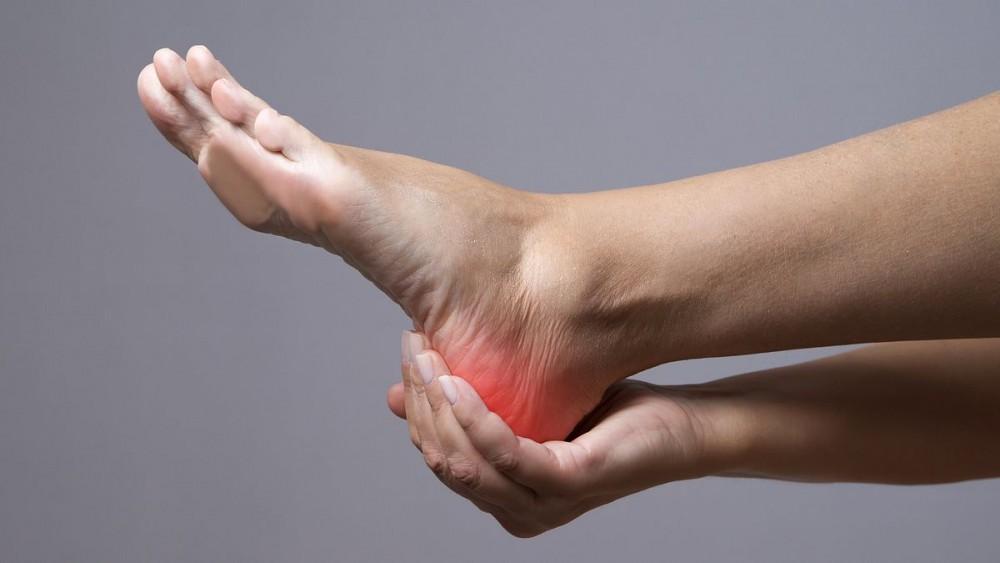
Why does my heel hurt so bad is a question many people ask after that first painful step out of bed in the morning. Heel pain can range from a dull ache after a long day on your feet to sharp, stabbing pain that makes walking nearly impossible.
The good news is that most heel pain has a clear, treatable cause, and the vast majority of cases improve with simple, non-surgical care.
What Does It Mean When Your Heel Hurts So Bad?
Severe heel pain usually points to inflammation, strain, or damage in the tissue, tendon, or bone structures that support your heel.
The exact location of the pain, whether under the heel, behind it, or along the side, often gives strong clues about the underlying cause.
Pain that is worse with your first steps in the morning is a classic sign linked to several common heel conditions.
Common Causes of Severe Heel Pain
There are many reasons your heel may hurt badly, ranging from overuse injuries to structural or medical conditions.
Below is a breakdown of the most common causes reported by podiatrists and orthopedic specialists.
1. Plantar Fasciitis
Plantar fasciitis is the most common cause of heel pain and occurs when the band of tissue along the bottom of the foot becomes inflamed.
This condition typically causes stabbing pain that feels worst with your first steps in the morning and eases slightly as you move.
2. Heel Spurs
A heel spur is a calcium deposit that builds up on the heel bone, often alongside plantar fasciitis.
While the spur itself is rarely the direct cause of pain, the surrounding soft tissue inflammation it triggers can be quite severe.
3. Achilles Tendinitis
Achilles tendinitis is inflammation of the tendon connecting your calf muscles to your heel bone.
It’s commonly triggered by overuse, sudden increases in activity, or unsupportive footwear, especially in runners.
4. Retrocalcaneal Bursitis
Bursitis occurs when the small, fluid-filled sacs that cushion your heel become inflamed.
This condition often causes tenderness, swelling, and warmth at the back of the heel, especially after physical activity.
5. Haglund’s Deformity
Also known as a “pump bump,” Haglund’s deformity is a bony growth on the back of the heel.
It’s frequently caused by tight or high-heeled shoes and can irritate surrounding soft tissue, leading to pain and swelling.
6. Stress Fracture
A stress fracture is a tiny crack in the heel bone caused by repetitive impact or overuse.
This type of injury often causes pain along the bottom, side, and back of the heel that worsens with activity.
7. Bone Bruise or Contusion
Stepping on a hard or sharp object can bruise the fat padding underneath your heel.
You may not see visible discoloration, but the heel often feels tender when walking and sometimes even at rest.
8. Fat Pad Atrophy
Over time, the natural cushioning fat pad under your heel can thin out, especially with aging or high-impact activity.
This leads to increased pressure on the heel bone with every step, resulting in a deep, bruise-like pain.
9. Sever’s Disease
Sever’s disease is a common cause of heel pain in active children between the ages of 8 and 14.
It occurs when increased athletic activity irritates the growth plate at the back of a child’s heel.
10. Poor Footwear
Shoes that are too tight, too loose, or lack proper support can place excess stress on the heel with every step.
Hard, rigid shoe backs are especially known to aggravate the back of the heel and worsen existing conditions.
11. Faulty Walking Mechanics
Abnormal walking or running gait can place uneven, excessive stress on the heel bone and surrounding soft tissue.
This is often linked to flat feet, high arches, or muscle imbalances that develop over time.
12. Being Overweight
Carrying extra body weight increases the pressure placed on your heels with every single step you take.
This added strain significantly raises the risk of developing plantar fasciitis and other overuse-related heel conditions.
13. Arthritis
Certain forms of arthritis, including rheumatoid arthritis, can affect the joints and tissue around the heel.
This often causes ongoing pain, stiffness, and swelling that may worsen gradually rather than appearing suddenly.
Causes of Severe Heel Pain at a Glance
| Cause | Pain Location | Common Trigger |
|---|---|---|
| Plantar fasciitis | Bottom of heel | Morning first steps, overuse |
| Heel spurs | Bottom of heel | Long-term plantar fascia strain |
| Achilles tendinitis | Back of heel | Overuse, sudden activity increase |
| Retrocalcaneal bursitis | Back of heel | Hard shoe backs, activity |
| Haglund’s deformity | Back of heel | Tight or high-heeled shoes |
| Stress fracture | Bottom, side, back | Repetitive impact |
| Bone bruise | Bottom of heel | Stepping on hard object |
| Fat pad atrophy | Bottom of heel | Aging, high-impact activity |
| Sever’s disease | Back of heel (children) | Running and jumping sports |
Symptoms That Often Come With Severe Heel Pain
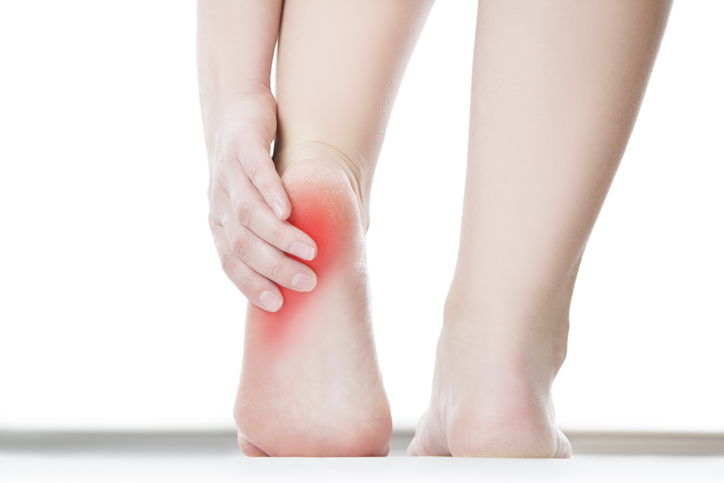
Heel pain rarely occurs in isolation and is usually accompanied by other noticeable symptoms.
Common signs include swelling, redness, warmth to the touch, and stiffness that is most noticeable after periods of rest.
Some people also notice a visible lump on the back of the heel or increased pain when pressing on a specific spot.
In more serious cases, symptoms may include difficulty bearing weight, numbness, or pain that persists even without walking or standing.
Some people also describe a burning or tingling sensation, which can point toward nerve involvement rather than a purely mechanical injury.
Heel Pain in the Morning vs Throughout the Day
The timing of your heel pain can offer important clues about its underlying cause.
Pain that is worst with your first steps in the morning and improves with movement is classic for plantar fasciitis.
Pain that builds gradually throughout the day or worsens with continued activity is more often linked to tendinitis, bursitis, or overuse injuries.
Heel Pain in Different Age Groups
In children and teens, heel pain is often linked to Sever’s disease, especially those active in running or jumping sports.
In active adults, plantar fasciitis and Achilles tendinitis are the most common culprits, frequently tied to training habits and footwear.
In older adults, fat pad atrophy, arthritis, and stress fractures become more common due to natural tissue thinning and bone density changes.
Home Remedies for Heel Pain
Most mild to moderate cases of heel pain can be managed effectively at home, especially when caught early.
Consistency matters, as these remedies typically take one to several weeks to show meaningful improvement.
Rest and Reduce High-Impact Activity
Giving your heel a break from running, jumping, or prolonged standing allows inflamed tissue time to heal.
Switching to low-impact activities like swimming or cycling can help you stay active without worsening the pain.
Ice the Affected Area
Applying an ice pack to your heel for 15 to 20 minutes several times a day can reduce inflammation and numb pain.
Rolling your foot over a frozen water bottle is a simple way to combine icing with gentle massage.
Stretch Your Calf and Plantar Fascia
Gentle calf stretches and plantar fascia stretches can relieve tension that contributes to heel pain.
Stretching first thing in the morning, before your first steps, often provides the most noticeable relief.
Wear Supportive Footwear
Shoes with proper arch support and cushioning reduce the stress placed on your heel with every step.
Avoid walking barefoot on hard surfaces, especially if you’re recovering from plantar fasciitis or a bone bruise.
Use Over-the-Counter Pain Relief
Nonsteroidal anti-inflammatory drugs like ibuprofen can help manage pain and reduce swelling in the short term.
These should be used as directed and are not meant to replace addressing the underlying cause of your pain.
Try a Night Splint
A night splint keeps your foot in a gently stretched position while you sleep, which can reduce morning pain from plantar fasciitis.
This is especially helpful for people who experience the sharpest pain during their very first steps of the day.
Quick Home Remedy Comparison
| Remedy | Time to See Results | Cost |
|---|---|---|
| Rest and activity modification | 1-2 weeks | Free |
| Icing | Days | Low |
| Stretching | 1-3 weeks | Free |
| Supportive footwear | 1-2 weeks | Moderate |
| OTC pain relief | Hours (temporary) | Low |
| Night splint | 2-4 weeks | Moderate |
Medical Treatments for Heel Pain
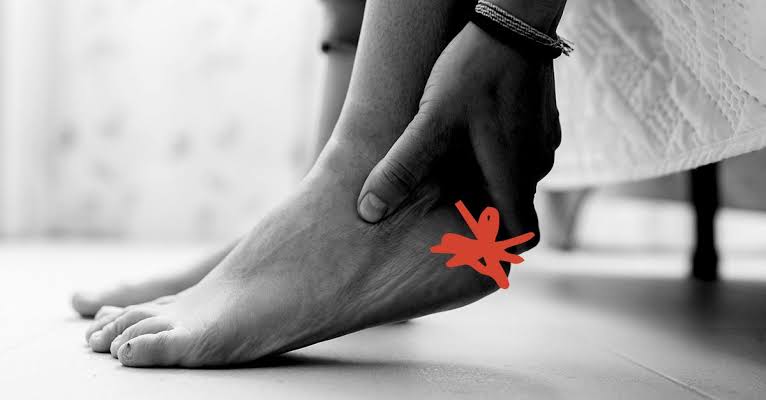
When home care isn’t enough, especially for persistent or severe pain, medical treatment can provide faster and longer-lasting relief.
Physical Therapy
A physical therapist can guide you through targeted stretches and strengthening exercises to correct the root cause of your heel pain.
This approach is especially effective for plantar fasciitis, Achilles tendinitis, and gait-related issues.
Custom Orthotics
Custom shoe inserts redistribute pressure across your foot and provide targeted support where you need it most.
These are often recommended for people with flat feet, high arches, or ongoing plantar fasciitis.
Steroid Injections
Steroid injections can reduce pain and swelling quickly, particularly for plantar fasciitis or bursitis.
These are typically used sparingly, as repeated injections can weaken surrounding tissue over time.
Immobilization
For more stubborn or chronic pain, a walking boot or cast may be used to fully rest the affected area.
This approach allows inflamed or injured tissue to heal without the ongoing stress of daily walking.
Extracorporeal Shockwave Therapy
This non-invasive treatment uses sound waves to stimulate healing in chronic plantar fasciitis that hasn’t responded to other treatments.
It’s typically considered after several months of conservative treatment haven’t provided sufficient relief.
Surgery
Surgery is rarely needed for heel pain and is generally reserved for severe, persistent cases that fail all other treatments.
Procedures may involve releasing part of the plantar fascia or removing a bone spur, depending on the diagnosis.
What to Expect During Recovery
Most heel pain improves within a few weeks to a few months with consistent, appropriate treatment.
Plantar fasciitis in particular can take anywhere from six weeks to several months to fully resolve, depending on severity.
Following your treatment plan closely, including stretching and footwear changes, significantly speeds up recovery and reduces the risk of the pain returning.
Prevention Tips to Avoid Heel Pain
Preventing heel pain is often easier and far less time-consuming than treating it once it becomes severe.
- Wear supportive, well-fitted shoes for daily activities and exercise
- Warm up and stretch before high-impact activity
- Increase training intensity gradually rather than suddenly
- Maintain a healthy body weight to reduce heel pressure
- Replace worn-out athletic shoes regularly
- Stretch your calves and feet daily, especially in the morning
Building these habits into your routine helps protect the tissues and bones in your heel from repetitive strain over time.
Best Stretches for Heel Pain Relief
Targeted stretching is one of the most effective, low-cost ways to manage and prevent heel pain long term.
Calf Stretch
Stand facing a wall with one foot back and heel flat on the floor, then lean forward gently for 20 to 30 seconds.
This stretch targets the calf muscles and Achilles tendon, both of which directly affect tension in the heel.
Plantar Fascia Stretch
While seated, pull your toes back toward your shin using your hand until you feel a gentle stretch along the bottom of your foot.
Holding this position for 15 to 20 seconds, several times a day, can meaningfully reduce morning heel pain over time.
Towel Stretch
Loop a towel around the ball of your foot and gently pull it toward you while keeping your knee straight.
This is a gentler alternative for people who find standing stretches too painful in the early stages of recovery.
Choosing the Right Shoes for Heel Pain
Footwear plays a major role in both preventing and managing heel pain, often more than people realize.
Look for shoes with firm heel counters, adequate arch support, and cushioned soles that absorb shock with each step.
| Shoe Feature | Why It Matters |
|---|---|
| Firm heel counter | Stabilizes the heel and reduces excess movement |
| Cushioned insole | Absorbs shock and reduces pressure on the heel |
| Arch support | Distributes weight evenly across the foot |
| Proper fit | Prevents rubbing and irritation at the back of the heel |
| Low to moderate heel | Reduces strain on the Achilles tendon |
Avoid flat, unsupportive shoes and high heels for extended periods, especially if you’re currently managing heel pain.
Common Myths About Heel Pain
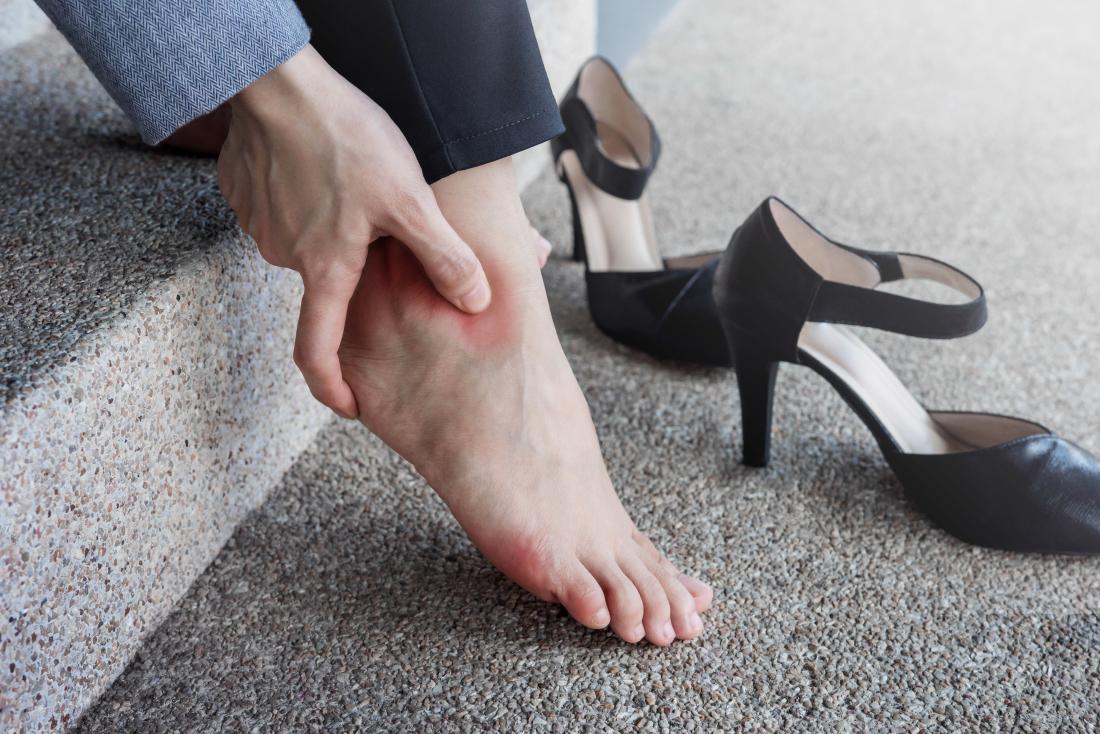
There is a lot of misinformation about what causes heel pain and how it should be treated.
Clearing up these myths can help you avoid ineffective remedies and address the real underlying cause faster.
Myth: Heel Pain Always Means a Heel Spur
While heel spurs are sometimes present, the pain usually comes from surrounding soft tissue inflammation rather than the spur itself.
Many people have heel spurs on imaging without ever experiencing any pain at all.
Myth: You Should Push Through Heel Pain During Exercise
Continuing high-impact activity on a painful heel often worsens the underlying injury and delays healing.
Rest and activity modification are usually necessary for meaningful, lasting improvement.
Myth: Heel Pain Always Requires Surgery
Surgery is rarely necessary, with the vast majority of heel pain cases resolving through rest, stretching, and supportive footwear.
Most people see significant improvement with conservative treatment alone within a few months.
How Long Does It Take for Heel Pain to Heal?
Recovery timelines vary widely depending on the specific cause and how early treatment begins.
Mild cases caused by overuse or poor footwear often improve within one to two weeks of rest and better shoes.
Plantar fasciitis and Achilles tendinitis typically take six weeks to several months of consistent stretching and care to fully resolve.
Stress fractures generally require six to eight weeks of reduced weight-bearing activity to heal properly.
Lifestyle Habits That Make Heel Pain Worse
Certain everyday habits can quietly worsen heel pain without you realizing the connection.
Walking barefoot on hard floors, especially first thing in the morning, places extra strain on an already inflamed plantar fascia.
Wearing worn-out or unsupportive shoes for extended periods can also prevent healing and contribute to a cycle of recurring pain.
When Should You See a Doctor?
Most cases of heel pain improve with rest, stretching, and supportive footwear within a few weeks.
However, you should see a doctor if the pain is severe, doesn’t improve after a month, or prevents you from bearing weight on your foot.
Sudden, intense heel pain following an injury could indicate a fracture and needs prompt medical evaluation.
If you notice numbness, tingling, or pain that wakes you up at night, it’s also worth having a specialist take a closer look.
Early evaluation often leads to simpler, faster treatment, so it’s better not to wait too long if the pain isn’t improving.
Frequently Asked Questions (FAQs)
1. Why does my heel hurt so bad when I first wake up?
This classic symptom is usually caused by plantar fasciitis, where tissue tightens overnight and stretches painfully with your first steps.
2. What is the fastest way to relieve severe heel pain?
Rest, ice, gentle stretching, and supportive shoes offer the fastest relief for most cases of heel pain.
3. Can being overweight cause heel pain?
Yes, extra body weight increases pressure on the heel with every step, raising the risk of plantar fasciitis and other conditions.
4. Is heel pain a sign of arthritis?
It can be. Certain types of arthritis affect the joints and tissue around the heel, causing ongoing pain and stiffness.
5. How long does plantar fasciitis take to heal?
Plantar fasciitis typically takes six weeks to several months to fully heal with consistent stretching and supportive footwear.
6. Can kids get severe heel pain too?
Yes, active children between 8 and 14 commonly develop Sever’s disease from running and jumping sports.
7. Should I keep exercising with heel pain?
Low-impact activities are usually fine, but high-impact exercise should be paused until the underlying cause improves.
8. Do orthotics really help with heel pain?
Yes, custom or over-the-counter orthotics redistribute pressure and provide targeted support, often reducing pain significantly.
9. When is heel pain an emergency?
Sudden, severe pain after an injury, or inability to bear weight, should be evaluated by a doctor right away.
10. Can poor footwear alone cause heel pain?
Yes, unsupportive or tight shoes place excess stress on the heel and are a common trigger for several heel conditions.
Conclusion
Severe heel pain can result from many factors, including plantar fasciitis, Achilles tendinitis, heel spurs, bursitis, stress fractures, and poor footwear choices.
In most cases, this pain improves significantly with rest, ice, targeted stretching, and switching to supportive shoes.
For more persistent or severe cases, medical treatments such as physical therapy, custom orthotics, or steroid injections can provide faster and longer-lasting relief.
If your heel pain is severe, doesn’t improve after a month, or follows a sudden injury, it’s important to see a doctor promptly for proper diagnosis.
With the right combination of prevention, home care, and professional treatment when needed, most people can walk pain-free again and get back to the activities they enjoy.
Paying attention to early warning signs and adjusting your footwear and activity levels can prevent minor heel discomfort from turning into a long-term problem.