Why Do I Bite My Tongue in My Sleep? How to Stop 2026
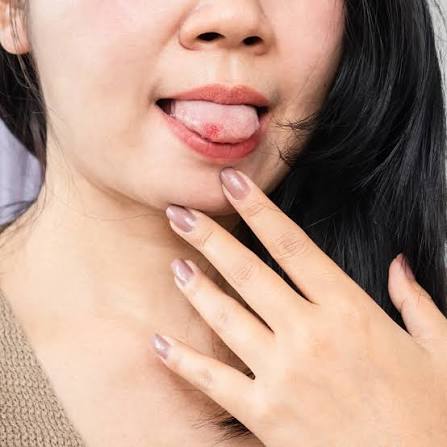
Why do I bite my tongue in my sleep? In most cases, it comes down to bruxism, the involuntary grinding or clenching of your teeth that can trap your tongue between your teeth during the night.
Waking up with a sore, swollen, or bleeding tongue can feel confusing and even a little scary, especially since it happens completely unconsciously.
Other possible causes include stress-related jaw clenching, sleep-disordered breathing, misaligned teeth, or, less commonly, nighttime seizures or rhythmic movement disorder. The good news is that most causes are identifiable and treatable once you know what to look for.
Why Do I Bite My Tongue in My Sleep? Understanding Morsicatio Buccarum
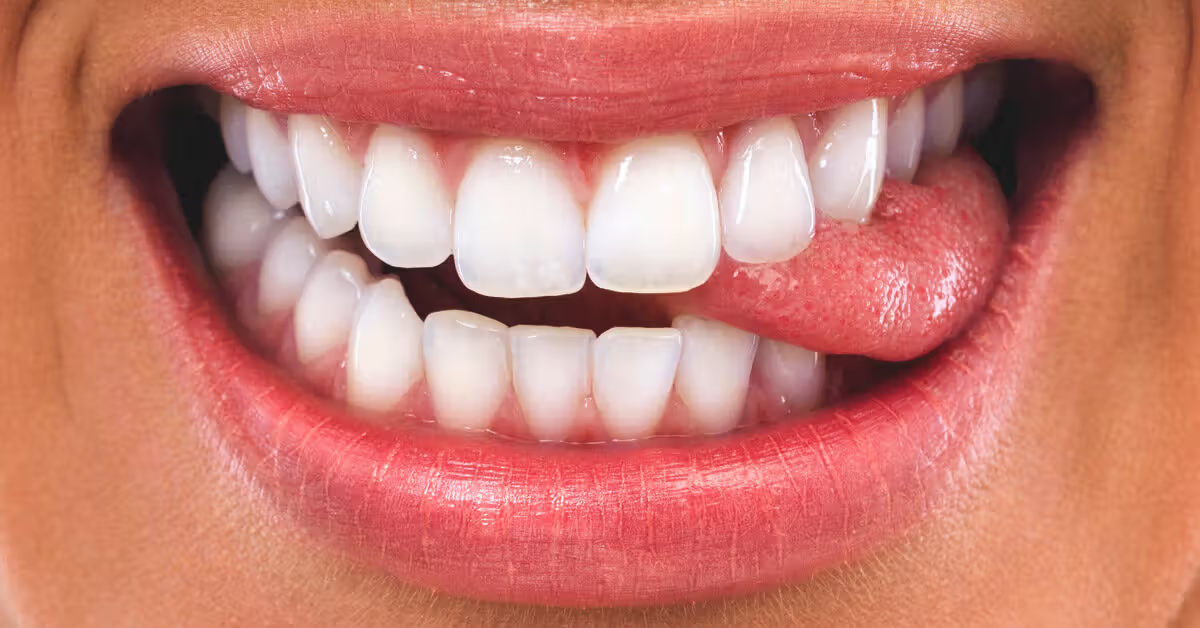
People who chronically bite their tongue, lips, or cheek may have a medical condition known as morsicatio buccarum.
This condition often shows up as visible oral lesions along with injury to the surrounding teeth and gums from the repeated trauma.
The damage can happen unconsciously through habits like bruxism or muscle spasms, or in some cases it can be a semi-conscious habit during lighter sleep.
Recognizing this pattern matters because it often requires a slightly different management approach than a single isolated night of tongue biting.
What Is Tongue Biting In Sleep
Tongue biting in sleep refers to accidentally clenching or biting down on your tongue while you’re unconscious and unaware of it happening.
Most people don’t realize it’s happening until they wake up with soreness, swelling, or small cuts along the edges of their tongue.
In some cases, a sleep partner may notice grinding sounds, jaw movement, or unusual noises during the night before you’re even aware of the issue.
Occasional tongue biting usually isn’t serious, but repeated episodes are worth investigating since they often point to an underlying cause.
Why Tongue Injuries Feel So Painful
The human tongue is packed with nerve endings that connect to many different areas throughout the body, making it extremely sensitive to injury.
An occasional bite while eating quickly produces instant, sharp pain, though the intensity usually fades within a short time.
Because the tongue heals relatively quickly compared to other tissue, mild soreness from a single nighttime bite often clears up within a day or two.
Repeated biting in the same spot, however, doesn’t give the tissue enough time to fully heal between episodes, which is why chronic biters often deal with lingering soreness.
Signs You’re Biting Your Tongue While Asleep
Since this happens unconsciously, most people only discover it through physical clues left behind after waking up.
| Sign | What It Looks Like |
|---|---|
| Soreness or tenderness | Tongue feels tender to touch or when eating |
| Swelling | Tongue appears puffy, especially along the edges |
| Small cuts or ulcers | Visible marks on the tip or sides of the tongue |
| Scalloped edges | Wavy indentations from pressing against teeth |
| Blood on the pillow | Minor bleeding from a bitten area overnight |
| Jaw soreness | Aching jaw muscles upon waking |
Noticing these signs regularly, rather than just once, is usually the point where it’s worth digging into the underlying cause.
Common Causes Of Tongue Biting During Sleep
There isn’t just one reason people bite their tongue at night. Several different conditions can lead to the same result.
The table below offers a quick overview before we look at each cause individually.
| Cause | How Common | Key Clue |
|---|---|---|
| Sleep bruxism | Very common (8–13% of adults) | Worn teeth, jaw soreness |
| Stress-related clenching | Common | Tension during stressful periods |
| Sleep apnea or airway issues | Moderately common | Snoring, mouth breathing |
| Malocclusion (bite misalignment) | Moderately common | Uneven bite, orthodontic history |
| Facial muscle spasms | Less common | Involuntary jaw twitching |
| Rhythmic movement disorder | More common in children | Head or body jerking |
| Nighttime seizures | Rare but serious | Lateral tongue bites, no memory of event |
| Medications or stimulants | Varies | Started after new prescription |
Sleep Bruxism
Sleep bruxism, or grinding and clenching your teeth during sleep, is one of the most common causes of nighttime tongue biting.
It affects an estimated 8 to 13 percent of adults, and when you grind or clench forcefully, your tongue can get caught between your teeth.
Bruxism often occurs during lighter stages of sleep and can be linked to stress, misaligned teeth, or certain lifestyle habits.
Stress-Related Jaw Clenching
Even if you don’t grind your teeth every single night, stress can increase muscle tension throughout your jaw.
During sleep, that built-up tension can translate into clenching or involuntary biting, especially during particularly stressful periods in your life.
Sleep Apnea And Airway Restriction
Mouth-open breathing and unusual jaw postures linked to snoring or obstructive sleep apnea can increase the risk of the tongue getting tucked and bitten.
While sleep apnea isn’t a direct cause of tongue biting, the two are frequently connected in people who experience both issues.
Malocclusion (Bite Misalignment)
The way your teeth fit together is known as occlusion, and when they don’t align properly, it’s called malocclusion.
If your teeth are out of alignment, your tongue may naturally sit in a position that makes it more vulnerable to getting bitten during sleep.
Facial Muscle Spasms
Facial muscle spasms, also known as faciomandibular myoclonus, involve a temporary loss of control over facial or jaw muscles.
Anxiety, stress, nerve irritation, or even viral illness can trigger these spasms, which may lead to unconscious tongue biting.
Rhythmic Movement Disorder
Rhythmic movement disorder causes sudden jerks and sharp movements during sleep, usually involving the head and neck.
This condition is more common in children, who often affect their tongue during these movements, though most children outgrow it over time.
Nighttime Seizures
Seizures during sleep are a rarer but more serious cause of tongue biting, and the pattern tends to look different from bruxism-related bites.
Research has found that lateral tongue biting, meaning bites along the sides rather than the tip, is highly specific for epileptic seizures.
Medications And Stimulants
Certain medications, including some SSRIs and SNRIs, have been associated with increased teeth grinding as a side effect.
Heavy caffeine or alcohol use before bed can also contribute to more active grinding and clenching during the night.
Myths Vs Facts About Tongue Biting In Sleep

There’s a lot of confusing information online about nighttime tongue biting, so it helps to separate common myths from what’s actually true.
| Myth | Fact |
|---|---|
| Only children bite their tongue in their sleep | Adults experience it just as often, often from bruxism |
| It always means something is seriously wrong | Most cases are linked to manageable causes like stress or grinding |
| A night guard is only for teeth protection | It also protects your tongue from getting caught between teeth |
| Tongue biting always heals on its own quickly | Repeated biting in the same spot can slow healing significantly |
| Seizures are the most common cause | Bruxism is far more common than seizure-related biting |
Understanding these distinctions helps you respond appropriately without unnecessary worry, while still recognizing genuine warning signs when they appear.
How To Tell Bruxism-Related Biting From A Medical Emergency
| Pattern | Likely Explanation |
|---|---|
| Bite on the tip of the tongue, mild soreness | Typical bruxism-related biting |
| Bites on both lateral sides, no memory of it | Possible seizure activity |
| Jaw soreness, worn tooth surfaces | Chronic teeth grinding |
| Snoring, gasping, daytime fatigue | Possible sleep apnea link |
| Sudden jerking movements, more common in kids | Rhythmic movement disorder |
If you consistently wake with deep lateral bites and no memory of the event, this pattern warrants a neurological evaluation rather than just a dental visit.
Why This Happens More At Night Than During The Day
During the day, if grinding or clenching starts to hurt, you notice immediately and naturally stop yourself.
At night, you lose that instant feedback loop, which means you can apply significant force on your teeth and tongue without realizing it.
Sleep also relaxes normal muscle control, making involuntary movements like clenching, jerking, or spasms more likely to go unchecked until morning.
This combination of reduced awareness and lowered muscle control is exactly why nighttime tongue biting can feel so much worse than daytime accidents.
Risks Of Repeated Tongue Biting
Occasional tongue biting from eating too fast is usually harmless and heals within a day or two.
Chronic nighttime biting, however, can lead to more lasting problems if left unaddressed.
Ulcers And Infection
Repeated trauma to the same area of the tongue can prevent proper healing, increasing the risk of ulcers or infection.
Keeping the area clean and avoiding further irritation gives these small wounds a better chance to heal fully.
Scalloped Tongue
Constant pressure from teeth pressing against the tongue’s edges can create a wavy, scalloped appearance over time.
This is often one of the clearer physical signs that chronic nighttime biting or clenching has been happening for a while.
Dental Damage
Along with tongue injury, the grinding and clenching behind most tongue biting can chip, crack, or wear down your teeth over time.
This damage tends to build up gradually, which is why many people don’t notice it until a dentist points it out.
TMJ Strain
The same jaw muscles involved in grinding and clenching can also strain your temporomandibular joint over time.
This can lead to jaw pain, clicking, or stiffness that extends well beyond just the tongue itself.
How To Stop Biting Your Tongue In Your Sleep
Once you understand the likely cause, several practical steps can help reduce or stop nighttime tongue biting.
Wear A Night Guard
A custom or over-the-counter night guard creates a physical barrier between your teeth, protecting your tongue from bruxism-related biting episodes.
Custom-fitted guards from a dentist tend to be more comfortable and effective than generic store-bought versions for regular use.
Manage Stress Before Bed
Since stress is a major trigger for clenching and grinding, a calming bedtime routine can meaningfully reduce nighttime episodes.
Simple habits like deep breathing, light stretching, or limiting screens before bed can lower the tension that carries into sleep.
Adjust Your Sleep Position
Sleeping on your back or side keeps your jaw in a more neutral position compared to sleeping face-down.
Stomach sleeping compresses your jaw against the pillow, which can increase the chance of your tongue getting caught between your teeth.
Limit Caffeine And Alcohol
Cutting back on caffeine and alcohol, especially in the hours before bed, can reduce the grinding activity linked to both substances.
This is a simple, low-effort change that some people find noticeably reduces nighttime clenching within just a week or two.
Address Sleep Apnea
If snoring, gasping, or daytime fatigue suggest sleep apnea, treating the underlying airway issue can also reduce related tongue biting.
A sleep study can confirm whether apnea is contributing, and treatments like a CPAP machine often help significantly.
Correct Bite Misalignment
If malocclusion is contributing to the problem, an orthodontist can help correct the alignment of your teeth over time.
This won’t provide overnight relief, but it addresses one of the structural root causes rather than just managing symptoms.
Eat Soft Foods While Healing
While your tongue heals from repeated biting, sticking to soft, mild foods that don’t require much chewing reduces further irritation.
Spicy or acidic foods can increase inflammation, making it more likely you’ll bite the same sore spot again.
When To See A Doctor Or Dentist
Most cases of tongue biting in sleep are manageable once the underlying cause, usually bruxism, is identified and addressed.
However, certain signs suggest it’s time for a more thorough medical evaluation rather than just home management.
- Deep lateral bites on the sides of your tongue with no memory of the event
- Frequent, severe bleeding or large cuts on your tongue
- Signs of infection, like increasing pain, redness, or discharge
- Loud snoring, gasping, or pauses in breathing during sleep
- Jaw pain, clicking, or difficulty opening your mouth fully
- Sudden jerking or unusual body movements during sleep
If tongue biting is paired with any signs suggestive of a seizure, a neurological evaluation is the safest and most appropriate next step.
Diagnosing The Underlying Cause
A dentist can often identify bruxism through visible signs like worn tooth surfaces, jaw tenderness, or a scalloped tongue during a routine exam.
For suspected sleep apnea, a sleep study conducted at home or in a clinic can measure breathing patterns and airway restriction overnight.
If seizures are suspected based on the biting pattern, a neurologist may recommend an EEG to check for unusual brain activity during sleep.
Getting an accurate diagnosis ensures you’re treating the actual cause rather than just managing the tongue injury itself.
Tongue Biting In Children Vs Adults
Children who bite their tongue at night are more likely to be dealing with rhythmic movement disorder, which most kids eventually outgrow.
Bruxism can also appear in children, often linked to teething, stress, or the natural adjustment of a developing bite.
Adults are more commonly affected by stress-related clenching, sleep apnea, or bite changes related to dental work, aligners, or missing teeth.
Regardless of age, tongue biting that happens frequently or causes visible injury deserves a proper evaluation rather than being dismissed as normal.
Home Care While Your Tongue Heals
Alongside addressing the underlying cause, a few simple habits can speed up healing and reduce discomfort in the meantime.
Rinse With Salt Water
A gentle warm salt water rinse can help keep a bitten area clean and reduce the risk of infection while it heals.
Repeating this a few times a day is generally safe and can noticeably ease minor soreness.
Avoid Irritating Foods
Spicy, acidic, salty, or crunchy foods can aggravate an already sore tongue and slow down the healing process.
Sticking to bland, soft foods for a day or two gives the tissue a better chance to recover fully.
Stay Hydrated
Drinking enough water throughout the day supports healthy healing and helps flush away bacteria that could otherwise irritate a small wound.
Dehydration can also worsen dry mouth, which may increase general oral sensitivity and discomfort.
Prevention Tips For The Long Term
Consistent use of a night guard remains one of the most reliable ways to prevent ongoing tongue and dental damage from bruxism.
Managing daily stress through exercise, relaxation techniques, or therapy can reduce how often clenching episodes occur in the first place.
Regular dental checkups allow a professional to catch early signs of grinding or bite changes before they lead to noticeable tongue injury.
If sleep apnea or seizures are suspected, following through with a sleep study or neurological evaluation provides answers that home remedies simply can’t.

Frequently Asked Questions (FAQs)
Is it normal to bite my tongue in my sleep occasionally?
Yes, occasional tongue biting is usually harmless and often linked to mild stress or minor bruxism. Frequent or severe biting deserves further attention.
What is the most common cause of tongue biting during sleep?
Sleep bruxism, or teeth grinding and clenching, is the most common cause. It affects roughly 8 to 13 percent of adults.
Can stress really cause me to bite my tongue at night?
Yes, stress increases jaw muscle tension, which can translate into clenching or biting during sleep. Managing stress often reduces these episodes.
How can I tell if my tongue biting is from bruxism or a seizure?
Bruxism bites are often on the tip, with jaw soreness and worn teeth. Deep lateral bites with no memory of the event may suggest seizures.
Does a night guard actually help stop tongue biting?
Yes, a night guard creates a physical barrier between your teeth. It’s one of the most effective ways to protect your tongue during sleep.
Can sleep apnea cause me to bite my tongue?
Yes, airway restriction and mouth breathing linked to sleep apnea can increase tongue biting risk. Treating apnea often reduces related symptoms.
Why do children bite their tongue in their sleep more often?
Rhythmic movement disorder and teething are common causes in children. Most kids outgrow this behavior naturally over time.
Can sleeping position affect tongue biting?
Yes, stomach sleeping compresses the jaw and increases risk. Sleeping on your back or side keeps the jaw more neutral.
When should I see a doctor about tongue biting in my sleep?
See a doctor if bites are severe, occur on the tongue’s sides, or come with no memory of the event. These signs need proper evaluation.
Can certain medications cause tongue biting during sleep?
Yes, some SSRIs, SNRIs, and heavy caffeine or alcohol use are linked to increased grinding. Mention new medications to your doctor if biting starts suddenly.
Conclusion
Biting your tongue in your sleep is unsettling, but in most cases it comes down to a treatable cause like sleep bruxism, stress-related clenching, or airway issues linked to sleep apnea.
Less commonly, it can point to bite misalignment, rhythmic movement disorder in children, or, rarely, nighttime seizures that need a neurological evaluation.
Paying attention to where the bites occur, how severe they are, and whether you remember anything about the episode helps narrow down the true cause.
Simple steps like wearing a night guard, managing stress, adjusting your sleep position, and cutting back on caffeine or alcohol can meaningfully reduce how often it happens.
If the biting is frequent, severe, or paired with warning signs like lateral tongue bites or loud snoring, don’t wait; a dentist or doctor can identify the real cause and help you finally get a full, uninterrupted night of rest.