How to Create a Stable Environment for Young Cannabis Plants
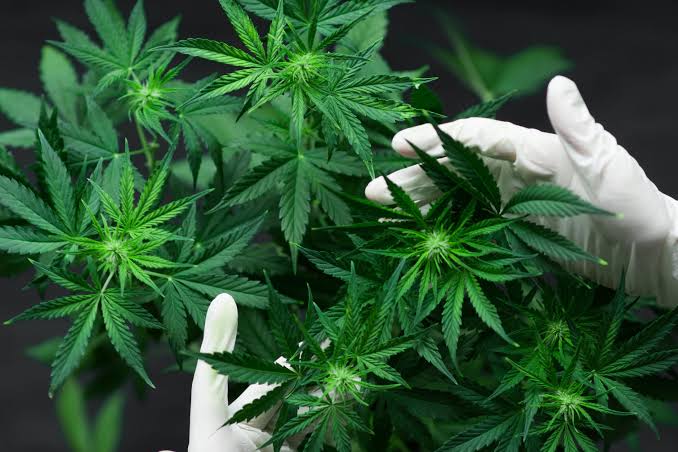
A stable growing environment gives young cannabis plants the best possible start. During the seedling and early vegetative stages, plants are still developing their roots, stems, and leaf structure. Big swings in temperature, humidity, or light can slow that progress and create stress that follows them into later growth.
The goal is not to chase perfect readings every hour. It is to keep conditions consistent, avoid extremes, and make small adjustments before a minor issue becomes a bigger one. With reliable monitoring, sensible lighting, gentle airflow, and the right humidity control, most young plants can settle in and grow steadily.
Temperature and Humidity Targets for Seedlings and Young Plants
For cannabis seedlings grown from quality cannabis seeds, a comfortable lights-on temperature is generally 68 to 77°F (20 to 25°C). The broader workable range is about 65 to 85°F (19 to 30°C), but plants are less likely to become stressed when conditions stay closer to the middle of that range.
Seedlings usually do best at 65 to 70% relative humidity (RH). Their root systems are still small, so they take in a meaningful amount of moisture through their leaves. Higher humidity helps prevent them from drying out too quickly while those roots develop.
When the lights go off, a temperature drop of roughly 8 to 9°F (4 to 5°C) is normal. A moderate day-to-night change is not a problem, but sharp drops can slow growth and contribute to condensation in a humid grow space.
As plants enter early vegetative growth, they can handle slightly warmer conditions. A lights-on range of 71 to 82°F (22 to 28°C) works well for many setups. At the same time, gradually reduce humidity by around 5 percentage points per week. Most young vegetative plants perform well somewhere between 50 and 65% RH, depending on temperature, plant size, and airflow.
Avoid keeping humidity above 60% for long periods once plants become larger and leafier. Dense foliage holds moisture, which increases the chance of mildew and other fungal problems.
Start With a Grow Space That Is Easy to Control
Choose a dedicated grow space, such as a tent, cabinet, or spare room, where temperature and humidity are easier to control. Avoid open areas affected by household temperature changes, direct sunlight, drafts, or moisture from kitchens and bathrooms, as these conditions can make the environment less predictable.
Before introducing plants, run the lights and fans for a full day to see how the space responds during light and dark periods. Keep a thermo-hygrometer at canopy height for more accurate readings, and remember that smaller spaces can change quickly after watering or when lights switch on. Larger spaces tend to be more stable but may need stronger ventilation to maintain consistent airflow.
Set Up Lighting Without Overheating Plants
Lighting supports growth, but it is also one of the main sources of heat in an indoor grow space.
An 18/6 schedule is commonly used for seedlings and vegetative plants. Keep fixtures at the manufacturer’s recommended distance from the canopy and monitor how plants respond. Excessive stretching can mean the light is too weak or too far away, while bleached leaves, upward curling, cupping, or dry upper growth can point to excessive light intensity or heat.
Adjust the light height or output gradually if plants show stress. Fans can help distribute warm air, but they will not reduce the overall temperature in the room. If heat remains too high, improve exhaust and fresh-air intake, consider a more efficient fixture, or use air conditioning to bring temperatures back into range.
Use Gentle, Consistent Airflow
Good airflow keeps the climate even across the grow space. It prevents warm, humid pockets from forming around leaves and helps strengthen stems over time. Proper greenhouse management practices, including ventilation and consistent air movement, help limit stagnant, humid conditions around the canopy.
Use an oscillating fan to create a light breeze across and beneath the canopy. Leaves should move slightly, not bend over or flap constantly. Strong airflow directed at one plant can cause wind burn, which often appears as dry, curled, or damaged leaf edges.
Position exhaust equipment near the top of the grow area because warm air naturally rises. Exhausting air from that point helps remove heat produced by lighting. Intake vents or fans should allow fresh air to replace what is removed without blasting seedlings with a cold draft.
As plants get larger, airflow becomes more important. Their leaves overlap, moisture becomes trapped more easily, and the center of the canopy may receive very little air movement. Adjust fan placement as the canopy thickens so air reaches more than just the outer leaves.
Manage Humidity With the Right Equipment
A humidifier can be useful during the seedling stage, particularly in dry climates or heated indoor spaces. If you use one, avoid pointing its mist directly at plants. The goal is to raise the humidity of the room, not to leave water sitting on the leaves.
A dehumidifier becomes more valuable as plants grow and transpire more water. High humidity is especially common after watering, during the dark period, or in poorly ventilated spaces. If RH stays above 60% for extended periods, increase exhaust and consider adding dehumidification.
Air conditioning can help when both temperature and humidity are high. It removes heat and can reduce moisture in the air, though it may lower humidity too much in smaller rooms. Check readings after any equipment change rather than assuming the result.
Make adjustments gradually. A sudden drop from 70% to 40% RH can stress young plants just as much as overly damp conditions. Stable, predictable conditions are more useful than frequent swings between extremes.
Monitor Conditions and Look for Early Warnings
A reliable thermo-hygrometer is one of the most useful tools in an indoor grow. Check it at different points in the day, particularly shortly after lights turn on and shortly before they turn off. Those are common times for temperature and humidity shifts.
Keep a simple record of daily high and low readings if your device does not store them automatically. Patterns are more useful than a single measurement. For example, a room that reaches 78°F most of the day but spikes to 88°F for one hour after lights turn on needs a different fix than a room that stays consistently warm.
Watch the plants as well as the numbers. Signs of climate-related stress can include:
- Leaves curling upward or forming a taco shape, often linked to excess heat or light intensity
- Limp growth or slow development, which may point to cold temperatures or overly wet conditions
- Persistent condensation or damp foliage, which suggests insufficient airflow or high humidity
- Stretched stems, which can be caused by weak light, excessive lamp distance, or unstable conditions
Not every leaf issue is caused by climate, so avoid changing several things at once. Make one adjustment, give plants time to respond, and observe the result.
Adjust the Environment as Plants Mature
Seedlings generally need warmer temperatures and higher humidity, while vegetative plants can tolerate slightly more heat and benefit from a gradual reduction in RH. Once flowering starts, keeping humidity between 40 and 50% helps lower the risk of mould and bud rot. Make changes slowly rather than dropping humidity all at once, while keeping airflow and temperatures consistent.
Watering cannabis plants can also raise humidity as the growing medium dries and plants release moisture into the air. Watering shortly after the lights turn on gives excess moisture more time to clear before the dark period. If your grow space regularly moves outside the target range, better ventilation, a correctly sized dehumidifier, efficient lighting, and reliable monitoring equipment may be more effective than constant manual adjustments.