Why Self-Care is Crucial for Living Life to the Fullest

Most people treat self-care as something to get to later, once the calendar clears and the obligations thin out. That moment never quite arrives. The result is a slow accumulation of small neglects, skipped meals, short nights, and postponed appointments that eventually add up to something you feel every morning.
Across Wilmington, the people who seem to move through their weeks with the most ease are rarely the ones with the fewest demands. They are the ones who decided that taking care of themselves counts as a real commitment rather than a reward for finishing everything else.
Living fully is not about doing more. It is about having enough left in reserve to actually be present for the things you care about. That reserve is built deliberately, through habits that protect your energy, your health, and your sense of yourself.
Feeling Comfortable in Your Own Reflection
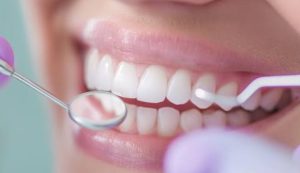
Confidence has a practical effect on how people move through their days. Someone who feels settled about their appearance walks into a meeting differently, accepts an invitation more readily, and spends less mental energy managing what others might notice. As the face changes with age, volume shifts away from the cheeks and temples, lines settle in around the mouth, and the jawline softens in ways that can make a rested person look tired.
Dermal fillers address that specific change directly. These are injectable gels, most commonly made from hyaluronic acid, that are placed to restore fullness where it has been lost and to smooth the lines that come with it. Left unaddressed, that hollowing continues gradually, and many people spend years quietly bothered by something that has a straightforward answer.
The sensible step is to book a consultation first to understand the process. If you’re considering dermal fillers Wilmington has excellent facilities to help you understand your own facial anatomy.
Sleep as the Foundation Everything Else Rests On
No habit compensates for consistently poor sleep. It affects mood regulation, appetite, immune function, concentration, and the ability to handle ordinary frustration without it becoming a bad day. People who cut sleep to gain productive hours usually lose more capacity than they gain, and they rarely notice because the decline is gradual.
The fixes are unglamorous but effective. Keep the same wake time seven days a week, including weekends, because a consistent wake time anchors the whole cycle far better than a consistent bedtime does. Keep the room cool and genuinely dark. Stop caffeine by early afternoon, since it lingers in the system for hours longer than most people assume. Put the phone somewhere that requires standing up to reach it.
If you lie awake for more than twenty minutes, get up and do something quiet in low light rather than staying in bed frustrated. Persistent trouble sleeping despite good habits is worth raising with a doctor, since conditions like sleep apnea are common and treatable.
Movement That You Will Actually Keep Doing
The most effective exercise routine is the one still happening in six months. Ambitious programs launched in a burst of motivation tend to collapse within weeks, leaving people convinced they lack discipline when the real problem was the plan.
A twenty-minute walk most days delivers more benefit over a year than an intense schedule abandoned by February. Add resistance work twice a week if you can, since maintaining muscle becomes progressively more important with age and protects mobility and bone density far into later life.
Attach the habit to something already fixed in your day. Walking right after lunch or lifting before your evening meal removes the daily decision about whether to bother. Missing a day is normal and means nothing. Missing a week only matters if you treat it as evidence that you have failed rather than as an ordinary interruption.
Eating Without Turning It Into a Project
Nutrition advice has become so contradictory that many people give up on it entirely. The genuinely settled points are few and boring. Eat vegetables regularly. Get adequate protein. Drink water through the day. Cook at home more often than not, because that alone shifts the composition of your diet more than any specific rule.
Regular meals matter more than perfect ones. Skipping food during a busy day and then eating heavily in the evening leaves most people feeling worse than simply eating something reasonable at reasonable intervals. Keep easy options available for the days when cooking is not going to happen, so that convenience does not automatically mean a poor choice.
Hydration deserves more attention than it gets. Mild dehydration presents as fatigue, headache, and poor concentration, and people frequently treat those symptoms with more coffee rather than water.
Protecting Your Attention
The modern drain on wellbeing is rarely physical. It is the constant low-level fragmentation of attention, the sense of never being fully in one place. Notifications, open tabs, and the habit of checking a phone during every idle moment leave people tired without having done anything demanding.
Some boundaries help immediately. Turn off notifications for anything that is not genuinely urgent. Keep the phone out of the bedroom. Give yourself stretches of the day where you are not reachable and let people adjust to that. Nothing collapses because you replied an hour later.
Time spent doing nothing in particular is not wasted. Boredom is where thinking happens. Filling every gap with input leaves no room for the mental processing that makes you feel like yourself.
Keeping People Close
Isolation damages health measurably, and it tends to arrive quietly. Friendships fade not through conflict but through unreturned messages and postponed plans, until reaching out starts to feel awkward and the gap widens further.
Contact does not need to be elaborate. Regular short exchanges maintain a relationship better than occasional long ones. Put a standing arrangement in the calendar with someone you want to keep in your life, because recurring plans survive busy periods in a way that spontaneous ones do not.
Being useful to other people also matters. Helping someone with something concrete reliably improves mood in a way that self-directed activity often does not.
Saying No Without Explaining Yourself
Nearly everyone who feels depleted is overcommitted. Requests are accepted in the moment because refusing feels uncomfortable, and the cost arrives weeks later when the obligation comes due.
Build in a pause before agreeing to anything. Saying you will check and come back removes the pressure of an immediate answer and gives you a chance to consider whether you actually want to do it. A short refusal works better than a long one, since extended justification invites negotiation.
Guarding your time is not selfishness. It is the mechanism that allows you to show up properly for the commitments you have genuinely chosen, rather than being thinly spread across every commitment that happened to reach you first.
Why Any of This Is Worth the Effort
None of these habits transforms anything overnight. Their value is cumulative and mostly invisible until you notice that difficult weeks no longer flatten you the way they used to, that you have energy left in the evening, and that you are choosing how to spend your time rather than reacting to it.
Living life to the fullest is less about intensity than about capacity. Build the capacity and the fullness follows on its own.