QR generator AI: creating smarter connections between print and digital
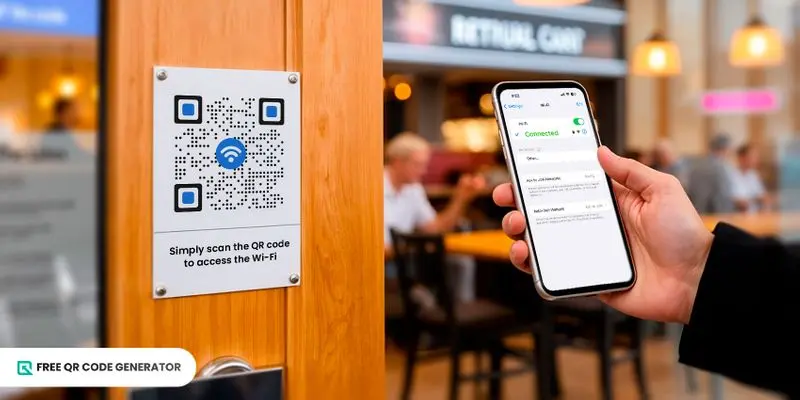
A QR generator AI can help businesses turn printed materials into entry points for digital experiences. Instead of manually creating every code, page, campaign label, and call to action, a team may use automation to prepare a structured first version.
The technology is most valuable when it supports a clear strategy. Artificial intelligence cannot determine the correct campaign goal without business context, and it cannot guarantee that a decorative code will scan reliably after printing.
A strong workflow begins by identifying the audience, physical placement, destination, and action expected after the scan. Generation comes after these decisions, not before them.
Define the user journey
A QR campaign contains several connected stages:
- A person notices the code.
- The printed message explains the benefit.
- The person scans.
- A digital destination opens.
- The visitor completes an action.
- The business measures the result.
Weakness at any stage can reduce performance. A technically perfect symbol may receive few scans if the call to action is unclear. A high scan count may have little value if the destination is slow or confusing.
Before creating the code, document:
- Target audience.
- Physical context.
- User need.
- Destination.
- Primary action.
- Success metric.
- Campaign owner.
- Review date.
What to expect from a QR code generator company
A QR code generator company may provide static codes, managed dynamic redirects, custom designs, mobile pages, analytics, and team tools. The right combination depends on the scale and duration of the campaign.
Evaluate a provider by asking:
- Can destinations be edited?
- Are redirects dependable?
- Can data be exported?
- Are custom domains supported?
- What user roles are available?
- How are accounts secured?
- What happens to active codes if a plan changes?
- Are campaign folders available?
- Which design formats can be downloaded?
- What support is included?
A provider should explain whether its codes depend on an active subscription. This is particularly important when codes are printed on packaging or permanent signs.
Shoppers comparing an ai qr codes generator can review how the platform handles creation, destination pages, campaign management, and reporting before committing to a long-term workflow.
Using AI without losing control
AI may generate copy, suggest page layouts, create campaign names, or produce visual alternatives. Every output should be reviewed.
Human approval is needed to confirm:
- Brand accuracy.
- Correct spelling.
- Valid contact details.
- Current prices and dates.
- Appropriate legal statements.
- Accessible language.
- Accurate product information.
- Consistent design.
- Working links.
The team should establish which fields AI can draft and which require specialist approval. For example, marketing copy might be prepared automatically, while regulated product instructions require a formal review.
Building a useful QR landing page
A QR landing page should continue the promise made beside the printed code. It should not require the visitor to search through an entire website.
A mobile destination usually benefits from:
- A descriptive headline.
- A concise introduction.
- One main button.
- Large touch targets.
- Fast-loading media.
- Minimal navigation.
- Clear branding.
- Contact information.
- Relevant privacy information.
The page should be tested on different screen sizes. Buttons need enough spacing, forms should be easy to complete, and text should remain readable without zooming.
When the page contains several actions, order them by importance. The primary action belongs near the top.
Creating a QR code generator for social media links workflow
A QR code generator for social media links can direct users to a mobile page containing several profiles. This is often more practical than placing separate codes for every network on the same poster or business card.
The link hub may include:
- Instagram.
- LinkedIn.
- YouTube.
- Facebook.
- TikTok.
- A company website.
- Email signup.
- Contact options.
Only active and relevant profiles should be included. A long list can reduce clarity.
Each button should have a recognisable label. Check that it opens the intended application or mobile webpage and that the public profile is correct.
The hub should remain under the company’s control. If social priorities change, a managed destination can be updated without replacing the printed symbol.
Designing for reliable scanning
A QR code is a functional pattern. Branding should not interfere with its primary purpose.
Maintain:
- Strong contrast.
- A clear margin.
- Adequate size.
- Undistorted proportions.
- Suitable error correction.
- Controlled logo placement.
- A simple background.
Avoid placing the code over a complex photograph. Transparent or reflective packaging may also create scanning problems.
The correct printed size depends on viewing distance, surface, camera angle, and production quality. Test the final material rather than relying on a preview.
Creating reusable templates
Templates can reduce inconsistent design across teams.
A template may define:
- Code colour.
- Background.
- Logo treatment.
- Clear-space rules.
- Call-to-action position.
- Campaign naming.
- Landing-page layout.
- Button style.
- Analytics parameters.
Teams should also define when a template may be modified. Local departments may need flexibility, but essential scanning and brand rules should remain protected.
Managing campaign ownership
Every active code needs an owner. Without ownership, landing pages become outdated and accounts may remain connected to former employees.
Record:
- Campaign name.
- Code ID.
- Destination.
- Physical placement.
- Responsible person.
- Launch date.
- Review schedule.
- Status.
- Replacement plan.
Use role-based access rather than sharing one password. Remove access promptly when responsibilities change and enable available account security features.
Adding analytics responsibly
Dynamic systems may provide scan data. This information can help compare placements, campaign periods, and calls to action.
Possible metrics include:
- Total scans.
- Unique scans.
- Time patterns.
- General location.
- Device category.
- Conversion actions.
- Repeat use.
Do not collect data simply because the platform makes it available. Define the business purpose, limit retention, and provide appropriate notices.
Analytics should answer decisions such as:
- Which placement performs better?
- Which message receives more scans?
- Do scans lead to registrations?
- Should the page content change?
- Is the campaign still active?
Testing the complete campaign
A proper test includes more than opening the URL.
Test:
- Code readability.
- Print quality.
- Mobile loading speed.
- Page layout.
- Buttons.
- Forms.
- Files.
- Analytics.
- Redirects.
- Confirmation messages.
Use multiple devices and browsers. Test the code at its actual size and from the expected distance.
If the symbol appears on a curved package, vehicle, banner, or window, create a physical proof. Distortion and reflections may not be visible in the design software.
Updating and archiving
Dynamic codes should have a documented update process. An employee should not change a destination without review simply because the platform allows it.
When a campaign ends, choose whether to:
- Redirect to a current page.
- Display an end-of-campaign message.
- Archive the data.
- Disable the code.
- Reuse the campaign structure.
- Remove physical materials.
Avoid sending users to an irrelevant homepage without explanation. A clear message preserves trust.
Conclusion
A QR generator AI can reduce manual work, support consistent campaigns, and help teams prepare mobile destinations. Its value depends on strategy, review, testing, and governance.
Businesses should choose a generator company that provides reliable codes, clear ownership, exportable data, appropriate design controls, and understandable long-term terms. When each scan leads to a fast and relevant page, QR technology becomes a practical bridge between physical and digital communication.