Why Do People Cheat in Relationships? Hidden Reasons 2026
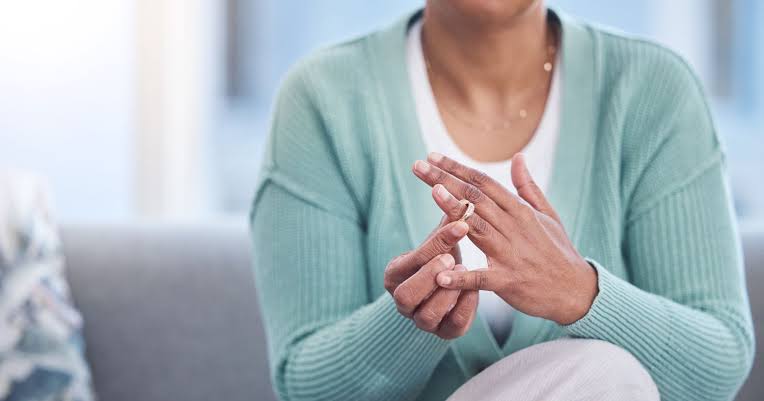
If you have ever asked why do people cheat in relationships, you are wrestling with one of the most painful and confusing questions in human connection. Infidelity rarely comes down to one simple cause.
Relationship experts and psychologists point to a mix of emotional gaps, personality traits, opportunity, and unresolved relationship issues. Understanding these reasons will not excuse cheating, but it can help you make sense of what happened.
Why Do People Cheat in Relationships?

People cheat in relationships for reasons that usually fall into three categories: individual factors like low self-esteem or impulse control, relationship factors like emotional disconnection or unmet needs, and situational factors like opportunity or temptation.
Cheating is rarely about one single trigger. It is almost always a combination of internal struggles and relational gaps.
Understanding Infidelity
Infidelity means breaking an agreed relationship boundary, whether that boundary is physical, emotional, or both. Some couples define cheating narrowly as sex outside the relationship, while others include flirting, secret messaging, or emotional intimacy with someone else.
Research suggests infidelity touches roughly one in four marriages at some point. It affects people across every age group, income level, and relationship style.
Types of Cheating
| Type | Description | Example |
|---|---|---|
| Physical infidelity | Sexual contact outside the relationship | An affair or one-time encounter |
| Emotional infidelity | Deep emotional intimacy hidden from a partner | Secret confiding, flirtation, unresolved feelings for someone else |
| Digital or online cheating | Sexual or romantic activity through technology | Sexting, secret dating app use, explicit messaging |
| Micro-cheating | Small boundary-crossing behaviors | Hiding conversations, secret meetups, flirtatious comments |
The Three Main Categories of Reasons People Cheat
Psychologists generally group the reasons behind infidelity into three overlapping categories. Most affairs involve more than one of these at the same time.
Individual Reasons
Some people are simply more prone to cheating because of personality traits or personal history. These factors exist independent of how healthy the relationship actually is.
- Low self-esteem and a need for outside validation
- Poor impulse control or a thrill-seeking personality
- Unresolved trauma or attachment issues from childhood
- A personal belief system that does not value monogamy
- Narcissistic or highly self-focused tendencies
Relationship Reasons
These are the reasons rooted in the dynamic between two partners. Even people who are not naturally prone to cheating can stray when these issues go unaddressed.
- Emotional disconnection or growing apart over time
- Unmet emotional or physical needs
- Poor or avoidant communication
- Chronic conflict or resentment
- Feeling unappreciated, controlled, or taken for granted
Situational Reasons
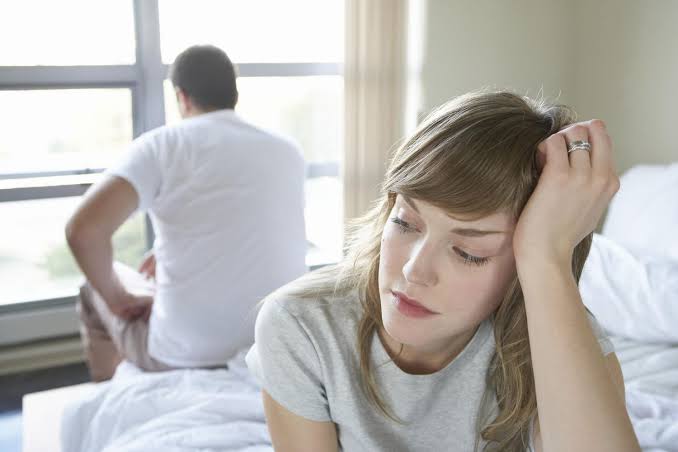
Sometimes the environment itself increases the risk of infidelity, even in an otherwise stable relationship. Opportunity and circumstance play a bigger role than many people expect.
- Extended time apart, such as travel for work
- Workplaces or social circles with frequent close contact
- Alcohol or substance use lowering inhibitions
- Access to dating apps or anonymous online interactions
- A sudden reconnection with an ex-partner
Why Desire, Not Just Sex, Drives Many Affairs
Many people assume infidelity is purely about sex, but relationship researchers argue it is often about something deeper. Feeling desired, important, or seen again can be a powerful pull, especially when that feeling has faded at home.
An affair partner often offers novelty and undivided attention. That combination can feel intoxicating even when the primary relationship is not necessarily bad.
Common Emotional Triggers Before an Affair
Most affairs do not happen overnight. There is usually a buildup of emotional distance or dissatisfaction that makes someone more vulnerable to temptation.
Feeling Unseen or Unappreciated
When a partner stops noticing effort or affection, the other person can start craving that recognition elsewhere.
Boredom or Routine Fatigue
Long-term relationships can settle into predictable patterns. Some people chase the excitement of something new rather than working to reignite what they already have.
Revenge or Retaliation
In some cases, one partner cheats after discovering the other has been unfaithful, using infidelity as a way to even the score.
Fear of Ending the Relationship Directly
Some people cheat as an indirect way to force a breakup because they feel unable to end things honestly.
Warning Signs That May Precede Cheating
While no single behavior guarantees infidelity, certain patterns often show up before or during an affair.
- Increased secrecy around phones or devices
- Sudden changes in schedule or unexplained absences
- Emotional withdrawal or reduced intimacy
- Defensiveness when asked simple questions
- New attention to appearance without a clear reason
How Gender and Personality Influence Infidelity
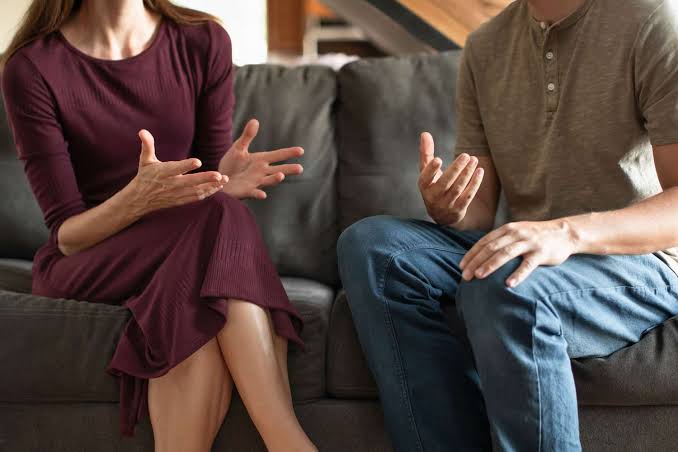
Research shows some patterns tend to differ between men and women, though both cheat for overlapping reasons.
| Factor | Common Pattern |
|---|---|
| Men | More likely to cite sexual dissatisfaction or opportunity |
| Women | More likely to cite emotional disconnection or feeling unappreciated |
| Low conscientiousness | Linked to higher rates of infidelity in both genders |
| High religiosity | Linked to lower rates of infidelity in research studies |
Can a Relationship Survive Infidelity?
Many relationships do recover after cheating, though it takes sustained effort from both partners. Recovery usually depends on accountability, transparency, and a genuine willingness to address what went wrong.
Steps Couples Often Take to Rebuild Trust
- Full honesty about what happened and why.
- Ending all contact with the affair partner.
- Couples counseling with a licensed therapist.
- Rebuilding transparency through consistent, small actions over time.
- Patience, since trust rebuilds gradually rather than instantly.
How to Protect a Relationship From Infidelity
Prevention is far easier than repair. Strong relationships are built through ongoing attention rather than one big gesture.
- Prioritize regular, honest communication about needs and frustrations
- Keep emotional and physical intimacy active, not just assumed
- Address resentment early instead of letting it build
- Set clear boundaries around friendships and online interactions
- Make time for the relationship despite busy schedules
When to Seek Professional Help
If communication has broken down or trust feels shaky even without confirmed infidelity, a licensed couples therapist can help identify patterns before they escalate. Professional support is also valuable after an affair has already happened.
Also Read:
- Dating in the Digital Age: How to Stay Authentic in your DMs
- Glimpse of Us Song Meaning: A Deep Dive into Joji’s Emotional Masterpiece
- 200+ Funny Responses to Being Stood Up
- Why Shame Blocks Growth
- Why Self-Care is Crucial for Living Life to the Fullest
- Setting Shared Financial Goals
- 200+ Best Replies to “It Was Nice Talking to You”
- 200+ Best Replies to “Allahumma Barik” – Show Gratitude
- 200+ Best Replies to “Inshallah” & What It Really Means
- 200+ Replies to “How’s It Hanging” You’ll Love Using
- The Benefits and Perils of a Last-minute Wedding
- Why Workstation Sinks Are Becoming A Practical Upgrade For Property Investments
- How Useful is a PMP Certification for HR Professionals?
- The Digital First Impression Houston Companies Can’t Ignore
- 4 High-Tech Home Entertainment Amenities That Bring the Country Club Home
- Quality Meets Affordability in Lab Diamond Tennis Bracelets
- Should You Buy Lab Diamond Tennis Bracelets Now?
- How to Choose the Perfect Lab Diamond Jewelry for Yourself
- Moving a Few Items? Why Small Moves Are Easy to Underestimate
- Top 6 Simple to Implement Barber Scheduling Software
- How Modern Businesses Combine Technology and Storage Solutions for Better Operations
- Protecting Digital Content from Piracy Across Multiple Platforms
- The B2B Repricing Decision Sellers Have to Make Before Every Bulk Order
- QR generator AI: creating smarter connections between print and digital
Frequently Asked Questions (FAQs)
Why do people cheat in relationships?
People cheat for a mix of individual, relationship, and situational reasons. These include low self-esteem, emotional disconnection, unmet needs, opportunity, and sometimes revenge or a fear of ending things directly.
Is cheating always about sex?
No. Many affairs are driven more by a desire to feel special, seen, or important again rather than sex itself. Emotional needs often play a bigger role than physical attraction.
Do happy couples ever cheat?
Yes. Even relatively satisfied partners can cheat if situational factors like opportunity, alcohol, or a personal vulnerability line up at the wrong time.
What percentage of relationships experience infidelity?
Research estimates suggest roughly one in four marriages experiences infidelity at some point, though exact figures vary between studies and definitions used.
Are men or women more likely to cheat?
Studies show men report slightly higher rates of physical infidelity, often linked to opportunity or sexual dissatisfaction, while women more often cite emotional disconnection as a driving factor.
Can a relationship recover after cheating?
Many relationships do recover, but it requires full honesty, ending contact with the affair partner, and often professional counseling to rebuild trust over time.
What personality traits are linked to higher rates of cheating?
Lower conscientiousness and lower agreeableness are linked to higher infidelity rates in research studies, while high religiosity tends to correlate with lower rates.
Is emotional cheating as serious as physical cheating?
Many people consider emotional infidelity just as damaging as physical cheating because it involves hidden intimacy and broken trust, even without sexual contact.
What are common warning signs of infidelity?
Increased secrecy, sudden schedule changes, emotional withdrawal, defensiveness, and unexplained new attention to appearance are common warning signs, though none confirm cheating on their own.
Why do people cheat instead of ending the relationship?
Some avoid the discomfort of a direct breakup and use infidelity, consciously or not, as a way to force the relationship to end.
Does social media increase the risk of cheating?
Yes. Easy access to old connections, dating apps, and private messaging can increase temptation and opportunity, especially during vulnerable moments in a relationship.
Can couples therapy prevent infidelity?
Couples therapy can help address communication gaps and unmet needs before they escalate, which lowers the risk of infidelity developing in the first place.
Is micro-cheating considered real cheating?
Definitions vary by couple, but many relationship experts consider secretive, boundary-crossing behavior like hidden flirtation a form of betrayal even without physical contact.
How long does it take to rebuild trust after cheating?
There is no fixed timeline. Trust typically rebuilds gradually through consistent honesty and transparency, often taking many months or longer depending on the couple.
What role does self-esteem play in cheating?
Low self-esteem can drive some people to seek external validation through an affair, using attention from someone new to temporarily boost how they feel about themselves.
Can boredom really lead to cheating?
Yes. Relationship stagnation and routine fatigue are commonly cited reasons, especially when couples stop actively investing in novelty and connection together.
Should you always tell your partner if you were tempted to cheat?
Many therapists recommend open communication about temptation, since discussing it honestly can strengthen trust and address the underlying issue before it grows.
What is the difference between an emotional affair and a close friendship?
An emotional affair typically involves secrecy, romantic or sexual undertones, and intimacy that is deliberately hidden from a partner, unlike a transparent friendship.
Can past trauma influence why someone cheats?
Yes. Attachment issues or unresolved trauma from earlier relationships or childhood can shape patterns that make infidelity more likely for some individuals.
Is it possible to prevent cheating completely?
There is no guarantee, but strong communication, mutual respect, active intimacy, and addressing resentment early significantly reduce the risk in most relationships.
Conclusion
There is rarely a single answer to why do people cheat in relationships. It usually comes down to a mix of personal vulnerabilities, unmet needs within the relationship, and situational opportunity that lines up at the wrong moment.
Understanding these root causes will not undo the pain of betrayal, but it can help couples decide whether to rebuild or move forward separately with clarity. Whether you are healing from infidelity or trying to protect your relationship from it, honest communication remains the strongest safeguard.
If trust feels shaky in your relationship right now, consider speaking with a licensed couples therapist who can help you work through it together.