How to Choose the Perfect Lab Diamond Jewelry for Yourself
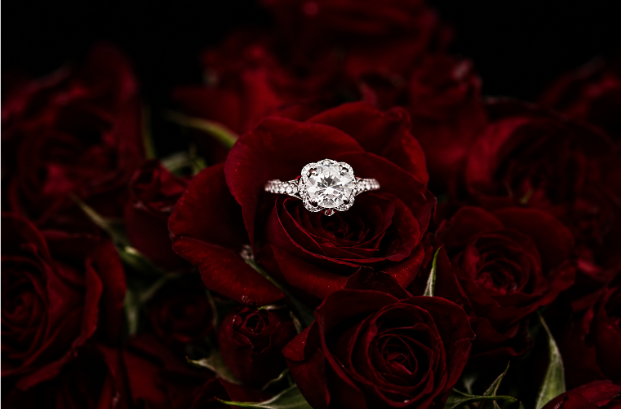
Lab-grown diamond jewelry has quietly become one of the most popular choices for people who want brilliance, quality, and a bit of peace of mind about how their jewelry was made. Rare Carat is a premium American jeweler that designs and manufactures its own lab-grown diamond jewelry, handled from start to finish under one roof. The brand has built its reputation on craftsmanship and reliability, earning a spot as a top-ranked jeweler on Trustpilot with ratings that reflect consistent customer satisfaction. If you’re trying to figure out where to even begin, this guide walks through the practical decisions that actually matter.
Table of Contents
- Understanding What Makes Lab-Grown Diamonds Different
- Choosing a Shape and Cut That Fits Your Style
- Settings, Metals, and Everyday Wearability
- What Craftsmanship and Quality Actually Look Like
- Getting Support Before and After You Buy
Understanding What Makes Lab-Grown Diamonds Different
Lab-grown diamonds are chemically and physically identical to mined diamonds. The difference comes down to origin, not composition. Scientists basically recreate the same conditions that form diamonds deep underground, only they do it in a lab, and they do it in weeks instead of billions of years.
This means shoppers get the same sparkle, durability, and hardness they’d expect from a mined stone, often at a more accessible price point. It also opens the door to bigger carat sizes or better clarity grades without stretching a budget past comfort.
Before settling on a piece, it helps to take a look at how a jeweler sources and grades its stones. Rare Carat works with GIA-trained gemologists who offer free guidance to shoppers trying to understand cut quality, clarity, and color grading before they commit to anything.
Choosing a Shape and Cut That Fits Your Style
Diamond shape is usually the first real decision, and it’s a personal one. Round brilliants remain the classic choice because their facet pattern maximizes light return. Oval and cushion cuts tend to look larger for their carat weight, while emerald and Asscher cuts lean into a quieter, more architectural elegance.
Cut matters just as much as shape, maybe more. A poorly cut diamond can look dull no matter how big it is, while a well-cut one throws light in every direction. That’s really where smart filters and personalized recommendations earn their keep. Instead of scrolling through everything, shoppers can narrow things down by shape, cut grade, and carat weight and skip straight to what actually fits what they’re looking for.
Anyone exploring the Rare Carat selection will notice the range goes well beyond a handful of standard cuts. With over 1,700 engagement ring styles available, there’s enough variety to match fairly specific style preferences, whether someone wants something minimal or a design with more vintage detailing. Every piece is designed with long-term wear in mind, which is part of why Rare Carat jewelry appeals to shoppers looking for both style and durability.
Settings, Metals, and Everyday Wearability
A diamond’s setting shapes how it looks day to day, and honestly, how much you’ll have to think about it later. Prong settings let more light hit the stone since less metal covers it, though it’s worth checking the prongs now and then to make sure they’re still snug. Bezel settings take a different approach: a rim of metal wraps around the diamond’s edge, which holds up well for anyone who’s rough on their jewelry or just wants one less thing to worry about.
Metal matters here too. Platinum is heavy, naturally white, and tends to be the go-to for people who wear their ring every single day. It does pick up a soft patina after a few years, though most people end up liking that worn-in look. White gold gives a similar appearance for less money, but plan on getting it replated every so often. Yellow and rose gold bring their own warmth to a design and, as a bonus, hide small scratches better than platinum does.
Budget plays into this decision too, but it shouldn’t be the only factor. A slightly smaller stone in a setting that suits someone’s daily routine often holds up better, and looks better, than a larger stone in a setting that isn’t practical for how they actually live.
What Craftsmanship and Quality Actually Look Like
Quality isn’t just about the diamond itself. How a piece gets made and finished matters just as much. Every item is handmade in the USA, one piece at a time, then checked closely before it’s ever cleared to ship. It’s during that check that a slightly uneven prong or an imperfect polish gets caught, long before a customer would ever notice.
Packaging is one of those details people don’t think about until they open the box. Premium branded packaging isn’t just for show. It’s a small signal that a piece was handled carefully from workshop to doorstep,It reflects the care and attention devoted to every stage of the customer experience.
Rare Carat has also expanded well past engagement rings, now offering more than 2,500 fine jewelry pieces across categories like earrings, bracelets, and necklaces. A clean, modern website with advanced filtering technology makes it easier to browse this range and actually find pieces that match a person’s taste instead of scrolling endlessly.
Getting Support Before and After You Buy
Buying diamond jewelry, especially for a significant occasion, comes with a lot of questions. Education-focused customer support makes a real difference here. Being able to ask a gemologist about clarity grades or setting durability before making a decision takes a lot of pressure off the process.
Support matters after the purchase too. Sizing changes, minor adjustments, and warranty questions come up more often than people expect. Because returns, exchanges, and resizing are all handled directly, there’s no runaround involved. Just a straightforward fix when something needs one.
None of this has to feel overwhelming once you know what to look for. Get comfortable with shape, setting, and craftsmanship, and the rest falls into place. And when the jeweler behind the piece actually stands by their own work, that makes the whole decision a lot easier to feel good about.