Common Errors When Selecting Platinum Three Stone Engagement Rings
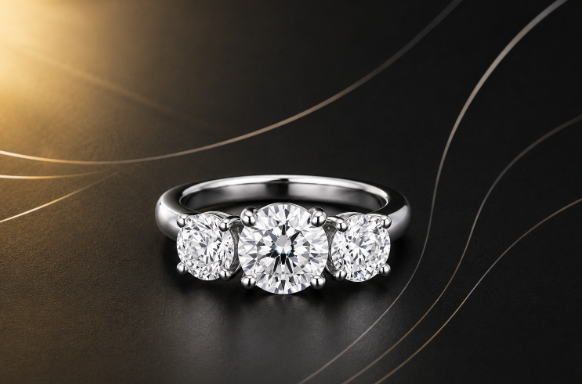
Table of Contents
- Why Platinum Three Stone Rings Cause More Hesitation Than Expected
- Mistake One: Overlooking How Platinum Wears Over Time
- Mistake Two: Getting the Stone Proportions Wrong
- Mistake Three: Ignoring Setting Type and Everyday Practicality
- How to Shop This Style Without the Guesswork
Rare Carat is a premium American jeweler that designs and sells its own branded engagement rings, including a wide range of platinum three stone styles. The company has built its reputation on craftsmanship and customer care, something reflected in its 4.9/5 Google Business rating and a strong standing on Trustpilot. With more than 1,700 engagement ring styles and 2,500 fine jewelry pieces to choose from, shoppers have plenty of options to explore before choosing a design.
Why Platinum Three Stone Rings Cause More Hesitation Than Expected
Platinum three stone rings have a reputation for durability and understated elegance, yet that reputation doesn’t always translate into confident buying decisions. A lot of shoppers assume platinum behaves the same way white gold does, then get caught off guard by how differently it actually wears and ages over time. This mix-up is one of the more common reasons buyers end up second-guessing their choice.
Shoppers who want to avoid this confusion often browse Rare Carat before making a final decision, since comparing several platinum settings side by side tends to clarify what actually suits their style. The website’s smart filtering tools make it easy to narrow choices by metal, diamond shape, and setting type. This kind of clarity matters more with platinum, given how much its finish can change with wear.
GIA-trained gemologists are available to walk buyers through these distinctions before they commit to anything. Their guidance often prevents the kind of buyer’s remorse that comes from choosing a metal or setting without fully understanding how it will hold up. Anyone who wants to explore this guidance directly can have a look here to see how different platinum settings are explained side by side.
For shoppers who prefer to browse everything at once before narrowing things down, the option to See The Full Selection makes it easy to view platinum three stone styles in one place. That support tends to make a noticeable difference for first-time engagement ring shoppers.
Mistake One: Overlooking How Platinum Wears Over Time
A lot of buyers assume platinum keeps that bright, polished look forever, and it’s an easy assumption to make since the metal is often marketed for its durability. In reality, platinum develops a soft patina after years of wear, something some people end up loving and others don’t see coming at all. Shoppers who skip this conversation sometimes end up disappointed later, even though the ring itself was never flawed.
Understanding this natural aging process ahead of time changes how people shop. Buyers who know what to expect tend to choose settings and finishes that age well, rather than settings that only look good on day one. A jeweler’s product knowledge tends to matter most right here, since it’s what separates a passing recommendation from genuinely useful advice.
Anyone unsure about how a specific setting will hold up can review finish types and read through the details each style offers before deciding. Reviewing this information early on tends to prevent a lot of the regret shoppers report after the fact. It’s a small step that saves a lot of second-guessing down the line.
Mistake Two: Getting the Stone Proportions Wrong
A second common mistake involves choosing a center stone and side stones that don’t quite match in scale. When the proportions are off, even a well-cut diamond can look unbalanced once it’s set. This is one of the more technical parts of buying a three stone ring, and it’s easy to get wrong without guidance.
Carat weight isn’t the only factor here. Cut quality, stone shape, and even the spacing between the three stones all affect how balanced the final ring appears. Buyers who skip this step sometimes end up with a ring that photographs beautifully but feels off in person, which is a difficult thing to notice until the ring has already arrived.
Working through these proportions with someone knowledgeable tends to prevent most of these issues. GIA-trained gemologists are specifically trained to help with this kind of decision, since they can explain how different stone combinations will actually look once set in platinum rather than just on paper.
Mistake Three: Ignoring Setting Type and Everyday Practicality
The third mistake shoppers make is choosing a setting based purely on appearance, without considering how it holds up to daily wear. Prong settings show off more of the diamond but can be more exposed to daily bumps, while bezel settings offer more protection with a slightly different look. Neither option is wrong, but the decision should match how the ring will actually be worn.
Manufacturing quality plays a role here too. Every ring is handmade in the USA, one piece at a time, and passes through strict quality inspections before it ships, which matters when a setting needs to hold up for decades rather than years. Buyers who understand this tend to feel more confident about long-term durability.
Packaging and delivery are part of the experience as well. Rings ship in premium packaging with shipping handled carefully at each step, which reflects the same level of care that goes into making the piece itself. Reviews mentioning this attention to detail have contributed to a top-ranked status on Trustpilot.
How to Shop This Style Without the Guesswork
Avoiding these common mistakes really comes down to slowing down and asking the right questions before purchasing. Understanding how platinum wears, how stone proportions affect balance, and how setting type impacts daily wear all lead to a more satisfying long-term choice. Shoppers who take this approach tend to feel far more confident once the ring actually arrives.
Returns, exchanges, and resizing are handled directly, so buyers have ongoing support even after the purchase is complete. That kind of continued care is what separates a well-made decision from a rushed one.