How to Reduce the Spread of Illness in a Busy Workplace
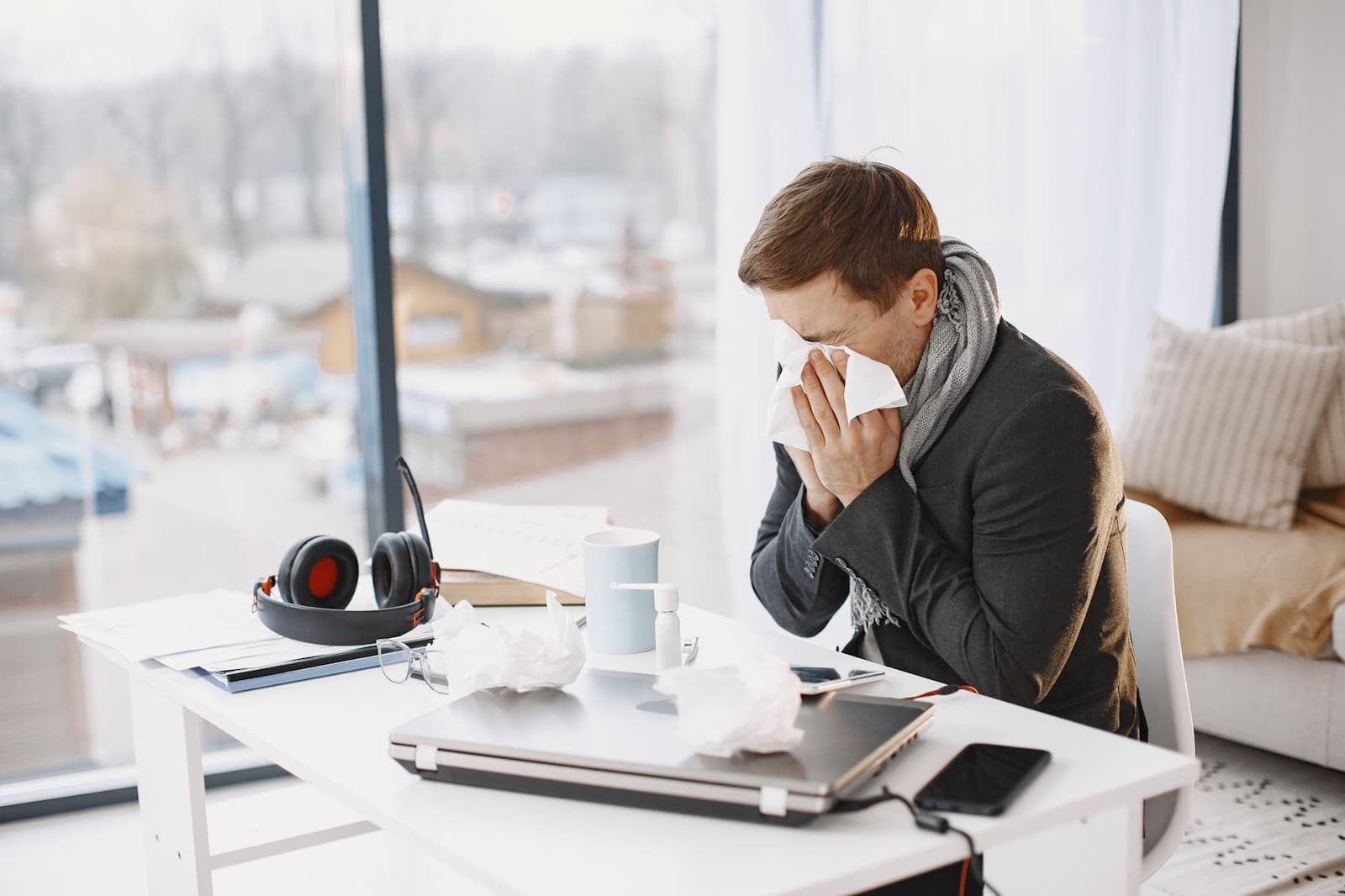
One person comes into work with a cough. A few days later, three people are off sick and someone else is starting to feel unwell. In a busy workplace where people share meeting rooms, kitchens, bathrooms and equipment, illnesses can sometimes spread quickly.
There isn’t a single cleaning product or workplace rule that can prevent every infection. A better approach is to combine sensible cleaning, good hand hygiene, appropriate ventilation and workplace policies that don’t encourage sick employees to turn up anyway. Depending on the size and type of workplace, professional hygiene services may also form part of maintaining shared facilities and frequently used areas.
The goal isn’t to make an office completely germ-free. That’s unrealistic. It’s to reduce avoidable opportunities for infections to spread while creating a workplace where healthy habits are easy to follow.
Make Handwashing Easy
Telling employees to wash their hands isn’t particularly useful if the bathroom regularly runs out of soap.Post
Basic supplies need to be consistently available. Bathrooms should have running water, soap and a practical way for people to dry their hands. Where appropriate, hand sanitiser can also be made available in convenient locations.
Encourage employees to clean their hands at sensible times, particularly after using the bathroom, before eating and after coughing, sneezing or blowing their nose.
Small details matter here. If the sanitiser dispenser is empty for three weeks, it isn’t helping anyone.
Pay Attention to Shared Surfaces
Think about how many people touch the same objects during an ordinary working day.
Common examples include:
- Door handles
- Kitchen appliances
- Shared keyboards or equipment
- Meeting room tables
- Lift buttons
- Bathroom fixtures
- Communal phones
- Reception counters
Cleaning routines should reflect how the workplace is actually used. A busy communal kitchen, for example, may need more frequent attention than a rarely occupied storage room.
This doesn’t mean every surface needs to be constantly disinfected. Cleaning practices should be appropriate for the environment and follow the directions for any products being used.
Don’t Forget the Office Kitchen
The workplace kitchen can become surprisingly unpleasant when dozens of people use it but nobody feels responsible for it.
Old food accumulates in the fridge. Spills remain on benches. Dishcloths stay damp for days. Someone leaves half a sandwich behind and apparently moves to another country.
Clear responsibilities help.
Decide who handles routine cleaning and how often refrigerators, microwaves, benches, sinks and other communal areas are addressed. Employees should also be expected to clean up their own spills and remove old food.
A simple fridge clean-out schedule can prevent the communal refrigerator from becoming an archaeological site.
Encourage People to Stay Home When They’re Sick
One of the most useful ways to reduce workplace transmission is also one of the most obvious: people who are unwell shouldn’t feel pressured to attend work unnecessarily.
That can be easier said than done.
Employees may worry that taking sick leave makes them appear unreliable or that colleagues will be left with extra work. Some workplaces even develop an unspoken culture where coming to work sick is treated as dedication.
Managers can help by setting clearer expectations and following appropriate workplace policies. Where practical, remote work may sometimes allow an employee to remain productive without bringing an illness into a shared environment.
The right approach will depend on the illness, role and workplace.
Improve Ventilation Where Practical
Not every infection spreads primarily through contaminated surfaces. Some respiratory infections can spread through particles released into the air when people breathe, talk, cough or sneeze.
That’s why ventilation deserves attention alongside cleaning.
Depending on the building, improving ventilation might involve opening windows where appropriate, maintaining heating and cooling systems properly or reviewing how fresh air moves through heavily occupied spaces.
Crowded meeting rooms can be particularly relevant. If ten people are going to spend hours together, consider whether the space is appropriate or whether some discussions could happen elsewhere.
Make Cough and Sneeze Etiquette Normal
Most people know they should cover a cough or sneeze, but workplaces can still reinforce basic respiratory etiquette without turning the office into a classroom.
Encourage employees to use a tissue or cough and sneeze into their elbow rather than their hands. Used tissues should be disposed of promptly, followed by appropriate hand hygiene.
Keeping tissues and bins accessible makes these behaviours easier.
This is a recurring theme in workplace hygiene: good habits are more likely when the environment supports them.
Have a Plan Before Several People Get Sick
Don’t wait until half a department is absent to decide how your workplace will respond to an outbreak.
Businesses should understand any relevant public health requirements and have practical procedures for managing illness and absences. Depending on the workplace, that might include reviewing cleaning arrangements, communicating with staff, adjusting work arrangements or seeking professional guidance.
Certain environments — including healthcare, childcare and food handling — may require more specific infection-control measures.
Policies should therefore reflect the actual risks associated with the workplace rather than relying on a generic office checklist.
Make Healthy Behaviour the Easy Option
Reducing illness in a busy workplace doesn’t require employees to spend their days worrying about every surface they touch.
Focus on the basics.
Keep bathrooms and communal spaces properly supplied and maintained. Clean areas according to how heavily they’re used. Support good hand and respiratory hygiene, pay attention to ventilation and avoid creating a culture where employees feel they must come to work while unwell.
No workplace can prevent every cough, cold or infection. But sensible systems can remove many unnecessary opportunities for illness to move from one desk to the next.