From Seed To Scale: The Technology Behind Modern Growing
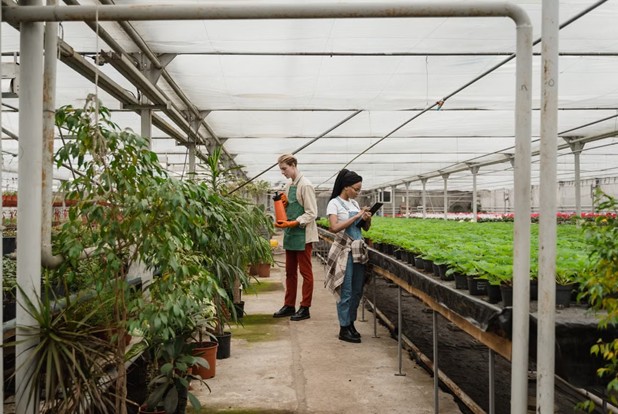
Farmers and commercial growers face shifting weather and changing crop demands every season. Adapting to these shifts requires modern tools that streamline daily operations inside growing facilities.
Smart technology now drives productivity across every stage of the plant lifecycle. From early germination to full harvest, growers rely on engineered systems to maintain steady yields.
Modernizing Environmental Control
Commercial crop management begins with precise control over humidity, heat, and airflow. Automated climate sensors monitor temperature shifts continuously to protect fragile seedlings. These systems adjust ventilation louvers and circulation fans automatically when thresholds shift.
Selecting strong framing materials helps maintain structural integrity against heavy snow and high winds. Working with an experienced family-owned greenhouse manufacturer gives growers custom structural options tailored to local climate demands. Reliable design protects internal tech investments while keeping operating costs manageable year-round.
Consistent internal conditions reduce plant stress during unexpected weather shifts. Better environmental control translates directly into higher crop quality across every harvest cycle.
Automated Irrigation and Nutrient Delivery
Precision watering systems supply plants with exact liquid measurements tailored to growth stages. Drip lines deliver water straight to root zones without wasting excess resources. This method prevents runoff while keeping soil moisture levels steady throughout the day.
Automated fertigation mixes liquid nutrients directly into irrigation streams based on sensor readouts. Market analysis indicates the controlled environment agriculture industry will reach $118.2 billion in 2026 as facilities adopt automated feeding systems. Precision mixing eliminates human error during nutrient preparation.
Targeted nutrient feeding speeds up root development in young crops. Balanced nutrition keeps plants healthy without risking fertilizer burn or nutrient lockup.
Intelligent Supplemental Lighting
Natural sunlight varies throughout the year, making artificial light practical for year-round production. High-efficiency lighting fixtures extend daily light hours during shorter winter months. Modern arrays mimic natural solar spectra to encourage strong photosynthesis.
Growers adjust light intensity and spectrum output to influence plant shape and flowering times. Recent industry reports project the smart greenhouse market will reach $18.0 billion by 2033 as high-efficiency setups become standard. Spectrum tuning helps crops mature faster with less energy consumption.
Smart LED installations generate minimal heat compared to traditional high-pressure sodium bulbs. Reduced heat output allows lighting units to hang closer to plant canopies without scorching foliage.
Integrated Data Systems and Sensing
Central software platforms collect continuous data streams from dozens of embedded hardware sensors. Real-time dashboards display air temperature, vapor pressure deficit, and light level readings. Operators track these metrics from mobile devices to catch equipment issues early.
Data-driven management reduces operational waste across large commercial operations. A comprehensive 2026 research review found that climate-smart growing technology cuts fertilizer application by 36% to 60% while maintaining crop yields. Precise tracking keeps resource usage aligned with actual plant needs.
Historical data logs help operators refine growing recipes for future planting cycles. Predictive analytics highlight maintenance needs before primary equipment fails.
Scalable Systems for Growing Operations
Expanding a commercial growing business requires modular infrastructure that grows alongside market demand. Standardized structural components make physical expansion straightforward and cost-effective. Operators scale up capacity without redesigning existing utility lines or layout plans.
Key design features support straightforward operational expansion across commercial facilities:
- Modular bay layouts allow easy additions without disrupting current crops.
- Universal mounting tracks support fast installation of secondary heating lines.
- Centralized control panels connect extra sensor networks seamlessly across new spaces.
Scalable infrastructure protects initial capital investments as production volume expands. Seamless additions keep labor costs predictable during rapid operational growth.
Energy Efficiency and Sustainability Practices
Heating and cooling represent substantial ongoing costs for commercial agricultural facilities. Thermal screens trap heat during cool nights to lower fuel consumption significantly. Shading curtains reflect excess solar energy during summer peaks to ease cooling burdens.
Closed-loop water recirculation systems capture excess runoff for filtration and reuse. Recycling water drastically cuts total consumption while preserving valuable fertilizer compounds. Efficient resource management keeps operational overhead down over long production cycles.
Sustainable growing practices help facilities meet tough environmental standards without sacrificing output. Clean operations build strong brand reputations with eco-conscious commercial buyers.
Streamlining Daily Labor Workflows
Labor remains one of the largest operating expenses in high-density crop production. Automated bench systems move plant trays across growing zones with minimal manual handling. Transporting crops mechanically saves worker time and reduces physical strain.
Ergonomic potting workstations speed up transplanting procedures during busy planting seasons. Automated seeding equipment places seeds into plug trays with high accuracy. Fast processing schedules keep farm operations moving on strict harvest timelines.
Standardizing daily workflows improves safety metrics across all processing departments. Well-organized tasks keep staff focused on crop health and final product quality.
Modern growing technology transforms traditional farming into a predictable, high-yield operation. Combining solid structural design with automated environmental controls gives growers full authority over crop production.
Investing in scalable systems helps commercial operations adapt to shifting market conditions. Equipped with intelligent tools, growers can expand production capacity while maintaining top crop quality.