How Tissue Culture Enables Advances In Biotechnology
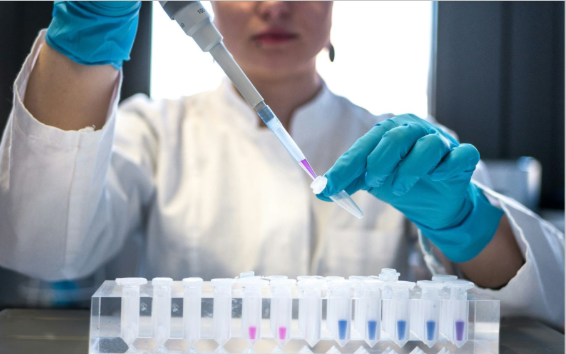
Biotechnology retains the core principle of keeping living cells alive, healthy, and functional outside of their parent organism. As a result, scientists apply in vivo testing, which involves testing theories and treatments on plants, humans, and animals before mass production.
Monitoring the biological changes inside a living animal or plant is complex. There will be countless uncontrolled variables that make it hard to determine why a cell behaves a certain way. Tissue culture solves this problem, allowing scientists to grow isolated cells in a sterile, nutrient-rich environment.
By taking single cells from living organisms and developing them inside a lab, scientists finally have an environment they can control. This technique serves as the backbone for modern drug discovery, crop breeding, genetic engineering, and lab-grown materials. Let’s explore six practical ways this new development advances biotechnology.
- Running Early Drug Tests on Human Cells
The world has moved away from the dangerous and expensive human and animal drug trials. In place of lab rats, researchers can now test thousands of theories and chemical compounds on isolated human cells. Tissue culture provides a reliable platform for clinical trials before exposing any living subject to potential harm.
Scientists develop the ideal cells for the experiment, such as liver cells or heart muscle cells, in the lab. That way, they can track cellular stress and quickly eliminate molecules in the development process.
- Mass-Producing Food Crops
As food shortages continue to spread to more parts of the world, the need for mass-producing food has never been greater. However, growing crops through conventional planting is not feasible as it takes time and requires significant land mass. Modern science bypasses these challenges through plant micropropagation.
This process allows scientists to produce more crops from explants of parent plants. Small-scale growers and major food manufacturing companies will benefit massively from this new development in the most critical ways:
- Rapid Multiplication: Taking out a single leaf or cutting the stem can yield countless genetically identical plantlets in just a few months.
- Virus-Free Crops: Taking tissue from the plant’s apical meristem may allow growers to produce disease-free stock from infected parent plants.
- Controlled Growth: Growers can cultivate healthy crops indoors under artificial lights, making it independent of weather or poor soil.
- Developing Modern Complex Medicines
It is one of the most challenging eras for modern science, as new viruses and diseases continue to emerge. As a result, modern medicine is becoming more complex to replicate with traditional chemistry.
For instance, scientists must develop complex proteins like monoclonal antibodies, insulin, and viral vaccine components through living cells that can maneuver and modify protein chains properly.
Biotech companies modify host cells by inserting the gene for the protein they want to generate. Scientists transfer these cells into bioreactors, where they develop and multiply. The cells distribute the target protein to the fluid as they grow, allowing engineers to run the liquid through filters to isolate and purify the final medicine.
- Editing Genes in a Controlled Workspace
It is almost impossible to accurately monitor the process of inserting new genes or disabling existing ones in an adult mammal or plant. For gene-editing to work, the experiment must take place in a stable environment.
Since scientists can develop cultured cells in a workspace they have complete control over, performing genetic edits in real time becomes feasible. This procedure typically takes place in these stages:
- Gene Delivery: Scientists introduce new DNA sequences into cultured cells using electrical pulses or viral carriers.
- Cell Selection: They add antibiotics or visual markers to eliminate unedited cells, leaving behind only the successfully modified ones.
- DNA Verification: They extract DNA from the growing culture to sequence the genome and confirm the edit worked without damaging other genes.
Once verified in the dish, scientists can study these modified cell lines to understand gene function or breed transgenic organisms.
- Producing Cultured Meat and Protecting Endangered Species
Humans are starting to come to terms with the burden placed on farmland and wildlife for its survival. This has led to devising sustainable alternatives to constantly exploiting raw materials or food products directly from animals. Culturing animal cells can allow scientists to produce these materials in a lab without removing animals from their habitats.
In conservation biology, scientists collect and freeze tissue samples from rare species in cryobanks. That way, if species become scarce, scientists can thaw and culture these cells in cloning protocols to reintroduce genetic diversity.
Similarly, food scientists take small muscle biopsies from livestock and isolate the stem cells. Growing these cells inside bioreactors allows them to form muscle fibers, creating cultured meat similar to traditional meat without needing to rear or slaughter animals.
- Generating Green Chemicals and Fungal Biomaterials
Chemical manufacturing still relies heavily on petroleum derivatives, harsh solvents, and synthetic dyes. These toxic substances pollute soil, air, and water. However, culturing specialized plant and fungal cells can help produce these ingredients using biological processes.
Suspension cultures of plant cells can produce natural fragrances, food dyes, and agricultural pest controls in closed fermentation tanks. This approach eliminates the need for massive land footprints or chemical pesticides. Companies can also grow fungal mycelium networks on agricultural waste to produce biodegradable packaging that replaces plastic foam.
Cell Culturing and the Future of Biotechnology
Culturing living tissue is turning biology into a system that various industries, individuals, and organizations can adapt.
It gives scientists a clear, controllable window into cell behavior to enhance drug safety testing, change crop breeding, and develop cleaner ways to manufacture materials. Its application will also solve everyday problems such as mass food shortages and environmental pollution that threatens the ecosystem.
As bioreactors and gene editing continue to improve, cell culturing will remain a major force shaping the future of biological research.