Ant Spray: The Ultimate Solution for Ant Control
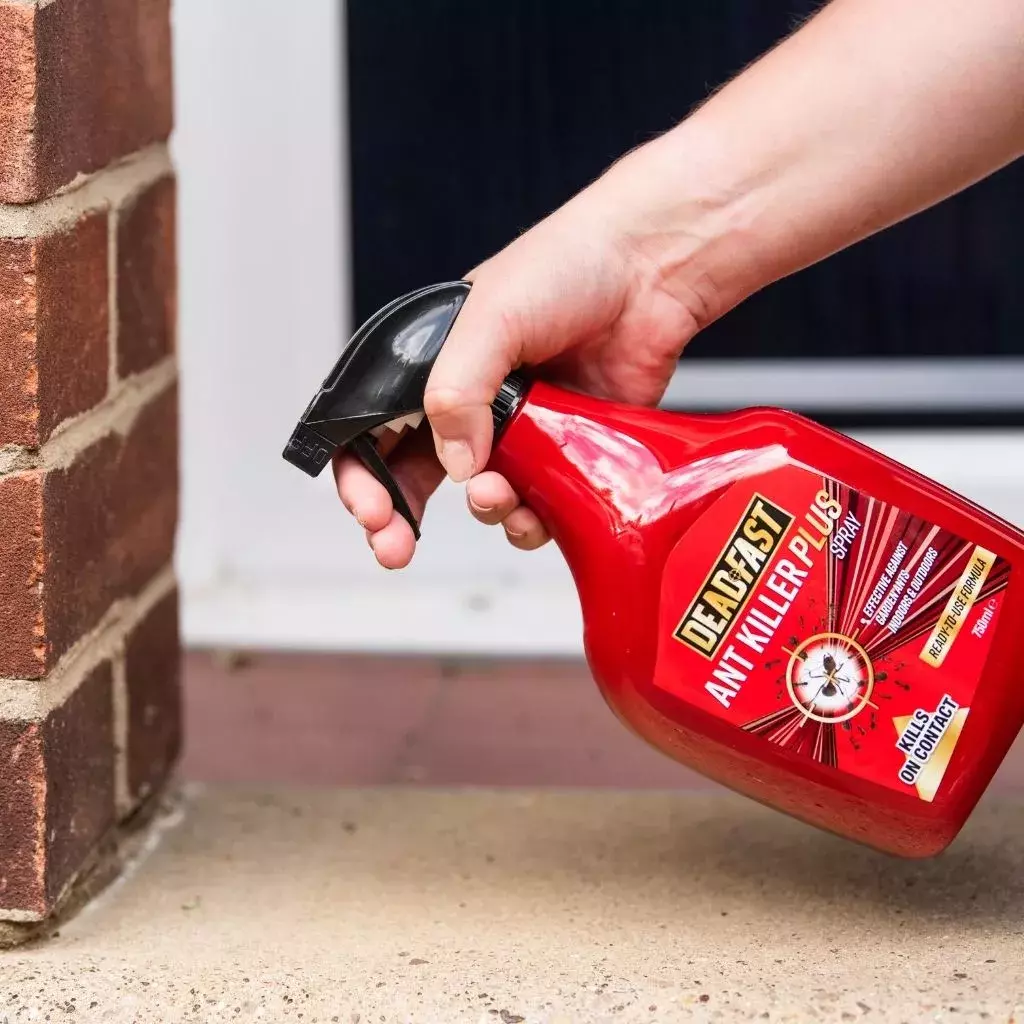
Ant spray is one of the most effective and convenient ways to eliminate ants from homes, gardens, and workplaces. It works by killing ants on contact or disrupting their pheromone trails, preventing them from returning. Whether you’re dealing with a small infestation or a large colony, using the right type of ant spray ensures long-lasting protection.
Why Use Ant Spray for Ant Control?
- Instant action – Kills ants on contact, reducing their presence immediately.
- Prevents reinfestation – Some sprays leave residual effects to deter ants from returning.
- Easy to use – Just spray directly on ants or their entry points.
- Versatile – Works indoors, outdoors, and in tight spaces.
Choosing the right ant spray depends on factors like safety, effectiveness, and ingredients. Understanding how it works helps in making an informed decision for ant control.
What is Ant Spray and How Does It Work?
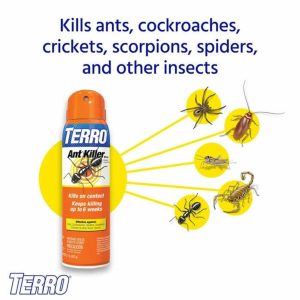
Ant spray is a liquid-based insecticide designed to kill ants upon contact or disrupt their behavior. It contains active ingredients that target the ants’ nervous system or interfere with their ability to communicate and forage.
How Ant Spray Works
- Contact Kill Sprays – Instantly eliminate ants when sprayed directly on them.
- Residual Sprays – Leave a protective barrier that kills ants over time.
- Pheromone Disruptors – Prevent ants from following their usual trails, confusing them.
| Type of Ant Spray | How It Works |
| Repellent Sprays | Deters ants from entering treated areas |
| Non-Repellent Sprays | Ants unknowingly carry poison to their colony |
| Natural Sprays | Uses plant-based ingredients to repel or kill ants |
| Aerosol Sprays | Quick-kill formula for direct application |
Using ant spray correctly and consistently ensures effective results and keeps your space ant-free for longer.
Types of Ant Sprays Available
There are several types of ant sprays, each designed for different levels of infestation and types of ants. Some work instantly, while others provide long-term protection.
Common Ant Spray Types
- Aerosol sprays – Ideal for quick knockdown of visible ants.
- Residual sprays – Leave a protective barrier that prevents reinfestation.
- Bait sprays – Contain slow-acting poison carried back to the colony.
- Organic sprays – Made with essential oils and plant-based extracts.
| Ant Spray Type | Best For | Effect Duration |
| Instant Kill Sprays | Immediate ant removal | Few minutes |
| Barrier Sprays | Long-term prevention | Weeks to months |
| Baiting Sprays | Killing entire colonies | Days to weeks |
| Eco-Friendly Sprays | Safe for children and pets | Varies |
Selecting the right ant spray ensures maximum effectiveness while keeping your environment safe.
Chemical vs. Natural Ant Sprays
Both chemical and natural ant sprays offer benefits, but choosing the right one depends on safety, effectiveness, and environmental concerns.
Chemical Ant Sprays
- Highly effective – Kills ants quickly and provides long-term control.
- Strong residual effect – Prevents reinfestation for weeks.
- Contains synthetic pesticides – Can be harmful to humans and pets if misused.
Natural Ant Sprays
- Eco-friendly alternative – Made from plant-based oils and extracts.
- Safe for homes with pets and children – Free from toxic chemicals.
- Requires frequent application – Less residual effect compared to chemical sprays.
| Comparison | Chemical Sprays | Natural Sprays |
| Effectiveness | Very high | Moderate |
| Safety | Can be toxic | Safe for pets & children |
| Longevity | Lasts weeks | Requires reapplication |
| Eco-Friendliness | Contains synthetic chemicals | Biodegradable |
For households with pets or children, using natural sprays is the best option, while chemical sprays are more suitable for severe infestations.
Best Ingredients for Effective Ant Spray
The effectiveness of an ant spray depends on its active ingredients, which target ants at different stages of their life cycle.
Powerful Chemical Ingredients
- Pyrethroids – Fast-acting insecticides that kill ants on contact.
- Fipronil – Used in bait sprays to eliminate entire colonies.
- Hydramethylnon – Slower-acting but highly effective for long-term control.
Top Natural Ingredients
- Peppermint oil – Disrupts ant trails and repels ants naturally.
- Citrus extracts – Effective at breaking down ant pheromone trails.
- Vinegar – Destroys ant scent markings and deters future infestations.
| Ingredient | Type | Effectiveness |
| Pyrethroids | Chemical | High |
| Fipronil | Chemical | Very high |
| Peppermint Oil | Natural | Moderate |
| Citrus Extracts | Natural | Good |
Choosing the right ingredients ensures maximum effectiveness while considering safety and environmental impact.
How to Properly Use Ant Spray
Using ant spray effectively requires proper application techniques to ensure long-term results.
Steps for Effective Use
- Identify ant trails – Locate common entry points and foraging paths.
- Clean the area – Remove food crumbs and moisture sources.
- Spray directly on ants – For immediate elimination, apply on visible ants.
- Apply around entry points – Treat windows, doors, and cracks to prevent entry.
- Reapply as needed – For residual sprays, follow the recommended reapplication time.
Best Practices for Ant Spray Use
- Avoid spraying near food or kitchen surfaces to prevent contamination.
- Use a combination of bait and spray for complete colony elimination.
- Monitor ant activity to determine whether additional treatment is needed.
Using ant spray correctly and consistently guarantees better results and long-term ant control.
Safety Precautions When Using Ant Spray
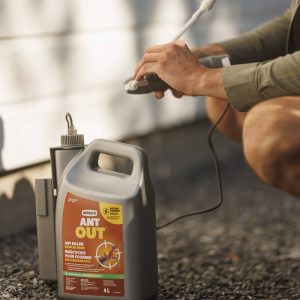
While ant sprays are effective, using them safely is essential to protect humans, pets, and the environment.
Important Safety Measures
- Read product labels carefully – Follow instructions for proper use and storage.
- Keep sprays away from children and pets – Store in a secure location.
- Ventilate the area – Avoid inhaling strong fumes from chemical sprays.
- Wear protective gear – Use gloves and masks if handling strong pesticides.
| Safety Concern | Precaution |
| Inhalation Risk | Use sprays in well-ventilated areas |
| Skin Contact | Wear gloves while applying |
| Pet Safety | Keep pets away from treated areas |
| Food Contamination | Avoid spraying near food or utensils |
Taking proper safety precautions ensures effective ant control without harming your health.
Ant Spray: Powerful DIY Recipes and Best Alternatives
Ants can invade homes, gardens, and workplaces, making ant spray a crucial solution for pest control. While commercial sprays are effective, many people prefer homemade ant sprays as a safer and eco-friendly alternative.
In addition to using ant spray, it’s crucial to consider comprehensive pest management strategies to ensure long-term results. For residents in Texas, seeking professional assistance can be particularly beneficial. Engaging with a service that specializes in pest control Leon Valley can provide tailored solutions that address not only ants but a wide range of pests.
Sentence: For those dealing with stubborn infestations in South Florida, professional pest control Coral Springs FL services offer targeted, expert solutions that go beyond DIY methods.
These experts can assess your specific situation and implement effective measures to prevent future infestations. By combining professional services with regular maintenance and the use of quality ant sprays, homeowners can achieve a pest-free environment, ensuring peace of mind and a healthier living space.
Additionally, understanding the environmental impact, effectiveness, and alternatives can help in choosing the best method for long-term ant control.
Homemade Ant Spray Recipes
Creating a homemade ant spray is an excellent way to keep ants away without using harmful chemicals. These sprays are made with natural ingredients that effectively repel and eliminate ants while being safe for children and pets.
DIY Ant Spray Recipes
- Vinegar and Water Spray – Mix equal parts of white vinegar and water, then spray directly on ant trails.
- Peppermint Oil Spray – Add 10 drops of peppermint essential oil to a cup of water and spray around entry points.
- Lemon and Dish Soap Spray – Combine one lemon’s juice, a teaspoon of dish soap, and a cup of water to break down ant pheromone trails.
- Baking Soda and Sugar Spray – Mix one tablespoon of baking soda with one tablespoon of sugar, add water, and spray on affected areas.
| Homemade Spray | Key Ingredients | Effectiveness |
| Vinegar Spray | Vinegar, Water | Strong |
| Peppermint Spray | Peppermint Oil, Water | Moderate |
| Lemon Soap Spray | Lemon Juice, Dish Soap, Water | High |
| Baking Soda Spray | Baking Soda, Sugar, Water | Very High |
Homemade sprays offer an affordable and safe solution, but they require frequent application for best results.
Environmental Impact of Ant Sprays
The impact of ant sprays on the environment depends on whether they contain chemical or natural ingredients. Chemical sprays are highly effective, but they can harm non-target insects, water sources, and air quality.
Negative Environmental Effects of Chemical Ant Sprays
- Kills beneficial insects – Affects bees, butterflies, and other pollinators.
- Contaminates water sources – Runoff from sprays can enter rivers and lakes.
- Air pollution – Aerosol sprays release harmful compounds into the air.
Eco-Friendly Alternatives
- Use natural sprays – Lemon, vinegar, and essential oils are safe for the environment.
- Apply in targeted areas – Avoid spraying large outdoor areas to protect beneficial insects.
- Choose biodegradable products – Some organic ant sprays break down without harming nature.
| Spray Type | Environmental Impact |
| Chemical Sprays | High pollution, harmful to insects and water |
| Natural Sprays | Biodegradable, safe for beneficial insects |
Using environmentally friendly ant sprays helps in controlling ants while protecting nature.
How Long Does Ant Spray Last?
The effectiveness of ant spray depends on its type, formulation, and where it is applied. Some sprays kill ants immediately, while others provide long-term residual effects.
Ant Spray Longevity Based on Type
- Instant kill sprays – Lasts only a few minutes and requires frequent application.
- Residual sprays – Leave a barrier that remains effective for weeks to months.
- Baiting sprays – Work slowly but can eliminate an entire colony in days to weeks.
| Ant Spray Type | Effect Duration |
| Instant Kill Spray | Minutes |
| Residual Spray | Weeks to Months |
| Bait Spray | Days to Weeks |
For lasting results, it’s best to use a combination of residual and bait sprays to target both visible ants and hidden colonies.
Alternatives to Ant Spray for Ant Control
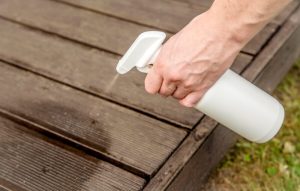
While ant sprays are effective, there are other natural and preventive methods to keep ants away without relying on chemical solutions.
Best Alternatives to Ant Sprays
- Diatomaceous Earth – A natural powder that dehydrates and kills ants on contact.
- Borax and Sugar Bait – A slow-acting poison that destroys entire colonies.
- Cinnamon and Coffee Grounds – Disrupts ant trails and repels them naturally.
- Sealing Entry Points – Blocking cracks and crevices prevents ants from entering your home.
| Alternative Method | Effectiveness |
| Diatomaceous Earth | High |
| Borax and Sugar | Very High |
| Cinnamon & Coffee Grounds | Moderate |
| Sealing Cracks | Preventative |
Using these alternatives alongside ant sprays creates a comprehensive ant control strategy for better long-term results.
Common Mistakes When Using Ant Spray
Even the best ant sprays can be ineffective if used incorrectly. Many people make common mistakes that reduce their effectiveness.
Top Mistakes to Avoid
- Not identifying the source – Spraying visible ants without treating their nest won’t solve the problem.
- Using the wrong type of spray – Repellent sprays can scatter ants instead of eliminating them.
- Overusing spray – Excessive spraying can cause resistance in ant populations.
- Ignoring safety precautions – Some chemical sprays can be harmful if inhaled or touched.
By avoiding these mistakes, ant sprays can work more efficiently and effectively.
Frequently Asked Questions about Ant Spray
What is the most effective ant spray?
The best ant spray depends on the situation. Residual sprays work for long-term prevention, while bait sprays target entire colonies.
Is homemade ant spray as effective as commercial sprays?
Homemade sprays are effective for repelling ants, but commercial sprays are stronger for eliminating entire infestations.
Can ant spray harm pets and children?
Yes, chemical sprays can be toxic, so it’s best to use natural options or keep treated areas off-limits.
How often should I apply ant spray?
It depends on the type of spray. Instant kill sprays need frequent application, while residual sprays last weeks.
Will ant spray kill the queen ant?
Most sprays only kill worker ants, but bait sprays poison the entire colony, including the queen.
Are there eco-friendly ant sprays available?
Yes, many brands offer organic and biodegradable ant sprays made from natural ingredients.
Can I use ant spray outdoors?
Yes, but it’s best to use outdoor-specific sprays that are weather-resistant and safe for plants.
Conclusion on Choosing the Best Ant Spray
Selecting the right ant spray is essential for effective pest control. Whether using chemical sprays, natural alternatives, or homemade solutions, it’s crucial to choose a method that fits your needs and environment. Understanding how ant sprays work, their longevity, and their environmental impact ensures better results and long-term ant prevention.
By combining sprays with preventive measures, you can eliminate ants effectively and keep your home pest-free for good.