Character Stats: Track Levels, Skills & Abilities 2026
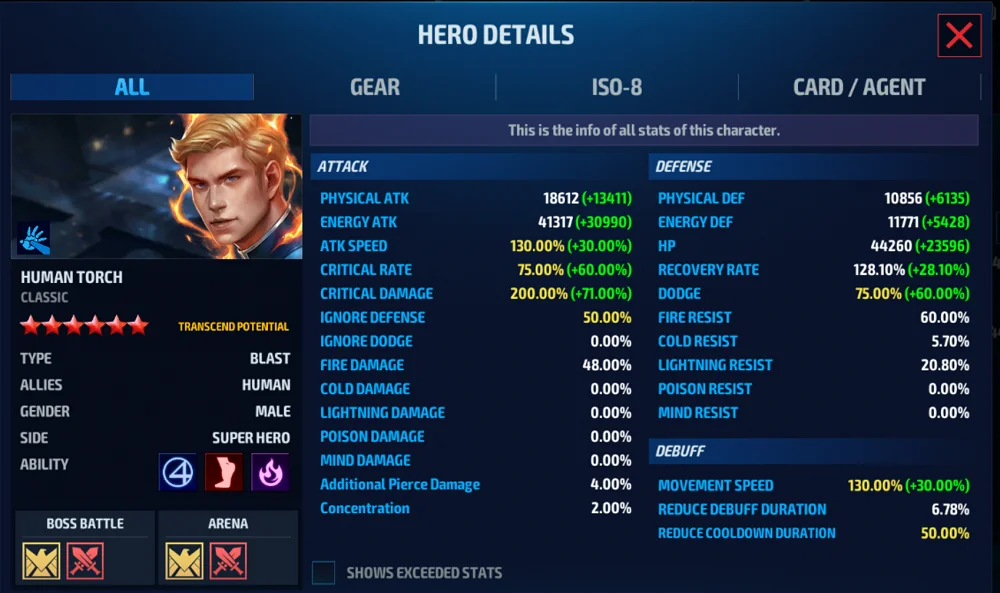
Character stats are the numerical backbone of every role-playing game ever made — from pen-and-paper classics like Dungeons & Dragons to modern open-world video games like Elden Ring, Baldur’s Gate 3, and Crimson Desert.
Every time your character swings a sword, casts a spell, or persuades an NPC, a number behind the scenes decides whether you succeed or fail.
Understanding how character stats work, how they scale with levels, and how skills and abilities connect to them is the single most powerful upgrade any player can make. This guide breaks down everything you need to know about tracking character stats in 2026.
What Are Character Stats?
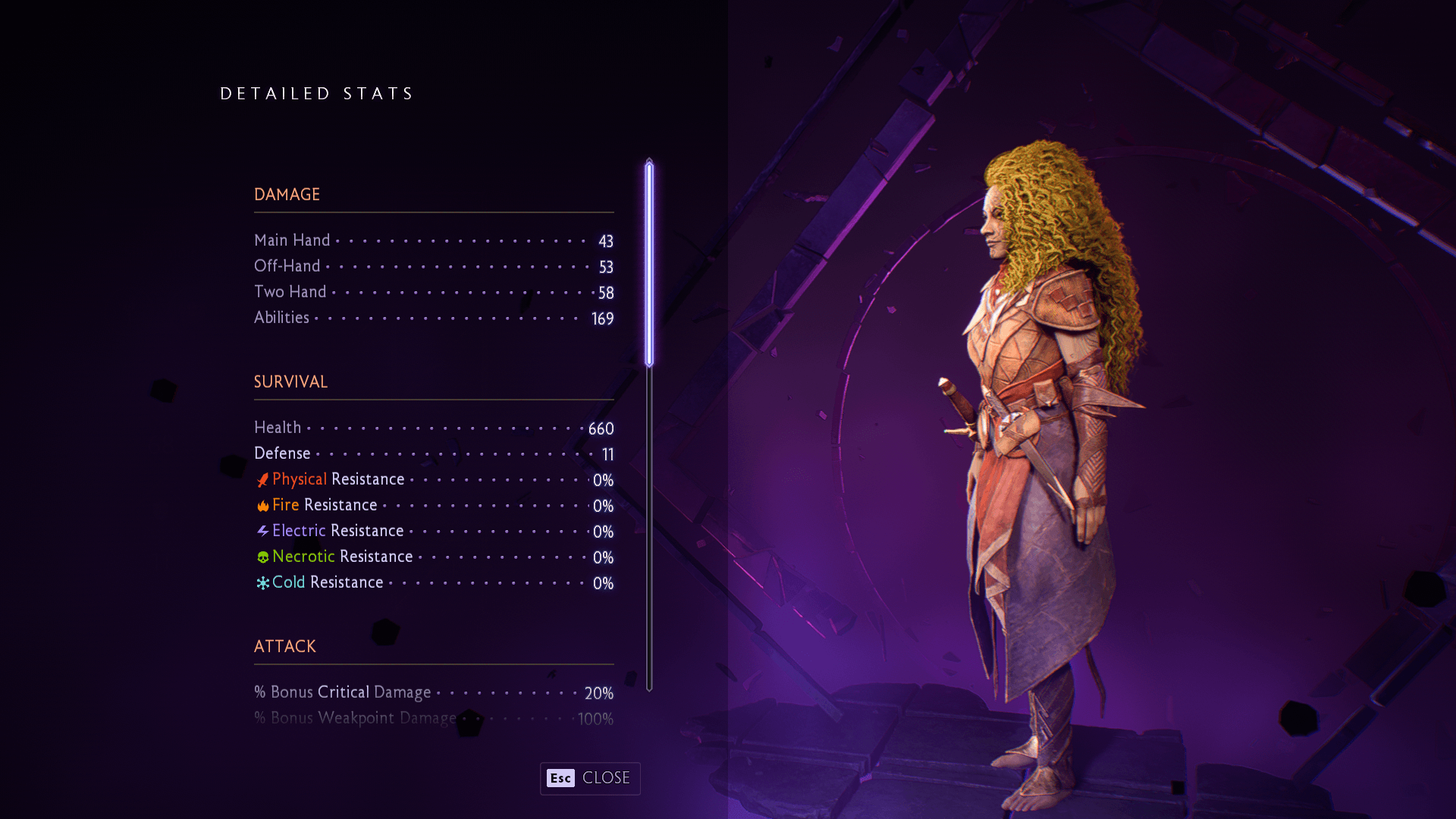
Character stats — also called attributes, ability scores, or characteristics depending on the game system — are abstract numeric values that define what a character can and cannot do in a game world.
Every game with RPG elements uses some form of stat system. The numbers govern how your character fights, thinks, speaks, survives, and grows over time.
Stats are not just for combat. In tabletop RPGs especially, they influence every possible action — from climbing a wall to persuading a king to deciphering ancient runes.
The Origin of Character Stats in RPGs
The modern character stat system traces directly back to Dungeons and Dragons, first published in 1974. The original six attributes — Strength, Intelligence, Wisdom, Constitution, Dexterity, and Charisma — set the blueprint that nearly every game since has followed or adapted.
Those six stats were revolutionary because they captured both physical and mental dimensions of a character in a compact, trackable format. Every major RPG system since 1974 has either adopted this framework or consciously designed around it.
Games like Fallout invented the SPECIAL system (Strength, Perception, Endurance, Charisma, Intelligence, Agility, Luck). GURPS boiled everything down to four primaries. Newer games like Crimson Desert (2026) use artifact-based skill trees. The language changes, but the core idea — numbers that define capability — remains universal.
The Six Core Character Stats Explained
Most RPG systems, especially those inspired by D&D, organize character stats into six primary attributes. Here is exactly what each one does and why it matters.
Strength (STR)
Strength measures raw physical power and muscle. It directly affects melee attack accuracy, melee damage output, carrying capacity, and physical feats like jumping, climbing, and breaking objects.
Warriors, fighters, barbarians, and any melee-focused build must prioritize Strength. Without a competitive STR score, a physical attacker simply cannot deal enough damage to stay relevant at higher difficulty levels.
In video game RPGs, Strength is often labeled Physical Attack, ATK, or Power. Games like Dark Souls and Elden Ring use Strength as the primary scaling stat for heavy weapons like greatswords and hammers.
Dexterity (DEX)
Dexterity covers fine motor skills, reaction time, balance, and full-body coordination. It affects ranged attack accuracy, the ability to dodge incoming attacks, stealth movement, and initiative order in combat.
Many experienced players consider Dexterity the most powerful core stat in games like D&D 5e because it influences so many mechanics simultaneously — from how often you get hit to whether you act first in a fight.
Rogues, rangers, monks, and assassin-type character builds are typically constructed around maximizing DEX. In video game RPGs, DEX is commonly relabeled Agility, Speed, or Reflex.
Constitution (CON)
Constitution measures how durable and resilient a character is. It directly controls maximum Hit Points (HP) in most RPG systems, meaning it determines how much damage a character can absorb before falling.
High CON makes a character nearly unkillable in a straight fight. Low CON means even minor hits become dangerous, pushing players toward cautious, avoidant playstyles.
In video game RPGs, Constitution is often split into two separate stats — Vitality (which controls HP) and Endurance or Stamina (which controls stamina and movement capacity, as seen in Elden Ring and Dark Souls).
Intelligence (INT)
Intelligence represents a character’s reasoning ability, memory, and raw problem-solving capacity. In tabletop games, INT governs how many skill points a character earns at level up and how effectively they use arcane magic.
Wizards in D&D use Intelligence as their primary spellcasting stat. A high INT wizard can learn more spells, cast them more accurately, and deal more magical damage than a low INT counterpart.
In video game RPGs, INT is commonly relabeled as Magic Attack, M.ATK, or Spell Power. It also drives lore checks, language comprehension, crafting formulas, and understanding complex game systems.
Wisdom (WIS)
Wisdom measures a character’s perceptiveness, intuition, and mental fortitude. It is distinct from Intelligence — where INT covers logic and learning, WIS covers instinct and awareness of the surrounding world.
In D&D, Wisdom governs Perception (to spot hidden enemies or traps), Insight (to detect deception), and Survival (navigation and tracking). It is also the spellcasting stat for clerics, druids, and rangers.
Wisdom is frequently described as the difference between book smarts and street smarts. A high INT, low WIS character is the classic absent-minded professor — knows everything but notices nothing. In video game RPGs, WIS is often absorbed into a combined stat like Spirit, Mind, or Magical Defense.
Charisma (CHA)
Charisma defines a character’s force of personality, charm, confidence, and ability to lead or persuade others. It is the primary social stat in most RPG systems.
In D&D 5e, CHA governs Persuasion, Deception, Intimidation, and Performance skill checks. Bards, sorcerers, and warlocks rely on Charisma as their spellcasting stat.
Charisma also influences vendor prices, NPC attitudes, and the ability to recruit followers or companions. In games where social systems are built out, high CHA characters can often resolve encounters entirely without combat.
Core Character Stats at a Glance
| Stat | Full Name | Primary Role | Key Classes |
|---|---|---|---|
| STR | Strength | Melee damage, carry weight | Fighter, Barbarian, Warrior |
| DEX | Dexterity | Dodge, ranged, initiative | Rogue, Ranger, Monk |
| CON | Constitution | Max HP, stamina | All classes benefit |
| INT | Intelligence | Magic damage, skill points | Wizard, Artificer, Mage |
| WIS | Wisdom | Perception, healing, intuition | Cleric, Druid, Ranger |
| CHA | Charisma | Social, leadership, magic | Bard, Sorcerer, Warlock |
Primary vs. Derived Character Stats
Not all character stats are created equal. Primary stats are the raw attribute scores you assign during character creation. Derived stats are calculated automatically from your primary stats — you never set them manually.
Primary stats in most systems include the six core attributes above. Derived stats include Hit Points (derived from CON), Armor Class (derived from DEX and equipment), Initiative (derived from DEX), and Spell Save DC (derived from the casting attribute + proficiency bonus).
Understanding derived stats is critical because improving one primary stat often improves several derived stats simultaneously. Raising Constitution by 2 points raises your HP, improves your CON saving throw, and may improve abilities that scale off health percentage.
| Derived Stat | Formula (D&D 5e Example) | Primary Stat Source |
|---|---|---|
| Hit Points | Base HP + CON modifier × level | Constitution |
| Armor Class | 10 + DEX modifier (unarmored) | Dexterity |
| Initiative | DEX modifier | Dexterity |
| Spell Save DC | 8 + proficiency + casting stat mod | INT / WIS / CHA |
| Passive Perception | 10 + WIS modifier + proficiency | Wisdom |
| Carrying Capacity | STR score × 15 lbs | Strength |
How Character Stats Convert to Modifiers
In D&D 5e and many similar systems, raw ability scores run from 1 to 20 for playable characters. But the game does not use these raw numbers directly — it converts them into modifiers using a standard formula.
A score of 10 or 11 equals a modifier of +0, which represents the baseline average human. Each two points above 10 adds +1 to the modifier, and each two points below 10 subtracts one.
So a score of 18 gives a +4 modifier, while a score of 8 gives a -1 modifier. These modifiers are added to dice rolls for attacks, skill checks, and saving throws — creating the core resolution mechanic of the game.
| Ability Score | Modifier | Description |
|---|---|---|
| 1 | -5 | Severely impaired |
| 4–5 | -3 | Below average |
| 8–9 | -1 | Slightly below average |
| 10–11 | +0 | Average human |
| 12–13 | +1 | Above average |
| 14–15 | +2 | Noticeably capable |
| 16–17 | +3 | Highly skilled |
| 18–19 | +4 | Exceptional |
| 20 | +5 | Peak mortal ability |
Skills and How They Connect to Character Stats
Skills are specific learned capabilities that sit on top of your core attributes. Every skill in D&D 5e is tied to one of the six core stats, meaning your attribute modifier applies to every skill roll in that stat’s category.
For example, Athletics (jumping, grappling, climbing) is a Strength-based skill. Stealth and Acrobatics are Dexterity-based. Perception and Insight come from Wisdom. Investigation and History come from Intelligence.
When a character is proficient in a skill, they add their proficiency bonus on top of the relevant ability modifier. A level 5 character with a +3 WIS modifier and proficiency in Perception adds both the +3 and the +3 proficiency bonus to every Perception roll — making them significantly more reliable at spotting threats.
Skill Categories by Attribute
| Attribute | Associated Skills |
|---|---|
| Strength | Athletics |
| Dexterity | Acrobatics, Sleight of Hand, Stealth |
| Intelligence | Arcana, History, Investigation, Nature, Religion |
| Wisdom | Animal Handling, Insight, Medicine, Perception, Survival |
| Charisma | Deception, Intimidation, Performance, Persuasion |
| Constitution | No skills (but saving throws) |
Character Levels: How Progression Works
Leveling up is the engine of character growth in virtually every RPG. Characters earn experience points (XP) through combat, exploration, and completing objectives. When XP reaches a threshold, the character advances to the next level.
Each level-up brings specific benefits. In class-based systems like D&D 5e, leveling typically grants hit point increases, new class features, access to higher-level spells, and ability score improvement options at specific intervals (4th, 8th, 12th, 16th, and 19th level in D&D 5e).
In skill-based systems like Elder Scrolls, leveling works differently — individual skills improve through use, and characters level up when enough skills have advanced. The more you swing a sword, the better your one-handed weapon skill becomes.
The Three Main Leveling System Types
| System Type | How XP Is Earned | How Stats Improve | Examples |
|---|---|---|---|
| Class-Level | Quests, combat, milestones | Fixed class benefits per level | D&D 5e, Pathfinder |
| Skill-Based | Using individual skills | Skill-specific improvement | Morrowind, Skyrim |
| Hybrid | Both XP and skill use | Skill points + class features | Baldur’s Gate 3, Dragon Age |
Each system creates a completely different character-building experience. Class-level systems keep progression predictable and structured. Skill-based systems reward players for using the abilities they want to develop. Hybrid systems offer the most flexibility.
Ability Scores at Character Creation
Most games offer multiple methods for generating starting character stats. Each method has tradeoffs between fairness, randomness, and storytelling flexibility.
The Standard Array (15, 14, 13, 12, 10, 8) gives every player equal power distribution without randomness. All players start from the same pool and allocate values to the six attributes as they choose. This is the most balanced and recommended method for new players.
Rolling for stats uses four six-sided dice, dropping the lowest result. This creates more variance — some characters will be stronger or weaker than others — but produces memorable, unexpected character concepts that rigid arrays cannot.
Point Buy gives players a pool of points (typically 27 in D&D 5e) to build their scores from a baseline of 8. Players can customize their distribution within set limits, rewarding strategic thinking about what the character concept actually needs.
How Stat Allocation Defines Playstyle
How you distribute character stats during creation and level-up defines your entire playstyle for the game. This decision ripples through every combat encounter, social interaction, and skill challenge you face.
Fighters and warriors typically concentrate points in Strength and Constitution. Rogues and rangers prioritize Dexterity. Mages and spellcasters focus on Intelligence or Wisdom. Paladins split between Strength and Charisma for a powerful dual-function build.
The most interesting builds deliberately combine stats in unexpected ways. A Strength-based paladin who also invests in Charisma gets devastating melee attacks alongside powerful support spells — a combination that rewards players who understand how multiple character stats interact with each other.
Special Abilities and Powers vs. Stats
Beyond the six core attributes and their associated skills, most RPGs include a third category of character capability — special abilities and powers.
Powers are often binary on/off capabilities rather than numeric quantities. A character either has the ability to cast Fireball or they do not. But the power’s effectiveness — its damage, range, or save difficulty — usually scales with a character stat.
In D&D 5e, spell damage scales with character level (more spell slots, higher-level spell versions), while saving throw difficulty scales with the casting attribute modifier and proficiency bonus. So a Fireball’s damage increases with level, but enemies find it harder to resist as your Intelligence grows.
Saving Throws: Stats as Defense
Saving throws are passive defensive checks that protect characters from harmful effects like poison, charm spells, area explosions, or mental domination. Every core stat has its own saving throw category.
Characters become proficient in two saving throws determined by their class at level 1. Fighters start proficient in Strength and Constitution saves. Rogues get Dexterity and Intelligence. Clerics get Wisdom and Charisma.
High saving throw values are often more valuable than high attack stats in difficult content. A character who resists a dragon’s frightening presence or shrugs off a wizard’s Hold Person has dramatically better survival odds than a character with maximum damage output but no defensive stats.
Tracking Character Stats: Tools and Methods
Whether you play digitally or at a table, tracking character stats accurately is essential to playing the game correctly. Mistakes in stat tracking lead to missed bonuses, incorrect damage calculations, and missed saving throws.
For tabletop players, character sheets (both paper and digital) remain the standard. Official D&D character sheets track every attribute, derived stat, skill, saving throw, and proficiency in one organized layout. Digital tools like D&D Beyond automatically calculate modifiers, track HP, and update derived stats in real time as your character levels.
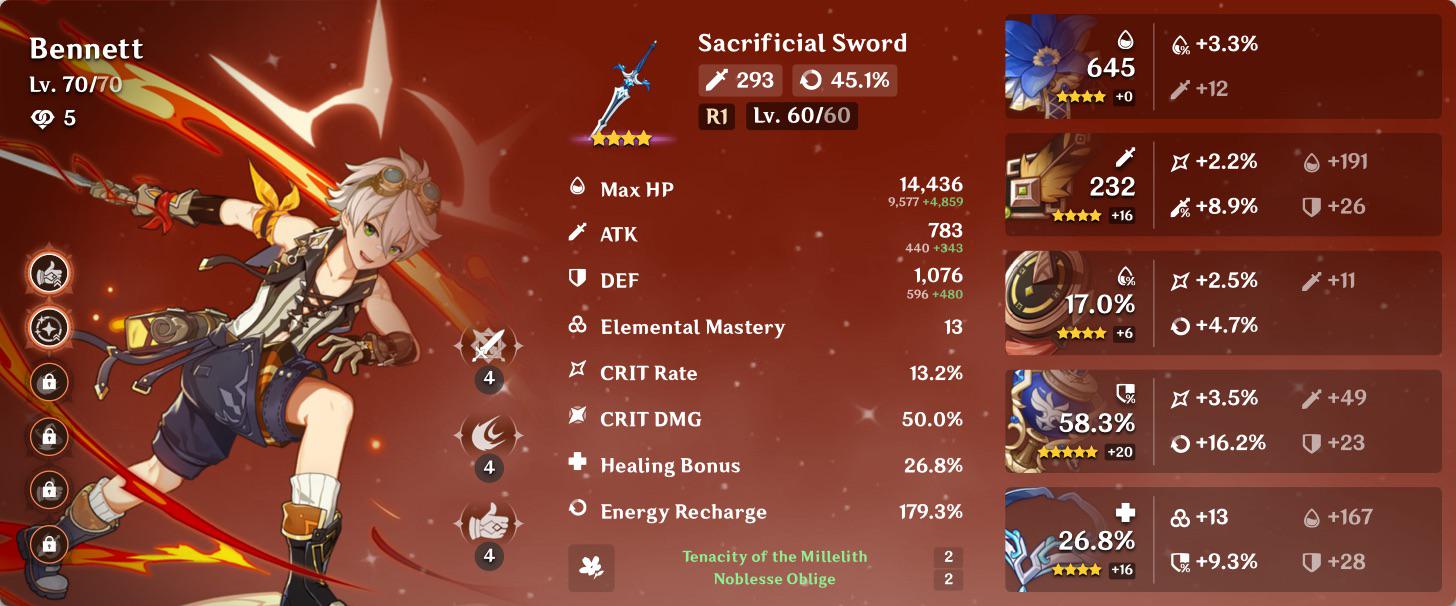
For video game RPGs, the character stat screen (often called the Character menu, Status screen, or Build viewer) shows everything in one interface. Games like Elden Ring, Baldur’s Gate 3, and Final Fantasy XVI all include detailed stat screens that show exact scaling grades for every attribute.
Common Character Stat Mistakes to Avoid
New players almost always over-invest in offensive stats and neglect Constitution or Endurance. The result is a character who hits hard but collapses to the first serious unavoidable attack.
Another common mistake is ignoring dump stats entirely. Every dump stat (a stat left at minimum value) creates real vulnerabilities. A wizard who dumps Constitution may die from a single goblin arrow before they ever cast a spell.
Spreading stats too evenly is the opposite problem. A character with all stats at 12 is mediocre at everything and excellent at nothing. Focused stat investment creates characters who can reliably succeed in their primary role.
Finally, many players forget that character stats are not permanent. Most games allow increases through leveling, magical items, consumables, and story events. Do not agonize endlessly over starting values — growth opportunities will come throughout the game.
Character Stats Across Different Game Genres
The concept of character stats extends far beyond traditional tabletop and CRPG settings. Every major gaming genre has adopted some version of the stat tracking system.
Action RPGs like Elden Ring, Diablo IV, and Monster Hunter use simplified stat systems focused on a handful of combat-critical attributes. The depth comes from equipment scaling and skill synergies rather than complex social or mental stats.
JRPGs like Final Fantasy, Dragon Quest, and Persona tend to use stat systems with HP, MP, ATK, DEF, MATK, MDEF, SPD, and LCK as the core framework. Level-up bonuses are often automatic rather than player-assigned.
MMORPGs like World of Warcraft and Final Fantasy XIV use complex stat systems with primary attributes, secondary combat ratings (crit, haste, mastery), and role-specific stats that vary dramatically between tanks, healers, and damage dealers.
Character Stat Systems in 2026 Games
New releases in 2026 are pushing character stat systems in exciting directions. Crimson Desert, released in early 2026, uses an artifact-based skill system where players spend Abyss Artifacts as skill points to enhance core stats like health and stamina or unlock new combat powers.
This artifact approach blends traditional character stat investment with collectible progression, adding a layer of exploration-driven character building that differs from standard level-up systems. Finding artifacts in the world becomes a direct path to character power rather than just cosmetic rewards.
The broader 2026 trend in RPG design is toward hybrid systems that blend class-level structure with skill-based flexibility. Developers are moving away from rigid class archetypes toward customizable builds that let players mix character stat priorities freely.
Min-Maxing and Optimization
Min-maxing is the practice of maximizing a character’s most important stats while deliberately minimizing others to the lowest viable value. The minimized stats are called dump stats.
Min-maxed characters are typically more powerful in their primary role than balanced characters but carry notable weaknesses in their dump stat areas. A min-maxed wizard with maximum INT but minimum STR and CON is a glass cannon — devastating offensively but fragile under pressure.
Whether to min-max depends entirely on the type of game being played. In competitive environments or high-difficulty content, optimization matters. In narrative campaigns or story-focused RPGs, unusual stat distributions often create more interesting characters and memorable moments than perfectly optimized builds ever do.
The Role of Equipment in Character Stats
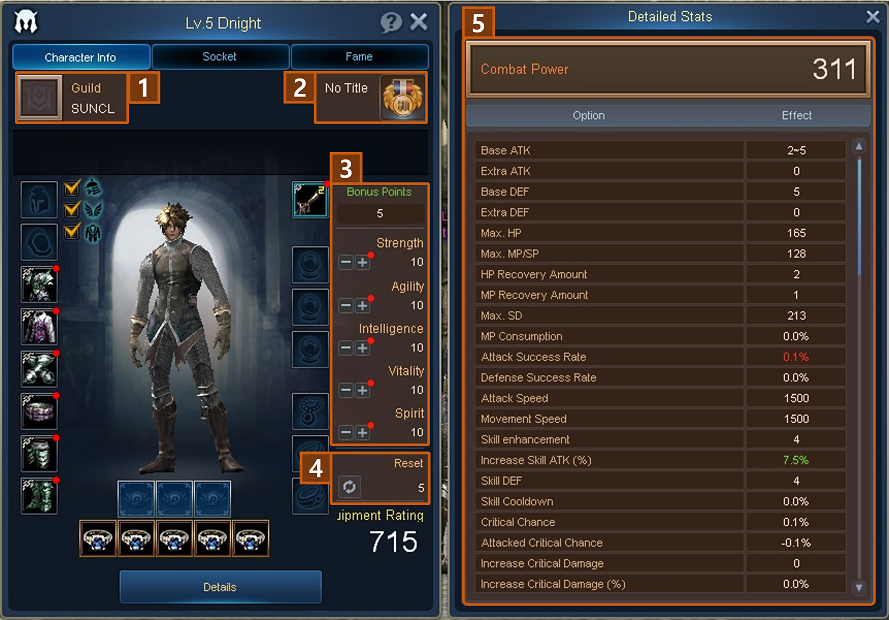
Character stats do not exist in isolation — they interact constantly with equipment, gear, and magical items. Most RPGs allow gear to provide stat bonuses, penalties, or scaling multipliers that sit on top of your base attribute scores.
A pair of Gauntlets of Ogre Power in D&D 5e sets the wearer’s Strength to 19 regardless of their actual STR score. A DEX-scaling weapon in Elden Ring deals dramatically more damage as your Dexterity grows. Gear-based stat changes create an entire second layer of character building on top of attribute allocation.
The interaction between gear and character stats is often where the most interesting build optimization happens. Understanding which stats your equipped items scale with and how to maximize those synergies is what separates casual players from theorycrafters.
Advantages, Disadvantages, and Conditions
Most modern RPG systems include conditional modifiers that temporarily alter character stats. Conditions like Poisoned, Frightened, or Blinded impose disadvantage on specific rolls. Buff spells like Bless or Guidance add dice to rolls without changing the underlying stat.
D&D 5e uses the Advantage/Disadvantage system — rolling two dice and taking the higher (Advantage) or lower (Disadvantage) result. This mechanic elegantly avoids complicated stacking bonuses while still making stat context highly impactful.
In video game RPGs, status effects serve the same purpose — Burn reduces DEF, Slow reduces SPD, Silence prevents spellcasting. These temporary conditions make combat dynamic and force players to think beyond their base character stats.
Building a Character Around Stats: Practical Tips
Start by deciding what you want your character to do in the game world. Are they a frontline fighter who absorbs hits? A stealthy rogue who picks locks and avoids combat? A support healer who keeps the party alive? Your answer determines which character stats to prioritize.
Identify your primary stat and make it your highest score. Then identify one secondary stat that supports your primary role and invest there next. Use Constitution as a baseline investment for almost any build — HP keeps every character type alive longer.
Plan ahead by knowing what stat improvements you will need at higher levels. Some abilities become dramatically more effective at specific stat thresholds. A Paladin’s Divine Smite output scales with Charisma at high levels, so neglecting CHA during leveling creates a power cliff later in the campaign.
Frequently Asked Questions (FAQs)
What are character stats in RPGs?
Character stats are numeric values that define a character’s capabilities — including their strength, intelligence, agility, and social skills — and determine the outcome of nearly every in-game action through dice rolls or hidden calculations.
What are the six core character stats in D&D?
The six core character stats in Dungeons and Dragons are Strength, Dexterity, Constitution, Intelligence, Wisdom, and Charisma — each governing distinct physical, mental, or social aspects of a character’s capability.
How do character stats convert into modifiers?
In D&D 5e, subtract 10 from your stat score and divide by two, rounding down. A score of 14 gives a +2 modifier, while a score of 8 gives a -1 modifier added to relevant dice rolls.
What is the difference between character stats and skills?
Character stats are base attributes representing natural ability, while skills are specific learned capabilities that sit on top of those attributes — Athletics uses Strength, Perception uses Wisdom, and so on.
How do character stats improve when you level up?
In class-based systems like D&D 5e, characters gain ability score improvements at levels 4, 8, 12, 16, and 19, allowing them to raise one stat by 2 or two stats by 1 at each milestone.
What are derived stats in RPG character systems?
Derived stats are values calculated automatically from your primary attributes — Hit Points come from Constitution, Armor Class from Dexterity, and Spell Save DC from your casting attribute plus proficiency bonus.
What is min-maxing in character stat building?
Min-maxing means maximizing your most important stats as high as possible while minimizing others to their lowest viable value, creating a highly specialized character that excels in one role but carries clear weaknesses elsewhere.
How do character stats work in video game RPGs versus tabletop?
Video game RPGs automate all modifier calculations and often use renamed stats like ATK, DEF, MATK, and AGI, while tabletop RPGs require manual tracking and use the standard STR, DEX, CON, INT, WIS, CHA framework.
What is the best way to track character stats?
Digital tools like D&D Beyond automatically track and update all character stats, modifiers, and derived values in real time, while paper character sheets work best for tabletop purists who prefer the tactile experience.
What new character stat systems appeared in 2026 games?
Crimson Desert (2026) introduced an artifact-based skill system where players spend Abyss Artifacts as skill points to upgrade core character stats or unlock new combat abilities, blending exploration-driven progression with traditional stat investment.
Conclusion
Character stats are far more than numbers on a screen or a sheet of paper — they are the mechanical language through which every RPG tells the story of a character’s growth, capability, and identity.
Whether you are tracking STR, DEX, CON, INT, WIS, and CHA across a D&D campaign, allocating Vitality and Agility in a JRPG, or spending Abyss Artifacts to build Kliff’s skill tree in Crimson Desert 2026, the underlying principle is identical: your stats define what you can do and how you grow.
Understanding how primary attributes convert to modifiers, how skills amplify those attributes, how leveling unlocks new capabilities, and how derived stats shape your defensive profile gives you mastery over every RPG system you encounter. The best character builds are built on this foundation of knowledge, not trial and error.
Start tracking your character stats deliberately, invest with purpose at every level-up, and your characters will perform at a level most players never reach.