Discovering the Diverse World of Wild Betta Fish
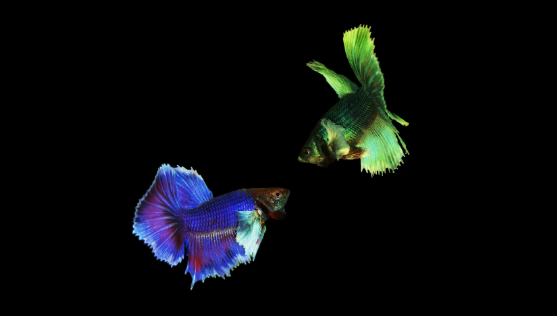
Wild Betta fish exist across freshwater systems in Southeast Asia, where they live in slow-moving streams, marshes, and shallow pools. Their appearance varies across regions, shaped by long periods of adaptation to local water conditions, food sources, and shelter. Exploring the different types of wild Betta fish helps highlight the diversity within the species and the unique traits that have evolved in distinct habitats. Each group carries its own physical traits and behavior patterns that differ from those of the commonly bred aquarium Betta. Their colors, body shapes, and fin structures reflect natural selection rather than selective breeding. Observing these fish in their natural setting gives insight into how freshwater species adjust to environmental pressures over time. Their range of variation draws attention from aquarium keepers and researchers who study aquatic life in changing ecosystems.
Betta Splendens Complex
The Betta Splendens complex contains several wild forms related to the well-known aquarium Betta. These fish live in rice fields, canals, and shallow freshwater habitats. Betta imbellis shows calmer behavior patterns and tends to occupy areas with dense aquatic plants. Its body carries soft metallic shades that shift under different lighting in water. Betta smaragdina displays green-toned scales with reflective qualities that change between blue, green, and gold tones depending on the surroundings. Betta mahachaiensis exists in brackish environments where freshwater meets saltwater influence. Its body shows turquoise and blue coloring that helps it adapt to shifting water conditions. Each of these forms shows variation in behavior, color, and habitat choice within the same broader group.
Betta Coccina Complex
The Betta Coccina complex consists of smaller species that display red and dark-toned body colors. These fish inhabit blackwater environments with high levels of natural tannins from decaying plant matter. Betta coccina shows deep red coloring across its body, which blends with the dim light of peat-rich waters. It moves through submerged roots and leaf litter in slow water systems. Betta burdigala carries strong red shades that reflect its adaptation to acidic water conditions. Its body coloration fits the surrounding environment of forested swamp areas where light penetration remains low. Both species show how water chemistry and habitat type influence body appearance and survival patterns within restricted ecosystems.
Betta Picta Complex
The Betta Picta complex includes species with patterned fins and adaptable traits. Betta picta carries small spots and lines across its fins that serve communication roles during interaction with others of its kind. These markings appear more visible during courtship and territorial behavior. Betta falx shows copper-toned coloring with elongated fin structures that move with water flow. It lives in areas where water levels shift across seasons, requiring steady adjustment in movement and feeding patterns. Both species demonstrate how physical features can align with environmental conditions and social behavior. Their appearance reflects subtle differences shaped by habitat variation across freshwater regions.
Betta Albimarginata Complex
The Betta albimarginata complex features fish with clear fin edge patterns and strong body color contrast. Betta albimarginata shows reddish body tones with pale white edges along its fins. These markings stand out during interaction between individuals and play a role in recognition within the species. Betta channoides displays a similar red body tone with a lighter tail edge. Its body structure supports survival in oxygen-poor water through a specialized breathing organ. This adaptation allows the fish to access air from above the water surface when needed. Both species reflect how body structure and color patterns respond to environmental conditions found in small forest streams and isolated water channels.
Ecological Insights and Conservation
Wild Betta fish live in habitats that face changes from land use, pollution, and water alteration. Their presence reflects the condition of freshwater systems in their regions. Each species depends on stable water quality, vegetation cover, and natural food cycles. Shifts in these factors affect population size and distribution. Their genetic variation holds value for understanding how freshwater species adjust over time to environmental shifts. Conservation of their habitats supports not only the fish populations but also broader aquatic ecosystems that depend on similar conditions. Observing these species in natural environments provides information about ecosystem balance and the effects of human activity on freshwater biodiversity.
Conclusion
Wild Betta fish represent a wide range of forms shaped by local environments across Southeast Asia. Their differences in color, structure, and behavior arise from adaptation to varied water systems such as swamps, streams, and shallow pools. Each complex group shows its own set of traits that connect directly to habitat conditions. The continued presence of these fish depends on the stability of freshwater ecosystems. Changes in land use and water quality influence their survival patterns. Careful attention to habitat protection supports the long-term presence of these species and maintains the natural diversity found within their environments.