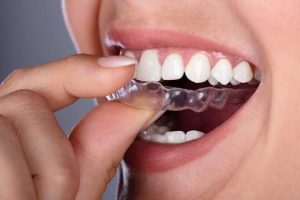
Fitting Clear Aligner Treatment Into A Fourteen Month Engagement
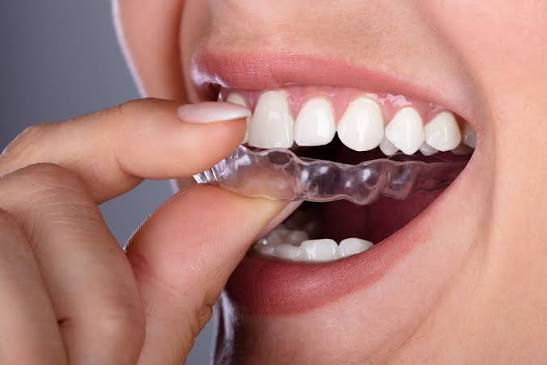
The venue deposit for the second Saturday in October cleared last week, and the photographer is booked. Fourteen months sounds like plenty of runway until the first aligner estimate lands in the inbox with a number attached to it: twenty months of trays. That gap is the whole problem. A wedding date does not move, and the reception hall’s cancellation policy moves even less, so the question stops being whether straighter teeth are worth it and becomes whether the sequence fits between now and the first dance. It fits more often than couples expect, but only when the plan is built backwards from the date by a dentist who has actually scanned the mouth, which is why couples around the Twin Cities start by asking what invisalign eden prairie mn providers can commit to on a calendar. Check the math before you commit to anything.
Count Backwards From The Date, Not Forward
Start at the reception and walk the calendar in reverse. Fourteen months is about 61 weeks, and aligner treatment spends those weeks in fixed increments: a tray change every seven to fourteen days, plus fabrication time, plus whatever refinement trays the final scan calls for. A May 2026 treatment-timeline rundown from ClearSmile NJ pegged most clear aligner cases at six to eighteen months, with milder crowding wrapping up in three to six and complex bites running past twenty-four. That range is wide because mouths are, and the only thing that narrows it to your mouth is a scan.
Run the arithmetic yourself. Say the scan comes back at 34 upper trays changed every 10 days: that is 340 days, or roughly 49 weeks of active movement. Add three weeks between the scan appointment and the day the first tray arrives, then pencil in six weeks for one round of refinements at the end, because plenty of cases need one. The total comes to 58 weeks against the 61 you have, which leaves about three weeks of buffer before an October reception. Three weeks is thin but workable; three weeks with a two-week honeymoon-planning trip dropped in the middle is not.
Where Mail Order Aligner Plans Skip A Step
Mail-order kits sell a similar promise for a fraction of the price, and the appeal is obvious when the wedding budget already sits north of $30,000. What those kits skip is the examination. Moving teeth is a medical procedure, not a cosmetic subscription, and a licensed dentist or orthodontist must examine your mouth and take x-rays before any aligner is worn. Decay under a tray or gum disease that nobody looked for does not pause while your teeth shift; it accelerates, and the bone it takes with it does not grow back.
That is not a scare tactic. A review of direct-to-consumer aligner outcomes published by the National Center for Biotechnology Information recorded periodontal problems including bone loss and gum recession in 26.6% of cases, alongside dental caries and bite problems, with roughly 30% of affected patients needing corrective orthodontic or periodontal treatment afterward and some of the damage irreversible. Corrective treatment takes months you do not have. The case we see most often is a couple who ordered a kit in spring, stalled out by August, and walked into a real consultation needing the whole plan rebuilt from zero with the date nine months away.
There is also the part nobody advertises: an aligner plan is not one decision but forty small ones. Attachments get bonded to specific teeth so the plastic has something to push against. Elastics come in partway through when the bite has to change and not just the tooth positions. A tray that is not seating properly gets caught at a checkup and the sequence gets adjusted before it costs you a month. None of that exists in a box shipped to your door, and the calendar does not negotiate. By the time an unsupervised plan shows it has fallen behind, the fix is measured in the same weeks you were trying to protect.
Daily Wear Time Decides Whether The Timeline Holds
Every timeline you are quoted assumes 20 to 22 hours of wear a day, every day. That assumption is where engagement schedules slip, because the year before a wedding is also the year of the engagement party, three dress fittings, a bachelorette weekend and a lot of long dinners. If you can honestly commit to 22 hours a day, plan on the estimate you were given. If you know you cannot, add a third to it and make the decision with the real number in front of you. Trays left folded in a napkin at a restaurant are the most common reason a fourteen-month plan becomes an eighteen-month one, and your dentist would much rather hear about it in month two than in month eleven.
Book The Scan Before The Venue Deposit
In this scenario the deposit is already paid, so the scan is the item now sitting on the critical path. A digital intraoral scan takes about fifteen minutes, produces a 3D map of every stage of movement, and turns a vague range into a specific tray count with a specific end date you can hold up against your own. Ask an Invisalign Eden Prairie MN provider for that staged plan in writing before you sign anything, and ask what happens to the schedule if a refinement round is needed. If the answer is a shrug and a price range, keep calling. Fourteen months is enough time for most cases, and it stays enough time only if the first two weeks go toward finding out what your case actually is.