Grand Rapids Boil Water Advisory: What You Need to Know
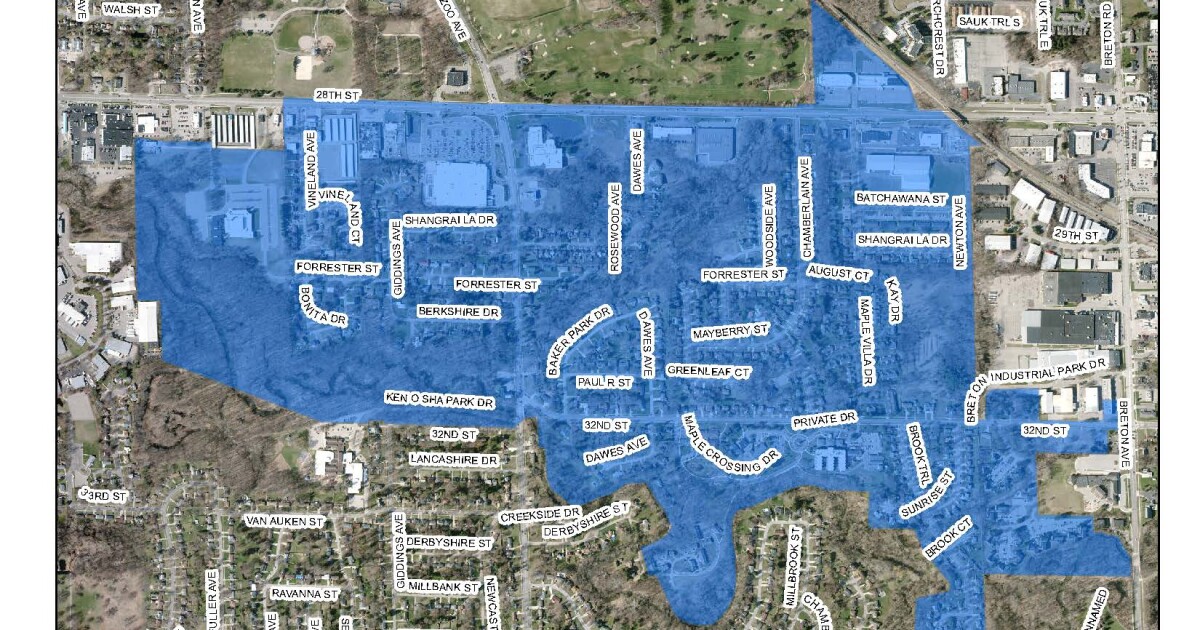
Grand Rapids boil water advisory is a public health notice issued when the water supply in Grand Rapids, Michigan, may be contaminated with bacteria or other harmful microorganisms. Residents are advised to boil their tap water before using it for drinking, cooking, or brushing teeth to eliminate potential health risks.
Boil water advisories in Grand Rapids are usually caused by water main breaks, low water pressure, or contamination concerns. When a water system loses pressure, bacteria may enter the pipes, making the water unsafe. Residents should always stay updated through city announcements to know when the advisory is lifted.
What is a Boil Water Advisory?
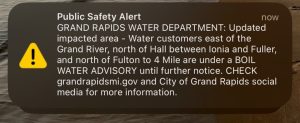
A boil water advisory is a precautionary measure issued by public health officials when drinking water is suspected to be contaminated. It requires residents to boil water for at least one minute before consumption to kill any bacteria or pathogens that may be present.
The advisory may be mandatory or precautionary, depending on the severity of the issue. Mandatory advisories are issued when confirmed contamination is present, while precautionary advisories are issued when there’s a potential risk due to water main breaks or system repairs.
Reasons for a Boil Water Advisory in Grand Rapids
- Water Main Breaks – A water main break in Grand Rapids can cause low water pressure, allowing contaminants to enter the system.
- Planned Maintenance and Repairs – Scheduled repairs or water system maintenance may require temporary water shutoffs, increasing contamination risks.
- Low Water Pressure – A sudden drop in water pressure can lead to bacterial growth and contamination.
- Natural Disasters – Heavy storms or flooding may lead to contamination of the water supply.
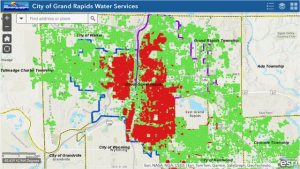
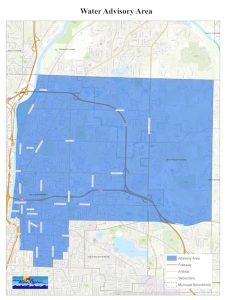
Recent boil water advisories have affected areas such as Cedar Springs, Grand Haven, and neighborhoods throughout Grand Rapids. Residents should check the Grand Rapids boil water advisory map for updates.
Health Risks Associated with Contaminated Water
Drinking contaminated water can pose serious health risks. Some of the most common illnesses associated with contaminated water include:
- Gastrointestinal Issues – Bacteria such as E. coli can cause diarrhea, nausea, and vomiting.
- Infections – People with weakened immune systems, children, and the elderly are more susceptible to infections from contaminated water.
- Dehydration – Prolonged exposure to contaminated water can lead to dehydration, which can be dangerous, especially for vulnerable individuals.
How to Properly Boil Water for Safety
To make sure water is safe for consumption during a boil water advisory in Grand Rapids, follow these steps:
- Fill a pot with tap water.
- Bring it to a rolling boil for at least one full minute.
- Let the water cool before using it for drinking, cooking, or brushing your teeth.
- Store boiled water in a clean, covered container.
Alternative Water Sources During an Advisory
During a Grand Rapids boil water advisory, residents may need alternative water sources for drinking and cooking. Here are some safe options:
- Bottled Water – Always a safe and reliable choice.
- Filtered Water – Use a high-quality filter that removes bacteria.
- Boiled Water – A cost-effective alternative to bottled water.
- Municipal Water Distribution – During extended advisories, the city may provide free bottled water to residents.
Impact on Residents and Businesses
A boil water advisory significantly affects residents and businesses in Grand Rapids. Homeowners must boil water for everyday tasks, while businesses such as restaurants and coffee shops may need to close temporarily or use alternative water sources.
Businesses affected by advisories must follow strict sanitation procedures to prevent health risks. The City of Grand Rapids works closely with the Michigan Department of Health to ensure that businesses comply with health regulations.
Steps Taken by Authorities to Ensure Safe Water
The City of Grand Rapids Water Department takes multiple steps to restore safe drinking water:
- Immediate Investigation – Officials quickly identify the cause of contamination.
- System Flushing – The water system is flushed to remove contaminants.
- Water Testing – Samples are tested for bacteria such as E. coli.
- Public Notification – Residents are informed through news alerts and city websites.
- Lifting the Advisory – The advisory is removed once test results confirm the water is safe.
How to Stay Informed About Water Advisories
Staying informed about a Grand Rapids boil water advisory is crucial. Residents can get updates through:
- City of Grand Rapids Website – Official announcements are posted online.
- Local News Stations – News outlets provide timely updates.
- Social Media – The city posts alerts on Twitter and Facebook.
- Emergency Alert Systems – Residents can sign up for text or email notifications.
Frequently Asked Questions About Grand Rapids Boil Water Advisory
What caused the Grand Rapids boil water advisory?
A water main break or low water pressure can lead to potential bacterial contamination, prompting the city to issue an advisory.
How long does a boil water advisory last?
It depends on the severity of the issue. Some advisories last a few hours, while others can extend for several days until water tests confirm safety.
Is it safe to bathe during a boil water advisory?
Yes, but avoid swallowing water. Residents should use boiled or bottled water for brushing teeth.
Can I use my dishwasher during a boil water advisory?
Only if your dishwasher has a high-temperature setting of at least 160°F. Otherwise, wash dishes by hand using boiled or bottled water.
Where can I find a boil water advisory map?
The Grand Rapids boil water advisory map is available on the city’s official website and news channels.
How do I know when the advisory is lifted?
The City of Grand Rapids will send out official notifications via news reports, city websites, and emergency alerts.
Can I filter my tap water instead of boiling it?
Most home filters do not remove bacteria. Boiling is the best method to ensure safe drinking water.
Conclusion on Grand Rapids Boil Water Advisory
A boil water advisory in Grand Rapids, Michigan, is a serious public health measure that ensures the safety of residents during potential water contamination. Understanding the causes, risks, and proper precautions can help residents stay safe.
The City of Grand Rapids works diligently to restore water quality and inform the public about updates and advisories. Always follow official guidelines and boil your water as recommended to protect your health and well-being.