How Many Oz in a Cup: A Complete Guide to Mastering Measurement Conversions in 2025

How many oz in a cup is a key question for anyone tackling recipes or precise measurements in cooking, baking, or other tasks. In the US customary system, 1 cup equals how many oz is straightforward: one standard US cup equals 8 fluid ounces.
This ounces to cups conversion is vital for home cooks, professional chefs, and anyone handling fluid ounces in a cup for accurate results.
Understanding Cups and Ounces
A cup is a standard unit of volume in the US, widely used in recipes for liquids like water, milk, or oil, and dry ingredients like flour or sugar. An ounce, specifically a fluid ounce for liquids, measures volume, while a dry ounce measures weight.

For how many ounces make a cup, the focus is on fluid ounces: one US cup holds 8 fluid ounces. This cup vs ounce volume distinction is crucial for cooking measurements cups and ounces, preventing errors in recipes where precision matters.
Ounces to Cups Conversion Formula
The cup to ounce converter formula is simple:
Number of ounces = Number of cups × 8.
For example, 2 cups = 2 × 8 = 16 fluid ounces. To convert cups to ounces, multiply the cups by 8. To convert ounces to cups, divide by 8.
For instance, 8 oz in how many cups equals 8 ÷ 8 = 1 cup. This measurement conversion cups to oz method ensures accuracy in any baking measurements cup to oz scenario, from small batches to large-scale preparations.
Cup to Oz Chart
A cup to oz chart provides a quick reference for conversions:
|
Cups |
Fluid Ounces |
Milliliters |
|---|---|---|
| 0.125 | 1 | 29.57 |
| 0.25 | 2 | 59.15 |
| 0.5 | 4 | 118.29 |
| 1 | 8 | 236.59 |
| 2 | 16 | 473.18 |
| 3 | 24 | 709.76 |
| 4 | 32 | 946.35 |
This chart simplifies how many oz per cup for cooking measurements cups and ounces, ensuring quick calculations in busy kitchens.
US Cup vs. Metric and Imperial Cups
The US cup to oz standard is 8 fluid ounces (236.59 ml), but other systems differ. The metric cup, used in Australia, is 250 ml, or roughly 8.45 US fluid ounces. The Imperial cup, used in older UK recipes, is 10 Imperial fluid ounces (284 ml), or about 9.6 US fluid ounces.
These differences matter for international recipes, making fluid ounces in a cup conversions critical to avoid mistakes in measurement conversion cups to oz.
Cup vs. Ounce Volume in Practical Use
Cup vs ounce volume impacts daily tasks. A standard US cup (8 oz) is perfect for measuring liquids like broth or dry ingredients like rice. Fluid ounces are used for smaller volumes, like vanilla extract or lemon juice.
For example, a recipe calling for 16 oz of milk equals 2 cups, as how many ounces make a cup is 8. Visualizing oz per cup cooking guide helps: a cup is about the size of a small coffee mug, while 8 ounces fills a standard measuring cup. This clarity aids baking measurements cup to oz for precise results.
Cooking Measurements with Cups and Ounces
Cooking measurements cups and ounces are essential in the kitchen. Recipes often list ingredients in cups for ease, but liquid ingredients like oil or cream may require ounce conversions. For instance, a sauce recipe needing 2 cups of broth equals 16 fluid ounces.
Misjudging how many oz in a cup can ruin dishes, like making a soup too watery. The oz per cup cooking guide ensures consistency, especially for baking measurements cup to oz, where exact ratios are critical for cakes or breads.
Applications Beyond the Kitchen
Fluid ounces in a cup extend beyond cooking:
-
Bartending: Cocktails often require precise ounce measurements, with 1 cup equaling 8 oz for batch recipes.
-
Nutrition: Tracking liquid intake, like water (8 oz per cup), aids hydration goals.
-
Science Labs: Experiments use measurement conversion cups to oz for liquid reagents.
-
Crafting: Paint or resin mixing relies on convert cups to ounces for accurate proportions.
These uses highlight the versatility of how many oz per cup across fields.
Practical Examples of Ounces to Cups Conversion
Master convert cups to ounces with these scenarios:
-
Smoothie Recipe: A recipe calls for 3 cups of juice. That’s 3 × 8 = 24 fluid ounces, enough for 3 servings.
-
Baking: A cake needs 1.5 cups of milk, or 1.5 × 8 = 12 ounces, ensuring proper batter consistency.
-
Cocktail Batch: Mixing 32 oz of margarita mix equals 32 ÷ 8 = 4 cups, perfect for a party.
These examples show how 8 oz in how many cups (1 cup) applies practically, streamlining baking measurements cup to oz.
Historical Context of Cups and Ounces
The US cup, standardized at 8 fluid ounces, evolved from early American measuring practices, formalized in the 19th century. The fluid ounce, derived from the British system, measures volume, with 1 US fluid ounce equaling 29.57 ml.
The cup to ounce converter became a kitchen staple as recipes standardized, replacing vague terms like “teacup” or “glass.” This history underscores why how many oz in a cup is a reliable standard for cooking measurements cups and ounces today.
Tips for Accurate Cup to Ounce Conversion
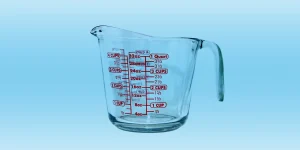
To nail measurement conversion cups to oz:
-
Use Standard Tools: Liquid measuring cups with ounce markings ensure precision for fluid ounces in a cup.
-
Check Units: Confirm if a recipe uses US cups, not metric or Imperial, for correct US cup to oz conversions.
-
Level Dry Ingredients: For dry cups (e.g., flour), level off to match the 8 oz liquid standard when applicable.
-
Practice Conversions: Use the ounces to cups conversion formula (cups × 8) regularly to build confidence.
-
Label Jugs: Mark containers with ounce and cup lines for quick oz per cup cooking guide reference.
These tips enhance accuracy in baking measurements cup to oz and beyond.
Metric Comparisons for Cups and Ounces
For global use, cup vs ounce volume in metric terms helps:
-
1 US Cup: 8 fluid ounces or 236.59 milliliters.
-
1 Fluid Ounce: 29.57 milliliters.
To convert cups to ounces in metric, multiply cups by 236.59 for milliliters, or divide ounces by 29.57. This bridges ounces to cups conversion with metric systems, vital for international recipes or scientific tasks requiring fluid ounces in a cup.
Common Mistakes in Cup to Ounce Conversion
Avoid these errors in convert cups to ounces:
-
Mixing Dry and Fluid Ounces: Dry ounces measure weight, not volume, unlike fluid ounces in a cup.
-
Ignoring System Differences: Using a metric cup (250 ml) instead of a US cup (236.59 ml) skews US cup to oz.
-
Rounding Errors: Rounding 8 oz to 10 oz in baking disrupts baking measurements cup to oz ratios.
-
Misreading Recipes: Assuming a “cup” is always 8 oz without checking units affects cooking measurements cups and ounces.
Correcting these ensures reliable measurement conversion cups to oz.
Advanced Applications in Professional Settings
How many oz in a cup is crucial in professional fields:
-
Culinary Arts: Chefs scale recipes using cup to oz chart, like converting 10 cups of stock to 80 oz.
-
Beverage Industry: Coffee shops measure syrups in ounces, with 1 cup equaling 8 oz for consistency.
-
Pharmacy: Liquid medications use fluid ounces in a cup for precise dosing.
-
Cosmetics: Cream or lotion formulations rely on convert cups to ounces for batch production.
These applications show the importance of oz per cup cooking guide in precision-driven industries.
Teaching Kids About Cups and Ounces
Make how many oz in a cup engaging for kids:
-
Visual Demos: Pour 8 ounces of water into a cup to show 1 cup equals how many oz.
-
Fun Activities: Have kids measure juice in cups and ounces for a lemonade stand, teaching cup vs ounce volume.
-
Songs: Use rhymes like “Eight ounces in a cup, fill it up!” to reinforce fluid ounces in a cup.
-
Simple Recipes: Baking cookies with cup measurements introduces baking measurements cup to oz.
These methods make measurement conversion cups to oz fun and educational.

How Many Oz in a Cup Fun Facts
-
Colonial Origins: Early US cooks used teacups, leading to the standardized 8 oz cup for cooking measurements cups and ounces.
-
Coffee Culture: A “cup” of coffee is often 6 oz, not 8, confusing how many oz per cup in brewing.
-
Global Variance: A Japanese cup is 200 ml, smaller than the US cup to oz chart standard.
-
Baking Precision: One cup of flour weighs about 4.5 oz, unlike 8 fluid oz, highlighting cup vs ounce volume.
-
Cocktail Trivia: Bartenders use 1 oz shots, with 8 shots equaling 1 cup, tying to convert cups to ounces.
-
Historical Shift: The US fluid ounce was set at 29.57 ml in 1824, refining fluid ounces in a cup.
-
Everyday Use: A standard soda can is 12 oz, or 1.5 cups, showing 8 oz in how many cups (1.5).
These how many oz in a cup fun facts add depth to this essential conversion.
FAQs About How Many Oz in a Cup
How many oz are in a cup?
How many oz in a cup is 8 fluid ounces in the US customary system.
What is the ounces to cups conversion formula?
The cup to ounce converter formula is: Number of ounces = Cups × 8.
How do you convert cups to ounces?
To convert cups to ounces, multiply cups by 8 (e.g., 2 cups = 16 oz).
How many cups are in 8 oz?
8 oz in how many cups equals 8 ÷ 8 = 1 cup.
What’s the difference between a cup and an ounce in volume?
Cup vs ounce volume: A cup is 8 fluid ounces, while an ounce is a smaller volume unit (29.57 ml).
Why are cooking measurements in cups and ounces important?
Cooking measurements cups and ounces ensure precise ingredient ratios for consistent dishes.
How does a US cup compare to a metric cup?
A US cup to oz is 8 oz (236.59 ml), while a metric cup is 250 ml, or about 8.45 oz.
Conclusion of How Many Oz in a Cup
How many oz in a cup—8 fluid ounces—is a cornerstone of measurement conversion cups to oz in the US. From cooking measurements cups and ounces to professional applications, mastering ounces to cups conversion ensures accuracy.
Whether baking, bartending, or teaching kids, the cup to ounce converter (cups × 8) simplifies tasks. With tools like the cup to oz chart and clarity on cup vs ounce volume, you can handle fluid ounces in a cup confidently. Embrace how many oz per cup to excel in measurements in 2025.