Why Am I Suddenly Lactose Intolerant Without Warning? 2026

Why am I suddenly lactose intolerant? If you’ve been enjoying dairy your whole life and now feel bloated, gassy, or crampy after a glass of milk, you’re not alone.
Millions of adults develop lactose intolerance seemingly out of nowhere.
The truth is, it rarely happens without a reason. Your body undergoes changes with age, illness, or gut health shifts that can reduce lactase enzyme production.
What Is Lactose Intolerance?

Lactose intolerance is a digestive condition where your body cannot properly break down lactose, the natural sugar found in milk and dairy products.
It happens when your small intestine doesn’t produce enough lactase, the enzyme responsible for digesting lactose.
Without enough lactase, undigested lactose travels to the colon, where gut bacteria ferment it, producing gas, bloating, cramps, and diarrhea.
How the Lactase Enzyme Works
Lactase sits on the lining of your small intestine and breaks lactose down into two simpler sugars: glucose and galactose.
These smaller sugars are then absorbed into the bloodstream easily.
When lactase levels drop, this process breaks down and symptoms follow within 30 minutes to 2 hours after eating dairy.
Why Am I Suddenly Lactose Intolerant? The Main Reasons
There is no single reason. Several biological and lifestyle factors can trigger sudden lactose intolerance in adults.
Understanding the exact cause helps you figure out whether it’s permanent or temporary.
Below are the most common reasons adults suddenly become lactose intolerant.
Primary Lactose Intolerance: The Age Factor
This is the most common type. As you age, your body naturally produces less lactase.
Most people are born with high lactase levels to digest breast milk. But after weaning, lactase production begins a slow, steady decline.
For many people, this decline goes unnoticed for decades, then one day, the threshold is crossed and symptoms appear seemingly out of nowhere.
| Age Group | Lactase Activity Level |
|---|---|
| Infants | Very High |
| Children (3–5 yrs) | Begins to decline |
| Teenagers | Moderate |
| Adults 30+ | Often Low |
| Adults 50+ | Commonly Very Low |
Secondary Lactose Intolerance: Caused by Illness or Injury
This type can develop suddenly and is triggered by damage to the small intestine.
Conditions that can cause secondary lactose intolerance include:
- Celiac disease – gluten damages the small intestine lining
- Crohn’s disease – chronic inflammation reduces lactase-producing cells
- Gut infections – stomach bugs like rotavirus or Giardia can temporarily wipe out lactase
- Surgery – bowel resection or small intestine surgery
- Radiation therapy – cancer treatments targeting the abdominal area
- Bacterial overgrowth (SIBO) – disrupts normal gut enzyme function
The good news: secondary lactose intolerance is often temporary. Once the underlying cause is treated, lactase levels may recover.
Gut Infections and Sudden Lactose Intolerance
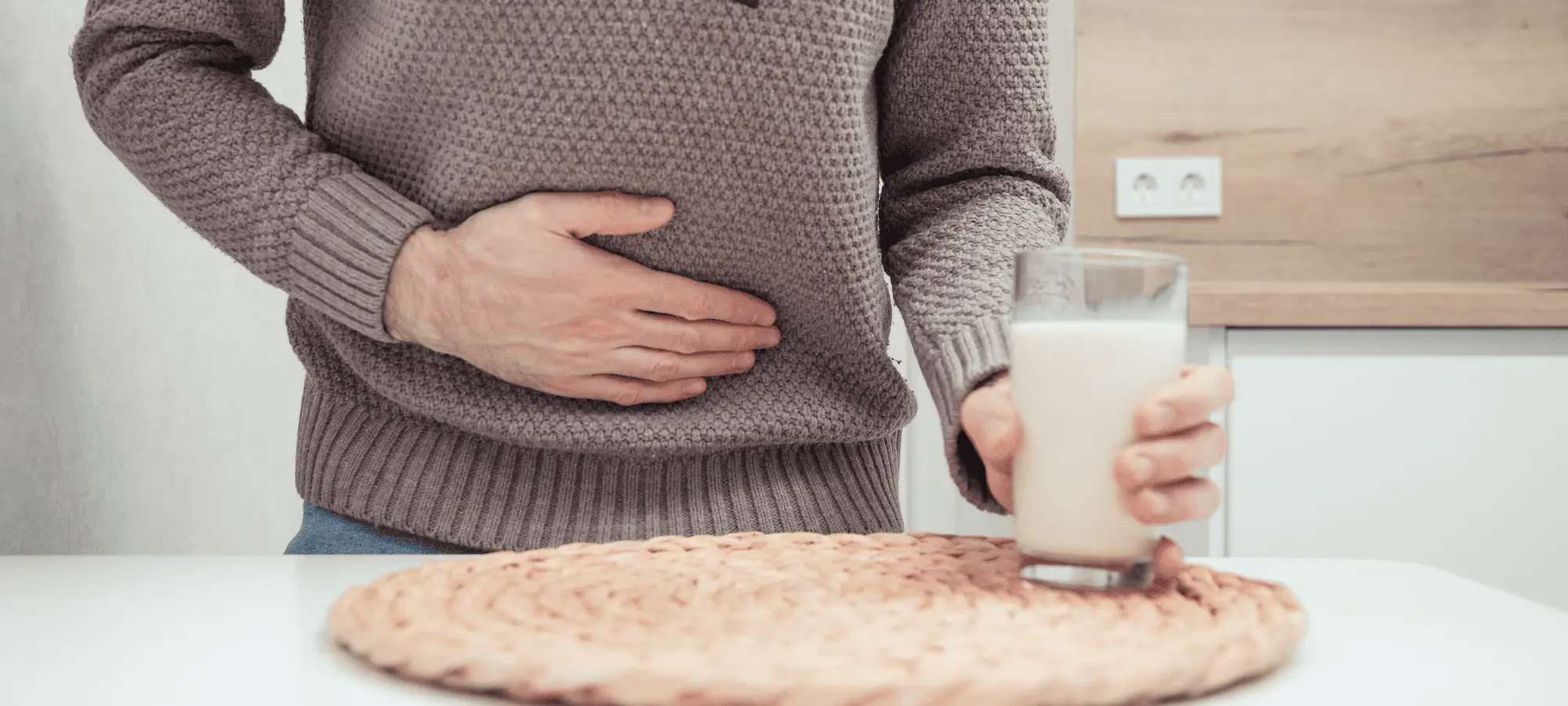
One of the most overlooked causes is a recent gut infection.
A stomach bug, viral gastroenteritis, or bacterial infection can temporarily damage the villi (tiny hair-like structures) lining the small intestine.
These villi are where lactase is produced. When they’re damaged, lactase production drops fast.
Most people regain full lactase function within a few weeks to months after recovery.
Antibiotic Use and Gut Microbiome Disruption
Antibiotics kill harmful bacteria, but they also disrupt the healthy gut microbiome.
Your gut bacteria play a significant role in digestion, including how your body handles lactose.
After a course of antibiotics, some people notice new dairy sensitivity for weeks or months until their gut microbiome is restored.
IBS and Functional Gut Disorders
Irritable bowel syndrome (IBS) can mimic lactose intolerance or worsen existing intolerance.
People with IBS often have a hypersensitive gut that reacts more strongly to gas produced from lactose fermentation.
It’s also possible to have both IBS and lactose intolerance at the same time, which can make symptoms more severe.
Pregnancy and Hormonal Changes
Some pregnant women notice new dairy sensitivities, especially in the first or second trimester.
Hormonal fluctuations can alter gut motility (how fast food moves through your digestive tract) and enzyme activity.
Interestingly, some women also report that lactose tolerance improves during pregnancy due to hormonal effects — it varies from person to person.
Ethnicity and Genetic Predisposition
Genetics play a big role in lactase persistence (the ability to digest lactose into adulthood).
Lactase persistence is more common in people of Northern European descent. However, it is significantly less common in people of Asian, African, Hispanic, and Native American ancestry.
| Ethnicity | Estimated Lactose Intolerance Rate |
|---|---|
| East Asian | 70–100% |
| African American | ~75–85% |
| Hispanic/Latino | ~50–60% |
| South Asian | ~60–70% |
| Northern European | ~5–15% |
If you have ancestry from a high-prevalence group, you may be genetically programmed to lose lactase over time.
Congenital Lactose Intolerance: Rare but Real
This is a rare genetic form where a baby is born with little or no lactase production.
Both parents must carry the same gene variant for it to occur.
Infants with this condition show symptoms immediately when fed breast milk or formula.
Lactase Nonpersistence vs Lactase Deficiency
These two terms are often confused but they’re different:
Lactase nonpersistence refers to the normal biological process where lactase production decreases after infancy. This is actually the default for most humans globally.
Lactase deficiency is when lactase drops to a level that causes noticeable symptoms. Not everyone with nonpersistence will have clinical intolerance.
The line between the two depends on how much dairy you eat and how sensitive your gut is.
Hidden Causes That Most People Miss
Some less obvious triggers can worsen or mimic lactose intolerance:
- FODMAPs sensitivity – lactose is a FODMAP, and some people react to a broader range of fermentable sugars
- Hidden lactose in medications – many prescription and over-the-counter pills use lactose as a filler
- Processed food additives – whey, milk solids, and curds in unexpected products like bread, soups, and sauces
- Stress – chronic stress can alter gut function and enzyme secretion
Symptoms of Sudden Lactose Intolerance
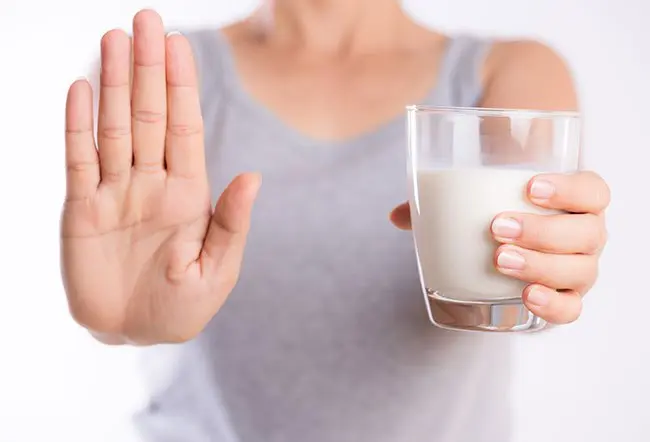
Symptoms typically appear within 30 minutes to 2 hours after consuming dairy.
| Symptom | Description |
|---|---|
| Bloating | Feeling full or swollen in the abdomen |
| Gas/Flatulence | Excess gas production from fermentation |
| Stomach cramps | Cramping or sharp pain in the lower belly |
| Diarrhea | Loose or watery stools |
| Nausea | Feeling sick, sometimes with vomiting |
| Urgency | Sudden need to use the bathroom |
Severity depends on how much lactose you consumed and how much lactase you still produce.
How Lactose Intolerance Is Diagnosed
If you suspect you’ve become lactose intolerant, a doctor can confirm it through several methods.
Hydrogen Breath Test – the most common test. You drink a lactose solution and breathe into a device. High hydrogen levels indicate undigested lactose being fermented in the colon.
Lactose Tolerance Blood Test – measures blood glucose levels after you consume a lactose drink. If glucose doesn’t rise, lactose isn’t being digested.
Stool Acidity Test – mainly used in infants. Undigested lactose creates acid in stool.
Elimination Diet – removing all dairy for 2 weeks and monitoring symptom changes is a practical first step many doctors recommend.
Foods High in Lactose to Avoid
Knowing which foods trigger symptoms is the first step to managing them.
| High Lactose (Avoid or Limit) | Low Lactose (Usually Tolerated) |
|---|---|
| Regular cow’s milk | Hard cheeses (cheddar, parmesan) |
| Soft ice cream | Aged cheeses |
| Cream cheese | Butter (small amounts) |
| Ricotta cheese | Greek yogurt |
| Whipped cream | Lactose-free milk |
| Condensed milk | Plant-based milks |
Management and Treatment Options
There is no cure for primary lactose intolerance, but it is very manageable.
Here are the most effective strategies:
Lactase Enzyme Supplements (e.g., Lactaid) Take a lactase tablet right before eating dairy. The enzyme does the digestion work your body can’t. Dosage varies — more dairy means more tablets needed.
Lactose-Free Products Lactose-free milk has the same nutritional profile as regular milk. The lactose is pre-broken down using added lactase enzyme.
Gradual Dairy Reintroduction Many people can tolerate small amounts of dairy, especially when eaten with other foods. Start small — a tablespoon of hard cheese is easier than a glass of milk.
Probiotics Certain probiotic strains can improve lactose digestion by contributing beta-galactosidase enzymatic activity in the colon. Look for strains like Lactobacillus acidophilus and Bifidobacterium longum.
Plant-Based Dairy Alternatives
- Oat milk
- Almond milk
- Soy milk (closest to cow’s milk in protein)
- Coconut milk
- Rice milk
Protecting Your Calcium Intake
Cutting dairy raises the risk of calcium deficiency, which can lead to weakened bones over time.
Adults need approximately 1,000–1,200 mg of calcium per day.
Non-dairy calcium sources include:
- Fortified plant milks (oat, soy, almond)
- Leafy greens (kale, bok choy, broccoli)
- Sardines and canned salmon with bones
- Tofu made with calcium sulfate
- Fortified orange juice
- Calcium supplements (if needed)
Can Lactose Intolerance Be Reversed?
Primary lactose intolerance caused by age or genetics cannot be reversed. Lactase production doesn’t come back on its own.
Secondary lactose intolerance, triggered by illness, infection, or gut damage, can improve once the underlying issue is resolved.
Some people also find that regularly consuming small amounts of dairy helps their gut bacteria adapt over time, improving tolerance.
When to See a Doctor
You should consult a doctor if:
- Symptoms are severe or worsening
- You’ve lost significant weight unexpectedly
- You notice blood in your stool
- Symptoms don’t improve after removing dairy
- You suspect an underlying condition like Celiac disease or Crohn’s
These signs could indicate something beyond lactose intolerance.
Lactose Intolerance vs Milk Allergy: Key Differences
Many people confuse the two, but they are completely different conditions.
| Feature | Lactose Intolerance | Milk Allergy |
|---|---|---|
| Cause | Enzyme deficiency | Immune reaction to milk proteins |
| System affected | Digestive | Immune system |
| Symptoms | Gas, bloating, diarrhea | Hives, wheezing, anaphylaxis |
| Onset | 30 min – 2 hours | Minutes to 2 hours |
| Life-threatening? | No | Can be (anaphylaxis) |
| Treatment | Dietary changes, lactase | Strict avoidance, epinephrine |
Living Well With Lactose Intolerance
Most people with lactose intolerance lead completely normal, healthy lives with a few adjustments.
Read food labels carefully — lactose hides under names like “whey,” “milk solids,” “curds,” and “milk by-products.”
Plan ahead when eating out — ask about dairy in sauces, soups, and marinades.
Keep lactase supplements on hand for unexpected dairy exposure.
Work with a registered dietitian if you’re unsure how to meet your nutritional needs without dairy.
Frequently Asked Questions (FAQs)
Can you suddenly become lactose intolerant as an adult?
Yes, absolutely. Lactase production naturally declines with age, and illness or gut damage can trigger sudden onset. Many adults develop it in their 30s, 40s, or later.
Is sudden lactose intolerance permanent?
Not always. If it was caused by a gut infection, illness, or medication, it may resolve on its own once the underlying cause is treated.
Can stress cause lactose intolerance?
Stress doesn’t cause lactose intolerance, but it can worsen gut sensitivity and make existing symptoms feel more severe.
What does lactose intolerance feel like suddenly?
You’ll typically feel bloating, stomach cramps, gas, and diarrhea within 30 minutes to 2 hours after consuming dairy products.
Can I still eat cheese if I’m lactose intolerant?
Often yes. Hard aged cheeses like cheddar, parmesan, and Swiss contain very little lactose and are usually tolerated well.
Does lactose intolerance get worse with age?
For primary lactose intolerance, yes. Lactase production continues to decline, so tolerance may decrease as you get older.
Can probiotics help lactose intolerance?
Some evidence suggests specific probiotic strains can help improve lactose digestion by producing digestive enzymes in the gut.
How do I know if it’s lactose intolerance or IBS?
Both cause similar symptoms after dairy. A hydrogen breath test can confirm lactose intolerance. IBS often involves broader food triggers beyond dairy alone.
Can you develop lactose intolerance after COVID-19?
Yes. Post-COVID gut changes, including gut inflammation and microbiome disruption, have been reported to trigger temporary lactose intolerance in some people.
Is lactose-free milk healthy?
Yes. Lactose-free milk has the same nutritional value as regular milk, including calcium, protein, and vitamin D. The only difference is pre-digested lactose.
Conclusion
Why am I suddenly lactose intolerant? The answer usually points to one of several biological shifts: natural age-related decline in lactase production, gut damage from illness or infection, medication side effects, or an underlying digestive condition.
While primary lactose intolerance has no cure, it is entirely manageable with the right dietary strategies, lactase supplements, and calcium-rich alternatives.
Secondary lactose intolerance may actually resolve once the root cause is addressed.
You don’t have to give up all dairy overnight. Start small, track your symptoms, work with a healthcare provider, and explore the many lactose-free and dairy-alternative options available today.
With the right approach, living comfortably and healthily without dairy discomfort is very much possible.