Why Does My Tongue Hurt? Should You Worry? 2026

Why does my tongue hurt is a question millions of people search every year, and for good reason. Your tongue is one of the hardest-working muscles in your body — it helps you eat, speak, taste, and swallow every single day.
When it starts to ache, burn, or develop sores, even simple tasks like drinking water become uncomfortable. Most tongue pain is harmless and heals on its own within a week or two. But some causes need medical attention.
What Does a Healthy Tongue Look Like?
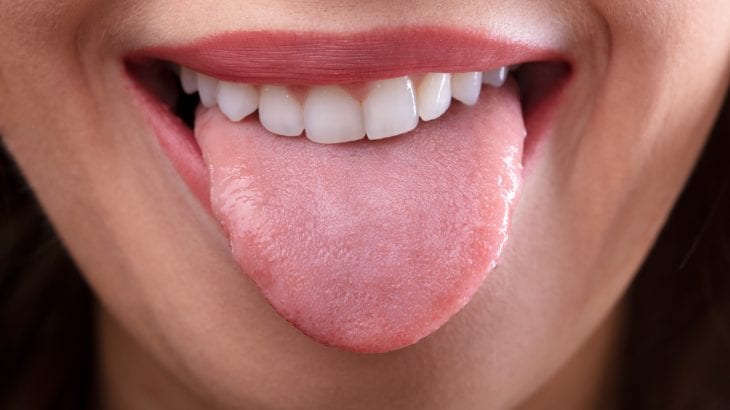
A healthy tongue is pinkish-red on top, covered with tiny bumps called papillae. The underside is smooth with a slightly bluish tint from visible veins.
Any tongue that looks white, yellow, red, or black — or feels sore, swollen, or burning without an obvious reason — is worth paying attention to.
A normal tongue should never ache for more than one to two weeks. If it does, something is triggering the pain that needs to be identified.
Where Does Your Tongue Hurt? Location Matters
The location of tongue pain is one of the best clues to finding the cause. Different areas have different triggers.
| Location | Most Likely Cause |
|---|---|
| Tip of the tongue | Biting, burns, canker sores |
| Side of the tongue | Dental appliances, trauma, oral cancer risk |
| Back of the tongue | Infection, tonsil issues, glossopharyngeal neuralgia |
| Underside of the tongue | Canker sores, cysts, salivary gland issues |
| Whole tongue | Burning mouth syndrome, vitamin deficiency, glossitis |
Understanding location helps you narrow down the cause quickly before deciding whether to treat at home or visit a doctor.
Top Causes: Why Does My Tongue Hurt?
1. Accidental Biting and Physical Trauma
The most common reason your tongue hurts is also the simplest — you bit it. This happens while chewing, talking, or even during sleep. The resulting wound swells, stings, and takes three to seven days to heal.
Sharp teeth, chipped fillings, or ill-fitting braces and dentures can also scrape the tongue repeatedly. This constant friction prevents healing and keeps the pain going longer than a single bite would.
Minor trauma almost always heals without treatment. Rinsing with warm salt water speeds up recovery.
2. Canker Sores (Aphthous Ulcers)
Canker sores are small, round ulcers that appear inside the mouth, including on the tongue. They look white or yellowish with a red border and cause a stinging, burning sensation.
Common triggers include stress, hormonal changes, acidic foods, minor injuries, and certain vitamin deficiencies. They are not contagious and usually disappear on their own within seven to ten days.
Frequent or unusually large canker sores may need a dentist’s evaluation, especially if they keep coming back.
3. Burns from Hot Food and Drinks
Drinking very hot coffee, tea, or soup can scald the delicate tissue on the tongue. A burn causes immediate pain followed by soreness that lasts several days.
Spicy foods can also cause a similar irritation, even without heat. The tongue’s tissue is thin and sensitive, so it does not take much to trigger soreness.
Eating cool, soft foods and avoiding further irritants gives the tongue time to heal.
4. Canker Sores vs Cold Sores — Know the Difference
Many people confuse canker sores and cold sores. They feel similar but have completely different causes.
| Feature | Canker Sore | Cold Sore |
|---|---|---|
| Location | Inside the mouth | Outside the mouth/lips |
| Cause | Stress, diet, injury | Herpes simplex virus |
| Contagious | No | Yes |
| Healing time | 7–10 days | 7–14 days |
Cold sores caused by the herpes simplex virus can occasionally appear on the tongue. Hand-foot-mouth disease, more common in children, can also produce painful ulcers on the tongue.
5. Oral Thrush (Fungal Infection)
Oral thrush is a yeast infection caused by an overgrowth of Candida fungus in the mouth. It creates white, creamy patches on the tongue surface that can be wiped away, leaving raw, sore tissue underneath.
People with weakened immune systems, those taking antibiotics, and denture wearers are most at risk. Antifungal medications prescribed by a doctor clear the infection effectively.
Leaving oral thrush untreated can cause it to spread further into the throat or digestive system.
6. Burning Mouth Syndrome
Burning mouth syndrome (BMS) causes a constant burning or scalding feeling in the tongue and mouth with no visible cause. It feels like you have burned your tongue on hot coffee, but there is no injury.
It is more common in middle-aged and older women, especially after menopause. Possible triggers include hormonal changes, dry mouth, low vitamin B12 or iron, nerve damage, and anxiety.
Treatment focuses on addressing the underlying trigger, managing symptoms with prescription mouth rinses, and reducing stress.
7. Vitamin and Mineral Deficiencies
Low levels of certain nutrients are a very common and often overlooked cause of a sore tongue. Deficiencies in vitamins B12, B2, B3, folate, iron, and zinc can all trigger tongue inflammation, also known as glossitis.
A tongue affected by nutritional deficiency often looks swollen, smooth, and very red — almost like a raw steak. It may also feel tender and burn during eating.
Blood tests can quickly confirm a deficiency. Correcting it with supplements or diet changes usually resolves tongue pain within a few weeks.
| Nutrient | Effect on Tongue |
|---|---|
| Vitamin B12 | Smooth, red, swollen tongue |
| Iron | Pale, sore, inflamed tongue |
| Folate | Glossitis, mouth sores |
| Zinc | Slow healing, taste changes |
8. Geographic Tongue (Benign Migratory Glossitis)
Geographic tongue is a harmless condition where smooth, reddish patches with white or yellow borders appear on the tongue. These patches shift position over time, giving the tongue a map-like appearance.
The exact cause is not known, but stress, certain foods, and hormonal changes seem to trigger flare-ups. Many people have no pain at all, but some experience a burning or stinging sensation, especially with acidic or spicy foods.
There is no cure, but avoiding triggers and using over-the-counter pain relief during flare-ups keeps symptoms manageable.
9. Dental Problems and Oral Hygiene Issues
Poor oral hygiene allows bacteria to build up on the tongue’s surface, causing soreness and color changes. A tongue that turns white, yellow, or even black is often linked to bacterial or fungal overgrowth from poor cleaning habits.
Ill-fitting dentures, braces, retainers, or rough dental work can repeatedly rub against the tongue. This friction causes persistent sores that will not heal until the irritant is fixed.
Regular brushing, flossing, tongue scraping, and dental checkups prevent most hygiene-related tongue problems.
10. Smoking and Tobacco Use
Smoking irritates the entire oral cavity, including the tongue. Long-term tobacco use causes soreness, color changes, and can lead to white patches called leukoplakia — which are considered precancerous.
Smokeless tobacco, chewing tobacco, and vaping also irritate tongue tissue directly. The heat from cigarette smoke alone damages the delicate surface layer repeatedly over time.
Quitting smoking is the single most effective way to reduce tongue pain caused by tobacco and lower the risk of oral cancer.
11. Allergic Reactions and Oral Allergy Syndrome
Some people experience tongue swelling and soreness after eating certain raw fruits, vegetables, or tree nuts. This is called oral allergy syndrome (OAS) or pollen-food syndrome.
Common triggers include apples, peaches, kiwi, almonds, and hazelnuts. The tongue may tingle, swell slightly, and become sore within minutes of eating the trigger food.
In most cases, cooking the food eliminates the reaction. Severe allergic reactions require emergency care and possibly an epinephrine auto-injector.
12. Glossitis

Glossitis is the medical term for inflammation of the tongue. It can make the tongue look smooth, swollen, and very red due to the loss of normal surface papillae.
It can be caused by infections, allergic reactions, vitamin deficiencies, or chronic irritation. The tongue may feel sore, have difficulty tasting food, or appear significantly different in texture from normal.
Treatment depends on the root cause — antibiotics for bacterial infection, supplements for deficiencies, or antihistamines for allergic triggers.
13. Glossopharyngeal Neuralgia
This is a rare nerve condition that causes sudden, intense, stabbing pain in the back of the tongue, throat, tonsils, or ear. The pain often feels like an electric shock and is triggered by swallowing, talking, or chewing.
It is caused by irritation or dysfunction of the glossopharyngeal nerve. The condition is more common in adults over 40 and can be mistaken for other causes of throat or tongue pain.
Nerve pain medications or, in some cases, surgery are used to treat this condition.
14. Oral Lichen Planus
Oral lichen planus is a chronic inflammatory condition that affects the mucous membranes inside the mouth. It can appear as white, lacy patches or painful open sores on the tongue.
The cause is not fully understood, but it is believed to be an immune system reaction. Some cases are mild and require no treatment, while painful flare-ups may need topical corticosteroids.
People with oral lichen planus need regular dental monitoring since the condition slightly increases the risk of oral cancer over time.
15. Tongue Pain as a Sign of Something More Serious
In rare cases, persistent tongue pain — especially a sore, lump, or lesion that does not heal within two weeks — can be a warning sign of oral cancer.
Oral cancer risk factors include tobacco use, heavy alcohol consumption, and HPV infection. The most important rule is the two-week rule: any sore or lump that does not improve within two weeks needs professional evaluation.
Early detection of oral cancer leads to much better treatment outcomes. Do not ignore a tongue sore that lingers.
Home Remedies That Actually Help
Most tongue pain caused by minor injuries, canker sores, and burns can be managed effectively at home.
Saltwater rinse: Mix half a teaspoon of salt in a glass of warm water and rinse for 30 seconds. This reduces inflammation, cleanses the sore, and speeds healing.
Ice chips or cold compress: Holding ice chips on the sore area numbs pain and reduces swelling. This works especially well for burns and bites.
OTC topical gels: Products containing benzocaine (such as Orajel or Zilactin-B) coat the sore and provide temporary numbing relief.
Avoid irritants: Spicy, acidic, salty, crunchy, or very hot foods delay healing. Switch to soft, cool foods like yogurt, smoothies, and soup during recovery.
Hydrogen peroxide rinse: A diluted rinse (equal parts water and 3% hydrogen peroxide) can help disinfect mouth sores without damaging tissue.
Stay hydrated: Dry mouth worsens tongue pain. Drinking enough water keeps the oral environment moist and supports healing.
When Should You Worry? Red Flag Symptoms
Most tongue pain is not serious. But these symptoms are red flags that require professional evaluation:
- A sore or lump on the tongue that does not heal after two weeks
- Unexplained bleeding from the tongue
- A hardened lump or thickened patch under or on the tongue
- Severe swelling that affects breathing or swallowing
- Pain that radiates to the ear or jaw
- Sudden numbness or paralysis of the tongue
- White patches that cannot be wiped off (leukoplakia)
- Persistent burning with no visible cause lasting weeks
Any of these symptoms deserve a prompt dental or medical visit. They do not always indicate something serious, but they do need a professional to rule out infection, nerve damage, or cancer.
What Type of Doctor Should You See?
The right professional depends on your symptoms.
| Symptom | Who to See |
|---|---|
| Canker sores, burns, bites | Can manage at home or see a dentist |
| Ill-fitting dentures or braces | Dentist |
| Oral thrush | Dentist or general physician |
| Burning mouth syndrome | Dentist or oral medicine specialist |
| Vitamin deficiency | General physician |
| Persistent sore or lump | Dentist or oral surgeon |
| Nerve pain (stabbing, electric) | Neurologist |
| Suspected oral cancer | Oral surgeon or ENT specialist |
Starting with your dentist is the right move for most tongue problems. They can examine the tissue directly and refer you to a specialist if needed.
How to Prevent Tongue Pain

Prevention is much easier than treatment. These habits significantly reduce your risk of tongue problems:
Brush your teeth twice a day and floss once daily to keep bacteria levels low. Use a tongue scraper to remove bacteria buildup from the tongue surface.
Eat a balanced diet rich in B vitamins, iron, folate, and zinc. Nutritional deficiencies are a silent and very common trigger of tongue soreness.
Avoid tobacco in all forms — cigarettes, chewing tobacco, and vaping. Tobacco irritates oral tissue and raises oral cancer risk significantly.
Drink enough water throughout the day. Dry mouth weakens the oral tissue and makes the tongue more vulnerable to soreness.
See your dentist every six months for a professional cleaning and oral cancer screening. Early detection of any abnormality is the most powerful tool you have.
Tongue Pain in Children vs Adults
Tongue pain in children is often caused by hand-foot-mouth disease, accidental biting, or burns. It usually resolves quickly without treatment.
In adults, especially those over 40, burning mouth syndrome, geographic tongue, and oral lichen planus become more common. Post-menopausal women are at higher risk for burning mouth syndrome due to hormonal changes.
Elderly adults who wear dentures face a higher risk of oral thrush and friction-related tongue sores. Regular denture cleaning and dentist checkups reduce these risks significantly.
Foods That Soothe a Sore Tongue
What you eat while your tongue is healing makes a real difference to recovery speed.
Good choices: yogurt, smoothies, cold soups, oatmeal, scrambled eggs, mashed potatoes, ice cream, cold water, banana, avocado.
Foods to avoid: spicy dishes, citrus fruits, tomato-based foods, crunchy crackers or chips, very hot drinks, salty snacks, alcohol.
Eating soft and cool foods reduces friction and irritation on the sore area, giving the tissue the calm environment it needs to heal.
Frequently Asked Questions (FAQs)
Why does my tongue hurt for no reason?
Tongue pain without an obvious cause is often linked to burning mouth syndrome, vitamin B12 deficiency, or early geographic tongue. A doctor can run blood tests to identify hidden triggers.
Why does the tip of my tongue hurt?
Tip pain is usually from accidentally biting it, a small burn, or a canker sore. It heals on its own within three to seven days with basic home care.
Why does the side of my tongue hurt?
Side pain is commonly caused by dental appliances rubbing against the tongue, accidental biting, or a canker sore forming along the edge. Persistent side pain lasting over two weeks needs professional evaluation.
Can stress cause tongue pain?
Yes. Stress is a well-documented trigger for canker sores and burning mouth syndrome, both of which cause tongue pain. Managing stress often reduces how often these flare-ups occur.
Why does my tongue hurt in the morning?
Morning tongue pain is often caused by dry mouth during sleep, teeth grinding (bruxism), or accidentally biting the tongue during sleep. Staying hydrated and using a night guard can help.
Is a sore tongue a sign of vitamin deficiency?
Yes. Low levels of B12, iron, folate, and zinc are among the most common causes of a persistently sore, smooth, or swollen tongue. A simple blood test confirms the deficiency.
How long does tongue pain normally last?
Most tongue pain from minor causes like biting, burns, or canker sores resolves within seven to fourteen days. Pain lasting longer than two weeks should be checked by a dentist.
Can tongue pain be a sign of cancer?
In rare cases, yes. A sore, lump, or thickened patch on the tongue that does not heal after two weeks may be an early sign of oral cancer and requires professional evaluation immediately.
What home remedy works best for a sore tongue?
A warm saltwater rinse is the most effective and accessible home remedy. It reduces bacteria, soothes inflammation, and speeds up healing for most common causes of tongue pain.
When should I go to the doctor for tongue pain?
See a doctor if pain lasts more than two weeks, if you notice a hard lump, unexplained bleeding, white patches that won’t wipe off, or if the pain is severe and spreading.
Conclusion
Why does my tongue hurt is a question with many possible answers — most of them simple and manageable. Accidental bites, canker sores, burns, nutritional deficiencies, and minor infections account for the vast majority of tongue pain.
These issues heal on their own or with basic home care in one to two weeks.
The key is knowing when to act. If your tongue pain lasts beyond two weeks, comes with a visible lump or hard patch, bleeds without cause, or is accompanied by difficulty swallowing, it is time to see a professional.
Your tongue gives you important signals about your overall health
. Pay attention to what it is telling you.
Stay on top of your oral hygiene, eat a nutrient-rich diet, stay hydrated, and schedule regular dental checkups.
Catching any problem early — whether it is a vitamin deficiency or something more serious — always leads to faster and better outcomes.
Take care of your tongue, and it will take care of you.