How To Enjoy Your Last Day In A City Without Dragging Your Bags Around
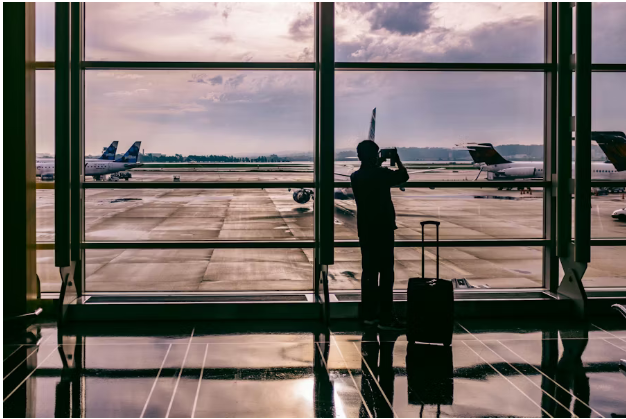
The last morning of a vacation is typically spent packing and getting ready to head home. The sun is coming up, cafes are starting to open, and the streets are beginning to warm. However, once you start carrying your bags around the city, all of those experiences become tainted. A last day of travel should be fun; however, it is hard to enjoy yourself while lugging suitcases across cobblestone streets and trying to protect them from being damaged by cafe chairs and others who are able to walk freely.
Start By Distinguishing Between Travel Time And Free Time On Your Last Day
One of the worst mistakes you can make on your last day is to treat it as nothing but a waiting room until your plane, train, or bus leaves. It is not. It is still a part of your trip.
Take your departure time and count backwards in a calm and realistic manner. Include time to pack up your bags, travel to the airport or train station, go through security, and account for minor delays. After establishing this time frame, the remainder of your day will become easier to enjoy.
Even though you may only have four “good” hours, you can still fit in a nice breakfast, a leisurely stroll through a neighborhood you liked, and a peaceful stop at someplace lovely. The key is not to fill the day too full. A last day is best when it has space to breathe.
Decide Where To Put Your Bags Before You Begin Exploring
Dragging a large piece of luggage behind you creates a unique type of fatigue. In addition to making you physically tired, it also creates impatience. As a result of this fatigue, you tend to avoid walking down narrow streets. You avoid going to small shops. You opt for the least complicated restaurants rather than the ones that you really would prefer.
Before planning anything else, determine where you will put your bags after check-out. Most hotels will store your bags for several hours (even after you vacate your room). Also, many transportation hubs (airports and train stations) as well as urban centres provide secure storage facilities. If your accommodations are located near your departure location, these storage locations can prove to be particularly helpful.
Left luggage can come to the rescue in situations such as this, since it converts your final hours of travel time into time where your hands are free to enjoy the city again. When you no longer have to carry your luggage, the city opens up.
Limit Yourself To Only One Neighbourhood
Your last day is not the time to complete all items on your list of things to do. You may want to visit one final attraction on the opposite side of town; however, this often results in additional transportation costs and wasted time checking the time and repacking.
Select a neighborhood that is close to either your storage facility for your luggage, your hotel, or your ultimate mode of transportation. This provides structure to your day. Without constantly worrying about connecting to another form of transportation, you can walk without worry. Additionally, you can pay attention to things you previously overlooked: a bakery’s window display, a hidden courtyard, a bookstore, a park bench with an excellent view.
In general, the memories created during the final day of travel are greater when they are limited. At this stage in your travels, you cease travelling as opposed to merely living within it for a couple of hours.
Create Your Final Day Based Upon Three Things: Food, Walking and One Simple Activity
Typically, the best planned final day contains three elements: food, walking, and a single simple experience.
Begin with a decent meal. Not a quick bite at the airport or station. Choose a cafe, market, bakery, or casual restaurant where you can sit and be present. Order something local if you still have the appetite for it. Alternatively, if you’re exhausted, order something comforting. Both options are acceptable.
Next walk. Not fast-paced nor with an aggressive step-count mission. Simply meander through the city at a relaxed pace. Walking assists in processing the trip mentally. You see the place one last time without the burden of needing to depart.
To satisfy your one activity requirement, select something simple. A small art gallery. A riverwalk. A public garden. A street you intended to capture with photographs. Select something that doesn’t require precise scheduling, lengthy lines, or complex transit arrangements. Your final day should not rely upon ideal circumstances.
Allow Room For A Sluggish Farewell
Travel days have a strange effect on people. Even when there is ample time available to spend exploring and taking in sights and sounds prior to departing, travelers often feel compelled to be constantly moving. Check-in procedures begin early in the morning and continue late into the evening. Confirmations are required for flights and trains. Packing begins early in the morning; repacking follows shortly thereafter. Travellers appear to always be watching their clocks.

Try Creating A Quiet Corner In Your Day
Spend 20 minutes sitting somewhere. Don’t hurry through your coffee. Scroll through a few photos. Text someone back home. Purchase only one small souvenir item if it truly represents the destination. You don’t need to create a dramatic farewell to a city; sometimes the slower option is superior.
Additionally, this is also an opportunity to reflect on what stuck with you from this journey. Not what appeared visually appealing online. Not what was supposed to impress you. What is genuinely connected with you? A meal? Street music? Early morning walks? Conversations? Views from bridges? Those are the aspects you’ll bring with you.
Treat Your Exit Experience Similar To The Rest Of The Trip
Don’t allow your last hour to ruin the sense of peace established earlier in the day. Schedule an alarm for when you need to pick up your bags; don’t schedule it solely for when you need to leave for the airport/train station. Create some extra time for yourself.
The last part of a trip is just a transition to either returning home or moving on somewhere else. It may seem like a lot, but all you need to do is “switch gears.” This can help prevent the disorganized feeling many people get when they are done with their travels.
The final day of an adventure does not have to be a hectic one. A good way to avoid this is to simply use the time left over wisely.