Men’s Jewelry Guide: How to Choose, Wear, and Style Jewelry for Men
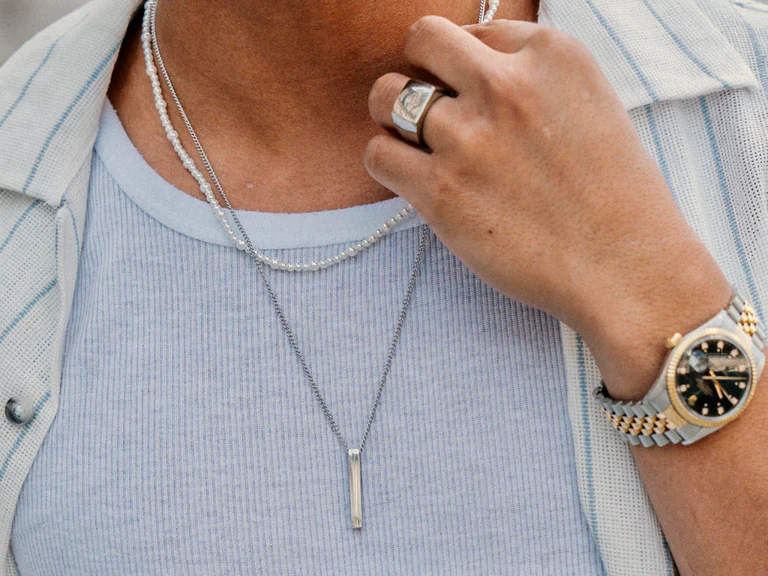
Jewelry is more than decoration; it’s a silent communicator of taste, confidence, and identity. Most men never learned how to wear jewelry properly; they simply picked up a watch and maybe a wedding band without understanding the broader possibilities. The right pieces can elevate your entire presence, signaling professionalism in the boardroom, sophistication at social events, or creative flair in casual settings.
This men’s jewelry guide provides a clear, practical system for choosing, styling, and building a jewelry collection that aligns with your lifestyle, career, and personality. Whether you’re a complete beginner or looking to refine your existing approach, you’ll learn everything about men’s jewelry, from trustend brand like IceATL and IceCartel to personal and celebrity design choices.
Why Men Should Wear Jewelry
Jewelry is one of the few style tools that can change how people read you before you say a word. It signals taste, confidence, commitment, status, and even culture or faith.
Historically, warriors, kings, religious leaders, and craftsmen all used jewelry to show rank, allegiance, and achievement; it has never been only “feminine.” Today, subtle, well-chosen men’s jewelry separates “guy in clothes” from “guy with style” without needing a full wardrobe overhaul.
The 5 Golden Rules of Men’s Jewelry
These rules keep you out of trouble whether you work in a bank, tech startup, or creative agency. They echo the best competitor advice but go deeper on how to apply them in real life.
Rule #1: Start Simple and Build Slowly
If you’re new to men’s jewelry, start with one or two classic pieces: a watch and a ring (often a wedding band or simple signet). Wear them daily until they feel natural.
Once that baseline is comfortable, add one new piece at a time, a slim bracelet, a minimal chain, or cufflinks for work, so you can see how each piece changes your look and how people react.
Rule #2: Match Metals on Purpose
Most men’s jewelry comes in gold, silver/steel, or darker-toned metals. Matching metals isn’t an aesthetic law; it’s a way to look intentional instead of random.
Choose one dominant metal per outfit: gold or silver/steel. Match your watch, ring, bracelet, and belt buckle where possible. Wedding bands and heirlooms are the main exception; wear them regardless of metal.
Gold works best with earth tones, navy, and rich greens; silver or steel works with black, grey, and cooler palettes, and is the safest default if you’re unsure.
Rule #3: Respect Proportion and Scale
Jewelry should match your frame and outfit. Big man, bigger pieces; smaller build, slimmer pieces.
If you’re lean or have smaller wrists, choose thinner bands, narrow chains, and minimalist rings. If you’re broad or muscular, you can wear thicker chains or bolder rings without them looking out of place. The more formal the outfit, the more refined and slim your jewelry should be.
Rule #4: Dress for the Setting
What works at a bar can kill credibility in a boardroom. Many companies still limit “acceptable” men’s jewelry to watches, wedding bands, simple cufflinks, tie bars, and small lapel pins.
Use this rule of thumb:
- Corporate / Traditional: Watch, wedding band, simple cufflinks, or tie bar
- Business Casual / Smart Casual: Add a slim bracelet or subtle chain
- Creative / Night Out: Layer chains, add a second ring, play with bolder pieces
When in doubt at work, underdress your jewelry rather than overdress it.
Rule #5: Meaning Over Maximum Flash
A small, meaningful piece beats an oversized, loud one every time. Rings from milestones, religious pendants, a chain gifted by family, or a military-related piece carry stories and become natural conversation starters.
Pieces worn “just to flex” age quickly; pieces worn because they matter to you age well and feel authentic.
Essential Types of Men’s Jewelry
This section walks through the core pieces almost every men’s jewelry guide mentions, then fills the gaps: how many you should own, how to wear them, and where hip‑hop and urban trends fit in.
Rings: Wedding Bands, Signets, and Statement Pieces
Rings are the most symbolic piece of jewelry men wear. They can show commitment, achievement, or pure personal taste.
Common ring types:
- Wedding band – Always acceptable; material and placement can be cultural (left or right hand)
- Signet ring – Often engraved with initials, family crest, or symbol; works best on the pinky or ring finger
- Class / fraternal rings – Good for networking in the right circles; keep to one at a time outside special events
- Statement rings – Larger stones, unique designs, or bold silhouettes. Best saved for casual or nightlife
For most men, one to two rings (wedding band plus one more) is the sweet spot for everyday wear. If you prefer a bolder, hip‑hop‑inspired look, you can push into three or more, but keep the rest of your outfit simpler to balance it out.
If you like the look of high-impact stones without diamond pricing, modern moissanite rings give you strong sparkle and durability at a lower cost and are now common in urban and streetwear styles. Premium moissanite jewelry delivers exceptional aesthetics without the premium price tag.
Watches: The Foundation of Men’s Jewelry
A watch is the safest, most widely accepted piece of men’s jewelry and still the foundation of most collections.
- Dress watches: Simple dial, leather strap, slim case. Ideal with suits and dress shirts
- Sport/dive watches: Metal bracelet or rubber strap, larger case, more rugged details
- Everyday watches: Minimalist designs that work with jeans, chinos, and smart casual outfits
If you only invest in one piece, make it a versatile watch that works with your main wardrobe colors.
Bracelets: From Minimal to Bold
Bracelets are less formal but can add a lot of personality. Many competitor guides mention them, but rarely explain how to stack them well.
Common bracelet types:
- Metal chain bracelets (gold, silver, steel): Clean, masculine, and work well next to a watch
- Leather bracelets: Best in brown or tan; avoid cheap black leather with heavy studs unless it fits a specific subculture you belong to
- Beaded bracelets: Natural stone or wood beads pair well with casual outfits
- Tennis bracelets: Stone‑set designs that lean more luxe and work with dressy casual or elevated streetwear
Basic stacking rule: one watch + one bracelet on the same wrist, or one each on both wrists. Any more starts to look cluttered unless you intentionally go for a stacked, fashion‑forward look.
Necklaces and Chains: From Subtle to Standout
Necklaces are powerful because they sit near your face people notice them quickly. Many men’s jewelry guides mention lengths but rarely explain how to choose them based on the neck and chest.
Key points:
- Chain styles: Curb, figaro, rope, and cable chains are the most versatile options
- Length: For most men, 50–60 cm (20–24 in) sits in the sweet spot around the upper to mid‑chest. Longer chains feel more casual and urban; shorter, closer to the collarbone, feel sharper.
- Thickness: Slim chains (1–3 mm) are minimal and good under shirts; mid‑thickness (3–5 mm) work as visible accents; heavy chains (6+ mm) move towards bold, hip‑hop, or streetwear aesthetics
A small pendant,t religious, symbolic, or personal,l is easier to pull off than a bare heavy chain if you’re new to necklaces.
Formal Accessories: Cufflinks, Tie Bars, Lapel Pins
Formal accessories are some of the most “socially safe” men’s jewelry pieces and often overlooked by beginners.
- Cufflinks: Best on French cuffs; choose simple metal designs or subtle enamel. Novelty designs are fine for less formal offices.
- Tie bars / tie clips: Keep them slim, metal, and placed around the middle of the sternum
- Lapel pins: Can signal affiliation, support, or personality; keep size small in professional settings
These pieces are ideal if your workplace is conservative, but you still want some individuality.
Earrings and Other Piercings
Earrings for men are mainstream in many cities but still draw judgment in conservative or traditional environments.
- Studs: Small, metallic, or simple stone studs are the most versatile
- Hoops: Small hoops can work in creative or casual settings; avoid oversized hoops for professional environments
- Other facial piercings (brow, nose, lip) are still seen as “alternative” in many workplaces, so consider your industry and goals carefully
Metals, Materials, and Stones Explained
Knowing materials protects you from poor purchases and helps you build a men’s jewelry collection that lasts. This goes beyond “gold vs silver” and covers practicality, maintenance, and value.
Precious Metals: Gold, Silver, Platinum
- Gold: Classic, warm, and instantly signals luxury. Comes in yellow, white, and rose, and different purities (10k/14k/18k). Higher karat means softer metal and richer color.
- Silver / sterling silver: Cooler tone, versatile, and often more affordable. Sterling silver (usually stamped 925) is the standard. Needs occasional polishing to avoid tarnish
- Platinum: Dense, durable, naturally white metal used in higher‑end jewelry; heavier and usually more expensive
For most men, a mix of silver/steel pieces plus one or two gold or gold‑tone pieces is a practical starting point.
Modern Alternatives: Steel, Titanium, and Moissanite
- Stainless steel: Affordable, strong, and resistant to tarnish. Ideal for bracelets, chains, and watches you wear daily
- Titanium: Lightweight, hypoallergenic, and very durable; often used for rings and some watches
- Moissanite: Lab‑created gemstone with high brilliance and fire, commonly used as a diamond alternative in rings, chains, and earrings. It offers standout sparkle at a more accessible price and is popular in hip‑hop and urban men’s jewelry
Stones and Embellishments: How Much Is Too Much?
Many men’s jewelry guides gloss over how much stone is “too much” for everyday wear. A simple rule helps: the more stones, the more casual and attention‑grabbing the piece becomes.
- Single stone: On a ring or stud earring can look sharp and masculine
- Row of stones: On a bracelet or chain leans into luxury or streetwear
- Fully iced‑out pieces: Big statement; usually reserved for nightlife, creative industries, or streetwear culture
In conservative settings, stones should be subtle accents; in creative or nightlife settings, they can be front and center.
How to Build Your Men’s Jewelry Collection (Step by Step)
Instead of buying randomly, treat jewelry like a toolkit. Start with essentials and build outward based on your needs.
Level 1: The Basics (Beginner)
If you’re just starting out with men’s jewelry, focus on building a simple, versatile foundation. Begin with a reliable everyday watch; this is the cornerstone piece that works across virtually all settings. Add a wedding band if applicable, or a simple signet ring for personal expression. These pieces are universally acceptable and help you develop comfort in wearing jewelry daily. For those interested in higher-quality materials without premium pricing, IceATL offers accessible luxury jewelry options that work well for building your initial collection.
Your first pieces should be:
- One versatile watch (metal or leather strap)
- Wedding band or one simple ring
- Optional: minimal chain if it fits your style
At this stage, the goal is comfort and consistency, not variety.
Level 2: Adding Personality
Once your basics feel natural, you can introduce one or two additional pieces that reflect your personal taste.
Add:
- A simple chain necklace (under or over the shirt, depending on setting)
- One bracelet (metal or leather)
- Cufflinks or a tie bar if you wear dress shirts regularly
You’re still playing it safe, but now with slightly more individuality.
Level 3: Refined and Intentional
You now have a small rotation of pieces and understand which metals, styles, and proportions work best for you. You might invest in higher‑quality materials or add pieces with cultural or personal meaning.
Consider:
- A second watch (one casual, one formal)
- Additional rings or bracelets for layering
- Pendant necklaces with symbolic meaning
You’re moving from “safe” to “stylish,” so pay more attention to context, tone it down at work, dial it up off duty.
Level 4: Personal Signature
Long term.
At this stage, you know what feels like “you.” Maybe it’s a religious pendant, a bold ring, or stacked bracelets. The goal is a small, repeatable set of combinations people start to recognize as your style. Building a recognizable personal brand extends beyond jewelry; your overall online presence matters too. Social media growth services can help amplify your style and presence across platforms as you develop your signature look.
You might:
- Rotate between two main watches
- Have a “work set” and a “weekend set” of jewelry
- Use one statement piece (a chunky chain, strong ring, or special bracelet) when you want more presence
Men’s Jewelry by Occasion and Dress Code
Jewelry should support, not fight, the vibe of your environment. Many men’s jewelry guides mention “dress codes” but don’t translate them into actual pieces. This section does.
Corporate and Professional Settings
Stick to the safest men’s jewelry options:
- Watch (metal or leather)
- Wedding band and maybe one subtle ring
- Simple cufflinks and a tie bar if you wear dress shirts and ties
Avoid:
- Large stones, thick chains outside the shirt, and multiple bracelets
- Obvious “party” jewelry or heavily branded, flashy pieces
Smart Casual and Business Casual
This is the most flexible zone for men’s jewelry.
Suitable choices:
- Watch + wedding band
- One bracelet (metal or leather)
- Simple chain; small pendant if it fits your personality
- Minimal signet ring
You can introduce slightly bolder textures or mixed metals here as long as the overall outfit stays balanced.
Casual, Nightlife, and Streetwear
This is where you can push the envelope if you want.
Examples:
- Layered chains over T‑shirts or hoodies
- Multiple rings, including bolder silhouettes
- Beaded bracelets or stacked metal bracelets
If you’re leaning into hip‑hop or urban fashion, thicker Cuban link chains, moissanite‑set pieces, and iced‑out designs can all work as long as they align with your personality and setting.
Buying Men’s Jewelry: Smart Shopping Strategy
Instead of buying random pieces over time, treat this like building a toolkit. Most competitor guides list options; this guide gives you an order and priority.
What to Buy First
Order of priority for most men:
- Versatile, everyday watch
- Wedding band or core ring
- Simple chain necklace
- One bracelet that works with your main watch
- Formal accessories (cufflinks + tie bar) if you wear tailoring
This sequence ensures every purchase sees regular use.
Quality Signals to Look For
- Clear metal markings (925, 10k, 14k, 18k, etc.)
- Solid clasps and closures that don’t feel flimsy
- Smooth finishing, no rough edges or sharp points
- Reliable return policy and clear disclosure of plating vs solid metal
If a deal looks too good to be true for the claimed metal or stones, it usually is. When researching jewelry brands and building your knowledge, some marketplaces can help you discover trusted resources and connect with reputable jewelers in the industry.
Budget Planning for a Men’s Jewelry Collection
You don’t need a huge budget to build a tasteful men’s jewelry setup.
Rough ranges:
- Starter setup (watch + ring + chain): modest three‑figure budget if you mix steel and plated pieces
- Intermediate setup (add bracelet and formal accessories): higher three to low four figures if you include gold or higher‑end moissanite
- Advanced setup (multiple watches, custom work, heirloom‑grade pieces): four figures and beyond, depending on materials
Think in terms of cost‑per‑wear; a good watch or ring worn daily for years is a better investment than five trend pieces that sit in a drawer. If you’re a jewelry business owner looking to maximize your marketing budget and reach the right customers, professional advertising account management can help optimize your ad spend and customer acquisition strategy.
Common Men’s Jewelry Mistakes to Avoid
Avoiding a handful of pitfalls will keep your style sharp even with minimal effort. Many guides list “don’ts” but don’t explain the why; this section corrects that.
Wearing Too Much Too Soon
Jumping straight into multiple rings, layered chains, and stacked bracelets makes it look like the jewelry is wearing you, not the other way around. Build up gradually so your style feels intentional, not costume‑like.
Accidental Mismatch of Metals and Style
One gold ring, one rose‑gold chain, one oxidized silver bracelet, and one black titanium ring thrown together by accident creates noise. Either match metals or have a clear “centerpiece” metal and keep everything else quiet.
Ignoring Comfort and Practicality
If a ring pinches, a bracelet catches on everything, or a chain feels too heavy, you’ll stop wearing it. Comfort is non‑negotiable; the best men’s jewelry is the jewelry you barely feel.
Treating Jewelry as a Trend, Not an Extension of You
Copying every new jewelry trend without filtering it through your job, age, culture, and personality leads to a scattered look. The best men’s jewelry choices support the life you actually live.
Care, Storage, and When to Remove Jewelry
Good maintenance keeps men’s jewelry looking sharp and prevents awkward damage or loss. This is often underexplored in men’s jewelry guides, yet it’s crucial if you invest in better pieces.
Cleaning and Storage Basics
- Use a soft polishing cloth for silver and gold
- Avoid harsh chemicals; mild soap and water work for most metals
- Store pieces separately in pouches or compartments to avoid scratches
For pieces with stones, avoid ultrasonic cleaners unless the jeweler confirms they are safe for that setting. Just as you maintain your jewelry, maintaining proper grooming habits complements your overall style. Quality men’s grooming products ensure you look polished from head to toe.
When You Should Take Jewelry Off
Removing certain pieces at the right time can save you money and stress.
Take off:
- Rings and bracelets for heavy lifting or certain gym equipment
- Non‑water‑safe pieces before swimming in pools or the ocean
- Most jewelry before contact sports or sleep, where it can break or catch
Wedding bands and some watches stay on for many men, but even those sometimes benefit from occasional removal for cleaning and skin health.
Taking Your Style Further with Men’s Jewelry
Jewelry is one part of your overall presentation. When it aligns with your grooming, clothes, and lifestyle, it stops looking like “added decoration” and starts looking like you.
Use this guide to:
- Choose a few key men’s jewelry pieces that feel authentic
- Build slowly so each addition has a purpose
- Match your jewelry to your environment and long‑term goals
- Treat jewelry as part of your story, not a random afterthought