Oil Burner Pipe: A Must-Have for Oil Concentrates

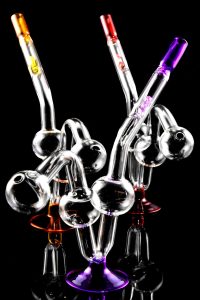
Oil burner pipe is a type of glass pipe primarily designed for vaporizing substances, often oils or other liquids. It typically consists of a straight or curved glass tube with a small, round bulb at one end. The bulb is heated from the outside, causing the substance inside to vaporize for inhalation.
While oil burner pipes have legitimate uses for aromatherapy and essential oils, they are also commonly associated with illicit substance use. Because of this, their sale and possession can be restricted in some areas.
What is an Oil Burner Pipe?
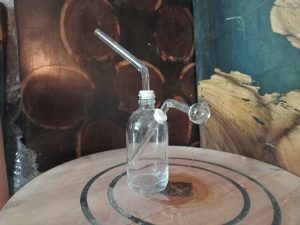
An oil burner pipe is a specialized glass pipe used to heat and vaporize various substances. The most common design includes a thin, elongated tube with a small spherical chamber at one end. Unlike traditional pipes, which use combustion, an oil burner pipe relies on indirect heating to create vapor.
Oil burner pipes are often confused with other drug pipes, but their primary function is to heat oils or liquids without burning them. This makes them popular in aromatherapy and essential oil applications. However, due to their association with illicit use, they are often subject to legal restrictions.
Structure and Design of an Oil Burner Pipe
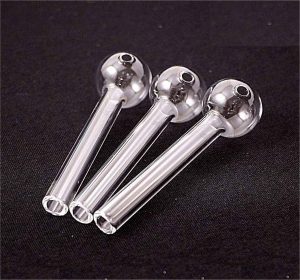
The design of an oil burner pipe is relatively simple but effective. It consists of three main parts:
- Tube: A glass tube that acts as the mouthpiece.
- Bulb: A rounded chamber at the end where oils or liquids are heated.
- Opening: A small hole at the top of the bulb to allow airflow.
Most oil burner pipes are made of glass, but some variants may use ceramic or metal. The shape can be straight or slightly curved, depending on the user’s preference. Some people opt for an unbreakable oil burner pipe, made from high-durability glass or reinforced materials.
Materials Used in Oil Burner Pipes
The primary material used in oil burner pipes is glass, due to its heat resistance and chemical inertness. However, there are other materials used, including:
- Borosilicate Glass: This is a heat-resistant type of glass that prevents cracking under high temperatures.
- Quartz: Some high-end oil burner pipes use quartz, which has an even higher resistance to heat.
- Metal: While rare, some oil burner pipes incorporate metal components for durability.
When choosing an oil burner pipe, material quality is essential for safety and performance. Many people prefer glass oil burner pipes due to their clean vapor production and ease of cleaning.
Common Uses of Oil Burner Pipes
Oil burner pipes serve several functions, both legitimate and controversial. The primary uses include:
- Aromatherapy: Used to heat essential oils for relaxation and therapy.
- Scientific Applications: In some cases, oil burner pipes are used in chemical experiments.
- Illicit Drug Use: Unfortunately, many people use oil burner pipes for inhaling illegal substances, leading to their association with drug pipes.
The versatility of oil burner pipes makes them useful for various applications, but their misuse has contributed to negative perceptions.
How an Oil Burner Pipe Works
An oil burner pipe works through indirect heating. The process is simple:
- The user places a liquid or oil into the glass bulb.
- A heat source, such as a torch or lighter, is applied to the outside of the bulb.
- The heat causes the substance inside to vaporize, producing a vapor that can be inhaled.
- The user inhales through the tube, drawing the vapor into their lungs.
Unlike combustion pipes, which burn material, an oil burner pipe produces vapor without smoke. This is why they are sometimes marketed as safer alternatives to smoking.
Legitimate Applications of Oil Burner Pipes
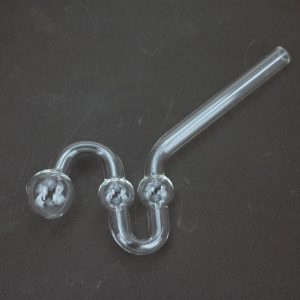
Although oil burner pipes are often associated with illicit substances, they also have legitimate uses. These include:
- Aromatherapy: Heating essential oils for relaxation and therapeutic benefits.
- Lab Experiments: Used in controlled heating applications.
- Alternative Smoking Methods: Some people use oil burner pipes as an alternative to traditional smoking devices.
Understanding what oil burner pipes are used for can help reduce stigma and educate people about their practical applications.
Controversies and Legal Concerns
Oil burner pipes are often misunderstood and controversial. Due to their association with drug paraphernalia, many jurisdictions regulate their sale and possession. Some of the main legal concerns include:
- Bans on sales in certain states and countries.
- Restrictions on online purchases.
- Legal implications for owning an oil burner pipe if suspected for illegal use.
Many glass oil burner pipes for sale come with legal disclaimers, stating they are only for legal substances. However, law enforcement still monitors their sale closely.
Health Risks and Safety Precautions
Using an oil burner pipe can pose health risks if not used correctly. Some risks include:
- Burn injuries from handling hot glass.
- Lung irritation from inhaling heated substances.
- Chemical exposure from low-quality materials.
To stay safe, users should:
- Use high-quality glass oil burner pipes.
- Handle with care to avoid burns.
- Avoid using pipes for illegal substances.
Difference Between Oil Burner Pipes and Other Pipes
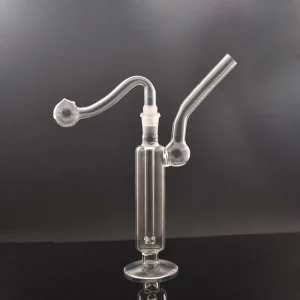
Oil burner pipes differ from other pipes in design and functionality. Compared to traditional pipes, an oil burner pipe:
- Uses indirect heating instead of direct combustion.
- Produces vapor rather than smoke.
- Has a round bulb instead of a bowl.
Maintenance and Cleaning of an Oil Burner Pipe
To prolong the lifespan of an oil burner pipe, regular cleaning and maintenance are essential. Steps include:
- Soaking in isopropyl alcohol to remove residue.
- Using a pipe cleaner to clear buildup.
- Avoiding overheating, which can cause cracks.
Availability and Regulations on Oil Burner Pipes
Oil burner pipes can be found in various locations, but regulations vary. Some places allow the sale of oil burner pipes for sale, while others ban them entirely. Online stores, smoke shops, and specialty retailers are common sources for purchasing oil burner pipes.
Frequently Asked Questions About Oil Burner Pipes
What is an oil burner pipe used for?
An oil burner pipe is used for heating and vaporizing oils or liquids for inhalation, often in aromatherapy.
What is a glass oil burner pipe used for?
A glass oil burner pipe is primarily used for vaporizing essential oils, but it is sometimes misused for illicit substances.
What is oil burner pipe price?
The price of an oil burner pipe varies but typically ranges from $5 to $50, depending on quality and material.
What is oil burner pipe made of?
Most oil burner pipes are made from borosilicate glass, but some models use quartz or metal for durability.
Can I install my own oil-fired boiler?
While some people install their own oil-fired boilers, professional installation is recommended for safety and efficiency.
What is white oil pipeline?
A white oil pipeline refers to pipelines transporting refined petroleum products like diesel or kerosene.
What is bunsen flame?
A Bunsen flame is a gas burner flame used in scientific experiments for controlled heating.
Conclusion on Oil Burner Pipes
Oil burner pipes are versatile tools used for vaporizing oils. While they have legitimate applications, their association with illicit use has led to legal restrictions. Understanding what an oil burner pipe is used for can help consumers make informed decisions. When purchasing an oil burner pipe for sale, choosing high-quality materials and following safety precautions is essential.
As regulations evolve, awareness about oil burner pipes and their uses will continue to shape public perception.